🥛 Milk - Composition, Quality Parameters, Adulteration Tests and Milking Methods
Complete guide to milk composition (fat, protein, lactose, minerals, vitamins), species-wise comparison, milking methods (hand and machine), milk adulteration detection tests, and quality standards for IBPS AFO, NABARD, and RRB-SO exams.
- Milk is the lacteal secretion of the mammary glands of animals. It is obtained generally from the cow or the buffalo during the period following at least 72 hours after calving or until the milk is colostrum free. The 72-hour rule exists because the first secretion after calving is colostrum, which has a very different composition from normal milk and is not suitable for commercial sale.
- Milk is a white opaque fluid in which fat is present as an emulsion, protein and some mineral matters in colloidal suspension, and lactose together with some minerals and soluble proteins in true solution. This means milk is a complex mixture of three different physical states: emulsion (fat droplets dispersed in water), colloidal suspension (protein micelles too large to dissolve but too small to settle), and true solution (dissolved sugars and minerals).
Composition of Milk
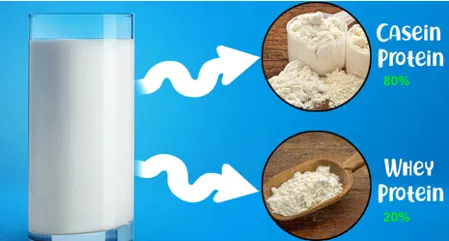
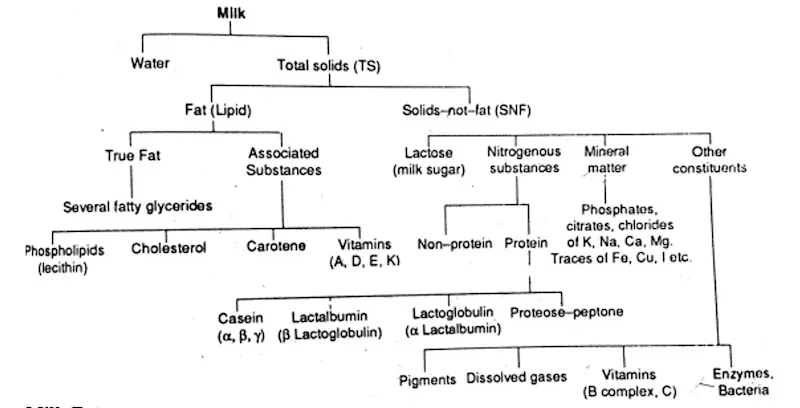 - **Milk proteins composition:** 80% Casein Protein and 20% Whey Protein. **Casein** is the predominant protein that forms curds when milk is acidified (used in cheese and paneer making), while **whey protein** remains in the liquid portion and is rich in essential amino acids.
- **Milk protein sub-components:** Casein (80%), Albumin (0.4-0.7%), and Globumin (0.05-0.11%). The **Kjeldahl Method** is used to detect milk protein. Nitrogen content in milk is 0.5%.
- Casein protein doesn't coagulate while heating but other proteins are coagulated like Lacto-Albumin and Lacto-globumin.
- Lactose of milk can be digested by **lactase enzyme** in human body. People who lack the **lactase enzyme** suffer from **lactose intolerance**, experiencing digestive discomfort when consuming milk. *The mechanism: undigested lactose passes into the large intestine where gut bacteria ferment it, producing gases (hydrogen, carbon dioxide) and short-chain fatty acids — causing bloating, cramping, and diarrhoea. The condition is more common in adults than children because lactase production naturally declines after weaning in many populations.*
- Milk is **sweet** because of presence of lactose sugar. **Lactose** (milk sugar) is a disaccharide composed of glucose and galactose, and is the primary carbohydrate in milk. Average lactose content in milk is 4.5-4.8%.
- **Milk proteins composition:** 80% Casein Protein and 20% Whey Protein. **Casein** is the predominant protein that forms curds when milk is acidified (used in cheese and paneer making), while **whey protein** remains in the liquid portion and is rich in essential amino acids.
- **Milk protein sub-components:** Casein (80%), Albumin (0.4-0.7%), and Globumin (0.05-0.11%). The **Kjeldahl Method** is used to detect milk protein. Nitrogen content in milk is 0.5%.
- Casein protein doesn't coagulate while heating but other proteins are coagulated like Lacto-Albumin and Lacto-globumin.
- Lactose of milk can be digested by **lactase enzyme** in human body. People who lack the **lactase enzyme** suffer from **lactose intolerance**, experiencing digestive discomfort when consuming milk. *The mechanism: undigested lactose passes into the large intestine where gut bacteria ferment it, producing gases (hydrogen, carbon dioxide) and short-chain fatty acids — causing bloating, cramping, and diarrhoea. The condition is more common in adults than children because lactase production naturally declines after weaning in many populations.*
- Milk is **sweet** because of presence of lactose sugar. **Lactose** (milk sugar) is a disaccharide composed of glucose and galactose, and is the primary carbohydrate in milk. Average lactose content in milk is 4.5-4.8%.
IMPORTANT
Pro Content Locked
Upgrade to Pro to access this lesson and all other premium content.
₹99 charged monthly · Cancel anytime
- All Agriculture & Banking Courses
- AI Lesson Questions (100/day)
- AI Doubt Solver (50/day)
- Glows & Grows Feedback (30/day)
- AI Section Quiz (20/day)
- 22-Language Translation (100/day)
- Recall Questions (20/day)
- AI Quiz (15/day)
- AI Quiz Paper Analysis (100/day)
- AI Step-by-Step Explanations (100/day)
- Spaced Repetition Recall (FSRS)
- AI Tutor
- Immersive Text Questions
- Audio Lessons — Hindi & English
- Mock Tests & Previous Year Papers
- Summary & Mind Maps
- XP, Levels, Leaderboard & Badges
- Generate New Classrooms
- Voice AI Teacher (AgriDots Live)
- AI Revision Assistant
- Knowledge Gap Analysis
- Interactive Revision (LangGraph)
🔒 Secure via Razorpay · Cancel anytime · No hidden fees
- Milk is the lacteal secretion of the mammary glands of animals. It is obtained generally from the cow or the buffalo during the period following at least 72 hours after calving or until the milk is colostrum free. The 72-hour rule exists because the first secretion after calving is colostrum, which has a very different composition from normal milk and is not suitable for commercial sale.
- Milk is a white opaque fluid in which fat is present as an emulsion, protein and some mineral matters in colloidal suspension, and lactose together with some minerals and soluble proteins in true solution. This means milk is a complex mixture of three different physical states: emulsion (fat droplets dispersed in water), colloidal suspension (protein micelles too large to dissolve but too small to settle), and true solution (dissolved sugars and minerals).
Composition of Milk
- **Milk proteins composition:** 80% Casein Protein and 20% Whey Protein. **Casein** is the predominant protein that forms curds when milk is acidified (used in cheese and paneer making), while **whey protein** remains in the liquid portion and is rich in essential amino acids.
- **Milk protein sub-components:** Casein (80%), Albumin (0.4-0.7%), and Globumin (0.05-0.11%). The **Kjeldahl Method** is used to detect milk protein. Nitrogen content in milk is 0.5%.
- Casein protein doesn't coagulate while heating but other proteins are coagulated like Lacto-Albumin and Lacto-globumin.
- Lactose of milk can be digested by **lactase enzyme** in human body. People who lack the **lactase enzyme** suffer from **lactose intolerance**, experiencing digestive discomfort when consuming milk. *The mechanism: undigested lactose passes into the large intestine where gut bacteria ferment it, producing gases (hydrogen, carbon dioxide) and short-chain fatty acids — causing bloating, cramping, and diarrhoea. The condition is more common in adults than children because lactase production naturally declines after weaning in many populations.*
- Milk is **sweet** because of presence of lactose sugar. **Lactose** (milk sugar) is a disaccharide composed of glucose and galactose, and is the primary carbohydrate in milk. Average lactose content in milk is 4.5-4.8%.
IMPORTANT
Indian cow breed Sahiwal ranks first in the sweetness of milk as it has the highest lactose content (5.04%).
- Lactose is the least variable constituent of milk, while Lactose is the highly unstable part of milk because it is fermented by bacteria present in milk, forming lactic acid which increases acidity.
- All 22 minerals considered essential to the human diet are present in milk. Minerals are present in the form of solution in milk. Average mineral content in milk is 0.76%.
- Milk is a poor source of Iron and Vitamin C. This is a critical fact: while milk is nutritionally rich, it is notably deficient in Iron and Vitamin C. Iron is not present in milk, that's why milk is known as Incomplete food.
- Milk is a major source of Vitamin A, Calcium, and Riboflavin (Vitamin B2).
TIP
Why is Riboflavin (Vitamin B2) important in milk? Riboflavin is responsible for the faint greenish-yellow colour of whey. It is a water-soluble vitamin and is not lost when fat is removed (unlike Vitamins A and D). This is why even skim milk retains its riboflavin content. Milk provides about 26% of the daily recommended intake of riboflavin.
WARNING
Milk is NOT rich in Iron or Vitamin C. This is a common exam trap. Milk is rich in calcium and protein but deficient in these two nutrients. This is why the statement "Milk is rich in Vitamin C" is incorrect.
- The fat-soluble vitamin A, D, E, K in milk depends on their availability in the feed. Animals fed green fodder rich in carotene will produce milk with higher levels of Vitamin A.
- Water soluble vitamins in milk: Vit. B, C. Fat soluble vitamins: Vit. A, D, E & K.
- 1 gm of fat produces 9.3 calories of energy.
- Composition of milk depends on spices, breed and feed. The species (cow, buffalo, goat), breed (Jersey, Holstein, Murrah), and diet of the animal all significantly influence the fat, protein, and mineral content of milk.
Milk Composition by Species
IMPORTANT
Highest average milk fat is found in Sheep (7.90%) > Buffalo (7.38%) > Goat (4.25%) > Cow (4.14%). This is a frequently confused fact -- Highest Average Fat is found in Sheep while Highest fat content is found in Buffalo.
| Parameter | Cow | Buffalo | Goat | Sheep | Human |
|---|---|---|---|---|---|
| Water (%) | 87.5 | 84.2 | 86.5 | 80.7 | 87.4 |
| Fat (%) | 4.14 | 7.38 | 4.25 | 7.90 | 3.75 |
| Protein (%) | 3.4 | 3.6 | 3.5 | 5.5 | 1.6 |
| Lactose (%) | 4.8 | 4.9 | 4.3 | 4.8 | 6.9 |
| Ash/Minerals (%) | 0.72 | 0.78 | 0.8 | 0.9 | 0.2 |
| Species | Water | Total Solids | Fat | SNF | Protein | Lactose | Ash |
|---|---|---|---|---|---|---|---|
| Human | 87.43 | 12.57 | 3.75 | 8.82 | 1.63 | 6.98 | 0.21 |
| Cow | 86.61 | 13.19 | 4.14 | 9.25 | 3.58 | 4.96 | 0.71 |
| Buffalo | 82.76 | 17.24 | 7.38 | 9.86 | 3.60 | 5.48 | 0.78 |
| Goat | 87.00 | 13.00 | 4.25 | 7.75 | 3.52 | 4.27 | 0.86 |
| Sheep | 80.71 | 19.29 | 7.90 | 11.39 | 5.23 | 4.81 | 0.90 |
| Camel | 87.61 | 12.39 | 5.38 | 7.01 | 2.98 | 3.26 | 0.70 |
Breed-wise Milk Composition
- Highest fat in cow is found in Jersey breed (5.0-5.5%) while highest fat in buffalo is found in Bhadawari breed (up to 13% maximum recorded; average ~8%). The 13% figure is an extreme recorded maximum, not a typical value.
| Breed | Total Solids | Fat | Protein | SNF | Lactose | Ash |
|---|---|---|---|---|---|---|
| Red Sindhi | 13.66 | 4.90 | 3.42 | 8.76 | 4.81 | 0.70 |
| Jersey | 14.91 | 5.37 | 3.73 | 9.54 | 4.93 | 0.70 |
| Friesian | 12.26 | 3.40 | 3.13 | 8.86 | 4.86 | 0.67 |
| Crossbred | 13.13 | 4.50 | 3.37 | 8.63 | 4.92 | 0.67 |
Key Facts about Milk in India
NOTE
- India ranks first in milk production, accounting for ~24.76% (nearly 25%) of world production. India produces ~239–250 million tonnes (2024-25), 1st globally. (Source: NDDB)
- Total milk production: ~239–250 million tonnes (2024-25)
- Per capita availability: ~490 g/day
- CAGR of milk production: ~5.62%
- About 85% of total farmers are small and marginal; they together own about 47% of farm land whereas they own about 75% of milch animals.
- Highest milk producing state in India: Uttar Pradesh.
- In India, 31% of total milk production is used as domestic consumption, 19% used for market sell, and 50% used for Ghee, Curd, Khoa, Butter, Cheese making.
- Fat is the most important constituent of milk by commercial point of view.
Lactation Terms and Milk Yield
- The development of the mammary gland is known as Mammogenesis. Mammogenesis begins during foetal life and continues through puberty and pregnancy, with the gland becoming fully functional only after the first calving.
- The process of producing and secreting milk from the mammary gland is known as Lactation.
- The graphical representation of the rate of milk secretion during lactation is called Lactation Curve. The lactation curve typically shows a rapid increase to peak yield, followed by a gradual decline over the remainder of the lactation period.
- Milk production increases rapidly following parturition and peak production typically occurs at 4–8 weeks post-calving where it remains for a short period and then gradually declines.
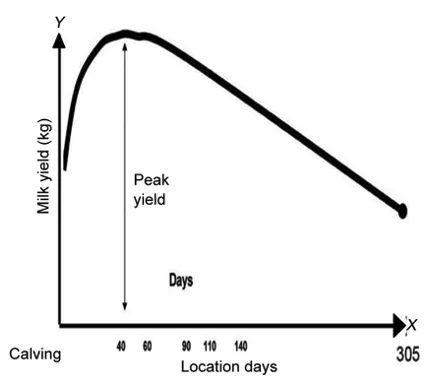
- Lactation length/period:
- This indicates the duration or time the female animal produces the milk after giving birth.
- The time interval between the dates of calving to the date of drying the animal expressed in days.
- It depends on type of animals species.
- It varies from 180 to 305 days. The standard lactation period for dairy cattle is considered to be 305 days, which is the benchmark used for comparing milk production across different animals and herds.
- Dry period: The time interval between the date of drying off the cow to the date of next calving. A dry period of 45-60 days is recommended to allow the mammary gland to rest and regenerate.
- Lactation yield: The amount of milk produced during complete lactation period.
- West average (W.A.): It is Total milk yield. Of a lactation (kg or Lt) divided by lactation period (in days). [3000/250 = 12 litres per day]. The wet average provides a simple measure of the cow's average daily milk production over her entire lactation.
| Species | Rate (In kg/day) |
|---|---|
| Exotic Cows | 11.21 |
| Crossbred Cows | 7.33 |
| Indigenous Cows | 3.41 |
| Non-Descript Cows | 2.16 |
| Indigenous Buffalo | 5.76 |
| Non-Descript Buffalo | 3.80 |
| Goat | 0.45 |
Average Milk Yield Rate in India
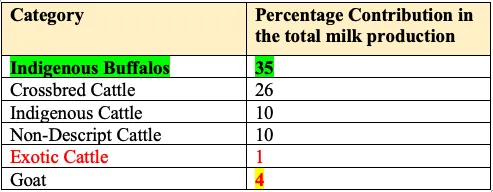
White Revolution (Operation Flood)
- Father of milk revolution (White Revolution): Dr. Verghese Kurien
- Headquarter of AMUL is situated at: Anand (Gujarat)
- Operation Flood was started in 1970 to enhance milk production in India.
- First round of Operation Flood: 1970-1980
- Second round of Operation Flood: 1981-1985
- Third round of Operation Flood: 1985-1996
- NDRI is situated at: Karnal, Haryana
- NDDB is situated at: Anand, Gujarat
- First chairman of NDDB: Dr. Verghese Kurien
Milk Hormones
Several hormones play critical roles in the initiation, maintenance, and release of milk:
-
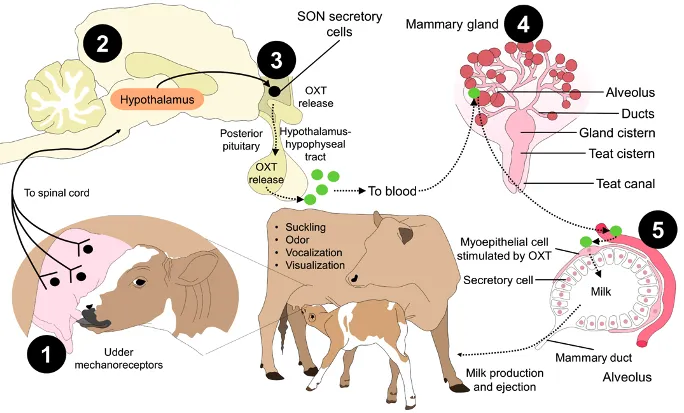
Oxytocin
- This hormone causes muscle contraction to expel the baby and responsible for milk let down. Therefore also known as Milk Let Down Hormone. Oxytocin causes the contraction of myoepithelial cells (muscle-like cells) surrounding the alveoli (milk-producing units) in the mammary gland, squeezing milk into the ducts and cisterns.
- It is synthesized by hypothalamus of brain and then transferred to the posterior pituitary gland. The oxytocin is produced in the hypothalamus but stored and released from the posterior pituitary. This release is triggered by stimuli such as the sight, sound, or touch of the calf, or the routine of milking.
-
Lactogenesis: The process by which the mammary gland develops the ability to secrete milk is known as Lactogenesis. This process involves the differentiation of mammary cells into secretory cells capable of producing milk components.
-
Prolactin
- It stimulate milk production. Prolactin is the primary hormone responsible for initiating and maintaining milk synthesis in the mammary gland.
- It improves protein and lactos content in milk.
- It is secereted from anterior pituitary gland. Note the distinction: prolactin comes from the anterior pituitary, while oxytocin comes from the posterior pituitary.
-
Adrenalin:
- When miltch animal is excited and disturbed during milking process, adrenalin hormone is released which inhibits milk ejection primarily by reducing blood flow to the gland so that sufficient concentrations of oxytocin cannot reach the receptors. Adrenaline (epinephrine) acts as an antagonist to oxytocin by constricting blood vessels supplying the mammary gland.
- This reduce the milk secretion.
- This is also known as Hormone of Fight or Flight. This is why a calm, stress-free environment during milking is essential -- any disturbance triggers adrenaline release and inhibits milk let-down, leading to incomplete milking and reduced yield.
Milk Production in Mammary Gland
- Milk vein of animals are filled with blood.
- Milk is produced in Alveoli cells and stored in Lumen.
- Anemia diseases in animals: Due to deficiency of copper and cobalt.
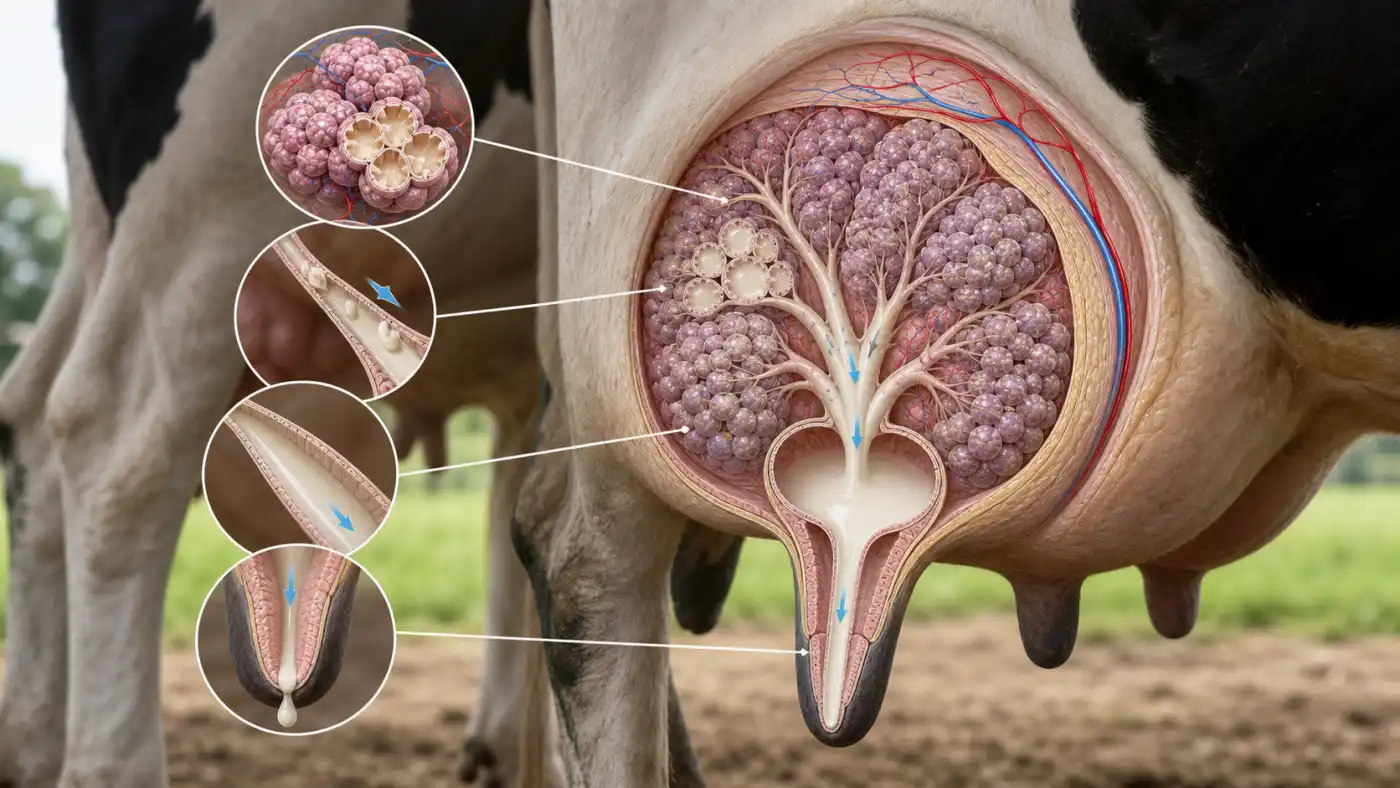
- How to read this image:
- Alveoli clusters are the milk-producing units.
- Small ducts carry milk downward toward the larger storage spaces.
- Gland cistern and teat cistern act as holding chambers before milk ejection.
- Milk vein and vessels remind you that heavy blood supply supports milk synthesis.
Colostrum
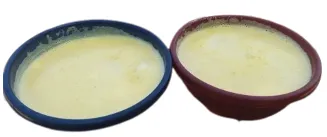 - Colostrum is the first form of mammary gland secretion that is released by the mammary glands after giving birth.
- It lasts for first 3 to 5 days after calving.
- It changes rapidly in successive milking and become normal milk in about 5 days after calving.
- The protein content of colostrum is 4-5 times that of normal milk. This extraordinarily high protein content is primarily due to the large amounts of **immunoglobulins** (antibodies) present.
- Normal milk has 3.5 to 4 % protein while cow's colostrum has 21% protein and buffalo colostrum has 23% protein.
- Colostrum is rich in globulins which serve as the carrier of **antibodies** to protect the calves against disease. These **maternal antibodies** provide the newborn calf with **passive immunity**, protecting it against diseases until its own immune system matures.
- Colostrum has **laxative effect** and helps to expel meconium from foetal digestive tract.
- pH of colostrum: 5.7-6.4 (more acidic than normal milk which has pH 6.5-6.7).
- Colostrum is the first form of mammary gland secretion that is released by the mammary glands after giving birth.
- It lasts for first 3 to 5 days after calving.
- It changes rapidly in successive milking and become normal milk in about 5 days after calving.
- The protein content of colostrum is 4-5 times that of normal milk. This extraordinarily high protein content is primarily due to the large amounts of **immunoglobulins** (antibodies) present.
- Normal milk has 3.5 to 4 % protein while cow's colostrum has 21% protein and buffalo colostrum has 23% protein.
- Colostrum is rich in globulins which serve as the carrier of **antibodies** to protect the calves against disease. These **maternal antibodies** provide the newborn calf with **passive immunity**, protecting it against diseases until its own immune system matures.
- Colostrum has **laxative effect** and helps to expel meconium from foetal digestive tract.
- pH of colostrum: 5.7-6.4 (more acidic than normal milk which has pH 6.5-6.7).
IMPORTANT
Colostrum Composition: Cow vs Buffalo
| Parameter | Cow Colostrum | Buffalo Colostrum | Normal Milk |
|---|---|---|---|
| Protein (%) | 21% | 23% | 3.5-4% |
| Fat (%) | 3.4-3.9 | 4.5-5.5 | 3.5-6% |
| Lactose (%) | 2.5-3.0 | 2.0-2.8 | 4.5-4.8% |
| Ash/Minerals (%) | 1.0-1.2 | 1.1-1.3 | 0.7-0.8% |
| Immunoglobulins | Very high | Very high | Trace |
| Duration | 3-5 days | 3-5 days | After 5 days |
Colostrum contains 4-5 times more protein than normal milk, mainly due to immunoglobulins. It is NOT suitable for commercial sale and must be fed to the newborn calf.
Physical properties of Milk
Colour
- Milk is a white liquid. White colour of milk is due to presence of Casein protein.
- Yellow colour of milk is due to presence of Carotene. Carotene (also called beta-carotene) is a yellow-orange pigment found in green fodder. Cows transfer carotene directly into their milk fat, giving cow's milk its characteristic yellowish tint.
- Buffalo milk is whiter than cow milk because carotene is converted into color less vitamin A. Buffaloes are more efficient at converting carotene to Vitamin A, so very little yellow pigment remains in the milk, making it appear whiter.
TIP
Exam Trap — Colour of Milk: Cow milk is slightly yellowish because cows transfer beta-carotene from feed directly into milk fat. Buffaloes convert nearly all beta-carotene to colourless Vitamin A before it enters milk, so buffalo milk is pure white. This also means buffalo milk is a richer source of Vitamin A (as retinol) than cow milk on a weight basis, even though both contain it. This is a frequently tested MCQ distinction.
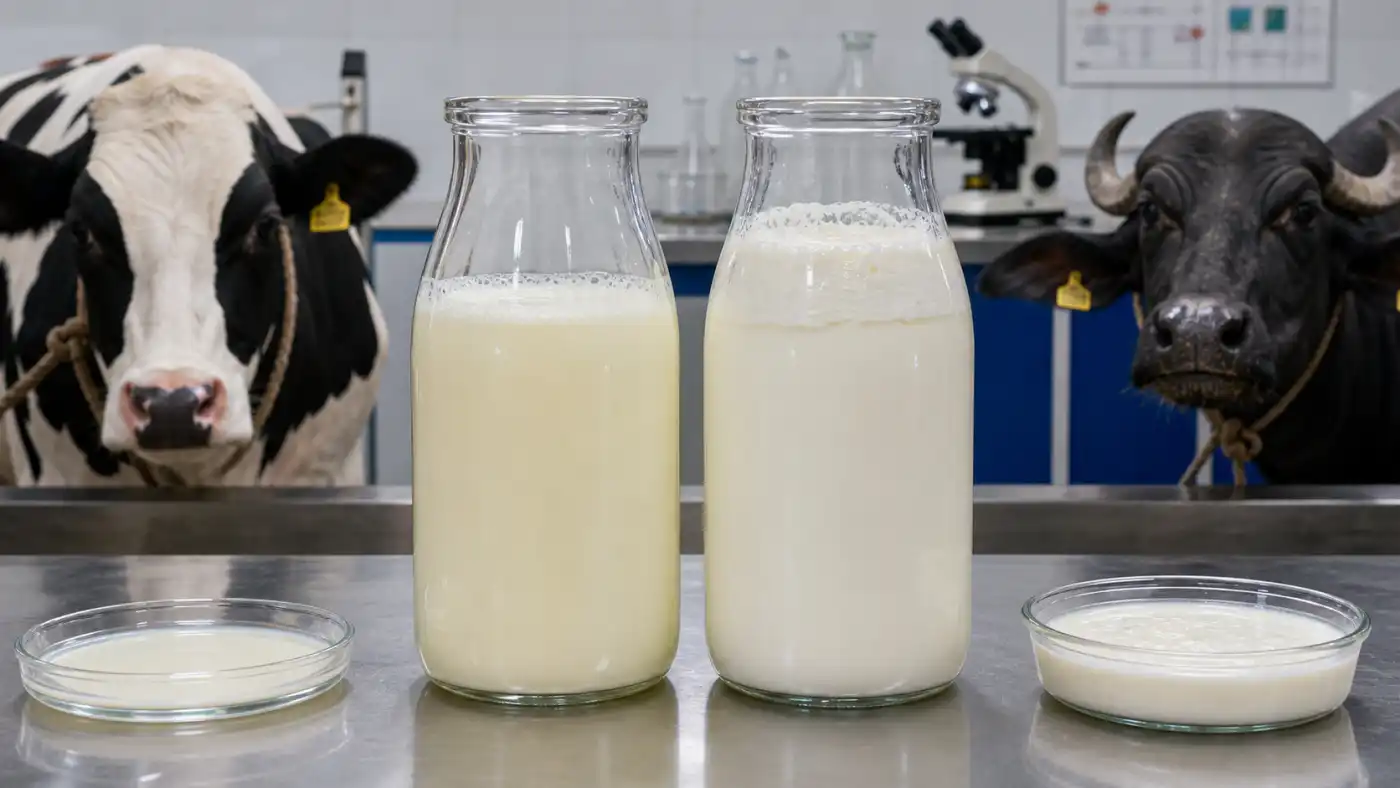
- What this comparison teaches:
- The left bottle shows the faint yellow tint seen more often in cow milk.
- The right bottle appears whiter and creamier, matching the higher fat character of buffalo milk.
Milk Fat
- Milk Fats are the most variable constituent of milk. Fat content can vary significantly depending on breed, stage of lactation, feed, and milking practices. For example, the last drawn milk (strippings) is richest in fat.
- Highly variable constituent of milk: Fat & Lipids.
- Fat is present as micro globules in milk which is known as Trigliceried.
- It is a carrier of the fat - soluble vitamins A, D, E and K. The short chain fatty acids are unique of milk lipids and are digested and absorbed quickly.
- Polyunsaturated fatty acids (PUFA) is of great nutritional importance in Milk.
- Oil in water type of emulsion. In milk, tiny fat globules are dispersed (emulsified) in the watery portion of milk. This is an oil-in-water (O/W) emulsion, where the fat is the dispersed phase and water is the continuous phase.
Viscosity
- Viscosity of the whole milk at 25°C is about 2.0 cP. Viscosity (thickness) of milk is about twice that of water. It is influenced by fat content, protein concentration, and temperature.
- Whole milk possesses highest viscosity (2.0 centipoise) while Whey possesses lowest viscosity (1.2 centipoise).
- Skim milk possesses medium viscosity (1.5 centipoise).
- Average viscosity of milk: 1.2-2.0 centipoise.
Specific Gravity
- Specific gravity of milk: 1.030 (1.028-1.032).
- Lactometer is generally used to detect specific gravity of milk. Water adulteration in milk can be detected by lactometer. (Asked in AFO-2022)
- Specific gravity = CLR (Corrected Lactometer reading) / 1000 + 1
- CLR = OLR (Original Lactometer reading) - 0.1
Freezing and Boiling Points
- The freezing points of cow and buffalo milk vary from -0.512 to -0.572 °C and from -0.521 to -0.572 °C respectively. The freezing point of milk is lower than water due to the dissolved solids (lactose and minerals). This property is used to detect water adulteration -- added water raises the freezing point towards 0°C.
- Freezing Point: -0.55°C
- The boiling point of milk is 100.17°C. Milk boils at a slightly higher temperature than water due to the dissolved solids, a property known as boiling point elevation.
- Refractive index of milk: 1.3440 to 1.3480 at 20°C.
Acidity and pH
- Freshly drawn milk has pH value in the range of 6.5 to 6.7 (slightly acidic). Normal milk is slightly acidic, not neutral or alkaline. The mild acidity is due to dissolved carbon dioxide, citrates, phosphates, and casein.
- Acidity of milk: 0.12-0.16%.
- pH of Blood and Milk fever: 7.4
- pH of casein: 4.6
- pH of silage: 3.5-4.2
Water
- Fresh milk contains 84-87% water. Water is the largest single component of milk, serving as the solvent in which all other milk constituents are dissolved, suspended, or emulsified.
IMPORTANT
SNF (Solids-Not-Fat) — Exam Definition: SNF = Total Solids − Fat. It includes protein, lactose, and minerals (everything in milk except water and fat).
| Component | Included in SNF? |
|---|---|
| Protein (Casein + Whey) | Yes |
| Lactose (milk sugar) | Yes |
| Minerals (ash) | Yes |
| Fat | No (excluded) |
| Water | No (excluded) |
SNF is commercially important because it determines the nutritional density of milk independent of fat. Higher SNF = better milk quality for manufacturing products like curd, cheese, and milk powder. Minimum SNF requirements are set by FSSAI to prevent adulteration with water (which dilutes SNF). (Source: FSSAI Food Safety and Standards Regulations)
Recknagel Phenomenon
- Recknagel observed that the density or specific gravity of milk as soon as milking is lower than the same milk held for long periods of time, especially of milk under cold storage. Such phenomenon is known as Recknagel phenomenon.
Bacterial Fermentation in Milk
| Process | Organism |
|---|---|
| Bacterial fermentation of carbohydrate | Streptococcus lactis |
| Bacterial fermentation of protein | Bacillus subtilis |
| Bacterial formation of fat | Pseudomonas fragi |
| Conversion of milk into curd (dahi/yogurt) | Streptococcus thermophilus (paired with Lactobacillus delbrueckii subsp. bulgaricus) |
- Curdling without pronounced acid production is known as sweet curdling. It is done by Bacillus mycoides & Bacillus cereus.
Milk Purity Test
Maintaining milk purity is essential for consumer health and market confidence. Several tests are used to detect common adulterants:
Detection of Water
- Water is a most common adulterant, and its presence can be detected by testing the freezing point of milk. The official method of AOAC assumes a freezing point for normal milk of -0.550 degree C. If the freezing point is closer to 0°C than -0.550°C, it indicates water adulteration.
- The presence of water can also be checked by the use of lactometer. A lactometer measures the specific gravity (density) of milk. Normal whole milk has a specific gravity of about 1.028-1.032. Added water reduces the specific gravity below this range.

Detection of Starch

Starch is sometimes added to milk as an adulterant to increase its apparent thickness and solid content.
- Place in a test tube about 3ml of well-mixed sample.
- Boil it by holding the tube over a flame.
- Allow cooling to room temperature.
- Add a drop of 1% iodine solution.
- Presence of starch is indicated by the appearance of a blue colour that disappears when the sample is boiled and reappears on cooling, The iodine-starch reaction produces a characteristic blue-black colour and is one of the simplest and most reliable tests for detecting starch adulteration.
Detection of Buffalo milk in Cow milk
 - The presence of buffalo milk in cow milk can be detected by Hansa test, which is based on **immunological assay**. The **Hansa test** uses the principle of **antigen-antibody reaction** to detect species-specific milk proteins.
- A drop of supected milk after dilution with water (1:4) is treated with a drop of **antiserum** obtained by injecting buffalo milk proteins into rabbits.
- The characteristic *precipitation* reaction indicates the presence of buffalo milk. The visible **precipitate** (white cloudiness) forms when the buffalo milk proteins (antigens) react with the anti-buffalo antibodies in the rabbit serum.
- The presence of buffalo milk in cow milk can be detected by Hansa test, which is based on **immunological assay**. The **Hansa test** uses the principle of **antigen-antibody reaction** to detect species-specific milk proteins.
- A drop of supected milk after dilution with water (1:4) is treated with a drop of **antiserum** obtained by injecting buffalo milk proteins into rabbits.
- The characteristic *precipitation* reaction indicates the presence of buffalo milk. The visible **precipitate** (white cloudiness) forms when the buffalo milk proteins (antigens) react with the anti-buffalo antibodies in the rabbit serum.
Quality Assessment of Raw Milk
Complete Quality Tests for Milk
| Test | Purpose |
|---|---|
| 1. C.O.B. Test (Clot-on-Boiling) | Indicates suitability of milk for pasteurization. 5-15 ml milk boiled; flakes or clots indicate high developed acidity. |
| 2. Alcohol Test | To detect milk acidity |
| 3. Fat Test | Done by butyrometer (centrifugal force). Methods: Gerber's method and Babcock's method |
| 4. Hansa Test | To detect adulteration of cow milk with buffalo milk |
| 5. Iodine Test | To detect starch content in milk |
| 6. Nitrate Test | To detect rain water content in milk |
| 7. Mested Solution Test | To detect mastitis disease |
| 8. Alkaline Phosphatase Test | To indicate whether milk has been adequately pasteurised (AFO Mains 2022) |
| 9. MBRT (Methylene Blue Dye Reduction Test) | To assess microbiological quality of raw and pasteurized milk |
| 10. Resazurin Reduction Test (RRT) | Similar to MBRT; measures colour intensity at a fixed period |
| 11. California Mastitis Test (CMT) | Detects sub-clinical mastitis; reagent reacts with leukocyte DNA to form gel; Positive = gel formation, indicates elevated Somatic Cell Count (SCC) |
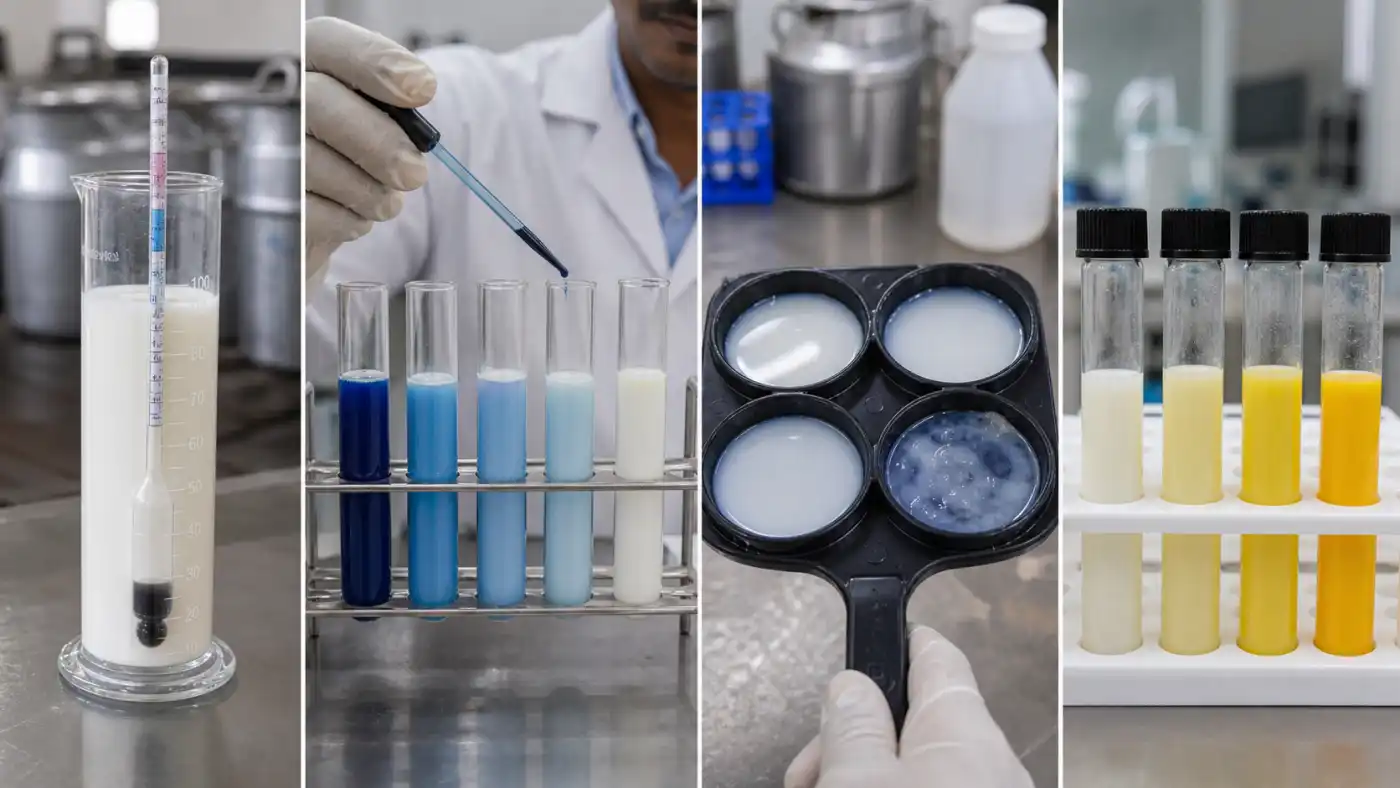
- How to read the test sequence:
- Lactometer: lower density suggests water adulteration.
- MBRT tubes: faster loss of blue colour means higher microbial load.
- CMT paddle: gel formation points to sub-clinical mastitis.
- ALP tubes: stronger yellow colour indicates residual enzyme activity.
Alkaline Phosphatase (ALP) Test
- Alkaline Phosphatase (ALP) is an enzyme naturally present in all raw milks, which is used as an indicator of proper milk pasteurization. ALP is a heat-sensitive enzyme that is destroyed at the same temperature-time combination used for pasteurisation, making it an ideal marker.
- Complete pasteurization will inactivate the enzyme.
- The test can also indicate if milk has been contaminated with raw milk after pasteurization.
- The Alkaline Phosphatase test can be utilized to identify whether milk has been properly pasteurized or if it was affected by raw milk following pasteurization.
- This test is based on the principle that the alkaline phosphatase enzyme in raw milk liberates phenol from a disodium para-nitro phenyl phosphate and forms a yellow coloured complex at alkaline pH. The intensity of yellow colour produced is proportional to the activity of the enzyme. (AFO Mains 2022)

MBRT (Methylene Blue Dye Reduction Test)
- MBRT is a quick method to assess the microbiological quality of raw and pasteurized milk.
- Based on the fact that the blue colour of the dye solution added to the milk gets decolourized when the oxygen present in the milk gets exhausted due to microbial activity. The sooner the decolourization, more inferior is the bacteriological quality of milk.
IMPORTANT
Grading of Milk based on MBRT (BIS Standard):
| MBR Time (hours) | Quality of Raw Milk |
|---|---|
| 5 and above | Very Good |
| 3 and 4 | Good |
| 1 and 2 | Fair |
| 1/2 and below | Poor |
California Mastitis Test (CMT)
- CMT is a rapid, cow-side test used to detect sub-clinical mastitis (mastitis with no visible symptoms).
- The CMT reagent (a detergent solution) reacts with the DNA of leukocytes (white blood cells) present in infected milk to form a gel.
- Interpretation: Positive result = gel formation, indicating elevated Somatic Cell Count (SCC), a sign of udder infection.
- Negative result = no gel; the mixture remains liquid.
- Sub-clinical mastitis causes significant economic losses through reduced milk yield and quality without obvious clinical signs — CMT enables early detection and treatment.
IMPORTANT
CMT detects sub-clinical mastitis (no visible symptoms). A positive CMT (gel formation) = elevated SCC = infection present. This is frequently asked in IBPS AFO and NABARD exams.
FSSAI / PFA Milk Standards
IMPORTANT
FSSAI Milk Standards (Fat & SNF Requirements) — Critical for IBPS AFO / NABARD exams:
| Type of Milk | Min. Fat (%) | Min. SNF (%) |
|---|---|---|
| Full cream cow milk | 3.5% | 8.5% |
| Full cream buffalo milk | 6.0% | 9.0% |
| Standardised milk | 4.5% | 8.5% |
| Toned milk | 3.0% | 8.5% |
| Double toned milk | 1.5% | 9.0% |
| Skimmed milk | max 0.5% | 8.7% |
(Source: FSSAI Food Safety and Standards (Food Products Standards and Food Additives) Regulations)
SNF = Solids-Not-Fat (all milk solids except fat: protein, lactose, minerals). Double toned milk has higher SNF than toned milk despite lower fat — a common exam trap.
Grading of Milk at Chilling Centre
| Criteria | Score |
|---|---|
| Smell/Flavour | 45 |
| MBR test | 35 |
| Sediment | 10 |
| Cleanliness of Container/Closure | 5 |
| Temperature | 5°C |
Principles of Milking
- Milking is defined as the critical and laborious process which involves hormonal reflex. The art of milking performed within 5-8 minutes. Milking depends on the neuro-hormonal reflex of oxytocin release, which lasts only about 5-8 minutes. This is why milking must be completed quickly and efficiently.
- Normally milking is done twice a day.
- The cattle and buffaloes are exclusively maintained for milk production.
- If the calf is allowed to suckle the complete quantity of milk it leads to digestive disturbances, enteritis, etc., usually milk is fed to calves depending upon the body weight of the calf the rate of 1/10th of the body weight during first week and 1/15th the body weight during the second week.
- Though milking is a laborious process, under present circumstances new innovation has been made to extract the milk from the udder. They are knonwn as Mechanical milkers or milking machines.
- The pulsation and intermittent vacuum and pressure are basic concepts of the milking machines. The machine alternates between applying vacuum (to draw milk out) and atmospheric pressure (to allow blood circulation in the teat), mimicking the natural suckling action of a calf.
- The advantages of the milking machines are that a large quantity of milk can be harvested in a shorter duration with the help of unskilled personnel.
- The major portion of the work of a dairy man is from milking to disposal of the milk. Nearly 65% of the time is to be devoted for the management in connection with milking and marketing of milk.
Principles of Milking: 3
- Natural Technique (Calf Suckling)
- Manual Technique (Hand Milking)
- Mechanical Technique (Machine Milking)
Natural Technique
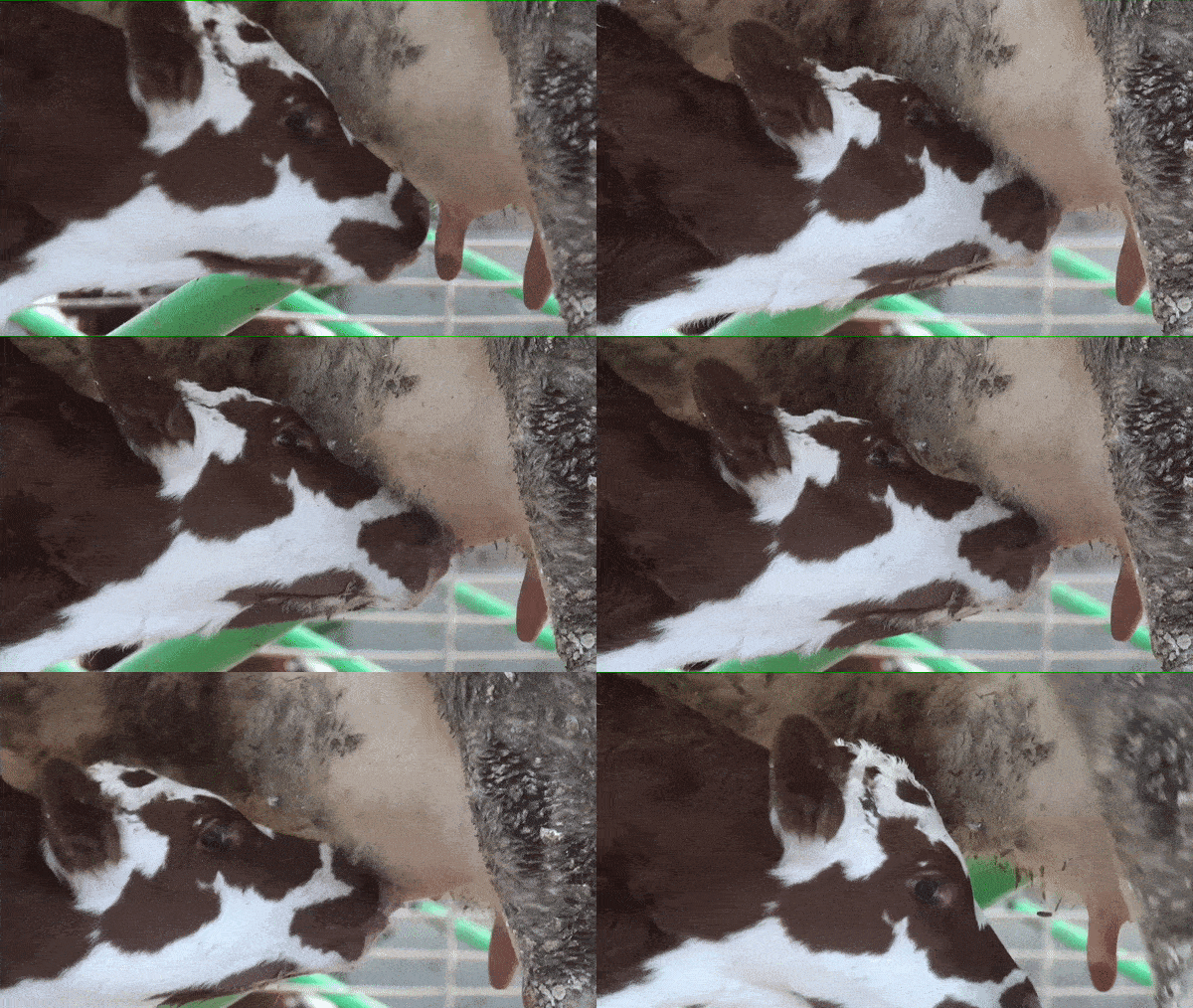 - This method calf is able to draw the milk from the udder. To extract the milk the calf presses the teat with the tongue and pallet on the other side.
- The tongue encircles the teat and vacuum is created in the mouth by separating the jaws and retracting the tongue nearly 100 - 200 alternating cycles may be observed per minute. A calf's suckling is the best method of evacuating the milk with least damage to the delicate tissue of mammary glands. The calf's natural suckling action is the gentlest method of milk removal because it perfectly balances **vacuum** and **pressure** without causing tissue damage.
- The art of milking is a cycle 1. Active Phase 2. Restive Phase
- This method calf is able to draw the milk from the udder. To extract the milk the calf presses the teat with the tongue and pallet on the other side.
- The tongue encircles the teat and vacuum is created in the mouth by separating the jaws and retracting the tongue nearly 100 - 200 alternating cycles may be observed per minute. A calf's suckling is the best method of evacuating the milk with least damage to the delicate tissue of mammary glands. The calf's natural suckling action is the gentlest method of milk removal because it perfectly balances **vacuum** and **pressure** without causing tissue damage.
- The art of milking is a cycle 1. Active Phase 2. Restive Phase
I. Active Phase
- Creation of vacuum in the teat canal.
- Pressure is applied over the teat canal.
- The base of the teat is apparently occluded with the help of the tip of the tongue with the idea to prevent the back flow of the milk into the gland cistern when the pressure is applied which is followed by restive phase. The occlusion (blocking) of the teat base prevents milk from flowing back up into the udder, ensuring efficient extraction.
2. Restive Phase
- At this stage 20 mm Hg pressure is created at the teat end in the phase both active and restive phase are alternated and it has been scientifically proved that the amount of pressure applied over the teat canal:
- By calf is 535 mm Hg
- Hand milking is 310 mm of Hg
- Mechanical milking is in the range of 350 mm - 400mm Hg
- In the case of buffalos 400mm of Hg of pressure is applied but in the case of cattle it can be restricted to 360-380mm of Hg. Buffaloes require higher milking pressure than cattle because their teats are typically larger and the teat canal offers more resistance to milk flow.
- It has been proved that cycling rate during nursing is twice as fast as hand or machine milking.
- Thus the difference along with increased cycling rate facilitates and explains the removal of milk from the udder at a faster rate by a calf when compared to hand or machine milking.
Hand milking
- It is commonly practiced in the harvesting of milk. In order of milking of various teats also differ.
- Strip Cup:
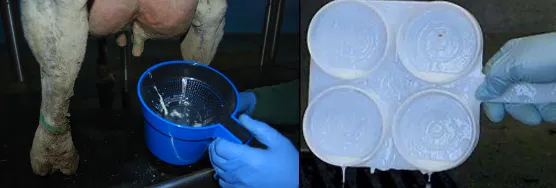 - It is a device with four circular plates for each quarter which has the quantity of milk normally first few strip of milk are drawn in the respective circles to assess the physiological status of the udder. The **strip cup test** is a simple but important practice for early detection of **mastitis**. Abnormal milk (clots, discolouration, wateriness) in any quarter signals infection.
- If there is any change in color, consistency appearance, etc., the milk should be drawn at the end so as to prevent spreading the disease from one quarter to other.
- It is a device with four circular plates for each quarter which has the quantity of milk normally first few strip of milk are drawn in the respective circles to assess the physiological status of the udder. The **strip cup test** is a simple but important practice for early detection of **mastitis**. Abnormal milk (clots, discolouration, wateriness) in any quarter signals infection.
- If there is any change in color, consistency appearance, etc., the milk should be drawn at the end so as to prevent spreading the disease from one quarter to other.
- Prevention of Kicking of the cow:
- Application of milk man's rope
- Anti-cow kicker
Methods of Manual Milking
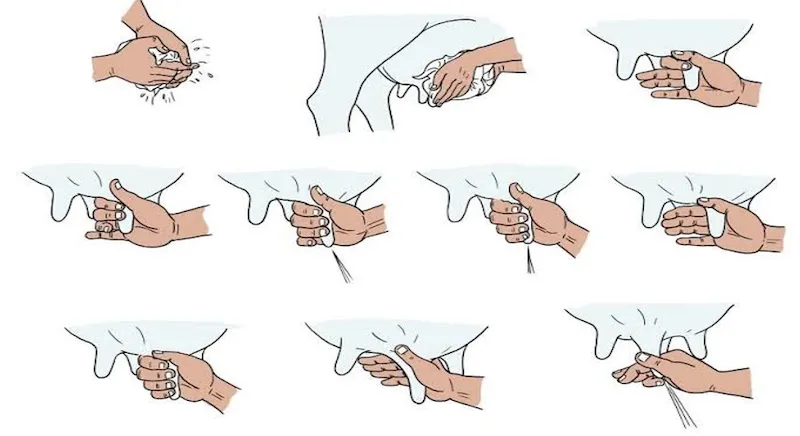
- Fisting (Full hand method)
- Knuckling
- Stripping
Fisting (Full Hand Method)
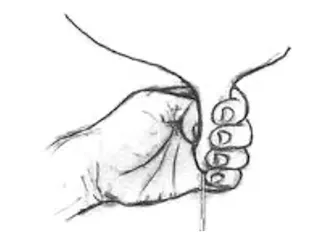
- In this method the whole teat is held first with the thumb and the index finger encircling the base of the teat.
- The base of the teat is closed by the ring formed by the finger, so that the milk that is trapped in the teat canal cannot slip back into the gland cistern.
- Simultaneously the teat is squeezed between the hollow of the palm and with the middle, ring and index finger. The process is repeated in succession.
- In this method teats are grasped with all the five fingers and pressed them against the palm. Therefore this method is known as full hand method.
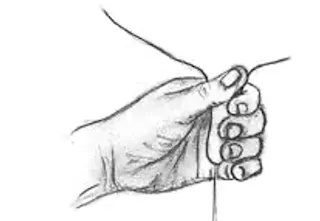
- It is the best method of hand milking because is causes lest damage to teats. Fisting is the recommended method because the even pressure distribution across all five fingers minimises teat injury and reduces the risk of mastitis.
TIP
Fisting (Full Hand Method) is the best method of hand milking. The technique involves encircling the teat base with thumb and index finger to prevent backflow, then squeezing with all five fingers. It causes the least damage to teats compared to other hand milking methods.
Knucking Method
- Many milkers tend to bend their thumb against the teat canal and drag the milk out.
- This practice should be avoided as it is injurious to the teat though most of the milkmen follow knuckling method. Knuckling concentrates excessive pressure on a small area of the teat, which can cause tissue damage, teat canal injury, and increase susceptibility to mastitis.
Stripping
- This method is followed where the length of the teat is small; it is normally practiced towards the end of milking in order to evacuate the milk completely.
- The teat is held between the thumb and forefinger and pulled downward, sliding the fingers along the teat to strip out the milk. This method is used when teats are too short for the full hand method.
- The last drawn milk is called stripping which is rich in fat content. The strippings (last milk drawn from the udder) contain the highest concentration of fat, often 2-3 times higher than the first milk drawn. Complete milking ensures maximum fat recovery.
- The process of stripping should be done in quick succession otherwise the animal will become stripper where the letting down of milk is delayed.
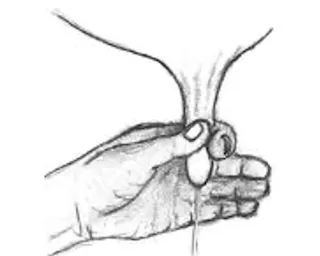
Recommended is full hand method followed by stripping.
Dry and Wet type of Hand Milking
- In most of the place wet milking is practiced. The milkman moistens the hand with certain type of emollients like castor oil, or few strips of milk or even their own saliva.
- This should be avoided for the sake of cleanliness. If wet milking is practiced, the teats will look harsh and there is every possibility of development of cracks. Both the hands can be used for milking in continuous milking. Dry milking (milking with clean, dry hands) is preferred as it is more hygienic and does not introduce contaminants into the milk.
Frequency of Milking
- It depends upon quantity of milk yield. Under normal circumstances the quantity of milk is less than 10 litres/day two times milking is followed when more than 10 litres three times milking is followed. It has been observed and proved that three times milking improves milking 10-15%. The improvement with three-times milking occurs because more frequent removal of milk from the udder reduces the intramammary pressure that naturally builds up and slows milk secretion.
- The factors that are to be considered during milking:
- Avoid excitement of the animal during and prior to milking. If the animal is excited then there is release of adrenaline and it will cause vasoconstriction.
- Prepare and collect all the milking equipments prior to milking.
- Milking operation should be continuous one. As far as possible exact time of milking is to be followed.
- Prepare the cow for milking.
- Complete the milking within 5-7 minutes. This time limit corresponds to the duration of the oxytocin-mediated milk let-down reflex.
- Use both hands for milking.
- Use correct method and type of milking.
- Weaned animals should not be milked with the calves nearby.
- Provide concentrate mixture at the time of milking. Offering concentrates during milking keeps the cow calm and distracted, facilitating complete milk let-down.
- Remove the first few stripping for any possible abnormalities of milk.
- Group the animals 2 hours prior to milking.
- More than one milkman should milk a cow during the lactation so that any change in milkman will not affect / cause any problem in milking especially in the letting down process of lactating animals.
Machine Milking
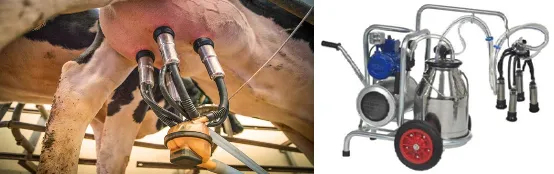
- A calf and the machine do the harvesting of milk in a similar fashion. The function of the tongue, dental pallet and jaw movement of the calf is done by the inflation tube, pulsator and vacuum pump. Milk removal is largely dependent upon the differential pressure across the teat canal. The three key components of a milking machine are: the inflation tube (rubber liner that surrounds the teat), the pulsator (alternates vacuum and atmospheric pressure), and the vacuum pump (creates the suction force).
- The total differential pressure created by the milking machine is approximately 352 mmHg in the case of cattle and 400 mm Hg in the case of buffaloes. The pressure facilitates the expulsion of milk from the canal.
- It can extract 1.5 to 2 liter milk per minute.
- One or two animals can be milked simultaneously and the maximum of eight animals can be milked at a time.
- One milking machine for - 10 animals yielding 10 litres / day will be economical to maintain. This is the general thumb rule for economic viability of investing in milking machines.
Explore More 🔭
🟢 https://www.youtube.com/watch?v=vAoZFuoKkDI
Merits
- Easy method of extracting milk.
- Does not require any skill.
- Keeping quality of milk is high. Machine milking reduces human contact with milk, resulting in lower bacterial contamination and better keeping quality.
- Chances of spreading of disease of the milk man to udder through milk are negligible.
- Time consumed is less.
Demerits
- Cost is high. The initial capital investment for milking machines, installation, and maintenance is substantial.
- Electricity is essential. Milking machines depend on a reliable electricity supply to power the vacuum pump, which can be a limitation in rural areas with unreliable power.
Clean Milk Production
Clean milk production is the practice of producing milk that is free from dirt, bacteria, and adulterants from the point of milking to the point of consumption.
- Both pre and post-secretory management of milk at the farm level should be focused upon for controlling the quality of milk.
- The post-secretory changes in milk are of paramount importance. Some of the vital factors responsible for good milk production that deserve immediate attention are type of farming, type of milk, impact on environment, farm waste disposal facilities, milking practices, procurement systems and inconsistent price policy and farmers' education/training programmes.
- Milk once secreted becomes the target for transformation by a variety of host organisms at the farm itself. Hence, proper care must be taken regarding preservation of milk, protection of milk constituents, protection against high temperatures and natural calamity. Bacteria in milk can double their numbers every 20-30 minutes at warm temperatures, making rapid cooling after milking essential.
- Strict protocols are to be observed and implemented both in hand and machine milking. The microbiological quality deserves special attention for stringent export requirements for milk products in global market. The custodian of milk should never compromise on quality.
- Advantages of Clean milk production
- Protects the health of calves.
- Protects the health of consumers especially infants, growing children and aged people.
- The cleaner the milk longer in its keeping quality and flavor.
- Consumer will demand milk when confidence is developed on its wholesomeness.
- Sour and off flavored milk - not readily marketable.
Milk Chilling Equipment
- Surface cooler: (Direct expansion type, ice bank, and brine) -- for handling up to 5,000 litres of milk.
- Plate cooler: Suitable for handling more than 30,000 litres of milk.
Rural milk collection
- Milk is cooled to 4°C at primary chilling center before transporting to the milk plant. Rapid cooling to 4°C is critical because it dramatically slows bacterial growth, preserving milk quality during transportation. Milk can be stored for 10-12 hours at this temperature.
- Care should be exercised to bring the milk for chilling/processing within 3 hours of milking otherwise serious deterioration of milk takes place, which affects the quality of products. This 3-hour window is the maximum safe time for milk to remain at ambient temperature before bacterial counts begin to rise unacceptably.
- Milk may be collected from individual procedures either by the contractor or by forming village level cooperative societies. The cooperative model (pioneered by Amul under Operation Flood) has been tremendously successful in India, empowering millions of small dairy farmers by providing organised milk collection, fair pricing, and market access.

- Follow the workflow left to right:
- Farm collection: clean cans reduce dirt and early contamination.
- Village testing and weighing: milk is checked before pooling.
- Chilling tank: rapid cooling toward 4°C slows bacterial growth.
- Transport vehicle: chilled milk moves to the dairy plant with less quality loss.
Summary Cheat Sheet
India Milk Statistics (2024-25)
| Parameter | Value |
|---|---|
| Total milk production | ~239–250 million tonnes |
| India's global share | ~24.76% (nearly 25%) |
| India's rank | 1st in world |
| Per capita availability | ~490 g/day |
| CAGR of production | ~5.62% |
| Highest milk-producing state | Uttar Pradesh |
Milk Composition Quick Reference
| Constituent | Range |
|---|---|
| Water | 84–87% |
| Fat (cow) | 4.14% avg |
| Fat (buffalo) | 7.38% avg |
| Fat (sheep) | 7.90% avg (highest average) |
| Protein (casein) | 80% of total protein |
| Lactose | 4.5–4.8% |
| Minerals | ~0.76% |
| Highest lactose (breed) | Sahiwal cow (5.04%) |
FSSAI Milk Standards
| Type | Min. Fat | Min. SNF |
|---|---|---|
| Full cream cow milk | 3.5% | 8.5% |
| Full cream buffalo milk | 6.0% | 9.0% |
| Standardised milk | 4.5% | 8.5% |
| Toned milk | 3.0% | 8.5% |
| Double toned milk | 1.5% | 9.0% |
| Skimmed milk | max 0.5% | 8.7% |
Key Physical Properties
| Property | Value |
|---|---|
| pH (fresh milk) | 6.5–6.7 |
| Specific gravity | 1.028–1.032 |
| Freezing point | –0.55°C |
| Boiling point | 100.17°C |
| Acidity | 0.12–0.16% |
Key Exam Points
- Milk is a poor source of Iron and Vitamin C — called "Incomplete food"
- Casein protein = 80%; does not coagulate on heating
- Fat is the most variable constituent; Lactose is the least variable
- Lactation peak: 4–8 weeks post-calving
- Best hand milking method: Fisting (Full hand method)
- ALP test: indicator of proper pasteurisation
- CMT: detects sub-clinical mastitis (gel = positive)
- MBRT ≥5 hrs = Very Good quality milk
- Bhadawari buffalo: up to 13% fat (maximum recorded; average ~8%)
- Dahi/yogurt starter: Streptococcus thermophilus + Lactobacillus delbrueckii subsp. bulgaricus
References
3 sources • [1] [2] [3]
References
Lesson Doubts
Ask questions, get expert answers