🌏History of Entomology
Timeline of entomological milestones from Linnaeus to modern India, key scientists and their contributions, and important research institutes shaping agricultural pest management
Every year, Indian farmers lose crores of rupees to insect pests — from the desert locust swarms that devastated Rajasthan in 2020 to the persistent threat of bollworm in cotton. The science that helps us understand, identify, and manage these pests is entomology. Knowing its history is not just academic curiosity — it tells us how India built the institutions and laws that protect our crops today.
This lesson covers:
- What entomology is — definition, etymology, and branches of applied entomology
- Timeline of entomology in India — from Linnaeus (1758) through institutional growth to modern legislation
- Key scientists and their contributions — the “Fathers” of entomology and agricultural entomology
- Important research institutes — IARI, ZSI, NBAIR, DPPQ&S, and others
All sections are high-yield for IBPS AFO, FCI, and ICAR exams.
What Is Entomology?
- Greek origin: Entomo (insect, literally “cut into sections”) + Logos (study or discourse).
Entomology is the branch of zoology that deals with the scientific study of insects — their biology, ecology, behaviour, classification, and relationship with humans, other organisms, and the environment.
- A person who studies entomology is called an entomologist.
- Entomology is crucial for agriculture because insects can be both beneficial (pollinators, natural enemies of pests) and harmful (crop pests, disease vectors).
Branches of Applied Entomology
Entomology is not a single discipline — it branches into several specialised fields, each applying insect science to a different sector. For agricultural exams, Agricultural Entomology is the most relevant, but questions on other branches appear regularly.
| Branch | Focus Area | Example Application |
|---|---|---|
| Agricultural Entomology | Insect pests of crops; beneficial insects | Managing bollworm in cotton, using ladybird beetles as biocontrol |
| Forest Entomology | Insects affecting trees and timber | Protecting teak from defoliators |
| Forensic Entomology | Insects on decomposing remains | Determining time and circumstances of death using insect succession |
| Veterinary Entomology | Ectoparasites of livestock | Controlling ticks and flies on cattle |
| Medical Entomology | Insect vectors of human diseases | Managing mosquitoes that transmit malaria, dengue, and filariasis |
Timeline of Entomology in India
Understanding this timeline is essential for exams and for appreciating how modern pest management strategies developed.
Early Foundations (1758—1897)
- 1758:
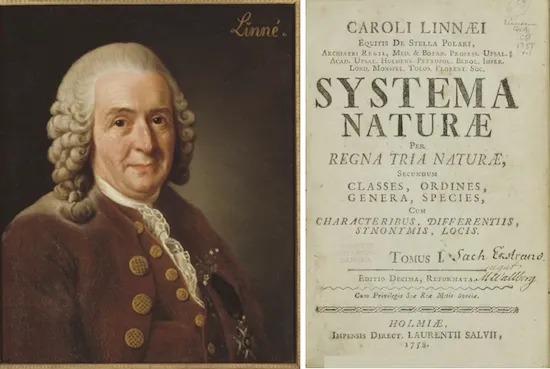
Carl Linnaeuspublished the 10th edition of Systema Naturae, which listed only 12 Indian insects — the earliest scientific record. He is the Father of Binomial Nomenclature.
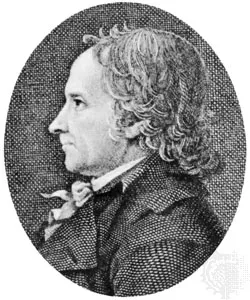
J.C. Fabricius, a Danish professor, made the first extensive study of Indian insects. He classified insects into 13 orders based on mouthpart types — a pioneering approach that still influences identification.
- 1767—1779:
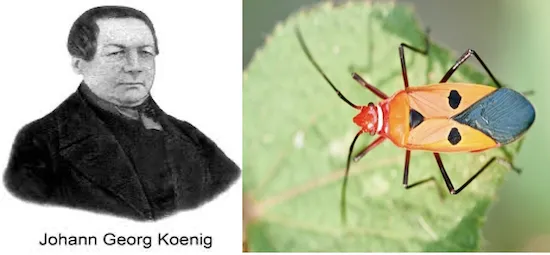
Dr. J.G. Koenig, a Medical Officer, initiated scientific work on Indian insects and published a special account of the termites of Thanjavur District — one of the first scientific studies on termite biology in India.
- 1782:
Dr. Kerrpublished an account of the lac insect (Kerria lacca), economically important as a source of shellac for varnishes and polishes.
- 1815—26:
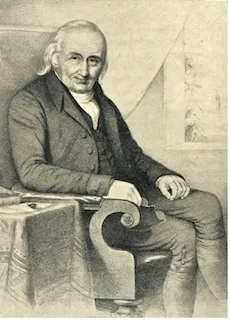
William Kirby(1759—1850, England) published Introduction to Entomology, the first popular entomological work in English. He is known as the Father of Entomology and Founder of Modern Entomology. He helped found the Royal Entomological Society in London in 1833.
- 1875: Foundation of the Indian Museum at Calcutta — a major centre for preserving and cataloguing insect specimens from across the subcontinent.
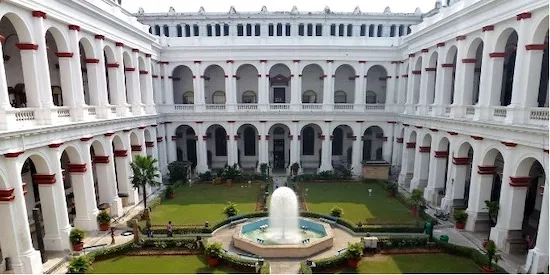
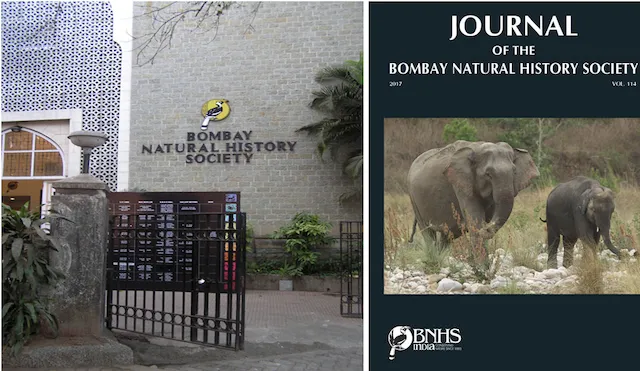
- 1883: Bombay Natural History Society (BNHS) was founded in Bombay. Both institutions promoted systematic entomology by providing platforms for publishing and preserving insect specimens.
- 1892: Hampson issued four volumes on moths of India — a foundational reference for Lepidoptera taxonomy.
- 1893: Rothney published on Indian ants — the earliest record of biological pest control in India (red ants keeping white ants off stationary items). This is one of the first documented cases of using one insect to control another.
- 1897: Bingham issued volumes on Hymenoptera (ants, bees, and wasps).
- 1889: Indian Museum published Indian Museum Notes in five volumes.
The 19th century marks the transition of entomology from purely descriptive taxonomy to applied science aimed at solving real agricultural problems.
Institutional Growth (1901—1938)
- 1901:
Lionel de Nicevillebecame the first entomologist to the Government of India.
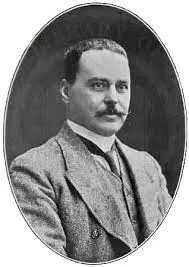
- 1903: Professor
Maxwell Lefroysucceeded Niceville as Government Entomologist and became the first Imperial Entomologist (served until 1912).
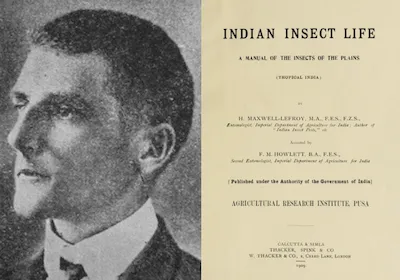
-
1905: Establishment of Imperial Agricultural Research Institute at Pusa (Bihar), later shifted to New Delhi as IARI. Maxwell Lefroy set up the entomology department here. He also published “Indian Insect Pests” and “Indian Insect Life”.
-
State governments began appointing entomologists: Madras (1912), Punjab (1919), and Uttar Pradesh (1922).
- 1912: Plant Quarantine Act enforced in the USA — regulatory measures to prevent spread of invasive pests through trade.
- 1914:
T.B. Fletcher, first Government Entomologist of Madras State, published “Some South Indian Insects”.
- 1914:
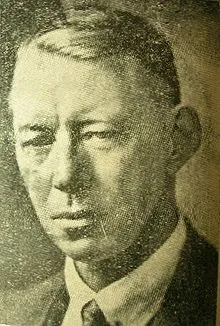
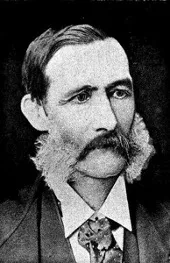
E.P. Stebbing, the first Imperial Forest Entomologist, published “Indian Forest Insects of Economic Importance: Coleoptera”.
- 1916: Imperial Forest Research Institute established at Dehradun (Uttarakhand).
- 1916: The Zoological Survey of India (ZSI) was formed from the Natural History Section of the Indian Museum — the premier institution for faunal survey and research.
- 1921:
Indian Central Cotton Committeeestablished to investigate pests of cotton — a critical commercial crop. - 1925: Indian Lac Research Institute established at Ranchi, Jharkhand (now Indian Institute of Natural Resins and Gums — IINRG).

- 1934—1938:
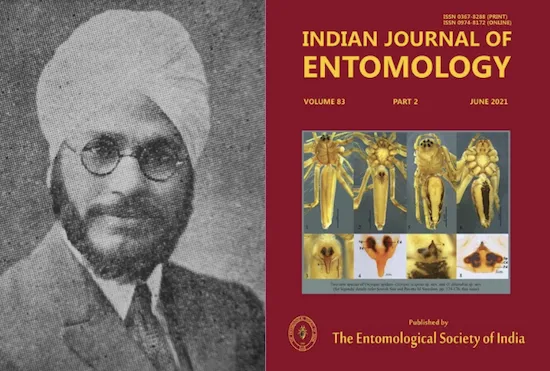
Hem Singh Pruthisucceeded Fletcher as Imperial Entomologist and founded the Entomological Society of India in 1938. He is known as the Father of Agricultural Entomology in India.

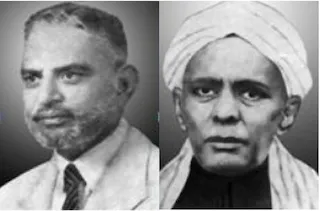
- Afzal Hussain was the first President; Vice-Presidents were Hem Singh Pruthi and T.V. Ramakrishna Ayyar.
- The official publication is the Indian Journal of Entomology.
Modern Developments (1937—1969)
- 1937: A laboratory for storage pests started at Hapur, Uttar Pradesh — critical for food security.
- 1937: Entomology Division started in IARI, New Delhi.
- 1939: Locust Warning Organisation (LWO) established. India has the world’s oldest desert locust control programme (moved to Delhi in 1946).
- 1940: Dr. T.V. Ramakrishna Ayyar published “Handbook of Economic Entomology”.
- 1946: Directorate of Plant Protection, Quarantine & Storage established in Faridabad, Haryana. Headed by the Plant Protection Advisor (PPA) — currently Dr. J.P. Singh.
- 1960: “The Desert Locust in India” monograph by Y.R. Rao.
- 1968: Government of India enacted the Central Insecticide Act, 1968 (came into force on 1st January 1971).
An Act to regulate the import, manufacture, sale, transport, distribution and use of insecticides with a view to prevent risk to human beings or animals.
This Act established the Central Insecticides Board and Registration Committee and remains the primary legislation governing pesticide regulation in India.
- 1968: Dr. M.S. Mani published “General Entomology”.
- 1969: Dr. H.S. Pruthi published “Textbook of Agricultural Entomology”; Dr. Pradhan published “Insect Pests of Crops”; Dr. T.N. Ananthakrishnan published “The monograph on Indian Thysanoptera”.
Important Institutes of Entomology in India
| Year | Institute | Location |
|---|---|---|
| 1905 | Establishment of “Agricultural Research Institute” by Lord Curzon | Pusa, Bihar |
| 1906 | Forest Research Institute (FRI) | Dehradun |
| 1911 | ”Agricultural Research Institute” Pusa renamed as Imperial Agricultural Research Institute | Pusa, Bihar |
| 1914 | Zoological Survey of India | Kolkata |
| 1925 | Indian Lac Research Institute, now known as Indian Institute of Natural Resins and Gums (IINRG) | Ranchi, Jharkhand |
| 1936 | Imperial Agricultural Research Institute, Pusa shifted to New Delhi | New Delhi |
| 1937 | Establishment of Entomology division at IARI | New Delhi |
| 1946 | Directorate of Plant Protection Quarantine and Storage (DPPQ&S) | Faridabad |
| 1946 | National Institute of Plant Health Management (formerly known as Central Plant Protection Training Institute, later National Plant Protection Training Institute) | Hyderabad |
| 1947 | Imperial Agricultural Research Institute, renamed as Indian Agricultural Research Institute | New Delhi |
| 1988 | National Institute of Integrated Pest Management (NIIPM) (started as National Research Centre for Integrated Pest Management — NCIPM) | New Delhi |
| 2009 | National Bureau of Agricultural Insect Resources (NBAIR) (formerly known as Project Directorate on Biological Control) | Bangalore |
Exam Tips and Mnemonics
“Father” titles to remember:
- Father of Binomial Nomenclature — Carl Linnaeus
- Father of Entomology / Founder of Modern Entomology — William Kirby
- Father of Agricultural Entomology (India) — Hem Singh Pruthi
Key dates mnemonic — “1-3-5”:
- 1901 — First entomologist to GoI (Lionel de Niceville)
- 1903 — First Imperial Entomologist (Maxwell Lefroy)
- 1905 — IARI established at Pusa, Bihar
Insecticide Act: “68 enacted, 71 enforced” — remember the 3-year gap.
Summary Cheat Sheet
| Year | Event / Person | Significance |
|---|---|---|
| 1758 | Carl Linnaeus — Systema Naturae 10th ed. | First record of 12 Indian insects; Father of Binomial Nomenclature |
| 1767—79 | Dr. J.G. Koenig | First scientific work on Indian insects; termites of Thanjavur |
| 1782 | Dr. Kerr | Published on lac insect |
| 1815—26 | William Kirby | Father of Entomology; Introduction to Entomology |
| 1833 | Royal Entomological Society | Founded in London by Kirby |
| 1875 | Indian Museum | Founded at Calcutta |
| 1883 | BNHS | Founded at Bombay |
| 1893 | Rothney | Earliest record of biological pest control in India |
| 1901 | Lionel de Niceville | First entomologist to GoI |
| 1903 | Maxwell Lefroy | First Imperial Entomologist to GoI |
| 1905 | IARI | Established at Pusa, Bihar (later New Delhi) |
| 1914 | T.B. Fletcher | Some South Indian Insects; first Govt. Entomologist, Madras |
| 1914 | E.P. Stebbing | First Imperial Forest Entomologist |
| 1916 | ZSI | Zoological Survey of India formed |
| 1925 | ILRI (now IINRG) | Indian Lac Research Institute, Ranchi |
| 1938 | Entomological Society of India | Founded by Hem Singh Pruthi |
| 1939 | LWO | Locust Warning Organisation established |
| 1946 | DPPQ&S | Directorate of Plant Protection, Faridabad |
| 1968/1971 | Central Insecticide Act | Enacted 1968; enforced 1st Jan 1971 |
Explore More
TIP
Next: Lesson 02 introduces Phylum Arthropoda — the enormous animal group to which insects belong — and the characteristics that define it.
References & Sources
- Insecta - Introduction: K.N. Ragumoorithi, V. Balasurbramani & N. Natarajan
- A General Textbook of Entomology (9th edition, 1960) – A.D. Imms (Revised by Professor O.W. Richards and R.G. Davies). Butler & Tanner Ltd., Frome and London.
- The Insects- Structure and Function (4th Edition, 1998) – R.F. Chapman. Cambridge University Press
- Wikipedia
Member Content Locked
Please log in to access this lesson.
Every year, Indian farmers lose crores of rupees to insect pests — from the desert locust swarms that devastated Rajasthan in 2020 to the persistent threat of bollworm in cotton. The science that helps us understand, identify, and manage these pests is entomology. Knowing its history is not just academic curiosity — it tells us how India built the institutions and laws that protect our crops today.
This lesson covers:
- What entomology is — definition, etymology, and branches of applied entomology
- Timeline of entomology in India — from Linnaeus (1758) through institutional growth to modern legislation
- Key scientists and their contributions — the “Fathers” of entomology and agricultural entomology
- Important research institutes — IARI, ZSI, NBAIR, DPPQ&S, and others
All sections are high-yield for IBPS AFO, FCI, and ICAR exams.
What Is Entomology?
- Greek origin: Entomo (insect, literally “cut into sections”) + Logos (study or discourse).
Entomology is the branch of zoology that deals with the scientific study of insects — their biology, ecology, behaviour, classification, and relationship with humans, other organisms, and the environment.
- A person who studies entomology is called an entomologist.
- Entomology is crucial for agriculture because insects can be both beneficial (pollinators, natural enemies of pests) and harmful (crop pests, disease vectors).
Branches of Applied Entomology
Entomology is not a single discipline — it branches into several specialised fields, each applying insect science to a different sector. For agricultural exams, Agricultural Entomology is the most relevant, but questions on other branches appear regularly.
| Branch | Focus Area | Example Application |
|---|---|---|
| Agricultural Entomology | Insect pests of crops; beneficial insects | Managing bollworm in cotton, using ladybird beetles as biocontrol |
| Forest Entomology | Insects affecting trees and timber | Protecting teak from defoliators |
| Forensic Entomology | Insects on decomposing remains | Determining time and circumstances of death using insect succession |
| Veterinary Entomology | Ectoparasites of livestock | Controlling ticks and flies on cattle |
| Medical Entomology | Insect vectors of human diseases | Managing mosquitoes that transmit malaria, dengue, and filariasis |
Timeline of Entomology in India
Understanding this timeline is essential for exams and for appreciating how modern pest management strategies developed.
Early Foundations (1758—1897)
- 1758:
Carl Linnaeuspublished the 10th edition of Systema Naturae, which listed only 12 Indian insects — the earliest scientific record. He is the Father of Binomial Nomenclature.
J.C. Fabricius, a Danish professor, made the first extensive study of Indian insects. He classified insects into 13 orders based on mouthpart types — a pioneering approach that still influences identification.
- 1767—1779:
Dr. J.G. Koenig, a Medical Officer, initiated scientific work on Indian insects and published a special account of the termites of Thanjavur District — one of the first scientific studies on termite biology in India.
- 1782:
Dr. Kerrpublished an account of the lac insect (Kerria lacca), economically important as a source of shellac for varnishes and polishes.
- 1815—26:
William Kirby(1759—1850, England) published Introduction to Entomology, the first popular entomological work in English. He is known as the Father of Entomology and Founder of Modern Entomology. He helped found the Royal Entomological Society in London in 1833.
- 1875: Foundation of the Indian Museum at Calcutta — a major centre for preserving and cataloguing insect specimens from across the subcontinent.
- 1883: Bombay Natural History Society (BNHS) was founded in Bombay. Both institutions promoted systematic entomology by providing platforms for publishing and preserving insect specimens.
- 1892: Hampson issued four volumes on moths of India — a foundational reference for Lepidoptera taxonomy.
- 1893: Rothney published on Indian ants — the earliest record of biological pest control in India (red ants keeping white ants off stationary items). This is one of the first documented cases of using one insect to control another.
- 1897: Bingham issued volumes on Hymenoptera (ants, bees, and wasps).
- 1889: Indian Museum published Indian Museum Notes in five volumes.
The 19th century marks the transition of entomology from purely descriptive taxonomy to applied science aimed at solving real agricultural problems.
Institutional Growth (1901—1938)
- 1901:
Lionel de Nicevillebecame the first entomologist to the Government of India.
- 1903: Professor
Maxwell Lefroysucceeded Niceville as Government Entomologist and became the first Imperial Entomologist (served until 1912).
-
1905: Establishment of Imperial Agricultural Research Institute at Pusa (Bihar), later shifted to New Delhi as IARI. Maxwell Lefroy set up the entomology department here. He also published “Indian Insect Pests” and “Indian Insect Life”.
-
State governments began appointing entomologists: Madras (1912), Punjab (1919), and Uttar Pradesh (1922).
- 1912: Plant Quarantine Act enforced in the USA — regulatory measures to prevent spread of invasive pests through trade.
- 1914:
T.B. Fletcher, first Government Entomologist of Madras State, published “Some South Indian Insects”.
- 1914:
E.P. Stebbing, the first Imperial Forest Entomologist, published “Indian Forest Insects of Economic Importance: Coleoptera”.
- 1916: Imperial Forest Research Institute established at Dehradun (Uttarakhand).
- 1916: The Zoological Survey of India (ZSI) was formed from the Natural History Section of the Indian Museum — the premier institution for faunal survey and research.
- 1921:
Indian Central Cotton Committeeestablished to investigate pests of cotton — a critical commercial crop. - 1925: Indian Lac Research Institute established at Ranchi, Jharkhand (now Indian Institute of Natural Resins and Gums — IINRG).
- 1934—1938:
Hem Singh Pruthisucceeded Fletcher as Imperial Entomologist and founded the Entomological Society of India in 1938. He is known as the Father of Agricultural Entomology in India.
- Afzal Hussain was the first President; Vice-Presidents were Hem Singh Pruthi and T.V. Ramakrishna Ayyar.
- The official publication is the Indian Journal of Entomology.
Modern Developments (1937—1969)
- 1937: A laboratory for storage pests started at Hapur, Uttar Pradesh — critical for food security.
- 1937: Entomology Division started in IARI, New Delhi.
- 1939: Locust Warning Organisation (LWO) established. India has the world’s oldest desert locust control programme (moved to Delhi in 1946).
- 1940: Dr. T.V. Ramakrishna Ayyar published “Handbook of Economic Entomology”.
- 1946: Directorate of Plant Protection, Quarantine & Storage established in Faridabad, Haryana. Headed by the Plant Protection Advisor (PPA) — currently Dr. J.P. Singh.
- 1960: “The Desert Locust in India” monograph by Y.R. Rao.
- 1968: Government of India enacted the Central Insecticide Act, 1968 (came into force on 1st January 1971).
An Act to regulate the import, manufacture, sale, transport, distribution and use of insecticides with a view to prevent risk to human beings or animals.
This Act established the Central Insecticides Board and Registration Committee and remains the primary legislation governing pesticide regulation in India.
- 1968: Dr. M.S. Mani published “General Entomology”.
- 1969: Dr. H.S. Pruthi published “Textbook of Agricultural Entomology”; Dr. Pradhan published “Insect Pests of Crops”; Dr. T.N. Ananthakrishnan published “The monograph on Indian Thysanoptera”.
Important Institutes of Entomology in India
| Year | Institute | Location |
|---|---|---|
| 1905 | Establishment of “Agricultural Research Institute” by Lord Curzon | Pusa, Bihar |
| 1906 | Forest Research Institute (FRI) | Dehradun |
| 1911 | ”Agricultural Research Institute” Pusa renamed as Imperial Agricultural Research Institute | Pusa, Bihar |
| 1914 | Zoological Survey of India | Kolkata |
| 1925 | Indian Lac Research Institute, now known as Indian Institute of Natural Resins and Gums (IINRG) | Ranchi, Jharkhand |
| 1936 | Imperial Agricultural Research Institute, Pusa shifted to New Delhi | New Delhi |
| 1937 | Establishment of Entomology division at IARI | New Delhi |
| 1946 | Directorate of Plant Protection Quarantine and Storage (DPPQ&S) | Faridabad |
| 1946 | National Institute of Plant Health Management (formerly known as Central Plant Protection Training Institute, later National Plant Protection Training Institute) | Hyderabad |
| 1947 | Imperial Agricultural Research Institute, renamed as Indian Agricultural Research Institute | New Delhi |
| 1988 | National Institute of Integrated Pest Management (NIIPM) (started as National Research Centre for Integrated Pest Management — NCIPM) | New Delhi |
| 2009 | National Bureau of Agricultural Insect Resources (NBAIR) (formerly known as Project Directorate on Biological Control) | Bangalore |
Exam Tips and Mnemonics
“Father” titles to remember:
- Father of Binomial Nomenclature — Carl Linnaeus
- Father of Entomology / Founder of Modern Entomology — William Kirby
- Father of Agricultural Entomology (India) — Hem Singh Pruthi
Key dates mnemonic — “1-3-5”:
- 1901 — First entomologist to GoI (Lionel de Niceville)
- 1903 — First Imperial Entomologist (Maxwell Lefroy)
- 1905 — IARI established at Pusa, Bihar
Insecticide Act: “68 enacted, 71 enforced” — remember the 3-year gap.
Summary Cheat Sheet
| Year | Event / Person | Significance |
|---|---|---|
| 1758 | Carl Linnaeus — Systema Naturae 10th ed. | First record of 12 Indian insects; Father of Binomial Nomenclature |
| 1767—79 | Dr. J.G. Koenig | First scientific work on Indian insects; termites of Thanjavur |
| 1782 | Dr. Kerr | Published on lac insect |
| 1815—26 | William Kirby | Father of Entomology; Introduction to Entomology |
| 1833 | Royal Entomological Society | Founded in London by Kirby |
| 1875 | Indian Museum | Founded at Calcutta |
| 1883 | BNHS | Founded at Bombay |
| 1893 | Rothney | Earliest record of biological pest control in India |
| 1901 | Lionel de Niceville | First entomologist to GoI |
| 1903 | Maxwell Lefroy | First Imperial Entomologist to GoI |
| 1905 | IARI | Established at Pusa, Bihar (later New Delhi) |
| 1914 | T.B. Fletcher | Some South Indian Insects; first Govt. Entomologist, Madras |
| 1914 | E.P. Stebbing | First Imperial Forest Entomologist |
| 1916 | ZSI | Zoological Survey of India formed |
| 1925 | ILRI (now IINRG) | Indian Lac Research Institute, Ranchi |
| 1938 | Entomological Society of India | Founded by Hem Singh Pruthi |
| 1939 | LWO | Locust Warning Organisation established |
| 1946 | DPPQ&S | Directorate of Plant Protection, Faridabad |
| 1968/1971 | Central Insecticide Act | Enacted 1968; enforced 1st Jan 1971 |
Explore More
TIP
Next: Lesson 02 introduces Phylum Arthropoda — the enormous animal group to which insects belong — and the characteristics that define it.
References & Sources
- Insecta - Introduction: K.N. Ragumoorithi, V. Balasurbramani & N. Natarajan
- A General Textbook of Entomology (9th edition, 1960) – A.D. Imms (Revised by Professor O.W. Richards and R.G. Davies). Butler & Tanner Ltd., Frome and London.
- The Insects- Structure and Function (4th Edition, 1998) – R.F. Chapman. Cambridge University Press
- Wikipedia
Knowledge Check
Take a dynamically generated quiz based on the material you just read to test your understanding and get personalized feedback.
Lesson Doubts
Ask questions, get expert answers