💉 Livestock Reproduction - Breeding Systems, Artificial Insemination and Estrus Detection
Comprehensive guide to livestock reproduction covering mating systems, breeding methods (inbreeding, crossbreeding, grading up), artificial insemination, semen preservation, estrus detection, pregnancy diagnosis, and reproductive hormones for IBPS AFO and NABARD exams.
Reproduction is the backbone of any livestock enterprise. Understanding mating systems, breeding methods, and reproductive physiology is essential for improving livestock productivity through systematic genetic improvement.
Mating System
- Natural Mating: mating by natural means. In natural mating, the bull and cow are brought together and mating occurs through the animal's own natural instinct.
- Artificial Insemination (AI): mating through artificial means. AI involves collecting semen from a superior bull and depositing it in the female reproductive tract using specialised instruments, eliminating the need for physical contact between the bull and cow.
Breeding Methods for Genetic Improvement
System of breeding
Breeding
- The mating and production of offspring by animals is known as breeding.
- Scientific breeding is needed to get better performance in livestock -- milk -- meat -- wool -- Egg. Scientific breeding applies principles of genetics and selection to systematically improve desirable traits across generations.
Inbreeding
- Mating of closely related animals in the same breed within 4 generations this results in inbreeding. Inbreeding increases the proportion of homozygous gene pairs in the offspring, meaning both copies of each gene are identical. This can concentrate both desirable and undesirable traits.
- Advantage:
- Inbreeding increases the genetic purity. Therefore a pure line of a particular breed can be maintained. Genetic purity means the animals consistently express the desired breed characteristics, which is valuable for maintaining breed standards.
- Disadvantage: Loss of vigour, size, production and fertility problems. (Inbreeding depression). Inbreeding depression occurs because deleterious (harmful) recessive genes that are normally masked become expressed when both copies are identical. This leads to reduced vigour, smaller body size, lower reproductive efficiency, and increased susceptibility to diseases.
- There are two types of inbreeding:
- Close Breeding
- Line Breeding
Close breeding
- This is most intensive breeding where animals are very closely related and can be tracked back to more than one common ancestor. Close breeding represents the most extreme form of inbreeding, with the highest rate of increase in homozygosity.
- Example:
- Sire to daughter/son to dam/brother to sister.
- Sire: The male parent in a cross.
- Dam: The female parent in a cross.
Line breeding
- Mating animals that are more distantly related which can be traced back to one common ancestor. Line breeding is a milder form of inbreeding where the animals share a single outstanding ancestor and the goal is to concentrate that ancestor's superior genes in the progeny.
- Example: Cousins Grandparents to grand offspring, Half - brother to half-sister.
- Line breeding increases genetic purity amongst the animals of progeny generations.
Out Breeding
- Breeding of the unrelated animals which may be between individuals of the same breed but no common ancestors, or between different breeds or different species. Out breeding is the opposite of inbreeding and generally results in offspring with increased vigour and productivity.
- It is of following types:
- Out Crossing
- Cross Breeding
- Species Hybridization
- Grading-up
Out Crossing
- It involves mating between unrelated members of the same breed which have no common ancestors on either side of their pedigree up to 4-6 generations. Out crossing is the simplest form of out breeding and is commonly used to correct specific weaknesses in a herd without introducing genes from another breed.
- The offspring of such a mating is known as an outcross.
Cross Breeding
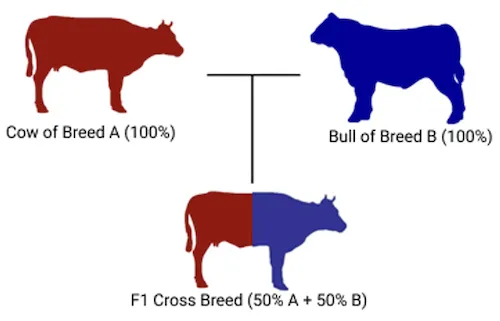
- This is mating of animals from the two different established breeds. Cross breeding is one of the most powerful tools for genetic improvement, combining the strengths of two or more breeds.
- Eg. Jersey x Kangayam, Jersey x Holstein Friesian etc.
- The cross bred animals will exhibit the mixture of qualities of both the parents breeds. The progeny will improve in production performance and will exhibit marked disease resistance characteristics of the native breed and is well adapted to with stand local climatic condition.
- Superior traits that results in the crossbred progeny from crossbreeding are called hybrid vigour or heterosis. Heterosis (hybrid vigour) is the tendency of crossbred offspring to perform better than the average of their parents. It is the opposite of inbreeding depression and is most pronounced for traits related to fitness and reproduction.
- 62.5% exotic blood & 37.5% local blood is considered ideal. This proportion has been found to provide the best balance between the high productivity of exotic breeds and the adaptability and disease resistance of indigenous breeds in Indian conditions.
- Cross breeding is the best method for increasing the milk yield and growth rate in beef cattle.
- All India Coordinated Research Project on cattle resulted in development of synthetic breeds like Karan Swiss, Karan Fries, Frieswal, and Sunandini etc. These synthetic breeds were developed by combining exotic and indigenous germplasm and then breeding the crossbreds among themselves to create a new, stable breed. For example, Karan Fries was developed at NDRI Karnal by crossing Holstein Friesian with Tharparkar.
- It contributed to make India to stand first in milk production in the world. India's position as the world's largest milk producer (over 230 million tonnes annually) is largely attributed to the success of crossbreeding programmes and the White Revolution (Operation Flood).
Criss-Cross Breeding
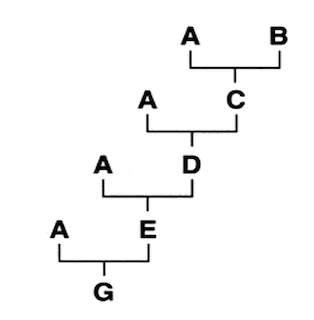
- When two well eshtablised breeds that has been crosses alternatively then it is called Criss-Cross breading. This method maintains a consistent level of heterosis across generations by alternating between two parent breeds.
- When males from the pure breeds are used in alternate generations to breed the cross bred females is known as Rotational Crossing.
- Rotational crossbreeding, sometimes referred to as sequence breeding, is when males of two or more breeds are mated to crossbred females. Over a number of years, each breed will have contributed its strengths and weaknesses equally.
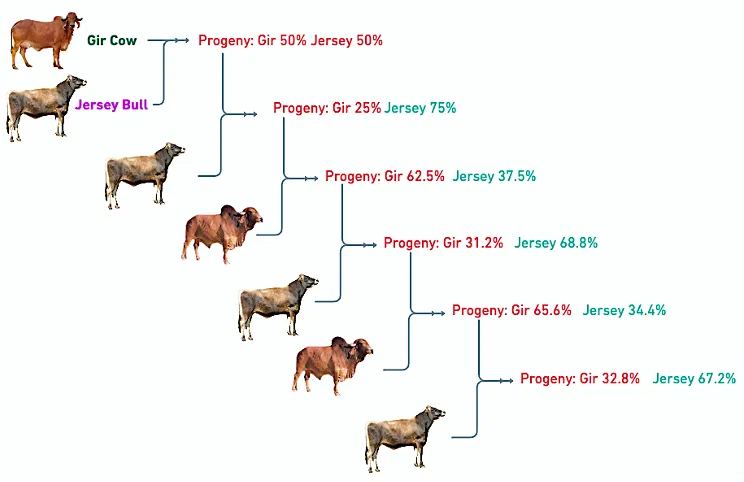
- This rotational crossing could be between two breeds is called crisscrossing and among three breeds is called triple crossing.
- Cross breeding is the system of breeding mostly used for genetic improvement of cattle whereas Grading up is the method used for genetic improvement of the buffaloes. This distinction is important: cattle respond well to crossbreeding with exotic dairy breeds, while buffaloes are genetically improved primarily through grading up with superior indigenous breeds like Murrah.
Grading up
- Grading up is the breeding of animals of two different breeds where the animals of an indigenous breed/generic group is mated by an improved pure breed for several generations towards attaining the superior traits of the improved breed. Grading up is a systematic, long-term breeding strategy where a superior sire breed is used repeatedly on females of an inferior breed or non-descript stock.
- Non-descript cow x Jersey Bull
- F1: 50% ND + 50% Jersey x Jersey Bull
- F2: 25% ND + 75% Jersey x Jersey Bull
- F3: 12.5% ND + 87.5% Jersey x Jersey Bull
- After 5-6 generations the off springs will have 96.9% & 98.3% of the hereditary characters of "Pure Breed". This progressive increase in the proportion of improved breed genes demonstrates how grading up can transform a non-descript population into one that closely resembles the pure breed.
👉🏻 So grading is a process by which a few "Pure Breed" sires can rather quickly transform local variety of animals into a "Group" resembling the pure breed. Note that grading up is a form of out breeding, not crossbreeding. It involves repeated use of sires from a single improved breed on successive generations of crossbred females.
Pro Content Locked
Upgrade to Pro to access this lesson and all other premium content.
₹99 charged monthly · Cancel anytime
- All Agriculture & Banking Courses
- AI Lesson Questions (100/day)
- AI Doubt Solver (50/day)
- Glows & Grows Feedback (30/day)
- AI Section Quiz (20/day)
- 22-Language Translation (100/day)
- Recall Questions (20/day)
- AI Quiz (15/day)
- AI Quiz Paper Analysis (100/day)
- AI Step-by-Step Explanations (100/day)
- Spaced Repetition Recall (FSRS)
- AI Tutor
- Immersive Text Questions
- Audio Lessons — Hindi & English
- Mock Tests & Previous Year Papers
- Summary & Mind Maps
- XP, Levels, Leaderboard & Badges
- Generate New Classrooms
- Voice AI Teacher (AgriDots Live)
- AI Revision Assistant
- Knowledge Gap Analysis
- Interactive Revision (LangGraph)
🔒 Secure via Razorpay · Cancel anytime · No hidden fees
Reproduction is the backbone of any livestock enterprise. Understanding mating systems, breeding methods, and reproductive physiology is essential for improving livestock productivity through systematic genetic improvement.
Mating System
- Natural Mating: mating by natural means. In natural mating, the bull and cow are brought together and mating occurs through the animal's own natural instinct.
- Artificial Insemination (AI): mating through artificial means. AI involves collecting semen from a superior bull and depositing it in the female reproductive tract using specialised instruments, eliminating the need for physical contact between the bull and cow.
Breeding Methods for Genetic Improvement
System of breeding
Breeding
- The mating and production of offspring by animals is known as breeding.
- Scientific breeding is needed to get better performance in livestock -- milk -- meat -- wool -- Egg. Scientific breeding applies principles of genetics and selection to systematically improve desirable traits across generations.
Inbreeding
- Mating of closely related animals in the same breed within 4 generations this results in inbreeding. Inbreeding increases the proportion of homozygous gene pairs in the offspring, meaning both copies of each gene are identical. This can concentrate both desirable and undesirable traits.
- Advantage:
- Inbreeding increases the genetic purity. Therefore a pure line of a particular breed can be maintained. Genetic purity means the animals consistently express the desired breed characteristics, which is valuable for maintaining breed standards.
- Disadvantage: Loss of vigour, size, production and fertility problems. (Inbreeding depression). Inbreeding depression occurs because deleterious (harmful) recessive genes that are normally masked become expressed when both copies are identical. This leads to reduced vigour, smaller body size, lower reproductive efficiency, and increased susceptibility to diseases.
- There are two types of inbreeding:
- Close Breeding
- Line Breeding
Close breeding
- This is most intensive breeding where animals are very closely related and can be tracked back to more than one common ancestor. Close breeding represents the most extreme form of inbreeding, with the highest rate of increase in homozygosity.
- Example:
- Sire to daughter/son to dam/brother to sister.
- Sire: The male parent in a cross.
- Dam: The female parent in a cross.
Line breeding
- Mating animals that are more distantly related which can be traced back to one common ancestor. Line breeding is a milder form of inbreeding where the animals share a single outstanding ancestor and the goal is to concentrate that ancestor's superior genes in the progeny.
- Example: Cousins Grandparents to grand offspring, Half - brother to half-sister.
- Line breeding increases genetic purity amongst the animals of progeny generations.
Out Breeding
- Breeding of the unrelated animals which may be between individuals of the same breed but no common ancestors, or between different breeds or different species. Out breeding is the opposite of inbreeding and generally results in offspring with increased vigour and productivity.
- It is of following types:
- Out Crossing
- Cross Breeding
- Species Hybridization
- Grading-up
Out Crossing
- It involves mating between unrelated members of the same breed which have no common ancestors on either side of their pedigree up to 4-6 generations. Out crossing is the simplest form of out breeding and is commonly used to correct specific weaknesses in a herd without introducing genes from another breed.
- The offspring of such a mating is known as an outcross.
Cross Breeding
- This is mating of animals from the two different established breeds. Cross breeding is one of the most powerful tools for genetic improvement, combining the strengths of two or more breeds.
- Eg. Jersey x Kangayam, Jersey x Holstein Friesian etc.
- The cross bred animals will exhibit the mixture of qualities of both the parents breeds. The progeny will improve in production performance and will exhibit marked disease resistance characteristics of the native breed and is well adapted to with stand local climatic condition.
- Superior traits that results in the crossbred progeny from crossbreeding are called hybrid vigour or heterosis. Heterosis (hybrid vigour) is the tendency of crossbred offspring to perform better than the average of their parents. It is the opposite of inbreeding depression and is most pronounced for traits related to fitness and reproduction.
- 62.5% exotic blood & 37.5% local blood is considered ideal. This proportion has been found to provide the best balance between the high productivity of exotic breeds and the adaptability and disease resistance of indigenous breeds in Indian conditions.
- Cross breeding is the best method for increasing the milk yield and growth rate in beef cattle.
- All India Coordinated Research Project on cattle resulted in development of synthetic breeds like Karan Swiss, Karan Fries, Frieswal, and Sunandini etc. These synthetic breeds were developed by combining exotic and indigenous germplasm and then breeding the crossbreds among themselves to create a new, stable breed. For example, Karan Fries was developed at NDRI Karnal by crossing Holstein Friesian with Tharparkar.
- It contributed to make India to stand first in milk production in the world. India's position as the world's largest milk producer (over 230 million tonnes annually) is largely attributed to the success of crossbreeding programmes and the White Revolution (Operation Flood).
Criss-Cross Breeding
- When two well eshtablised breeds that has been crosses alternatively then it is called Criss-Cross breading. This method maintains a consistent level of heterosis across generations by alternating between two parent breeds.
- When males from the pure breeds are used in alternate generations to breed the cross bred females is known as Rotational Crossing.
- Rotational crossbreeding, sometimes referred to as sequence breeding, is when males of two or more breeds are mated to crossbred females. Over a number of years, each breed will have contributed its strengths and weaknesses equally.
- This rotational crossing could be between two breeds is called crisscrossing and among three breeds is called triple crossing.
- Cross breeding is the system of breeding mostly used for genetic improvement of cattle whereas Grading up is the method used for genetic improvement of the buffaloes. This distinction is important: cattle respond well to crossbreeding with exotic dairy breeds, while buffaloes are genetically improved primarily through grading up with superior indigenous breeds like Murrah.
Grading up
- Grading up is the breeding of animals of two different breeds where the animals of an indigenous breed/generic group is mated by an improved pure breed for several generations towards attaining the superior traits of the improved breed. Grading up is a systematic, long-term breeding strategy where a superior sire breed is used repeatedly on females of an inferior breed or non-descript stock.
- Non-descript cow x Jersey Bull
- F1: 50% ND + 50% Jersey x Jersey Bull
- F2: 25% ND + 75% Jersey x Jersey Bull
- F3: 12.5% ND + 87.5% Jersey x Jersey Bull
- After 5-6 generations the off springs will have 96.9% & 98.3% of the hereditary characters of "Pure Breed". This progressive increase in the proportion of improved breed genes demonstrates how grading up can transform a non-descript population into one that closely resembles the pure breed.
👉🏻 So grading is a process by which a few "Pure Breed" sires can rather quickly transform local variety of animals into a "Group" resembling the pure breed. Note that grading up is a form of out breeding, not crossbreeding. It involves repeated use of sires from a single improved breed on successive generations of crossbred females.
- Grading up is the system of breeding mostly adopted for genetic improvement of the buffaloes.
- It is to be taken up in areas having more number of the non-descriptive female population.
- E.g. Godavari breed of buffalo is developed by crossing of the local buffalos of coastal region of Andra Pradesh breed with Murrah breed over several generations.
Back Crossing
- When F1 hybrid is crossed with either homozygous dominant or heterozygous genotypes, it is known as Back Cross. Back crossing is primarily a tool used in genetics research to study the inheritance patterns of specific traits.
- The mating of a crossbred animal back to one of the pure parent races which were used to produce it.
- This breeding method is not commonly used by breeders but only used in genetic studies.
Species Hybridization
- Mating of male and female animals of two different but related species is known as species hybridization. Species hybridization crosses the species barrier to combine desirable traits from two related species that would not normally interbreed.
- The progeny may combine desirable features of both the parents species, which may be of considerable economic value.
- E.g., Mule (Donkey ⚦ and Mare ♀). The mule is the classic example of species hybridization, combining the strength and patience of the donkey with the speed and size of the horse. Mules are generally sterile (cannot reproduce) due to differences in chromosome number between the parent species.
Economic Traits of Dairy Cattle
Understanding these economic traits is essential for selecting superior animals and evaluating herd performance:
- Age at 1st calving: The desirable age at first calving is 24–30 months in crossbred cattle, 36–48 months in indigenous cattle, and 3.5 years in buffaloes. A younger age at first calving means the animal starts producing milk sooner, improving the lifetime productivity of the cow.
| Animal | Age of Puberty (months) | Gestation Period (Days) | Oestrus Cycle (Days) | Heat Period (Estrus Duration) |
|---|---|---|---|---|
| Cow (crossbred) | 12–14 | 280 (range 279–283) | 21 days | 12–18 hrs (avg 14–16 hrs) |
| Cow (indigenous) | 24 | 280 (range 279–283) | 21 days | 12–18 hrs (avg 14–16 hrs) |
| Buffalo | 21–24 (good management) | 310 (range 300–320) | 21 days | 18–27 hrs (avg 21–24 hrs) |
| Sheep | 9–14 | 145–150 | 15–18 days | 1–3 days |
| Goat | 8–10 | 150–152 | 20 days | 2–3 days |
| Swine | 8–10 | 114 | 21 days | 1–5 days |
| Camel | 36–48 | 391 | 10 days | 3–5 days |
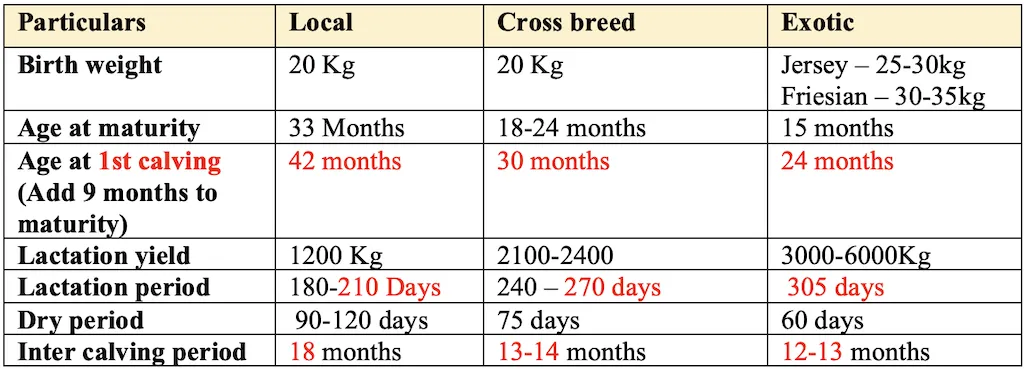 - **Lactation Period:** Days in milk from the date of calving to the final drying off or cessation of milk (305 days). The **305-day lactation** is the standard benchmark used worldwide for comparing milk production records.
- **Lactation Yield:**
- Milk yield in Kgs from the date of **calving** to the date of **drying** (lactation period).
- The *optimum* lactation period is 305 days.
- **Peak yield:**
- The highest daily yield in Kgs during lactation period.
- After parturition, the milk yield per day will be increased and reaches peak within **2 to 4 weeks** after calving. This yield is known as peak yield.
- After 3 or 4 lactation, the production starts declining. The decline in production after the **3rd or 4th lactation** is a natural ageing process where the mammary gland's secretory cells gradually lose efficiency.
- **Dry period:** Days from the date of drying to the date of next calving.
- **Inter calving period:**
- Interval from the date or one calving to the date of next calving (1st & 2nd).
- It is more profitable to have **one calf yearly in cattle** and at least **one calf for every 15 months in buffaloes**. The ideal **inter-calving period** of 12 months in cattle requires the cow to conceive within 80-85 days after calving.
- **Average Fat %:**
- Sheep (7.90%) > Buffalo (7.38%) > Goat (4.25) > Cow (4.14%)
- Exotic > Cross Breed > Indigenous Cattle
- **Service period:**
- The period between parturition to successful conception expressed in days is known as service period.
- Optimum service period is 60 to 90 days. A service period shorter than 60 days may not give the uterus sufficient time to recover, while one longer than 90 days extends the inter-calving period beyond the ideal 12 months.
- **Service:** This term indicates the process in which mature male covers the female.
- **Breeding efficiency:** Measured as the No. Services per Conception. The ideal is **1 service per conception**, but in practice, **1.5 to 2 services per conception** is considered acceptable.
- **Conception rate** is the measure of animal's fertility at service or the successful union of male and female in reproduction process.
- **Gestation period:** The period from conception to delivery of a female animal is called gestation period. Or is the period of pregnancy in animals.
- **Parturition:** This term indicates the act of giving birth to young one.
- **Lactation Period:** Days in milk from the date of calving to the final drying off or cessation of milk (305 days). The **305-day lactation** is the standard benchmark used worldwide for comparing milk production records.
- **Lactation Yield:**
- Milk yield in Kgs from the date of **calving** to the date of **drying** (lactation period).
- The *optimum* lactation period is 305 days.
- **Peak yield:**
- The highest daily yield in Kgs during lactation period.
- After parturition, the milk yield per day will be increased and reaches peak within **2 to 4 weeks** after calving. This yield is known as peak yield.
- After 3 or 4 lactation, the production starts declining. The decline in production after the **3rd or 4th lactation** is a natural ageing process where the mammary gland's secretory cells gradually lose efficiency.
- **Dry period:** Days from the date of drying to the date of next calving.
- **Inter calving period:**
- Interval from the date or one calving to the date of next calving (1st & 2nd).
- It is more profitable to have **one calf yearly in cattle** and at least **one calf for every 15 months in buffaloes**. The ideal **inter-calving period** of 12 months in cattle requires the cow to conceive within 80-85 days after calving.
- **Average Fat %:**
- Sheep (7.90%) > Buffalo (7.38%) > Goat (4.25) > Cow (4.14%)
- Exotic > Cross Breed > Indigenous Cattle
- **Service period:**
- The period between parturition to successful conception expressed in days is known as service period.
- Optimum service period is 60 to 90 days. A service period shorter than 60 days may not give the uterus sufficient time to recover, while one longer than 90 days extends the inter-calving period beyond the ideal 12 months.
- **Service:** This term indicates the process in which mature male covers the female.
- **Breeding efficiency:** Measured as the No. Services per Conception. The ideal is **1 service per conception**, but in practice, **1.5 to 2 services per conception** is considered acceptable.
- **Conception rate** is the measure of animal's fertility at service or the successful union of male and female in reproduction process.
- **Gestation period:** The period from conception to delivery of a female animal is called gestation period. Or is the period of pregnancy in animals.
- **Parturition:** This term indicates the act of giving birth to young one.
Selection of Breeding Animals
- It is better to purchase the animals during the month of October and November. This timing is recommended because the flush season (period of higher milk production due to better green fodder availability) begins around this time, allowing the buyer to assess the cow's actual milking potential.
- Maximum yield is noticed till 90 days after calving.
- Cross-breed animals with exotic inheritance of about 50 percent are preferable.
- Culling: Removal of undesirable or unproductive animals from herd. Culling is essential for continuous herd improvement, removing animals that are chronically ill, poor producers, or have reproductive problems.
Selection for Milk Production
- The present average daily milk production of the cross breed cows is around 5.5 liters.
- For economic milk production a cow producing not less than 2500 kg milk in 305 days lactation period is desirable.
- In general, selecting a newly calved cow yielding 10 liters per day may have 2000-2500 kg lactation yield and cow yielding 15 liters per day initially may have a lactation yield of 3000 kg.
- A peak yield of at least 12 kg milk per day can be used as a criterion for this.
- Age at first calving: crossbred cattle 24–30 months; indigenous cattle 36–48 months. A younger age at first calving reduces the unproductive period and improves lifetime productivity of the cow.
Reproductive Physiology and Heat Detection
Reproductive System
Puberty
- The stage of the female in which the ovary is fully developed, and the process of egg formation begins in it. Puberty is the age at which the animal becomes sexually mature and capable of reproduction. In cattle, puberty typically occurs at 15-18 months in indigenous breeds and 8-12 months in crossbred animals.
- At this stage the female becomes pregnant.
Cryptorchid
- A male animal with one or both the testicles retained inside the abdominal cavity is called as Cryptorchid. Note that cryptorchidism is a condition of male animals, not females.
- Means undescended testicle in the scrotal sacs. Normally, the testes descend from the abdominal cavity into the scrotum before or shortly after birth. In cryptorchids, one or both testes fail to descend, remaining inside the abdomen. Such animals should not be used for breeding as the condition is often hereditary.
Free Martin
- When twin calves of different sexes are born, the bull calf is normal whereas the heifer calf is sterile with masculinized behaviour and non-functioning ovaries. This occurs because the placental blood vessels of the twins become fused during early foetal development, allowing male hormones (androgens) from the bull calf to reach the heifer calf, interfering with her sexual development.
- The sterile heifer calf is called freemartin. Approximately 90% of heifers born co-twin to a bull calf are freemartins and are permanently infertile.
Teaser bull
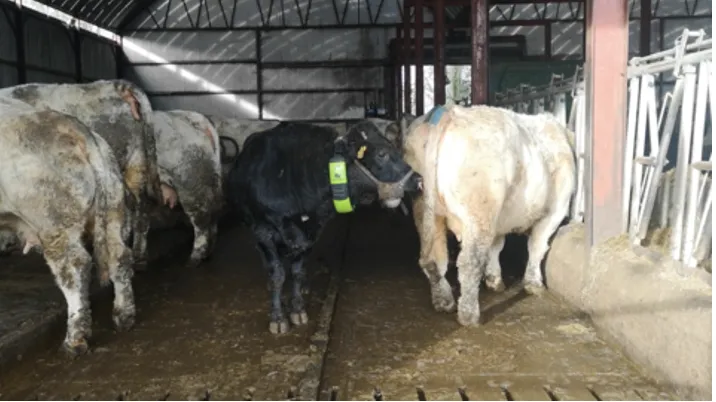 - A teaser bull is a term describing a bull whose reproductive system has been surgically altered to render him **sterile**.
- The bull is sterilized by either **vasectomy** or **caudal epididymectomy**. In a **vasectomy**, the vas deferens (sperm-carrying tubes) are cut and tied, while in **epididymectomy**, a portion of the epididymis is removed. In both cases, the bull retains his **libido** (sexual drive) and ability to mount, but cannot deliver sperm.
- The purpose of such bulls is to aid in **detection of cows in estrus** or in heat period to facilitate when to **artificially inseminate**. **Teaser bulls** are invaluable in AI programmes because they actively seek out cows in heat, making **heat detection** more reliable than relying on visual observation alone.
- A teaser bull is a term describing a bull whose reproductive system has been surgically altered to render him **sterile**.
- The bull is sterilized by either **vasectomy** or **caudal epididymectomy**. In a **vasectomy**, the vas deferens (sperm-carrying tubes) are cut and tied, while in **epididymectomy**, a portion of the epididymis is removed. In both cases, the bull retains his **libido** (sexual drive) and ability to mount, but cannot deliver sperm.
- The purpose of such bulls is to aid in **detection of cows in estrus** or in heat period to facilitate when to **artificially inseminate**. **Teaser bulls** are invaluable in AI programmes because they actively seek out cows in heat, making **heat detection** more reliable than relying on visual observation alone.
Stud Bull
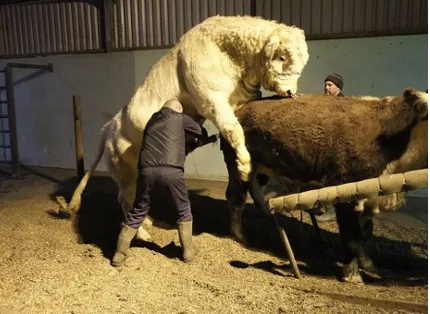 - Bull that is used for breeding purposes. A **stud bull** is a genetically superior bull selected specifically for breeding based on his **pedigree**, **physical conformation**, and **progeny testing records**.
Scrub Bull
- A bull which does not have good progeny record non-descriptive bull. A scrub bull is an inferior, non-descript bull of unknown breeding that produces poor-quality offspring.
- It is a non-descript type of stray village cattle. The use of scrub bulls for breeding is one of the main reasons for low productivity in Indian cattle. Government programmes actively work to replace scrub bulls with AI services or progeny-tested bulls.
Steer
- The castrated male dairy/beef animal. A steer is a bull calf that has been castrated and is typically raised for beef or draught work. Steers are calmer and easier to manage than intact bulls.
Estrus Cycle
- The physical events between two heating periods are called Estrus cycle. The oestrus cycle is the recurring physiological cycle of reproductive events in female mammals, driven by hormonal changes.
- During this period, animals provide a safe environment in their body for embryo development by conceiving.
- Estrus period: The state in which a female animal is willing to mate with a male. This is the brief period (typically 12-18 hours in cattle) when the cow is in "heat" and will stand to be mounted.
| Menstrual Cycle | Estrous Cycle |
|---|---|
| Monkeys, Ape, Human | Cow, Buffalo, Sheep, Goat, etc. |
| Menstrual Phase, Proliferative Phase, Secretory phase | Oestrus period then anoestrous phase |
| Sex urge is not increased | Sex urge is increased |
| Female does not permit sex | Female permit sex |
| Blood loss occur | Blood loss does not occur |
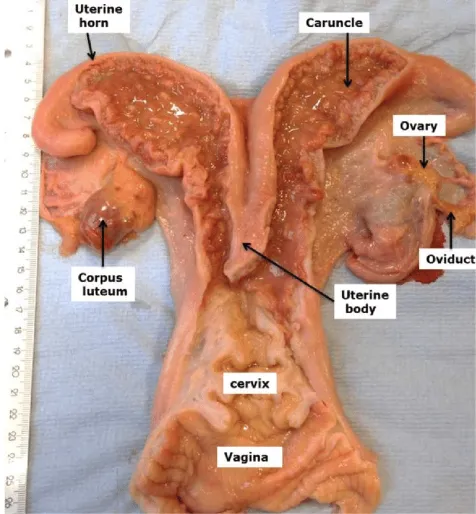
Symptoms of Heat
Recognizing heat signs is critical for timely breeding or AI. The main symptoms include:
- Off feed
- Drop in milk yield
- Restless and excited
- Bellowing
- Oedema / swelling of genitalia
- Frequent urination
- Transparent mucous discharge
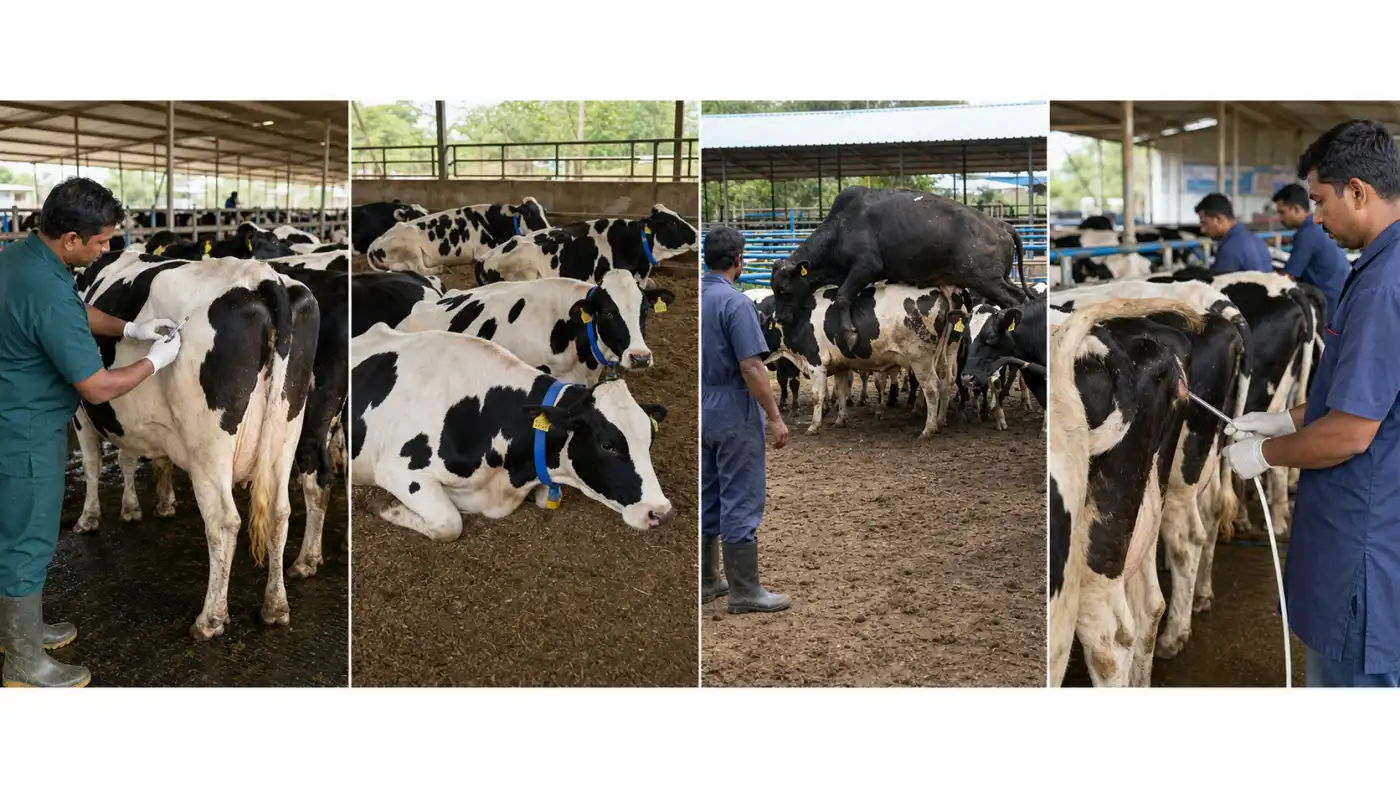
- Cow/buffalo which are in heat will mount on other animals and allows mounting of other animals. This standing heat (allowing other animals to mount) is the most reliable sign that the cow is ready for breeding.
IMPORTANT
Cattle vs Buffalo estrus — a frequently tested comparison:
| Feature | Cattle (Cow) | Buffalo |
|---|---|---|
| Estrus duration | 12–18 hrs (avg 14–16 hrs) | 18–27 hrs (avg 21–24 hrs) — longer than cow |
| Estrus cycle length | 21 days | 21 days (more irregular) |
| Gestation period | 280 days (279–283) | 310 days (300–320) — longer than cow |
| Signs of heat | More obvious; mounts other animals freely | Silent heat common — signs subtle and brief |
| Preferred heat detection | Visual + teaser bull | Teaser bull essential due to silent/weak estrus |
Buffalo "silent heat" is a major reason for poor reproductive efficiency in buffaloes.
Phases of Estrus Cycyle
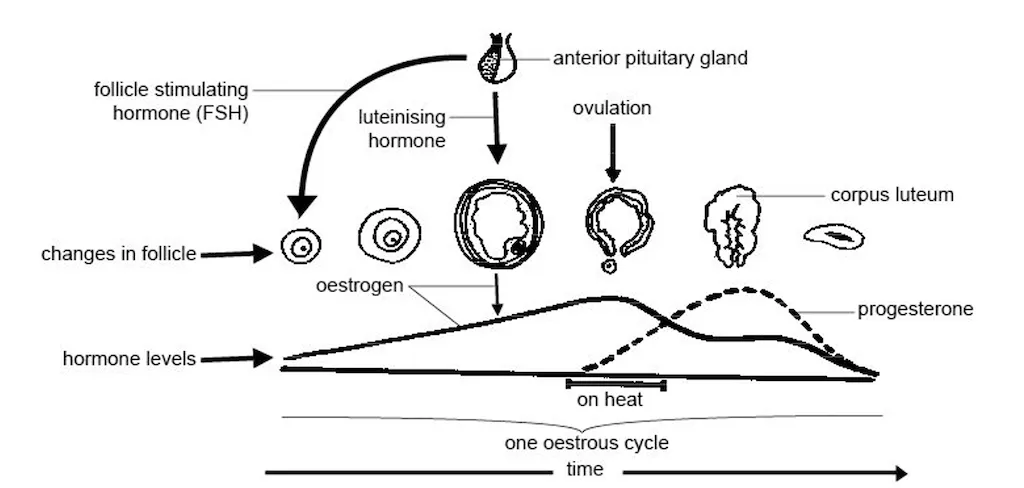
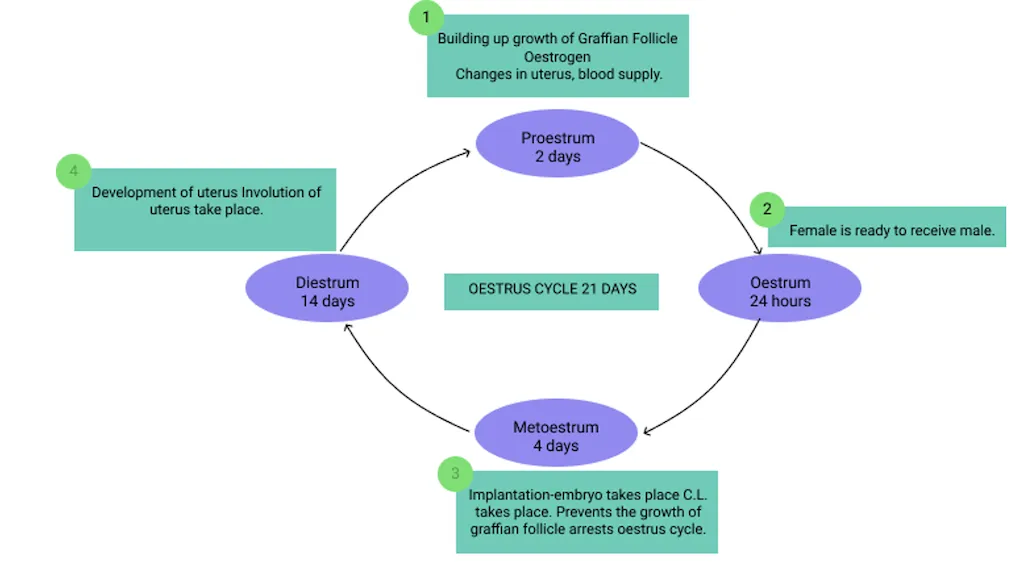
The oestrus cycle in cattle lasts approximately 21 days and is divided into four distinct phases:
- Proestrum
- Duration: 2 days
- Period of building up growth of graffian follicle which helps for the nourishment of ovum fluid contains hormone called estrogen. The Graafian follicle is the mature ovarian follicle that contains the developing egg (ovum). As it grows, it produces increasing amounts of oestrogen, which is responsible for the behavioural and physical signs of heat.
- It causes changes in uterus blood supply. [Heat Period]
- Estrum:
- Duration: 1 day
- During which the female is ready to receive male. [Desire Period]. This is the optimal time for mating or AI.
- The release of the mature ovum from the ovary is called ovulation. Ovulation in cattle typically occurs 15–22 hours after the end of estrus (or 24–32 hours after onset of estrus).
- Metoestrum:
- Duration: 4 days
- Implantation of the embryo takes place.
- Corpus Luteum takes place. It prevents the growth of graffian follicle thereby arrests oestrus cycle.
- Corpus luteum: It is a hormone-secreting (endocrine)structure that develops in an ovary after an ovum has been discharged but degenerates after a few days unless pregnancy has begun. It secrete progesterone hormone. The corpus luteum (literally "yellow body") forms at the site where the egg was released. Progesterone from the corpus luteum is the "pregnancy-maintaining hormone" that prepares and maintains the uterus for embryo implantation.
- A pregnant cow does not come in heat because of presence of Corpus luteum. The continuous secretion of progesterone by the corpus luteum suppresses new follicle development, preventing the cow from cycling.
- Diestrum:
- Duration: 14 days [Longest Period]. Dioestrus is the longest phase of the cycle, lasting approximately 14 days.
- Further development of uterus takes place.
- If the animal has not conceived involution of uterus takes place.
- Involution: It is the process where pregnant cow's uterus (womb) returns to the way it was before pregnancy. If conception has not occurred, the corpus luteum regresses, progesterone levels drop, and a new cycle begins.
Hormones
Understanding the reproductive hormones and their sources is essential:
- Estrogens: Released by Grafina follicle. It is a sex hormone. Oestrogen is responsible for the physical and behavioural signs of heat (swelling of vulva, mucus discharge, restlessness, standing to be mounted).
- Progesterone: Released by Corpus luteum. It is a sex hormone. Progesterone maintains pregnancy and suppresses further oestrus cycles.
- Gonadotropin-releasing hormone (GnRH):
- Secreted by hypothalamus of the brain. The hypothalamus is the master control centre that coordinates the reproductive hormone cascade.
- It is responsible for the release of follicle-stimulating hormone (FSH) and luteinizing hormone (LH) from anterior pitutary gland. FSH stimulates the growth and maturation of ovarian follicles, while LH triggers ovulation and the formation of the corpus luteum.
Optimum Time for Crossing
- Egg/ova from ovary -- released about 24–32 hours after the onset of estrus.
- Ovum will survive upto 16 hours after the release.
- Sperm live for 24–48 hours in the female reproductive tract.
- Morning signs of heat are exhibited -- insemination or mating should be done in the evening i.e. 12 hours delay. This is the AM-PM rule of AI: if a cow shows heat signs in the morning, inseminate in the evening; if heat is detected in the evening, inseminate the next morning. This timing ensures that viable sperm are present in the oviduct when the egg is released.
Artificial Insemination and Advanced Reproductive Technologies
Artificial Insemination
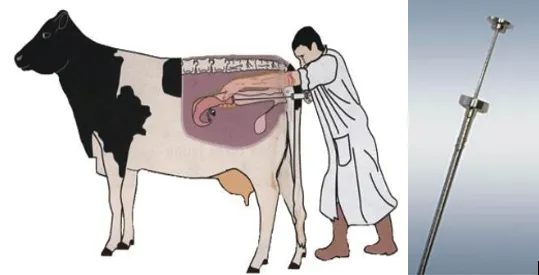
- Artificial insemination is the deposition of male reproductive cells (sperm) in the female tract by mechanical means rather than "Natural Service". AI is the single most important technological advancement in livestock breeding, enabling rapid genetic improvement on a massive scale.
- Maintinance of hygienic conditions is most important.
- The best site for semen deposition during artificial insemination in cattle is body of the uterus (just beyond the cervical os). Depositing semen at the body of the uterus just beyond the cervical os (trans-cervical deposition) is the standard AI technique; deposition at mid-cervix yields approximately 10% lower conception rates.
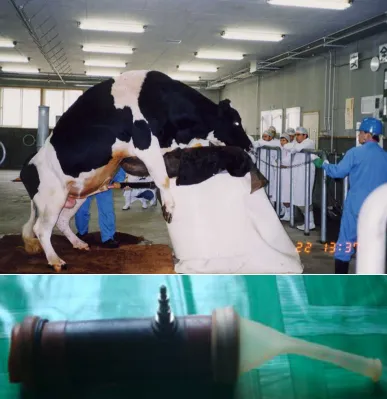
Artificial Vagina
- Internal temperature of artificial vagina is around 40-45°C. The artificial vagina (AV) simulates the natural mating environment to stimulate ejaculation. The internal temperature of 40-45°C mimics the cow's body temperature.
Advantages
- Increases usefulness of superior sires to extra ordinary degree.
- Services of Superior Sires are greatly extended.
- If the sires are used for Natural Service the animal can serve only 50-60 animals/year but under Artificial Insemination the amount of semen secreted by the animal can be used to satisfy the requirements of 1000 animals per year. This 20-fold increase in the number of females served per bull is one of the most significant advantages of AI, accelerating genetic improvement across the entire population.
Merits
- Semen can be stored in the frozen state, so progeny can be obtained even after the transfer, even after death of bull-15-20 years. (atomic, radioactive, X-ray unit)
- Frozen semen can be transported to destination once in a month from the semen bank.
- No need to maintain Breeding Bull. The frozen semen can be stored in the Liquid Nitrogen at -196°C. Liquid nitrogen at -196°C essentially stops all biological activity, preserving sperm viability for decades.
- Spreading of diseases is absolutely - Nil. By eliminating physical contact between male and female, AI prevents the transmission of venereal diseases such as trichomoniasis and vibriosis.
- Overcomes the difficulty of size and weight between Dam and Sire.
- Increase the rate of Conception because in artificial insemination the semen is deposited at the body of the uterus (just beyond the cervical os), optimising sperm placement.
- Outstanding animals located apart can be mated.
- Helps in better record keeping.
Disadvantages
- Some bull's semen may not freeze well. Not all bulls are equally good semen donors; some produce semen with poor freezability.
- If inferior bull semen is frozen and used -- Extensive damage is caused. Using genetically inferior semen can spread undesirable traits to thousands of offspring, causing widespread genetic damage to the population.
- Maintenance of frozen semen bank is not economical for a small area of operation.
- Requires well trained technical personnel's and special equipments and hygienic measures are too adapted in preparation.
- Improper cleaning of instruments and unsanitary condition may lead to lower fertility and may be nucleus for the spreading of diseases.
Advanced Methods
- World First IVF buffalo calf: Pratham developed by NDRI, Karnal, Haryana. In Vitro Fertilisation (IVF) involves fertilising the egg outside the body in a laboratory setting and then transferring the embryo into a surrogate mother.
- National Dairy Research Institute, Karnal have developed the landmark technique i.e. "Hand guided Cloning Technique" and have produced the world's first (died after birth) and second cloned buffalo calves.
- World's First cloned buffalo calf: Samrupa developed by NDRI, Karnal, Haryana.
- World's Second cloned buffalo calf: Garima developed by NDRI, Karnal, Haryana.
TIP
NDRI Karnal landmarks: IVF buffalo = Pratham, First clone = Samrupa (died), Second clone = Garima (survived). Technique: Hand-guided Cloning.
- Cloned and surviving buffalo calf, Garima, produced for faster multiplication of selected highly productive animals. Cloning allows the production of genetically identical copies of elite animals, potentially revolutionising the multiplication of superior germplasm.
Explore More 🔭
🟢 https://www.youtube.com/watch?v=ayzN5f3qN8g
Estrus Synchronization
Estrus synchronization allows a group of females to be brought into heat simultaneously, enabling batch AI and improving management efficiency.
- Prostaglandin (PGF2α): Induces luteolysis (regression of corpus luteum), causing progesterone to drop and synchronizing return to estrus. Widely used in cattle and buffaloes.
- GnRH-based Ovsynch Protocol: The most widely used protocol in AI programmes worldwide. A GnRH injection triggers ovulation/luteinization → PGF2α 7 days later causes luteolysis → second GnRH 48 hours later triggers synchronised ovulation → AI performed 16–20 hours after the second GnRH.
- CIDR (Controlled Internal Drug Release): A progesterone-impregnated intravaginal device inserted for 7–14 days. Suppresses estrus, and when removed, triggers synchronised return to heat. Effective in both cycling and non-cycling (anoestrous) animals.
TIP
Exam tip: GnRH → PGF2α → GnRH → AI is the Ovsynch protocol; CIDR provides exogenous progesterone for synchronisation.
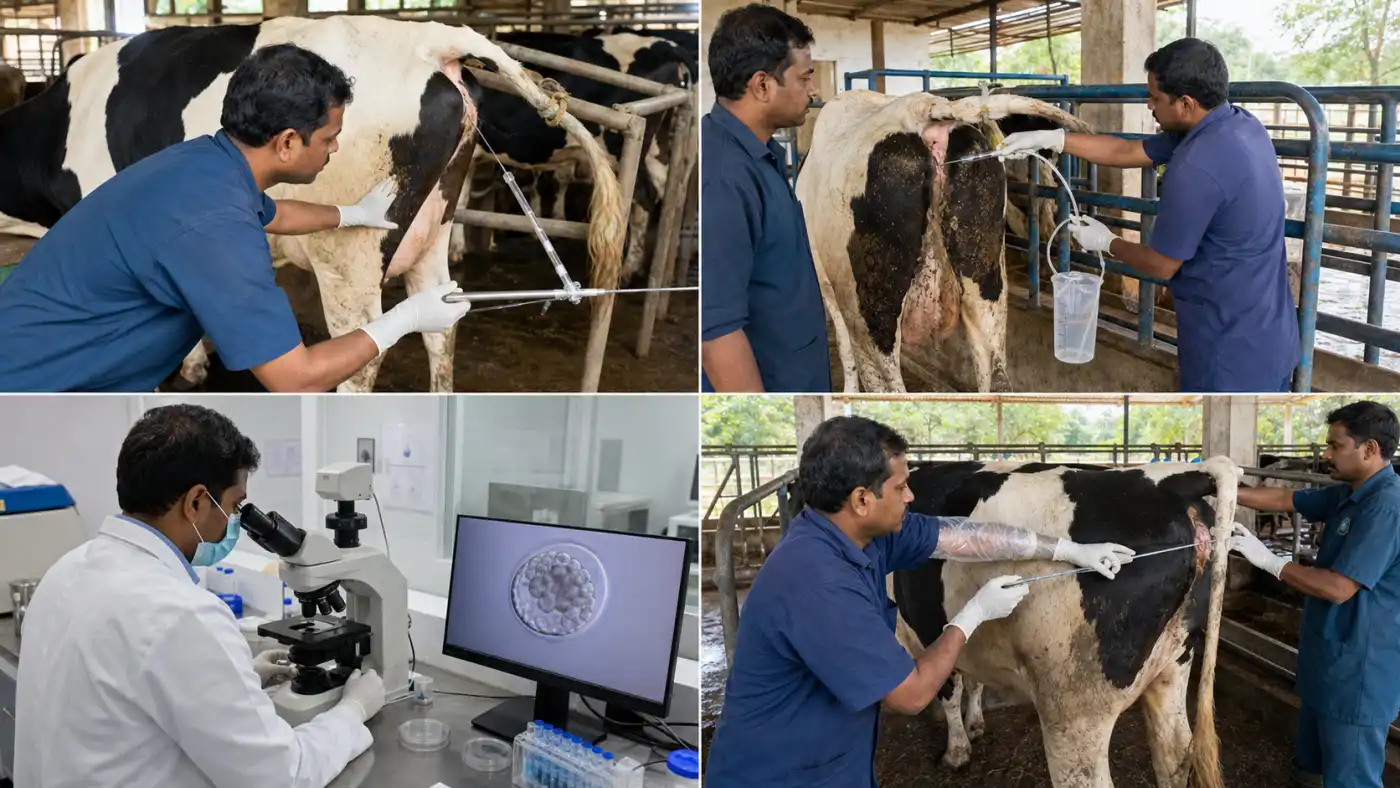
Embryo Transfer (ET)
Embryo Transfer (ET) allows a single genetically superior donor female to produce far more offspring than is possible through natural reproduction.
- Collection: The donor cow is inseminated (naturally or via AI) after superovulation. Embryos are non-surgically flushed from the uterus 6–8 days after fertilisation using a Foley catheter.
- Evaluation: Collected embryos are examined under a microscope and graded (Grade 1 = excellent, Grade 4 = dead/degenerate). Only Grade 1–3 embryos are transferred or frozen.
- Fresh transfer: Embryos are transferred same-day into synchronised recipient females (surrogates) at matching stage of cycle.
- Frozen transfer: Embryos are cryopreserved in liquid nitrogen (–196°C) and can be stored indefinitely for later use or export.
TIP
Exam tip: ET embryos are collected on Day 6–8 after AI; recipient must be synchronised within ±1 day of donor.
MOET (Multiple Ovulation and Embryo Transfer)
MOET combines superovulation of elite donors with embryo transfer to multiply the progeny of genetically superior cows at a rapid rate.
- Superovulation: The donor dam is treated with FSH (Follicle-Stimulating Hormone) injections over 4–5 days to stimulate multiple follicle development and release of multiple ova (normally 8–20 ova per flush instead of the usual 1).
- Insemination: The superovulated donor is inseminated with semen from a superior bull.
- Embryo collection: Multiple embryos are flushed non-surgically from the donor's uterus 6–8 days post-AI.
- Transfer to recipients: Each embryo is transferred into a recipient (surrogate) female of lower genetic merit, which carries the pregnancy to term.
- Genetic gain: A single superior donor cow can produce 10–20 calves per year via MOET, compared to 1 calf per year through natural reproduction.
- Applications in India: Used in elite breeding programmes at NDRI Karnal and the National Dairy Development Board (NDDB) for rapid multiplication of high-merit Murrah buffaloes and HF/Jersey crosses. (Source: ICAR, NDDB)
TIP
Memory hook: MOET = Multiple Ovulation + Embryo Transfer. FSH causes superovulation; embryos go into surrogate recipients.
AI Organisations in India
Artificial Insemination in India is delivered through a network of government and cooperative organisations:
| Organisation | Role |
|---|---|
| NDDB (National Dairy Development Board) | Apex body; runs the National Artificial Insemination Programme (NAIP); supplies frozen semen doses through Anand semen station |
| BAIF Development Research Foundation | Largest NGO-run AI programme; operates in tribal and rural areas across 18 states |
| NPCBB (National Project for Cattle and Buffalo Breeding) | Launched in 2000 by Govt. of India; aimed at upgrading non-descript cattle and buffalo through AI with progeny-tested bulls |
| ICAR-NDRI, Karnal | Develops advanced reproductive technologies (IVF, ET, cloning) and supplies elite germplasm |
| State Animal Husbandry Departments | Deliver AI services at field level through veterinary dispensaries and mobile AI units |
TIP
NPCBB (launched 2000) is the government's flagship programme for semen production and AI delivery. It mandated use of only progeny-tested bulls for semen production — a key MCQ fact.
Pregnancy Diagnosis and Reproductive Failure
Pregnancy Diagnosis
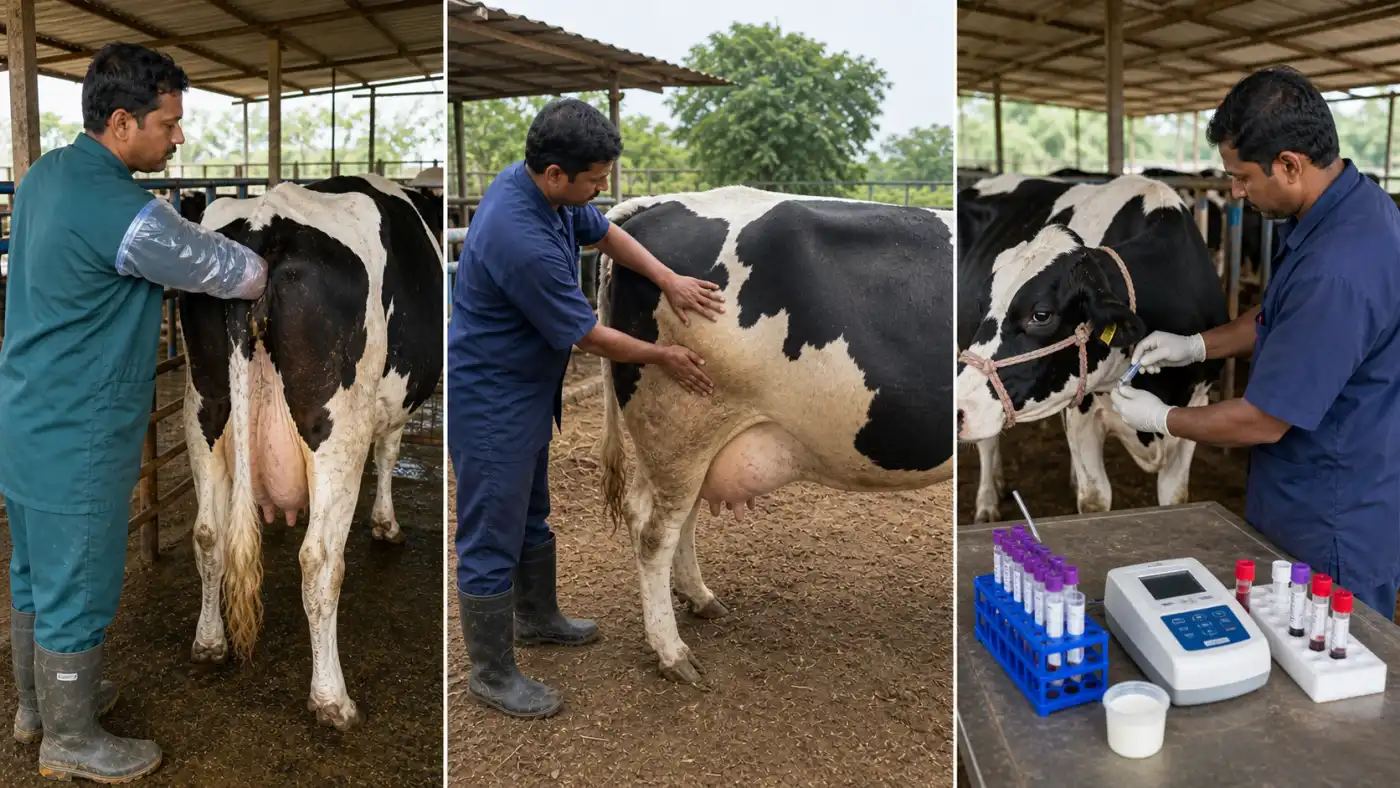
Early and accurate pregnancy diagnosis prevents the economic loss of maintaining open (non-pregnant) animals.
Methods of Pregnancy Diagnosis
-
Rectal Palpation — Most common field method
- The veterinarian inserts a hand into the rectum to feel the uterus through the rectal wall.
- Can diagnose pregnancy as early as 35–45 days post-conception in cattle.
- Positive signs: asymmetry of uterine horns, membrane slip (amniotic sac felt), presence of placentomes (cotyledons), fremitus in uterine arteries in later pregnancy.
-
Ballottement — Applicable from ~6 months onwards
- A sharp nudge applied to the lower right flank causes the foetus to bounce back, giving a tactile sensation. Simple field test; not useful in early pregnancy.
-
Progesterone assay
- Milk or blood progesterone measured on Day 21–24 after AI.
- High progesterone = likely pregnant (corpus luteum still active); low progesterone = not pregnant.
- Useful for early non-pregnancy detection (negative test is reliable); positive test needs confirmation.
-
Ultrasonography (USG) — Most accurate early method
- Trans-rectal ultrasound can detect pregnancy as early as 25–28 days post-AI.
- Identifies foetal heartbeat, number of foetuses, foetal sex determination possible after ~60 days.
IMPORTANT
MCQ tip — Pregnancy diagnosis methods:
- Earliest field diagnosis: Rectal palpation (~35–45 days)
- Earliest laboratory diagnosis: Progesterone assay (Day 21–24)
- Most accurate and earliest overall: Ultrasonography (~25–28 days)
- Ballottement is only useful after ~6 months — NOT an early diagnosis method
Common Reproductive Disorders
| Disorder | Cause / Key Feature | Exam Note |
|---|---|---|
| Anoestrus | Failure to show estrus; most common in buffaloes post-calving | "Silent heat" in buffalo = most common cause of poor reproduction |
| Repeat breeding | Cow fails to conceive after 3+ AI services; causes: uterine infection, fertilisation failure, early embryo death | Economically important — increases cost per conception |
| Retained placenta | Failure of placenta to expel within 12 hours post-calving | More common after twin births, abortion, or hypocalcaemia |
| Prolapse of uterus | Uterus protrudes after calving; associated with difficult labour (dystocia) | Emergency — requires immediate veterinary attention |
| Dystocia | Difficult parturition; causes: oversized calf, malpresentation, narrow pelvis | More common in heifers at first calving and in crossbred cattle with Holstein blood |
| Pyometra | Pus-filled uterus; caused by Brucella, Campylobacter, or other bacteria | Animal does not cycle; CL persists due to pus in uterus |
References
2 sources • [1] [2]
References
Summary Cheat Sheet
| Concept / Topic | Key Details |
|---|---|
| Natural mating | Bull and cow mate through natural instinct |
| Artificial Insemination (AI) | Semen collected from superior bull; deposited artificially in female tract |
| AI semen deposition site | Body of the uterus (just beyond cervical os) — standard trans-cervical technique |
| Inbreeding | Mating closely related animals within same breed (within 4 generations) |
| Inbreeding advantage | Increases genetic purity; maintains pure breed lines |
| Inbreeding depression | Loss of vigour, size, production, and fertility |
| Close breeding | Most intensive inbreeding (sire × daughter, dam × son, full siblings) |
| Line breeding | Milder inbreeding; traced to one common ancestor (cousins, half-siblings) |
| Out breeding | Mating unrelated animals; increases vigour |
| Out crossing | Unrelated animals of same breed (no common ancestor for 4–6 generations) |
| Cross breeding | Mating animals of different breeds; produces hybrid vigour (heterosis) |
| Grading up | Crossing nondescript females with purebred males repeatedly (5–6 generations) |
| Species hybridisation | Crossing different species (e.g., donkey × horse = mule); offspring usually sterile |
| Sire | Male parent; Dam = Female parent |
| Artificial vagina temp | 40–45°C (internal temperature for semen collection) |
| Semen preservation | Liquid nitrogen at –196°C in straws |
| Semen diluent | Egg yolk citrate buffer or Tris buffer + glycerol (cryoprotectant) |
| Estrus (heat) signs | Restlessness, mounting, mucus discharge, swollen vulva, reduced milk |
| Estrus duration — cow | 12–18 hours (avg 14–16 hrs); buffalo: 18–27 hours (avg 21–24 hrs) |
| Cow puberty | Crossbred: 12–14 months; Indigenous: 24 months |
| Buffalo puberty | 21–24 months (under good management) |
| Cow gestation | 280 days (range 279–283) |
| Buffalo gestation | 310 days (range 300–320) |
| Ovulation timing | 15–22 hrs after end of estrus (24–32 hrs after onset of estrus) |
| Sperm survival | 24–48 hours in the female reproductive tract |
| Best time to inseminate | AM-PM rule — inseminate ~12 hrs after first heat signs |
| Age at first calving | Crossbred cattle: 24–30 months; Indigenous: 36–48 months |
| Pregnancy diagnosis | Rectal palpation (most common); ballottement; hormone assays |
| Cryptorchid | Condition in males (not females) where testes are undescended |
| Scrub bull | Unselected bull of unknown pedigree; NOT used for planned breeding |
| Key reproductive hormones | FSH (follicle growth), LH (ovulation), Progesterone (pregnancy maintenance) |
| Heterosis / Hybrid vigour | Superiority of crossbred offspring over parents |
| Estrus synchronization | PGF2α (luteolysis), Ovsynch (GnRH→PGF2α→GnRH→AI), CIDR (progesterone device) |
| Embryo Transfer (ET) | Embryos collected Day 6–8; graded; fresh or frozen transfer to synchronised recipients |
| MOET | FSH superovulation → multiple embryos → transfer to surrogates; 10–20 calves/year from one donor |
| MOET centres in India | NDRI Karnal, NDDB — elite breeding programmes (ICAR, NDDB) |
| NPCBB | Launched 2000; Govt. of India programme for cattle & buffalo breeding via AI with progeny-tested bulls |
| NDDB AI programme (NAIP) | National Artificial Insemination Programme; largest organised AI delivery system in India |
| BAIF | Largest NGO-run AI programme; serves tribal and rural areas in 18 states |
| Buffalo estrus vs cow | Buffalo estrus longer (18–27 hrs) than cow (12–18 hrs); buffalo more prone to silent heat |
| Buffalo gestation vs cow | Buffalo: 310 days (300–320); Cow: 280 days (279–283) — buffalo gestation ~30 days longer |
| Pregnancy diagnosis | Rectal palpation (~35–45 days); Progesterone assay (Day 21–24); USG (25–28 days — earliest/most accurate) |
| Ballottement | Only useful after ~6 months — NOT an early pregnancy test |
| Anoestrus in buffalo | Failure to show heat; most common reproductive problem in Indian buffaloes |
| Retained placenta | Placenta not expelled within 12 hours post-calving; more common after twins, abortion, hypocalcaemia |
| Repeat breeding | 3+ failed AI services; causes: uterine infection, fertilisation failure, early embryo death |
Lesson Doubts
Ask questions, get expert answers