🌊 The Ganga — Lifeline of UP
Ganga river's journey through Uttar Pradesh — entry at Bijnor, exit at Ballia, major tributaries, cities, Sangam at Prayagraj, Namami Gange mission, and religious significance for Uttar Pradesh GK.
The Ganga in Uttar Pradesh
The Ganga is the most important river of Uttar Pradesh — culturally, economically, and ecologically. It shapes the fertile Gangetic Plain that makes UP India's top agricultural state.
For UP GK, think of the Ganga in three layers at the same time:
- it is the main river axis of the state
- it supports the alluvial plain and farming economy
- it is also the religious river linked with Prayagraj, Varanasi, and major pilgrimage traditions
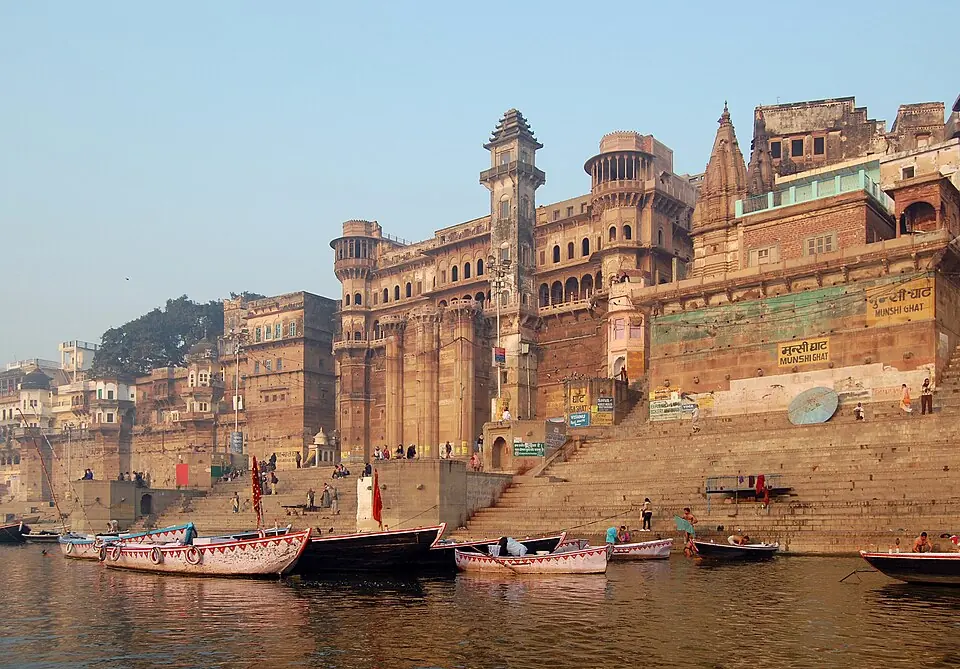
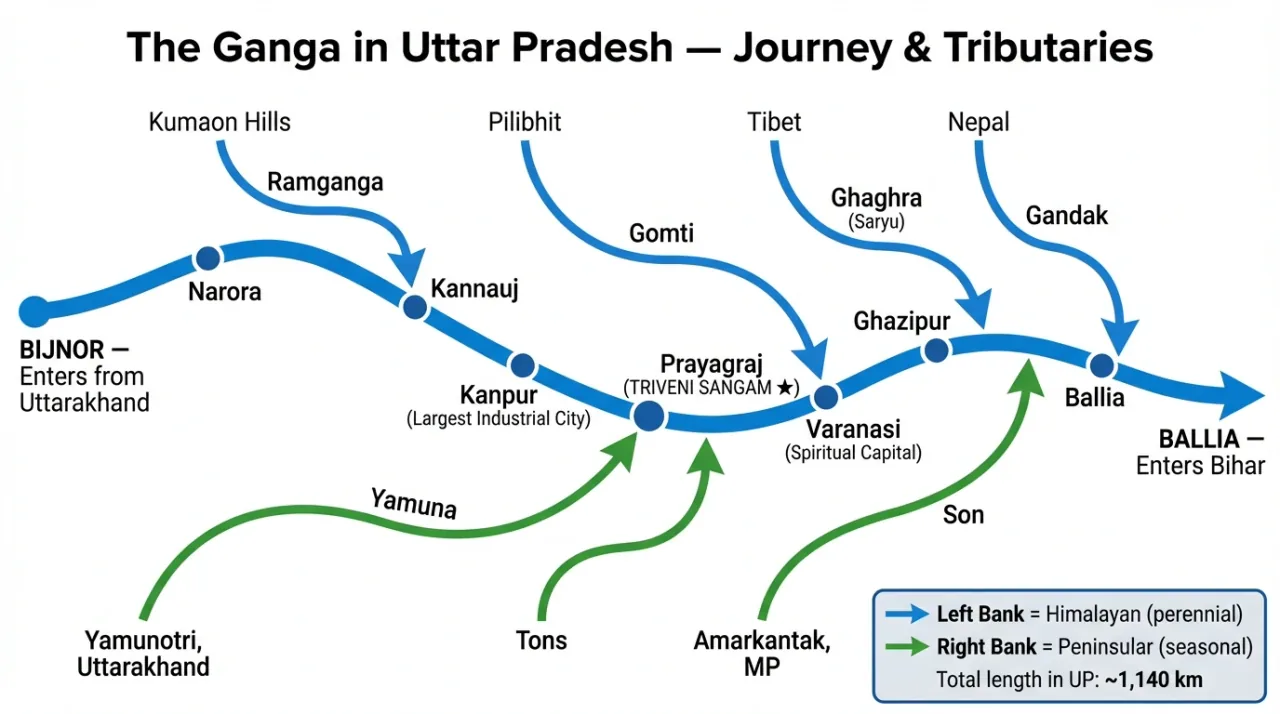
Journey Through UP
| Parameter | Detail |
|---|---|
| Enters UP at | Bijnor district (from Uttarakhand) |
| Exits UP at | Ballia district (enters Bihar) |
| Length in UP | ~1,140 km |
| Total length | ~2,525 km (Gangotri to Bay of Bengal) |
| Direction of flow | Generally south-east through UP |
The exam-safe pattern is simple: the Ganga enters north-western UP, crosses the core alluvial belt, meets the Yamuna at Prayagraj, and then continues eastward toward Bihar.
Major Cities on the Ganga in UP
The Ganga passes through or near these important urban centres in upstream to downstream order. This sequence matters because many UP questions ask students to connect cities, tributaries, and confluences along the river's route.
| City | District | Significance |
|---|---|---|
| Bijnor | Bijnor | Entry point into UP |
| Narora | Bulandshahr | Lower Ganga Canal headworks, nuclear power station |
| Farrukhabad | Farrukhabad | Historical town |
| Kannauj | Kannauj | Ancient capital, perfume industry |
| Kanpur | Kanpur Nagar | Largest industrial city on the Ganga in UP; important in pollution-related questions |
| Prayagraj | Prayagraj | Sangam — confluence of Ganga, Yamuna & mythical Saraswati |
| Mirzapur | Mirzapur | Vindhyan region town |
| Varanasi | Varanasi | Oldest living city, spiritual capital of India |
| Ghazipur | Ghazipur | Opium factory, Gomti confluence nearby |
| Ballia | Ballia | Exit point from UP |
Major Tributaries Joining Ganga in UP
For exam preparation, do not treat all tributaries in the same way. Some join the Ganga within Uttar Pradesh, while others are part of the wider Ganga system but meet it only after the river leaves UP.
| Tributary | Bank | Joins At | Origin |
|---|---|---|---|
| Ramganga | Left | Near Kannauj | Kumaon Hills, Uttarakhand |
| Gomti | Left | Near Ghazipur | Pilibhit (Gomat Taal), UP |
| Ghaghra (Saryu) | Left | In Bihar, downstream of the UP stretch | Tibet (Mapchachungo glacier region) |
| Gandak | Left | In Bihar | Nepal Himalayas |
| Yamuna | Right | Prayagraj (Sangam) | Yamunotri glacier |
| Tons (Tamsa/Tamasa) | Right | Near Sirsa, Prayagraj region | Kaimur/Vindhyan highland region |
| Son | Right | In Bihar near Patna region | Amarkantak, MP |
Memory Tip: In the Ganga system, many major left-bank tributaries are northern or Himalayan-side rivers, while several important right-bank tributaries come from the southern plateau side. But do not force every river into a perfect one-line rule. For UP exams, the safest pair to remember is Yamuna joins from the right at Prayagraj and Gomti joins from the left near Ghazipur.
Ganga-Yamuna Doab
The land between the Ganga and Yamuna rivers is called the Doab (do = two, ab = water).
| Feature | Detail |
|---|---|
| Extent | From Haridwar/Saharanpur in north to Prayagraj in south |
| Districts covered | Saharanpur, Muzaffarnagar, Meerut, Bulandshahr, Aligarh, Agra, Etawah, Kanpur, Fatehpur, Prayagraj |
| Soil type | Alluvial soil — extremely fertile |
| Agriculture | Sugarcane, wheat, rice, vegetables |
| Significance | Most densely populated and agriculturally productive region of UP |
Sangam at Prayagraj
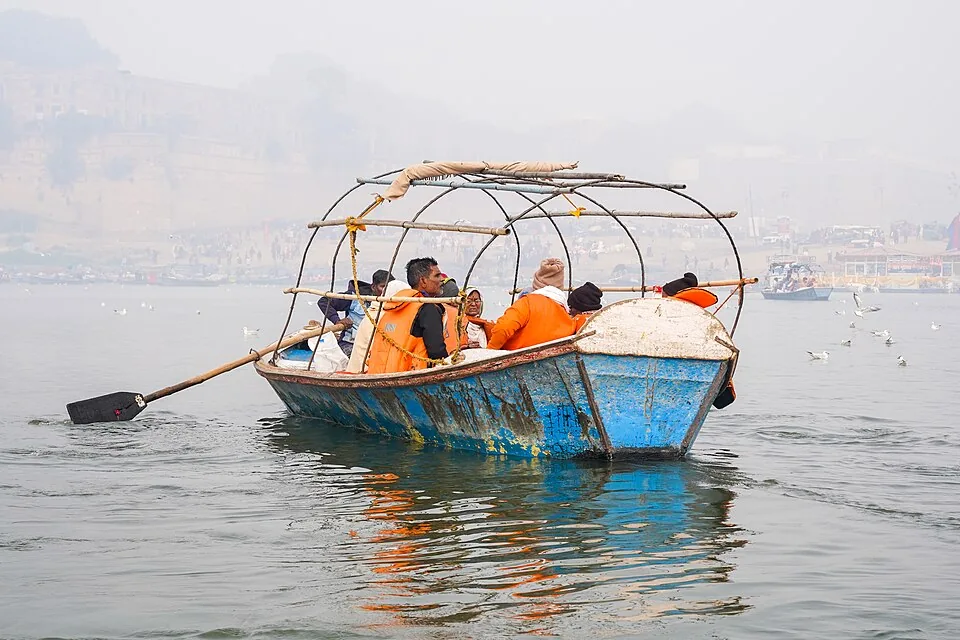
Prayagraj (formerly Allahabad) hosts the Triveni Sangam — the confluence of three rivers:
- Ganga (visible)
- Yamuna (visible — darker water)
- Saraswati (mythical/invisible, believed to flow underground)
The Kumbh Mela is held here every 12 years and the Magh Mela annually. The Maha Kumbh Mela (held every 144 years) is the world's largest religious gathering.
For UP GK, Prayagraj is important not only because of religion, but because it connects physical geography, river confluence, pilgrimage, and current-affairs style questions in one place.
Ganga Pollution & Cleanup
| Initiative | Year | Key Details |
|---|---|---|
| Ganga Action Plan (GAP) Phase I | 1986 | Launched by Rajiv Gandhi, focused on sewage treatment |
| GAP Phase II | 1993 | Extended to tributaries (Yamuna, Gomti, Damodar) |
| National Ganga River Basin Authority | 2009 | Declared Ganga a "National River" |
| Namami Gange Programme | 2014 | Flagship integrated conservation mission for the Ganga basin |
| National Mission for Clean Ganga (NMCG) | 2011 | Implementing body for Namami Gange |
Major pollution sources in UP: industrial effluents, especially from the Kanpur tannery belt, untreated or partially treated sewage from towns and cities, agricultural runoff, and solid-waste / ritual-pressure zones in major riverfront cities.
Religious & Cultural Significance
- Varanasi's ghats (84 ghats) are world-famous — Dashashwamedh Ghat hosts the nightly Ganga Aarti
- Ganga Jal (Ganga water) is considered sacred and used in Hindu rituals across India
- The river is personified as Goddess Ganga in Hindu mythology
- Kanpur's Bithoor is associated with Sage Valmiki and the Ramayana
Summary Cheat Sheet
| Fact | Answer |
|---|---|
| Ganga enters UP at | Bijnor |
| Ganga exits UP at | Ballia |
| Length in UP | About 1,100+ km |
| Sangam location | Prayagraj |
| Largest city on Ganga in UP | Kanpur |
| Namami Gange launched | 2014 |
| Ganga Action Plan I | 1986 |
| Major industrial pollution hotspot | Kanpur tannery belt |
| Ganga-Yamuna land | Doab |
| Gomti origin | Pilibhit |
Lesson Doubts
Ask questions, get expert answers