🌿 Foliar diagnosis
Foliar diagnosis.
This lesson covers foliar diagnosis of nutrient disorders and practical foliar nutrition concepts in crops.
Nitrogen
- Plant growth is stunted because protein content cell division and cell enlargement are
decreased
-
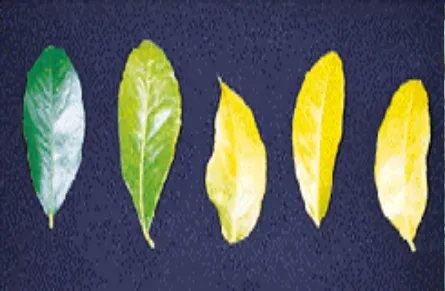
N deficiency causes chlorosis of the leave i.e yellowing older leaves are affected first
-
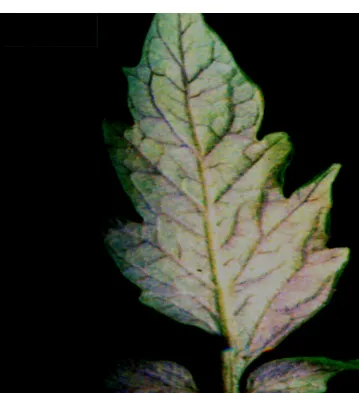
In many plants eg. Tomato, the stem, petiole and the leaf veins become purple
coloured due to the formation of anthocyanin pigments.
Phosphorus
-
P deficiency may cause premature leaf fall
-
Dead necrotic areas are developed on leave or fruits
-
Leaves may turn to dark green to blue green colour. Sometimes turn to purplish
colour due to the synthesis and accumulation of anthocyanin pigments.
Potassium
-
Mottled chlorosis of leaves occurs
-
Neurotic areas develop at the tip and margins of the leaf
-
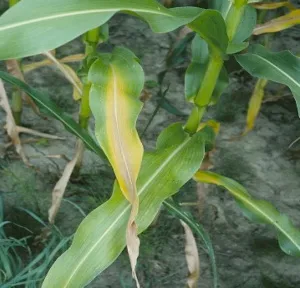
Plants growth remains stunted with shortening of internodes.
Calcium
- Calcium deficiency causes disintegration of growing meristematic regions of root,
stem and leaves
- Chlorosis occurs along the margins of the younger leaves
- Malformation of young leaves takes place
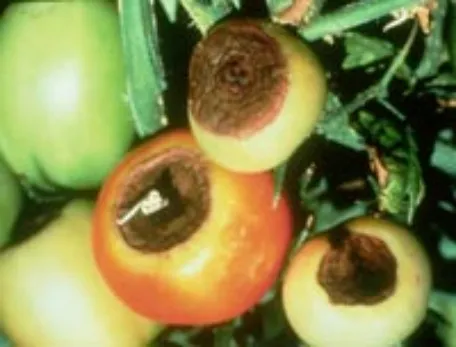
Magnesium
- Mg deficiency causes mottled chlorosis with veins green and leaf tissues yellow or
white appearing first on older leaves
-
Dead neurotic patches appear on the leaves
-
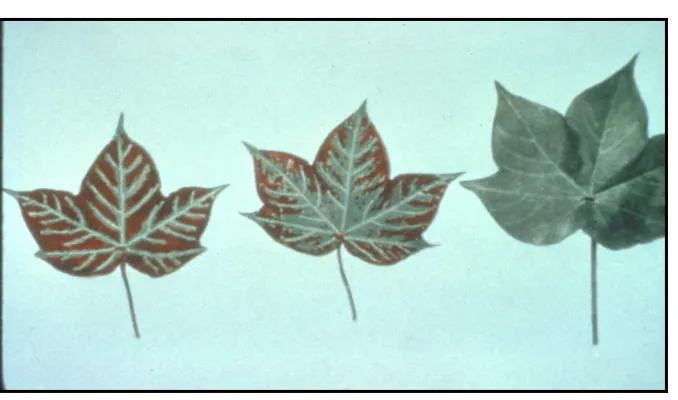
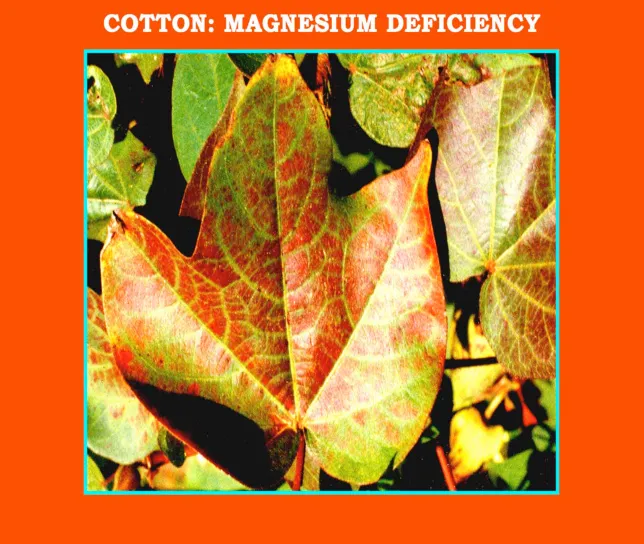
In cotton Mg deficiency leads o reddening of leaves and disorder is called as
reddening in cotton.
Sulphur
-
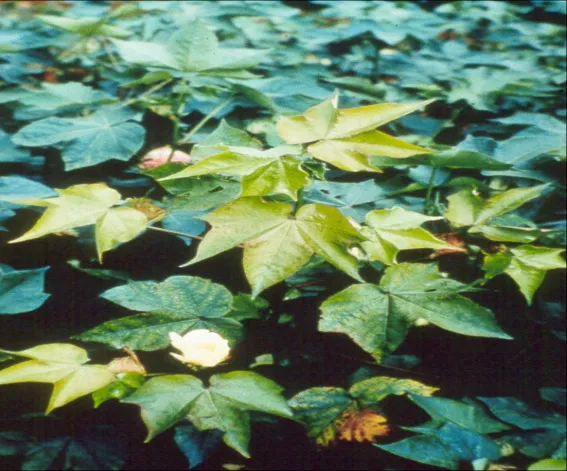
Deficiency causes chlorosis of the leaves
-
Tips and margins of the leaf roll in ward
-
Stem becomes hard due to the development of sclerenchyma.
Micronutrients
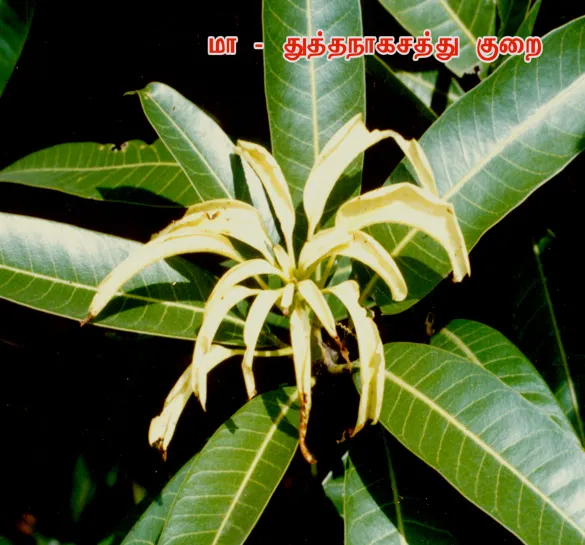
Iron
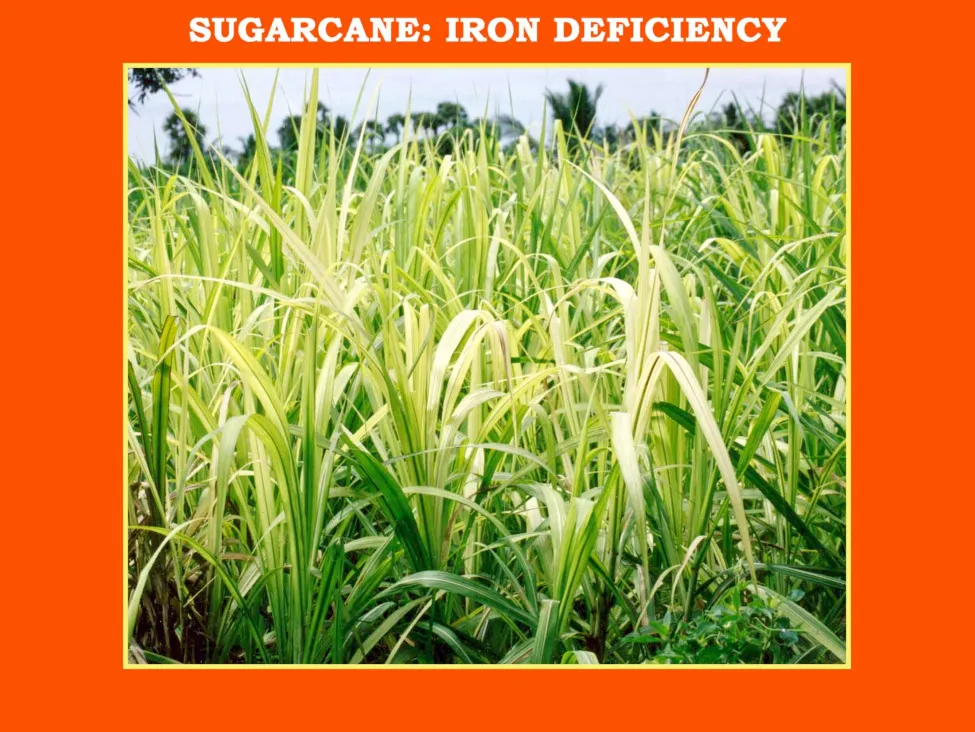
Iron deficiency causes chlorosis of young leaves which is usually interveinal.
Zinc
- Zinc deficiency causes chlorosis of the young leaves which starts from tips and the
margins
- The size of the young leaves is very much reduced. This disorder is called as ‘little
leaf disease’
- Stalks will be very short.
Manganese
-
The young leaves are affected by mottled chlorosis
-
Veins remain green
-
Small necrotic spots developed on the leaves with yellow strips
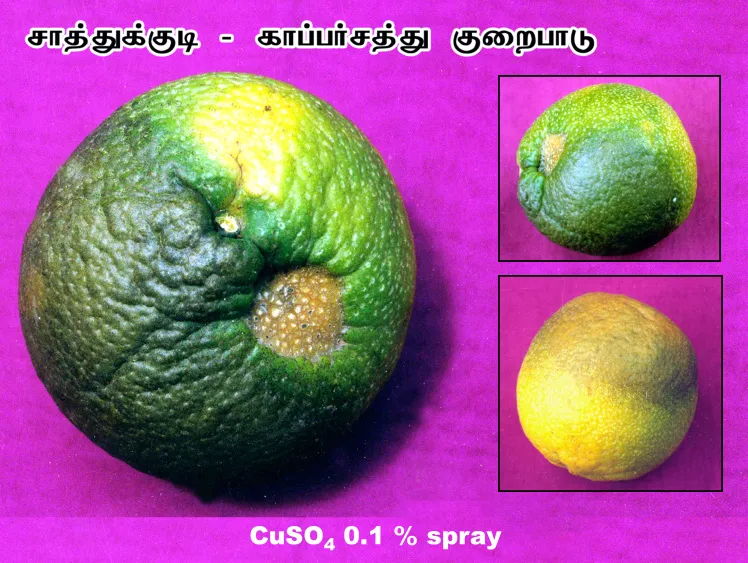
Copper
-
Copper deficiency causes necrosis of the tip of the young leaves
-
It also causes die-back of citrus and fruit trees
-
Also causes reclamation disease or white tip disease of cereals and leguminous plants.
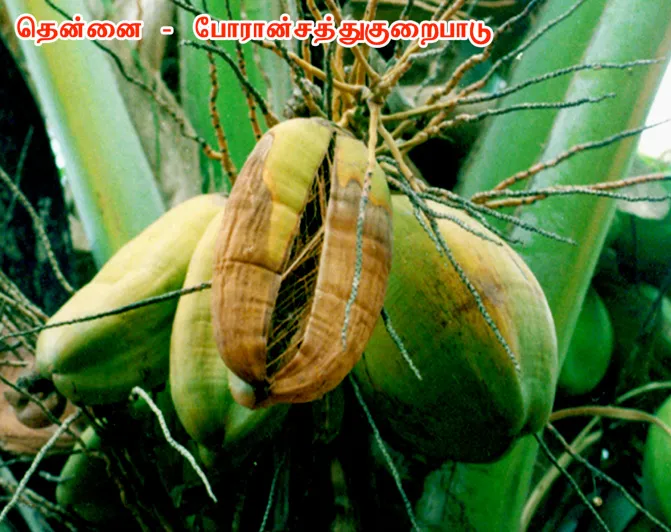
Boron
-
Boron deficiency causes death of shoot tip
-
Flower formation is suppressed
-
Root growth is stunted
-
The other diseases caused by B deficiency is
-
Heart rot of beet
-
Stem crack of celery
-
Brown heart of cabbage
-
Water core of turnip
-
Internal cork formation in apple
-
Hen and chicken in grapes
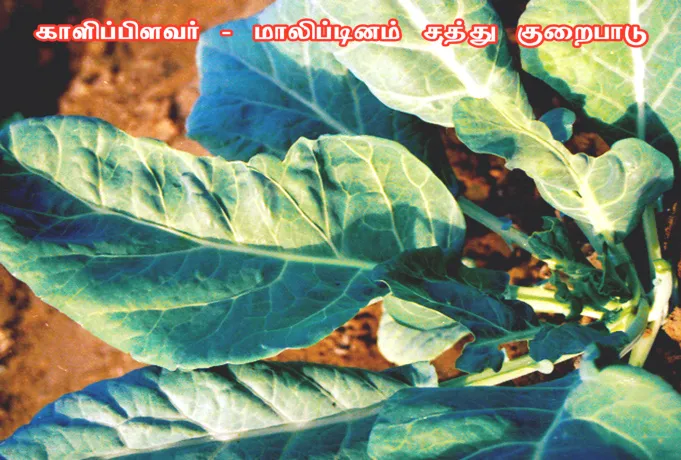
Molybdenum
-
Molybdenum deficiency causes interveinal chlorosis of older leaves
-
Flower formation is inhibited
-
Causes whiptail disease in cauliflower plants.
Foliar Nutrition
Foliar nutrition is fertilizing certain crop plants through aerial spraying.
Mechanism
Penetration of the spray solution or nutrient solution occurs through cuticle the layer
of polymerized wax which occurs on outer surface of the epidermal cells of leaves. After
penetration in the cuticle, further penetration take place through fine, thread like semi
microscopic structure called ectodesmata. This extends through the outer epidermal cell
wall, from the inner surface of the cuticle to the plasma membrane. When the substance
reaches plasma membrane of an epidermal cell, it will be observed by mechanism similar to
those which operate in root cells.
- Foliar nutrition may serve as a mean of applying supplemental macronutrients during
critical growth periods when it is impracticable to apply fertilizers to soil. Eg.
Unusual period of dry weather.
- Foliar nutrition may afford a remedy for the time lag between soil applied and plant
absorbed. Time is too long because of fast growing rates.
NUTRITIONAL DISORDERS
When a nutrient element insufficiency (deficiency and/or toxicity) occurs, visual
symptoms may or may not appear, although normal plant development will be slowed. When
visual symptoms do occur, such symptoms can frequently be used to identify the source of
the insufficiency.
Deficiency Symptoms
- Stunted or reduced growth of the entire plant with the plant itself either remaining
green or lacking an over-all green color with either the older or younger leaves being
light green to yellow in color.
- Chlorosis of leaves, either interveinal or of the whole leaf itself, with symptoms either
on the younger and/or older leaves, or both (chlorosis due to the loss or lack of
chlorophyll production).
- Necrosis or death of a portion (margins or interveinal areas) of a leaf, or the whole
leaf, usually occurring on the older leaves.
- Slow or stunted growth of terminals (rosetting), the lack of terminal growth, or death
of the terminal portions of the plant.
- A reddish purpling of leaves, frequently more intense on the under side of older
leaves due to the accumulation of anthocyanin (Mottling)
Chlorosis is caused by the deficiency of mineral elements such as Mn, K, Zn, Fe, Mg, S and
N. Mottling is caused due to the deficiencies of N, Mg, P, S and Necrosis due to the
deficiency of Mg, K, Zn, Ca and Mo.
Toxicity Symptoms
Visual symptoms of toxicity may not always be the direct effect of the element in
excess on the plant, but the effect of the excess element on one or more other elements. For
example, an excessive level of potassium (K) in the plant can result in either magnesium
(Mg) and/or calcium (Ca) deficiency, excess phosphorus (P) can result in a zinc (Zn)
deficiency and excess Zn in an iron (Fe) deficiency.
These effects would compare to elements, such as boron (B), chlorine (Cl), copper
(Cu), and manganese (Mn), which create visual symptoms that are the direct effect of an
excess of that element present in the plant.
Some elements, such as aluminum (Al) and copper (Cu) can affect plant growth and
development due to their toxic effect on root development and function.
Hidden Hunger
In some instances, a nutrient element insufficiency may be such that no symptoms of
stress will visually appear with the plant seeming to be developing normally. This condition
has been named hidden hunger, a condition that can be uncovered by means of either a plant
analysis and/or tissue test.
A hidden hunger occurrence frequently affects the final yield and the quality of the
product produced. For grain crops, the grain yield and quality may be less than expected; for
fruit crops, abnormalities, such as blossomed rot and internal abnormalities may occur, and
the post harvest characteristics of fruits and flowers will result in poor shipping quality and
reduced longevity. Another example is potassium (K) insufficiency in corn, a - deficiency
that is not evident until at maturity when plants easily
PHYSIOLOGICAL DISORDERS
Physiological disorder is the abnormal growth pattern or abnormal external or internal
conditions of fruits due to adverse environmental conditions such as deviation from normal
state of temperature, light, moisture, nutrient, harmful gases and inadequate supply of growth
regulators.
Disorders associated with low temperature
Leaf chlorosis and frost banding
Chlorosis was caused by a disruption of chloroplasts caused by winter cold. Green
chlorophyll pigments are often converted in to yellow pigment. Leaf may appear with distinct
bleached bands across the blade of young plants called frost banding e.g.: sugarcane, wheat
and barley.
Leaf necrosis and malformations
Spring frost causes various types and degree of injury including cupping, crinkling
finishing and curling of leaves of apple trees and stone fruits. The distortion is caused by
death of the developed tissues before the expansion of leaves.
- Stem disorders
Frost cracks develop when tree trunk or limps lost their heat too rapidly. The outer layer
of bark and wood cool most rapidly and subjected to appreciable tension causing marked
shrinkage and cracking following a sudden temperature drop. Affected timber is of poor
quality.
Disorders associated with high temperature
Leaf scorch
High temperature causes leaf scorch directly or indirectly by stimulating excessive
evaporation and transpiration. Tip burn of potato is a widespread example for this disorder.
Sunscald
In leaf vegetable crops like lettuce and cabbage, when leaves on the top of the head are
exposed to intense heat, water soaked lesions or blistered appearance occur These irregular
shaped areas become bleached and parched later.
Water core
In fruit crop like Tomato, exposure to high temperature causes death of the outer
cells of fruit skin. Subsequently corky tissue occurs beneath the skin, with watery appearance
of the flesh near the core of the fruits faster. Often light stress is coupled with heat stress e.g.
sun scald of bean, sun burning of soybean and cowpea. In flower crop like chrysanthemum,
increase in light intensity affects flower bud formation. Reproduction phase does not
commence and modified into leaf like bracts.
Disorders caused by light stress
Adverse light intensity causes impaired growth and reduced vigour. Subsequently
leaves gradually lose green colour, turning pale green to yellow, stems may dieback little
every year. Insufficient light limits photosynthesis, causing food reserves to be depleted.
Identification of Physiological Disorders and Corrective Measures
| Crop | Malady | Corrective measure |
|---|---|---|
| Rice | Severe chlorosis of leaves | 1%super phosphate and 0.5% ferrous sulphate |
| Rice | Irregular flowering and chaffiness multiple deficiency of nutrients |
1% super phosphate and magnesium sulphate. |
| Rice | Tip drying and marginal scoring and browning |
1%super phosphate and 0.5% zinc sulphate. |
| Maize | Chlorosis | A spray solution containing 0.5% ferrous sulphate and 0.5% urea. |
| Maize | 'White bud' yellowing in the bud leaves only |
0.5% zinc sulphate spray with 1% urea. |
| Maize | Tip drying and marginal scoring pinkish colouration of lower leaves |
1% super phosphate and 0.5% zinc sulphate. |
| Maize | Marginal scorching and yellowing. | 0.5% ferrous sulphate and 1%urea |
|---|---|---|
| Irregular drying of tips and margins | 25 kg of zinc sulphate / ha | |
| Sorghum | Chlorosis of younger leaves | Spray of 0.5% ferrous sulphate with 0.5%urea and 0.5% ammonium sulphate |
| Cowpea | Water soaked necrotic spots on leaf surface. Root growth very much restricted in 10-12 days old seedling |
Spray containing sulphate and zinc sulphate 0.1% and 0.1% urea |
| Groundnut | Chlorosis of terminal leaves | 0.5% ferrous sulphate and urea 1% |
Summary Cheat Sheet
Quick Recall Points
- Core definitions in this lesson should be revised first.
- Focus on section-wise concepts and their practical relevance in crop physiology.
- Revise key mechanisms, terms, and cause-effect relationships asked in exams.
Exam Traps
- Similar terms are often confused; verify definitions in context.
- Do not mix process description with outcome without stating conditions.
- Use correct biological terminology while answering descriptive questions.
References
1 source • [1]
References
Plant Physiology course notes (PPHY261)
BookLesson Doubts
Ask questions, get expert answers