BSc Agriculture
Scope, Career & Complete Guide 2026
Your complete guide to BSc Agriculture (B.Sc. Hons.) — a 4-year ICAR-aligned degree covering 21 subjects with 92+ courses and 1538+ lessons. Career paths (IBPS AFO, NABARD, FCI), salary up to ₹1L+/month, top colleges, competitive exams & complete study material.
What is BSc Agriculture?
BSc Agriculture (B.Sc. Hons. Agriculture) is a 4-year undergraduate degree (8 semesters) that covers the scientific and practical aspects of agriculture — from agronomy and soil science to genetics, entomology, and agricultural economics. Recognized by ICAR (Indian Council of Agricultural Research) and UGC, it is offered by 680+ colleges and 73 agricultural universities across India.
The course includes classroom learning, laboratory practicals, and a mandatory 6-month RAWE (Rural Agricultural Work Experience) program in the final year — ensuring graduates are job-ready from day one. With agriculture contributing 17.7% to India's GDP and employing 46.1% of the workforce, BSc Agriculture graduates have access to diverse career paths in government, private sector, research, and entrepreneurship.
BSc Agriculture Syllabus — 4-Year Breakdown
Agronomy, Soil Science, Genetics, Forestry, Horticulture, Rural Sociology, Biochemistry, Microbiology
Crop Production, Plant Pathology, Entomology, Agricultural Economics, Farm Machinery, Plant Breeding, Livestock Management
Seed Technology, IPM, Precision Farming, Problematic Soils, Agri Finance, Marketing, Extension Education
Agricultural Biotechnology, Protected Cultivation, RAWE (6-month field placement), Agribusiness Management, Project Work
BSc Agriculture — Key Numbers
Why Choose BSc Agriculture?
A versatile degree with unmatched career diversity — from banking to research to entrepreneurship.
Multiple Govt Exam Pathways
IBPS AFO, NABARD Grade A, FCI, State PSCs, UPSC IFS/IAS, ICAR Scientist — stable careers with salaries up to ₹1L+/month. Lower competition than general streams.
AgriTech Boom
India's AgriTech market: $24 billion projected with 2,800+ startups. Precision farming, AI analytics, drones, blockchain supply chains — all need agriculture domain experts.
Recession-Proof Sector
Agriculture continues regardless of economic cycles. 17.7% of GDP, 46.1% of employment. Government committed to doubling farmer income — continuous policy push and budget allocation.
Entrepreneurship Friendly
Organic farming, agri-consulting, mushroom cultivation, food processing, nurseries. PMFME scheme gives ₹10 lakh subsidy. India's organic food market: ₹53,000+ crore.
International Opportunities
FAO, World Bank, CGIAR centers (ICRISAT, IRRI, CIMMYT) offer global positions. MSc/PhD from SAUs qualifies for international research & consultancy roles.
Lower Competition, Higher Returns
Far less competitive than engineering/medical entrance exams. IBPS AFO has ~5x better selection ratio than IBPS PO. NABARD Grade A offers ₹85K+/month at entry level.
Study by Semester
All 8 semesters of BSc Agriculture — sequenced lecture notes aligned with ICAR curriculum.
BSc Agriculture Semester 1 Subjects & Syllabus
BSc Agriculture Semester 2 Subjects & Syllabus
BSc Agriculture Semester 3 Subjects & Syllabus
BSc Agriculture Semester 4 Subjects & Syllabus
BSc Agriculture Semester 5 Subjects & Syllabus
BSc Agriculture Semester 6 Subjects & Syllabus
BSc Agriculture Semester 7 Elective Subjects & Syllabus
BSc Agriculture Semester 8 — Student READY Programme
Study by Subject
Deep-dive into individual subjects — 92+ courses across 21 disciplines.

Agronomy 🌾
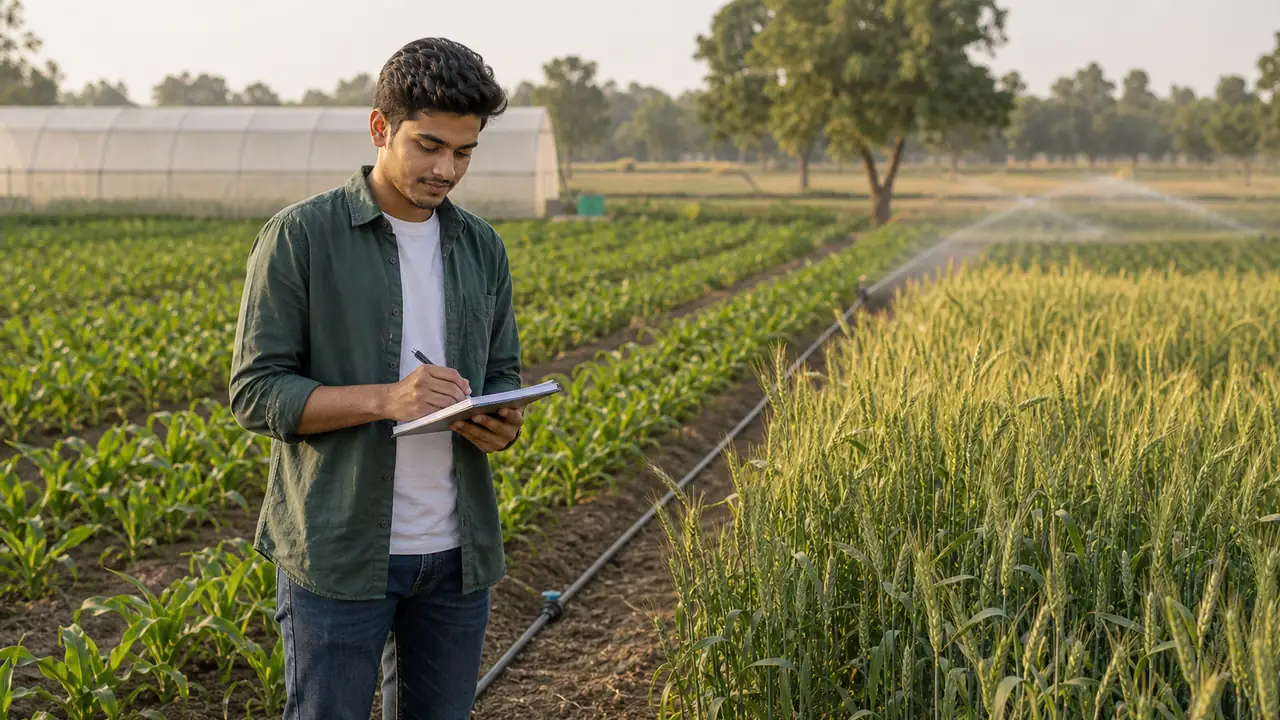
Agronomy study material for BSc Agriculture students, covering crop production, crop management, water, weather, weeds, and farming systems.

Horticulture
A practical BSc Agriculture horticulture gateway covering core crop production, propagation, floriculture, plantation crops, and post-harvest topics.

Soil Science 🪨
Core Soil Science courses for BSc Agriculture covering soil formation, properties, fertility, nutrient management, fertilizers and problematic soils.
Entomology 🦗
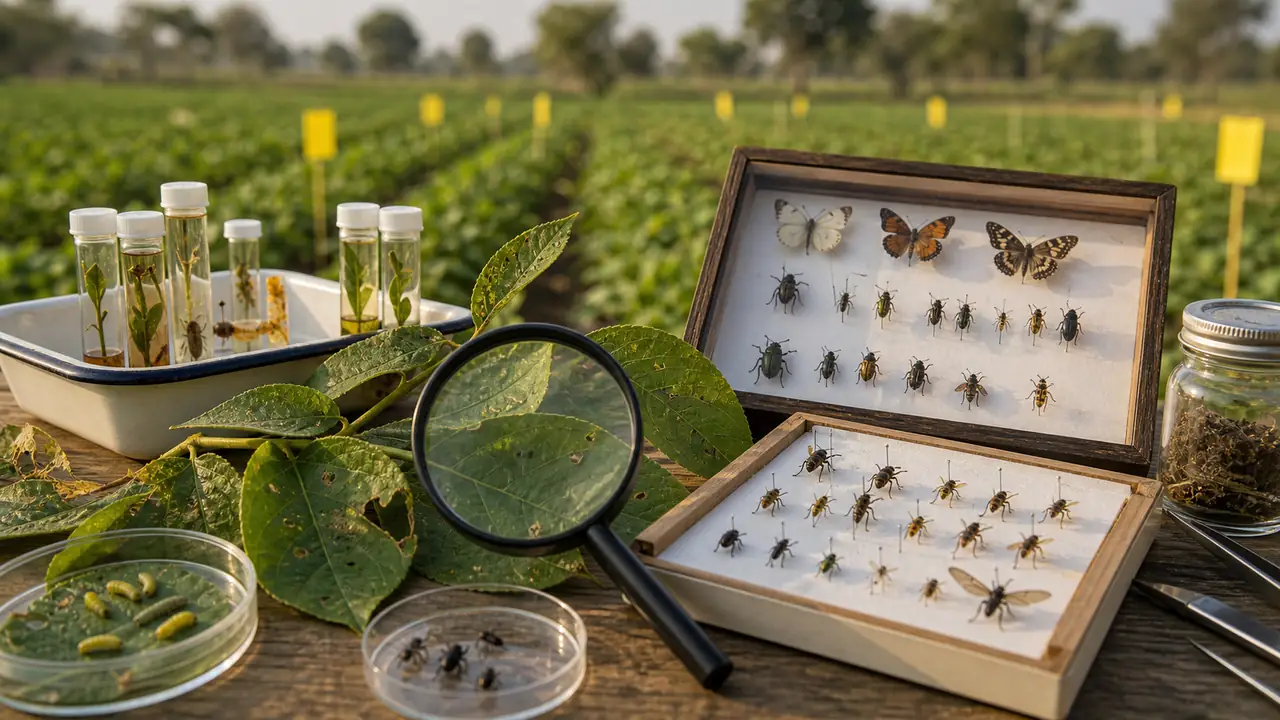
Entomology study material for BSc Agriculture students, covering insect structure, ecology, pest management, and beneficial insects.
Plant Pathology
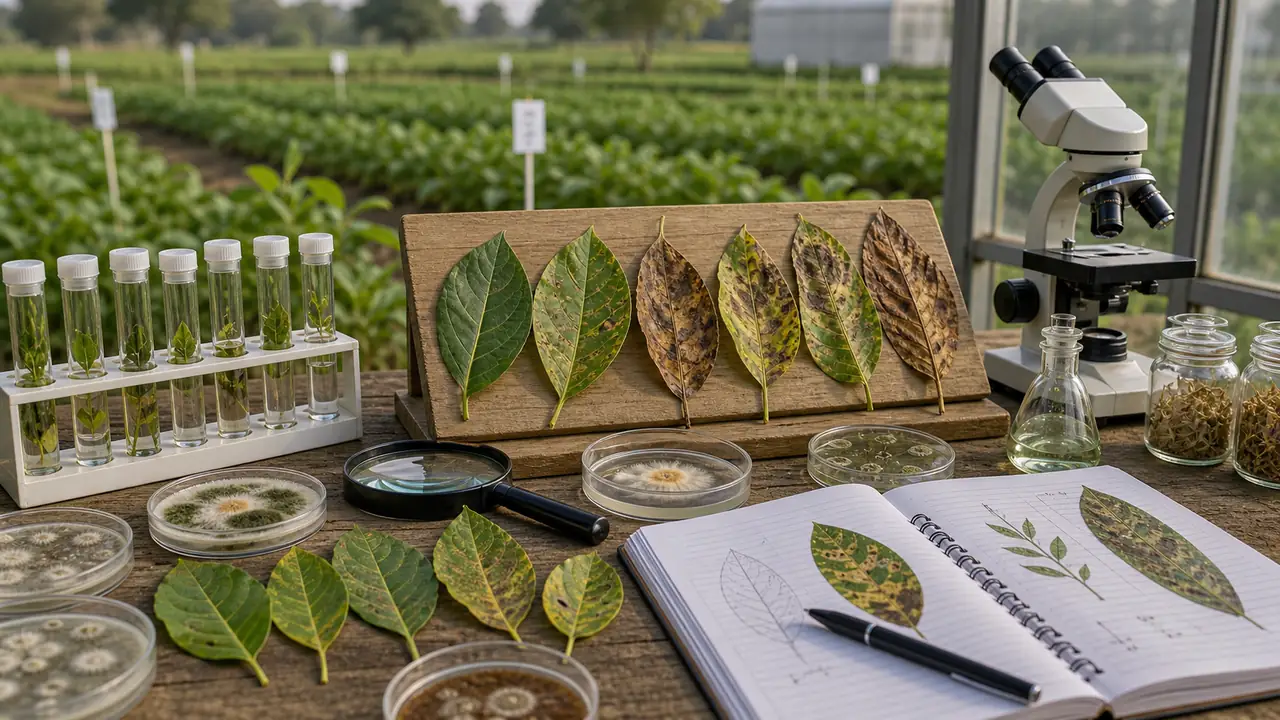
Core BSc Agriculture Plant Pathology courses covering plant pathogens, nematodes, crop diseases, and practical disease management.
Genetics & Plant Breeding 🧬
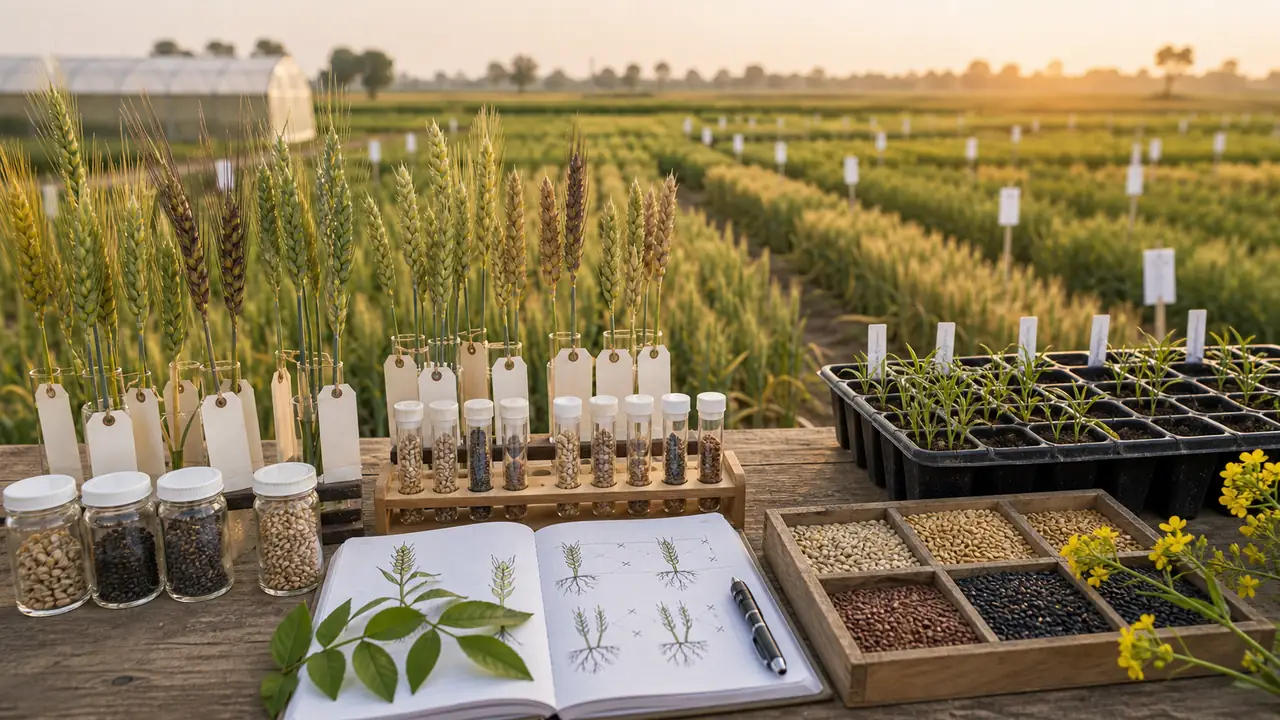
Core BSc Agriculture study section covering genetics, seed technology, plant breeding, crop improvement, and plant biotechnology.
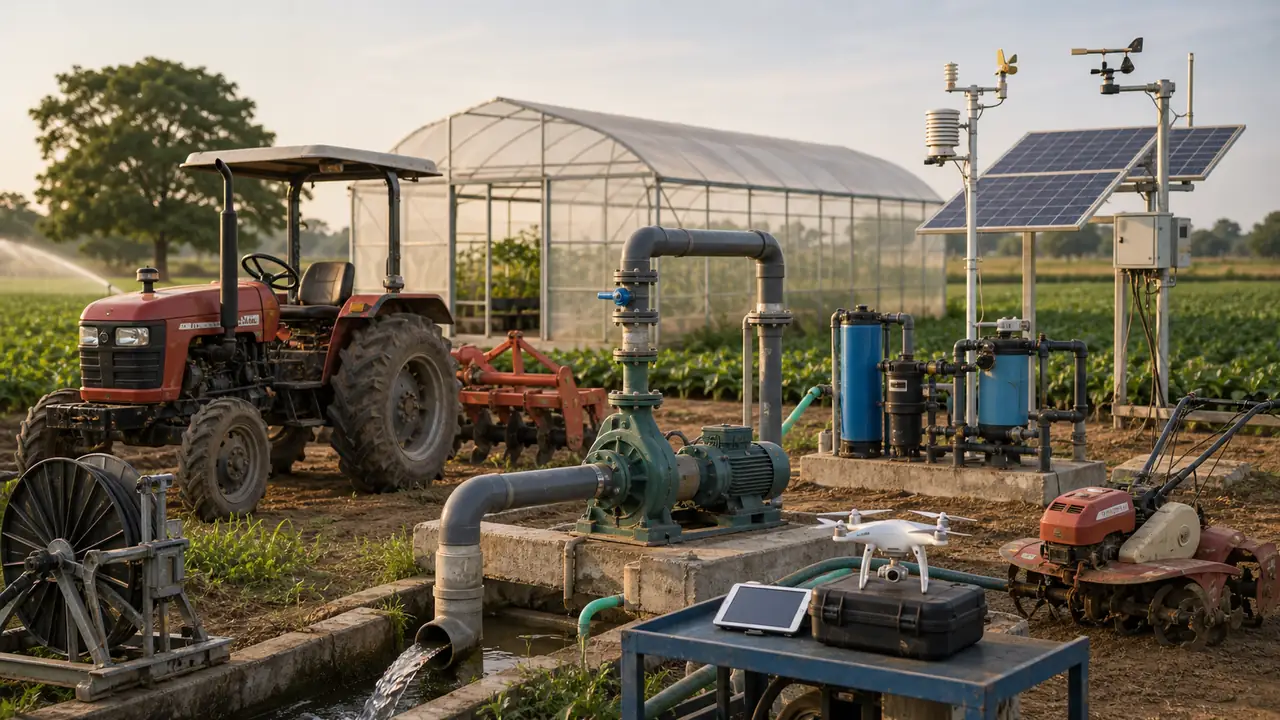
Agricultural Engineering ⚙️
Agricultural Engineering study material for BSc Agriculture students, covering machinery, water, structures, post-harvest systems, and renewable energy.
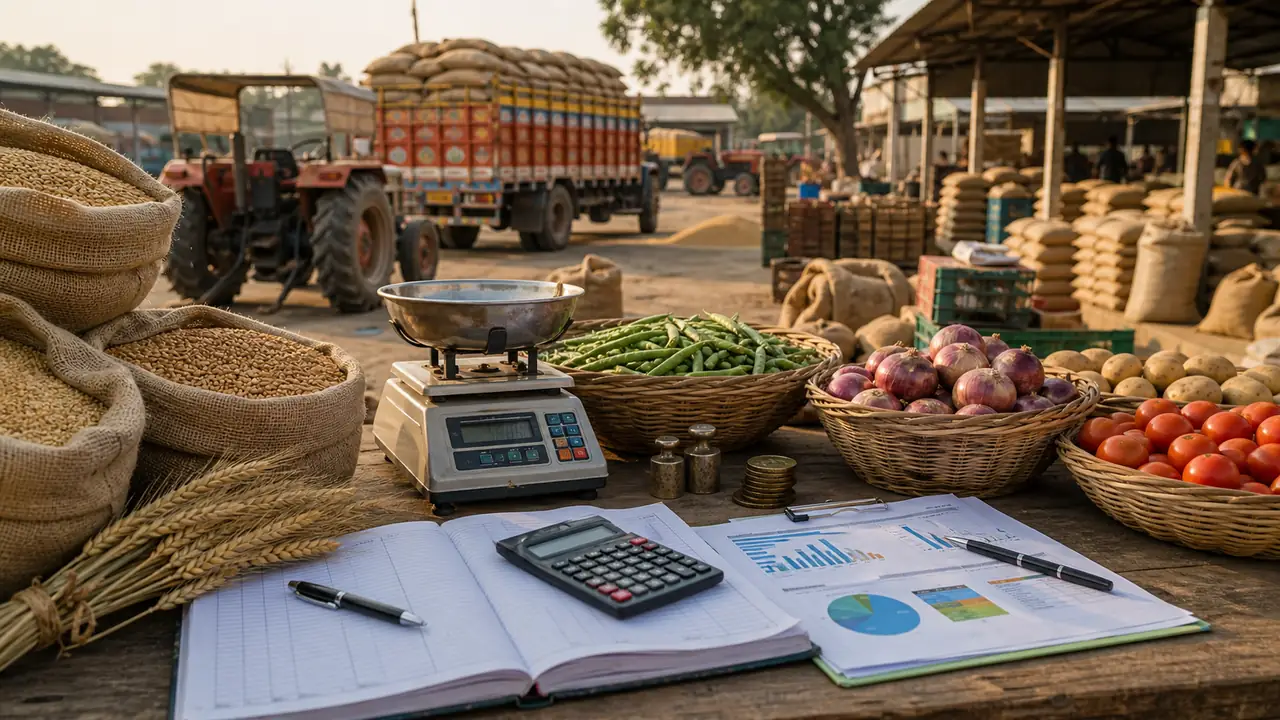
Agricultural Economics 📊
Agricultural Economics study material for BSc Agriculture students, covering economics, finance, marketing, agribusiness, and farm management.
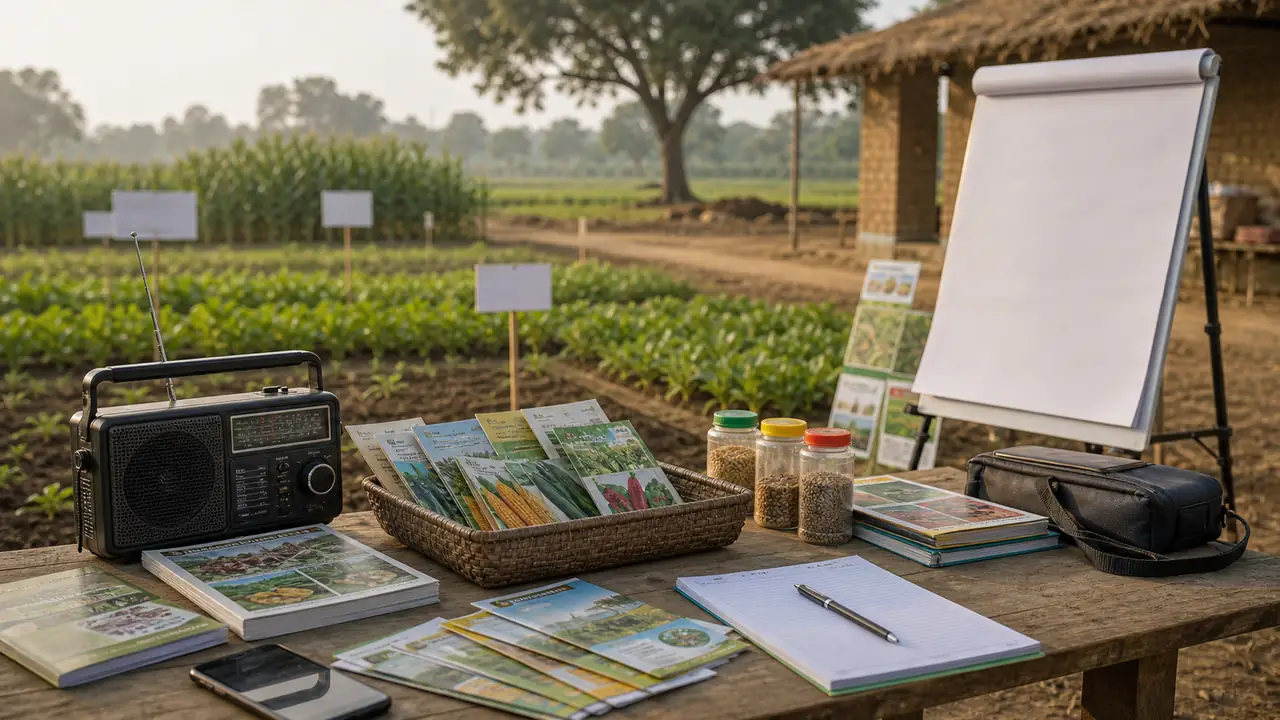
Agricultural Extension 📢
Agricultural Extension study material for BSc Agriculture students, covering communication, rural development, extension methods, and entrepreneurship.
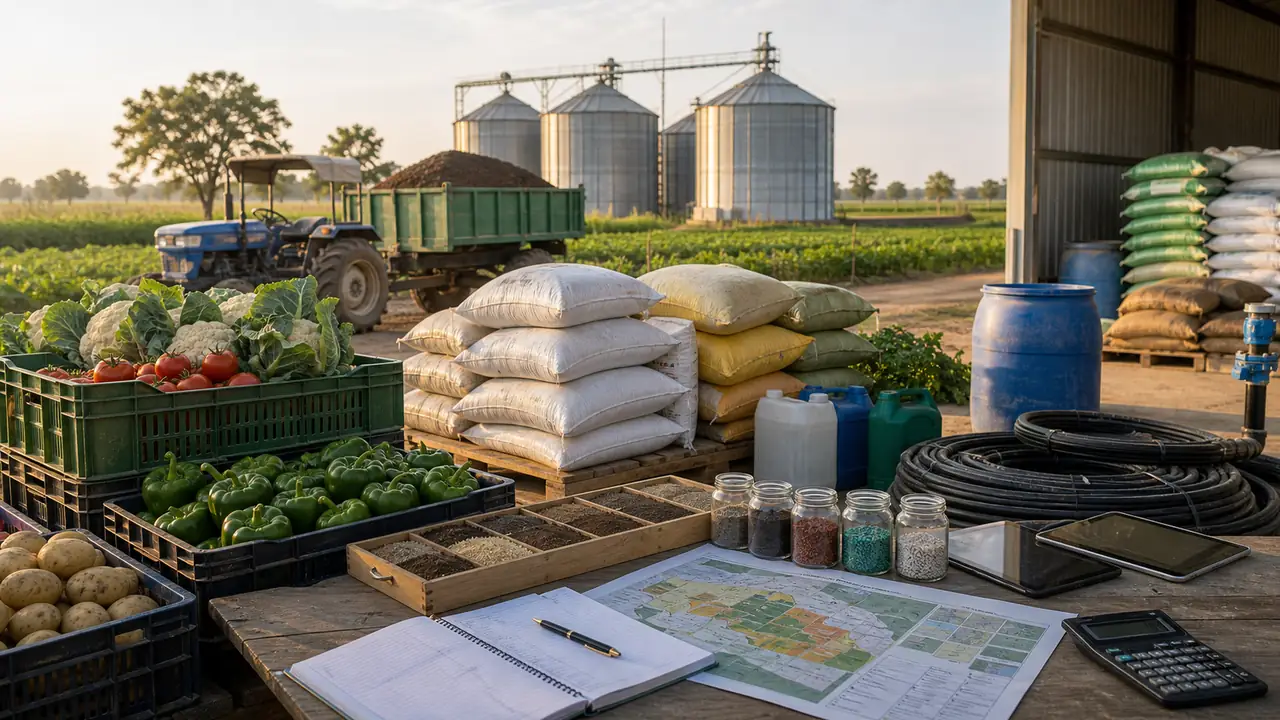
Agri Resource Management 🏢
Agri Resource Management study material for BSc Agriculture students, with entrepreneurship and enterprise-oriented course support.
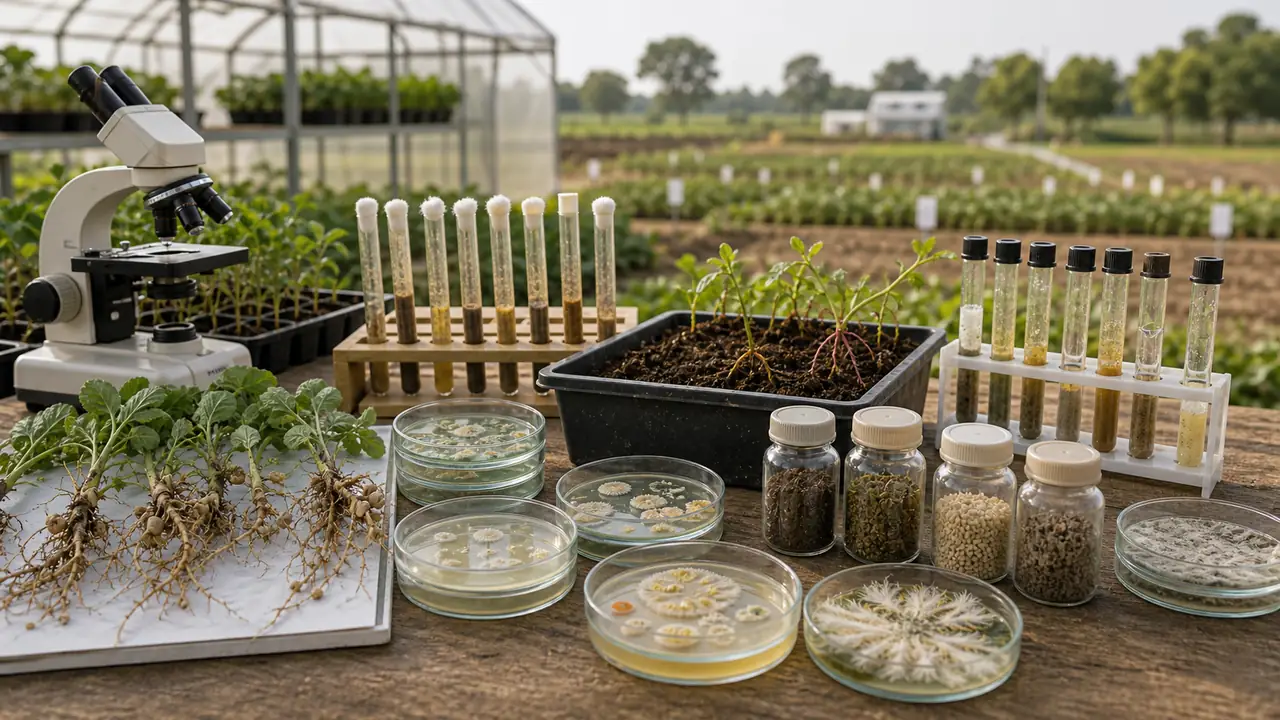
Agricultural Microbiology 🔬
Agricultural Microbiology study material for BSc Agriculture students, covering soil microbes, nutrient transformations, biofertilizers, and biological crop support systems.

Biochemistry 🧪
Biochemistry study material for BSc Agriculture students, covering biomolecules, metabolism, plant biochemistry, and molecular agricultural foundations.
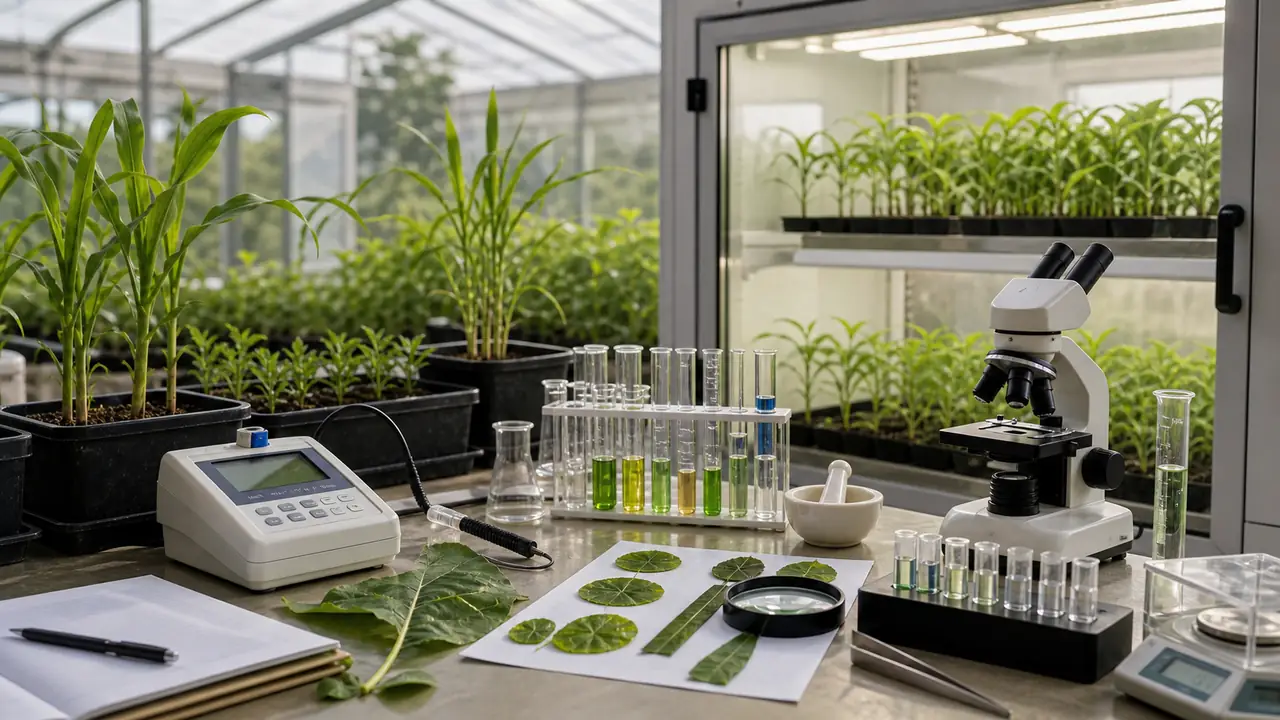
Plant Physiology
Practical BSc Agriculture subject gateway covering plant physiology concepts, course links, study direction, and key themes for crop performance and productivity.

Statistics & Computer 📐
Core BSc Agriculture modules covering data analysis, agri-informatics, applied mathematics, and intellectual property rights for academic and competitive-exam preparation.
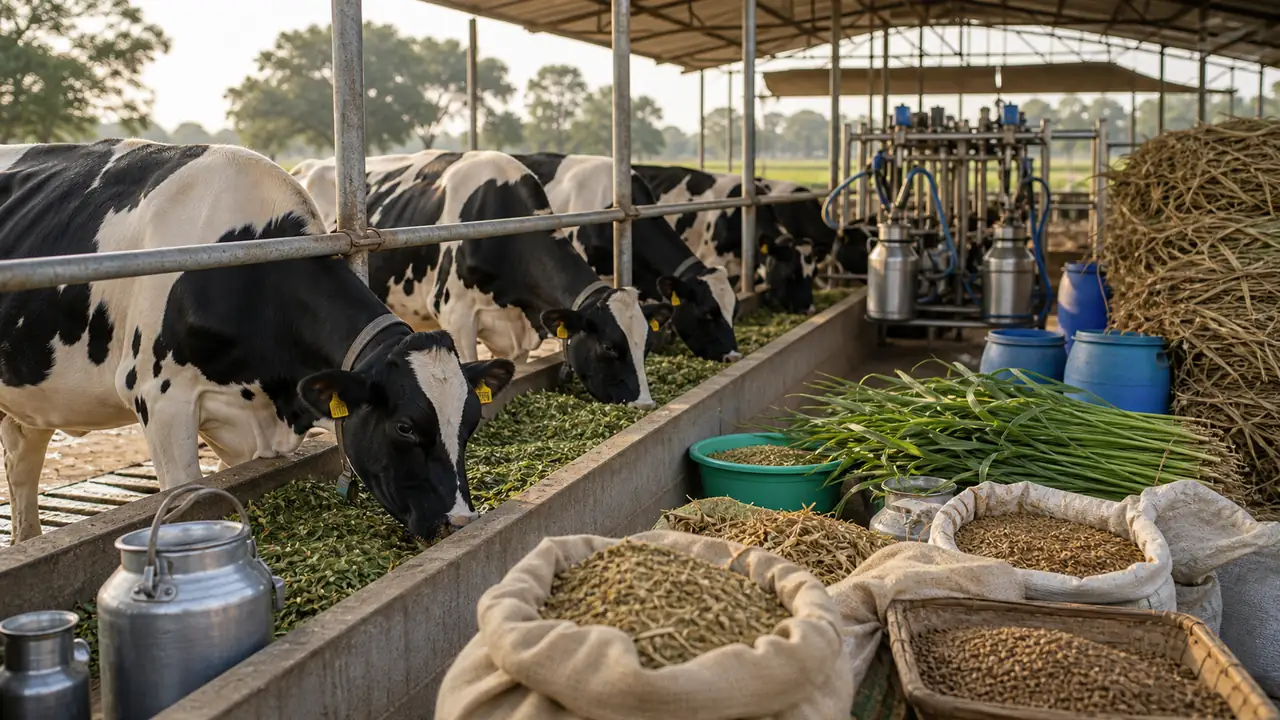
Livestock Production 🐄
Gateway to BSc Agriculture livestock production topics, with practical coverage of animal management, feeding, breeding, housing, and health.
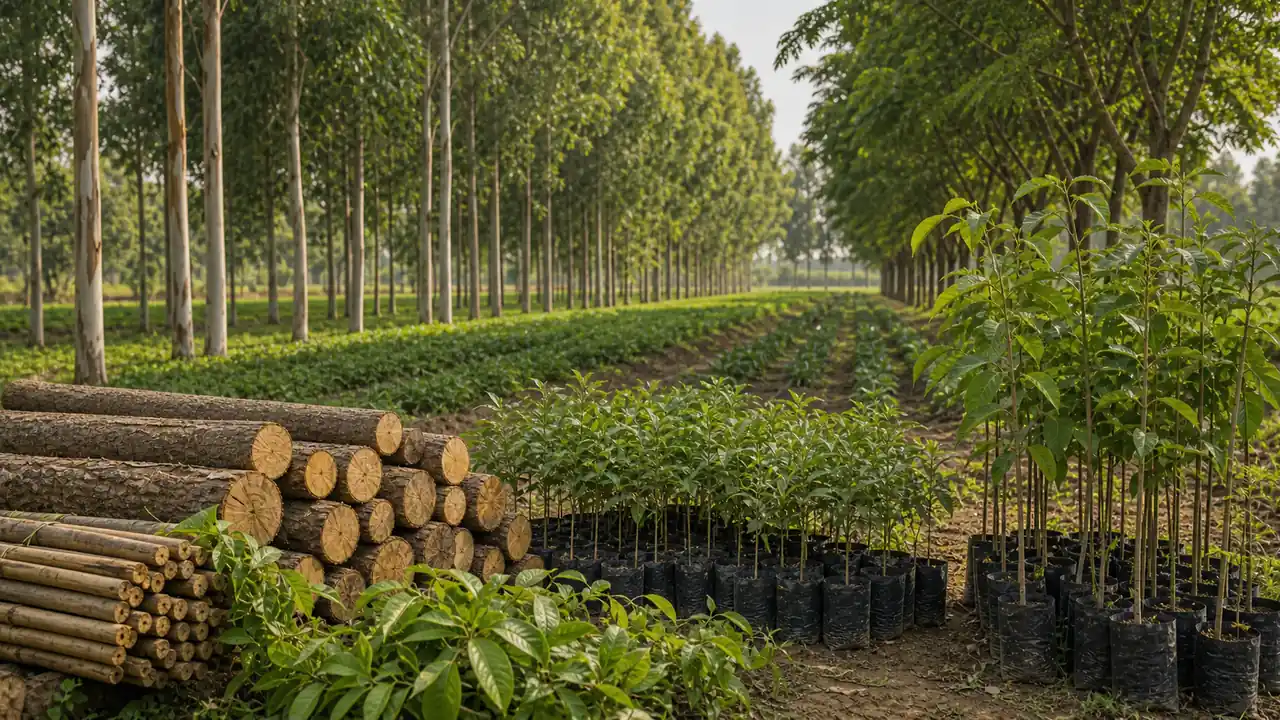
Forestry 🌲
Forestry study material for BSc Agriculture students, covering social forestry, farm forestry, agroforestry systems, and practical forestry concepts.
Environmental Science 🌍
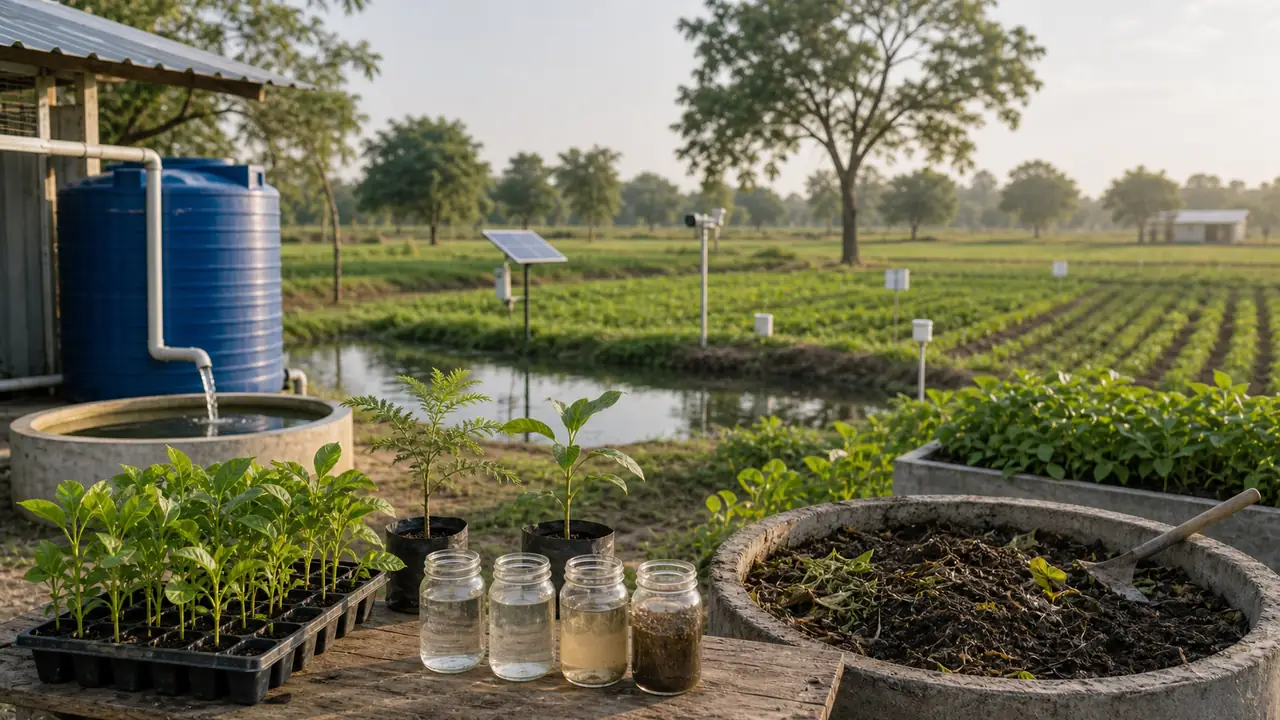
Environmental Science study material for BSc Agriculture students, covering ecology, sustainability, pollution, biodiversity, and environmental management.

Communication English 📝
Communication English study material for BSc Agriculture students, covering comprehension, writing, and practical communication skills.
Food Science & Technology 🍽️
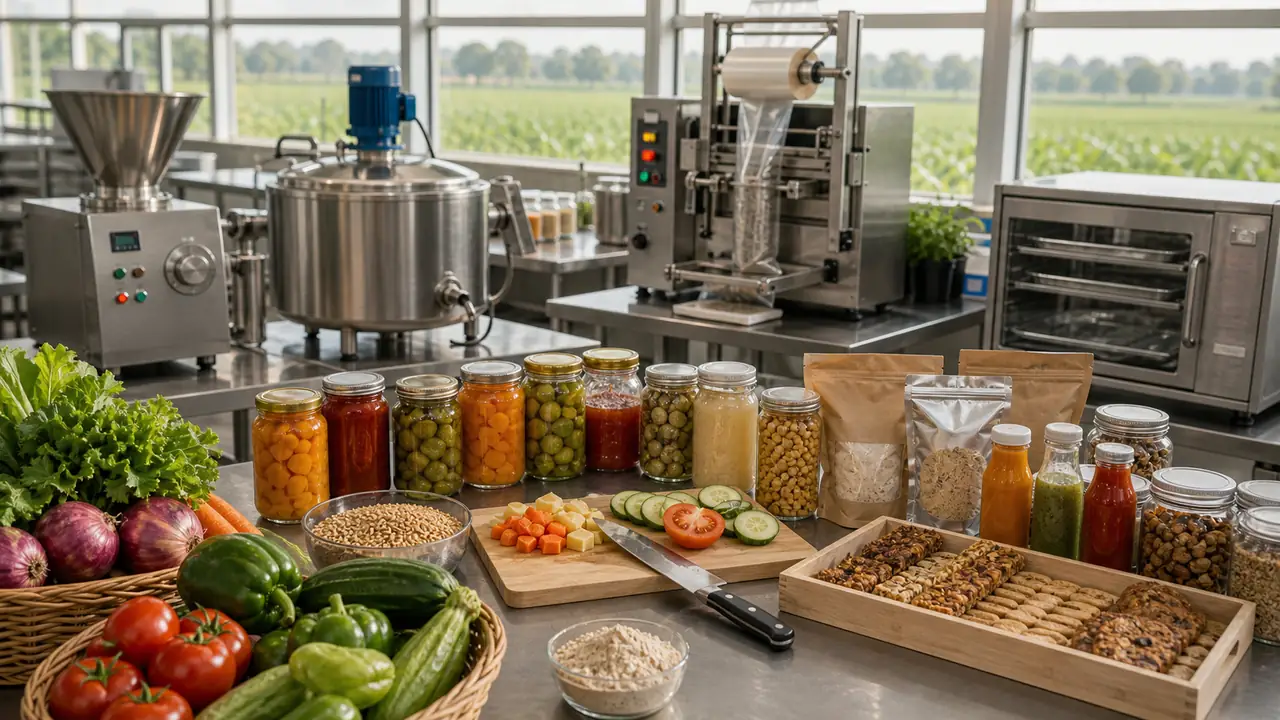
A practical gateway to BSc Agriculture Food Science and Technology covering food science, nutrition, quality, processing, and safe food systems.

Remedial Courses 📘
Foundation and bridging courses for BSc Agriculture students to strengthen biology, mathematics, and agricultural background.
Elective Courses 🎯
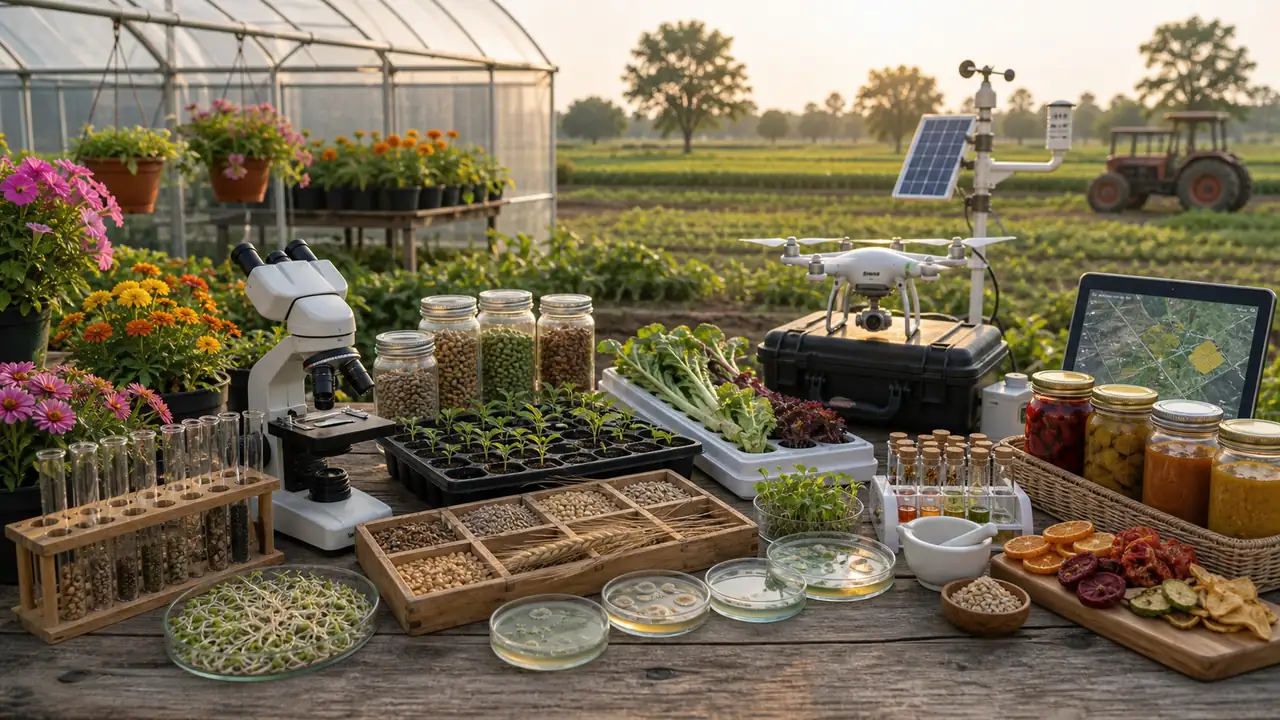
Elective course study material for BSc Agriculture students, covering specialization areas such as agribusiness, biotechnology, horticulture, sustainability, food science, and precision farming.
About BSc Agriculture & Syllabus
Career guides, eligibility info, ICAR 6th Dean's Committee syllabus, and online courses.
BSc Agriculture Syllabus — ICAR 6th Deans' Committee 2024
Programme guide covering the ICAR 6th Deans' Committee 2024 syllabus, semester structure, credits, assessment, outcomes, and NEP-linked curriculum design.

BSc Agriculture Guide 2026: Course Details, Eligibility, Subjects, Scope, Salary & Government Jobs
Complete BSc Agriculture 2026 guide covering what the degree is, who should choose it, eligibility, subjects, scope, salary, and major exam and career routes.
Top BSc Agriculture Colleges in India
NIRF 2025Rankings based on NIRF 2025 Agriculture category.
| # | Institution |
|---|---|
| 1 | Indian Agricultural Research Institute (IARI) |
| 2 | National Dairy Research Institute (NDRI) |
| 3 | Punjab Agricultural University (PAU) |
| 4 | Banaras Hindu University (BHU) |
| 5 | Tamil Nadu Agricultural University (TNAU) |
| 6 | CCS Haryana Agricultural University |
| 7 | G.B. Pant University (GBPUAT) |
| 8 | University of Agricultural Sciences |
| 9 | Acharya N.G. Ranga Agricultural University |
| 10 | Kerala Agricultural University |
Source: NIRF Rankings 2025, Agriculture Category. 680+ colleges offer BSc Agriculture across India.
Career Scope After BSc Agriculture
From government banking to AgriTech startups — BSc Agriculture opens more doors than any other agriculture qualification.
Government Jobs After BSc Agriculture
NABARD Grade A
₹85,000–1,00,000/moNABARD
Highest entry-level govt salary for agriculture graduates
IBPS AFO
₹48,000–55,000/moPublic Sector Banks
Agriculture Field Officer in nationalized banks
FCI Manager
₹40,000–71,000/moFood Corporation of India
33,566 vacancies in 2025 cycle — massive recruitment
State Agriculture Officer
₹44,000–56,000/moState PSCs
RPSC, UPPSC, MPPSC, BPSC — Group A/B positions
ICAR Scientist
₹57,700 basic (Level 10)ICAR Institutes
Research positions at 100+ ICAR institutes via ASRB NET
UPSC IFS / IAS
₹56,100+ basicCentral Government
Agriculture as optional subject in Civil Services & Forest Service
Private Sector Careers
Seed & Agrochemicals
₹3–15 LPASyngenta, Bayer, Corteva, UPL
Food Processing
₹3–18 LPANestlé, ITC, Britannia, Amul
AgriTech Startups
₹4–25 LPADeHaat, Ninjacart, AgroStar, CropIn
Agribusiness
₹4–8 LPACargill, Olam, Adani Wilmar, Godrej Agrovet
Consulting
₹6–15 LPAEY, Deloitte, McKinsey (Agri practice)
Salary After BSc Agriculture
| Career Level | Government (Monthly) | Private (Annual) |
|---|---|---|
| Entry Level (0-2 years) | ₹35,000–55,000 | ₹2.5–5 LPA |
| Mid Level (3-5 years) | ₹65,000–1,00,000 | ₹5–9 LPA |
| Senior Level (5-10 years) | ₹85,000–1,50,000 | ₹9–18 LPA |
| Leadership (10+ years) | ₹1,50,000–2,00,000+ | ₹18–35 LPA |
★ Highest entry-level: NABARD Grade A at ₹85,000–1,00,000/month in-hand. IBPS AFO at ₹48,000–55,000/month. FCI had 33,566 vacancies in 2025 — one of the largest agriculture recruitment cycles ever.
Higher Studies After BSc Agriculture
MSc Agriculture
2 yearsEntrance: CUET PG / ICAR AIEEA-PG
Specializations: Agronomy, Soil Science, Genetics, Entomology, Horticulture
MBA Agribusiness
2 yearsEntrance: CAT / MAT / ICAR
IIM Ahmedabad FABM, MANAGE Hyderabad, NAARM
PhD Agriculture
3–5 yearsEntrance: ICAR AICE JRF/SRF
Fellowship: ₹31,000/month (Yr 1-2), ₹35,000/month (Yr 3+) + HRA
ICAR NET/JRF
Entrance: NTA conducted
Qualifies for Assistant Professor + Junior Research Fellowship
Entrepreneurship Opportunities
PMFME scheme provides ₹10 lakh subsidy for micro food processing units. Startup India supports agri-entrepreneurs.
Competitive Exams After BSc Agriculture
BSc Agriculture qualifies you for more government exams than almost any other undergraduate degree.
Tier 1 — Most Popular & Highest Paying
| Exam | Posts/Year | Salary |
|---|---|---|
| IBPS AFO | 800–1,200 | ₹48K–55K/mo |
| NABARD Grade A | 80–150 | ₹85K–1L/mo |
| FCI AG-III | 33,566 (2025) | ₹40K–71K/mo |
| ICAR NET/JRF | Asst. Professor + JRF | ₹31K/mo fellowship |
Tier 2 — State & Central Government
Tier 3 — PG Entrance Exams
Preparing for CUET Agriculture? We cover that too.
AgriDots has a dedicated CUET Agriculture 2026 course with all 4 units and AI quizzes.
AI-Powered Learning System
Every lesson is an active learning experience. AI generates questions as you read, analyzes your answers, and schedules revisions — all built into the platform.
Read & Answer
Each lesson is divided into concept blocks. After reading a concept, tap the ? button — AI generates an MCQ from that exact paragraph to test your understanding.
Get AI Feedback
After completing all questions, AI analyzes your answers and gives personalized feedback — what you got right (Glows) and what to revisit (Grows).
Recall & Retain
The FSRS algorithm schedules review sessions at scientifically optimal intervals. Concepts you got wrong come back sooner — ones you mastered, later.
Inline Concept Questions
AI generates MCQs from each concept paragraph. Wrong answers highlight the exact source text so you can re-read and understand.
Section Quiz + Feedback
End-of-lesson quiz with 5 AI-generated questions. Get Glows (strengths) and Grows (weak areas) with direct links to concepts to revisit.
FSRS Spaced Repetition
Built on the FSRS algorithm used by Anki. Concepts you struggle with appear more frequently. Mastered ones are spaced out — no wasted revision time.
Source Highlighting
When you answer wrong, AI highlights the exact sentences in the lesson where the answer was. Scroll back, re-read, and learn from mistakes.
Which process converts NH₄⁺ to NO₃⁻?
Listen to Your Notes
Built-in text-to-speech in every lesson
Turn any lesson into an audio experience. Listen while commuting, walking, or revising before sleep. Supports English & Hindi voices with adjustable speed.
Translate in 22 Languages
All scheduled Indian languages supported
Read any lesson in your mother tongue. AI translates while keeping technical terms in English — so you understand concepts without losing scientific accuracy.
Frequently Asked Questions — BSc Agriculture
What is BSc Agriculture?
BSc Agriculture (B.Sc. Hons. Agriculture) is a 4-year undergraduate degree covering scientific and practical aspects of agriculture — agronomy, soil science, genetics, entomology, horticulture, and more. Recognized by ICAR and UGC, it includes 6 months of Rural Agricultural Work Experience (RAWE) for hands-on training. Over 680+ colleges offer this course across India.
What is the scope of BSc Agriculture in India?
BSc Agriculture has excellent scope in India. Career options include: (1) Government jobs — IBPS AFO (₹48K–55K/mo), NABARD Grade A (₹85K–1L/mo), FCI, State Agriculture Officers, ICAR Scientist, UPSC IFS/IAS; (2) Private sector — seed companies, agritech startups, food processing MNCs; (3) Higher studies — MSc Agriculture, MBA Agribusiness, PhD; (4) Entrepreneurship — organic farming, agri-consulting, food processing. Agriculture contributes 17.7% to India's GDP and employs 46.1% of the workforce.
What is the salary after BSc Agriculture?
Salary varies by career path. Government: NABARD Grade A (₹85,000–1,00,000/month in-hand), IBPS AFO (₹48,000–55,000/month), FCI (₹40,000–71,000/month), State Agri Officers (₹44,000–56,000/month). Private sector: Entry level ₹2.5–5 LPA, mid-level ₹5–9 LPA, senior ₹9–18 LPA. AgriTech startups: ₹4–25 LPA. With MBA/MSc, leadership roles pay ₹18–35 LPA.
What government jobs are available after BSc Agriculture?
Major government exams: IBPS AFO (Agriculture Field Officer in banks), NABARD Grade A/B (Assistant Manager), FCI (33,566 vacancies in 2025), State PSC Agriculture Officers (RPSC, UPPSC, MPPSC), ICAR Scientist via ASRB NET, UPSC IFS (Indian Forest Service), UPSC Civil Services with Agriculture optional, Soil Conservation Officer, Seed Certification Officer, and KVK Subject Matter Specialist.
What are the subjects in BSc Agriculture?
BSc Agriculture covers 15+ disciplines over 4 years: Agronomy, Soil Science, Genetics & Plant Breeding, Entomology, Plant Pathology, Agricultural Economics, Extension Education, Horticulture, Agricultural Engineering, Agricultural Statistics, Agricultural Biotechnology, Animal Husbandry, Agroforestry, Nematology, and Food Science. Year 4 includes a 6-month Rural Agricultural Work Experience (RAWE) field placement.
Is BSc Agriculture worth it in 2026?
Absolutely. Agriculture contributes 17.7% to India's GDP and employs 46.1% of the workforce. The AgriTech sector ($24 billion projected market with 2,800+ startups) is booming. Government exams like IBPS AFO, NABARD, FCI offer stable high-paying careers. BSc Agriculture has lower competition than general engineering/medical streams while offering diverse career paths — government, private sector, research, and entrepreneurship.
Can I do MBA after BSc Agriculture?
Yes, MBA Agribusiness is a highly rewarding path. Top options: IIM Ahmedabad FABM (Food & Agribusiness Management), MANAGE Hyderabad, NAARM, and other IIMs via CAT/MAT. An MBA after BSc Agriculture opens leadership roles in agribusiness companies at ₹18–35 LPA. You can also pursue MSc Agriculture, PhD (ICAR JRF fellowship ₹31,000/month), or ICAR NET for Assistant Professor positions.
What makes AgriDots the best platform for BSc Agriculture students?
AgriDots is India's first AI-driven agriculture education platform built specifically for agriculture students. Our 1,400+ lessons cover all 21 ICAR-aligned BSc Agriculture subjects with AI quizzes powered by FSRS spaced repetition — so you remember what you study. Whether you're preparing for semester exams, ICAR JRF, IBPS AFO, or NABARD, AgriDots is your one-stop platform. Free to start.
What is the fee for BSc Agriculture?
Government colleges: ₹5,000–50,000/year. Private colleges: ₹50,000–3,00,000/year. Total 4-year cost ranges from ₹20,000 (government) to ₹12,00,000 (top private). Central universities like BHU and AMU have very affordable fees. ICAR provides scholarships and fee waivers for meritorious students.
How to get admission in BSc Agriculture?
Multiple pathways: (1) CUET UG — for central universities (DU, BHU, AMU, 275+ universities), select Agriculture Code 302; (2) State entrance exams — UPCATET, CG PAT, MHT CET, BCECE; (3) ICAR AIEEA (now merged into CUET for most institutions); (4) University-level exams. Eligibility: Class 12 with Biology/Agriculture, 50%+ marks.
What is the difference between BSc Agriculture and BSc Horticulture?
BSc Agriculture is a broader degree covering agronomy, soil science, genetics, entomology, economics, and more across all crop production aspects. BSc Horticulture specializes in fruits, vegetables, flowers, medicinal plants, landscaping, and post-harvest technology. Both have similar career prospects, but BSc Agriculture has more government exam eligibility and wider job market.
Choose Your Plan
No hidden fees. No locked content. Full access to every feature from day one.
₹59 charged monthly · Cancel anytime
Best for students who want full course access without AI features
🔒 Secure via Razorpay · No hidden fees
What's included
- All Agriculture & Banking Courses
- Summaries & Mind Maps
- Watch Already-Generated Classrooms
- Static Lesson Quizzes
- XP, Levels, Leaderboard & Badges
- IBPS · UP AGTA · ICAR · ASRB · SBI · RRB
- AI Doubt Solver
- Spaced Repetition Recall (FSRS)
- 22 Indian Language Translation
- Audio Lessons
Now ₹99/month · was ₹199
₹99 charged monthly · No yearly commitment
You save ₹100/month vs original price
🔒 Secure via Razorpay · No hidden fees
Everything in one plan
- All Agriculture & Banking Courses
- Unlimited AI-Powered Lesson Tests
- Audio Lessons — Hindi & English
- Interactive Infographics & Mind Maps
- Spaced Repetition Recall (FSRS)
- Glows & Grows AI Study Feedback
- 22 Indian Language Translation
- Pomodoro Focus Timer & Planner
- XP Points, Levels & Leaderboard
- Achievement Badges & Milestones
- Daily Streaks & Smart Reminders
- Memory Health Dashboard
- Instant Search Across All Content
- Live Telegram Feed Mirror
- Mock Tests & Previous Year Papers
- IBPS · UP AGTA · ICAR · ASRB · SBI · RRB
Billed monthly · 100 voice sessions/month
Everything in Pro + Voice AI Teacher
Seats Full — Launching SoonJoin the waitlist on the Pro page
Everything in Pro, plus:
- Voice Revision SessionsAsk doubts in Hindi or English. 100 sessions/month.
- AI Revision AssistantPersonalized revision based on weak areas. Adaptive difficulty.
- Knowledge Gap AnalysisSee exactly which concepts you're weak in before exam day.
- Live Doubts AnsweringReal-time voice chat with your AI teacher, 24/7.
Still thinking?
Start free — read 5 lessons, solve previous year papers, and see why 2000+ agriculture students trust AgriDots. No credit card required.
Prefer solving by subject and chapter first? Use the agriculture topic-wise question practice hub.