Agronomy 🌾
Agronomy study material for BSc Agriculture students, covering crop production, crop management, water, weather, weeds, and farming systems.
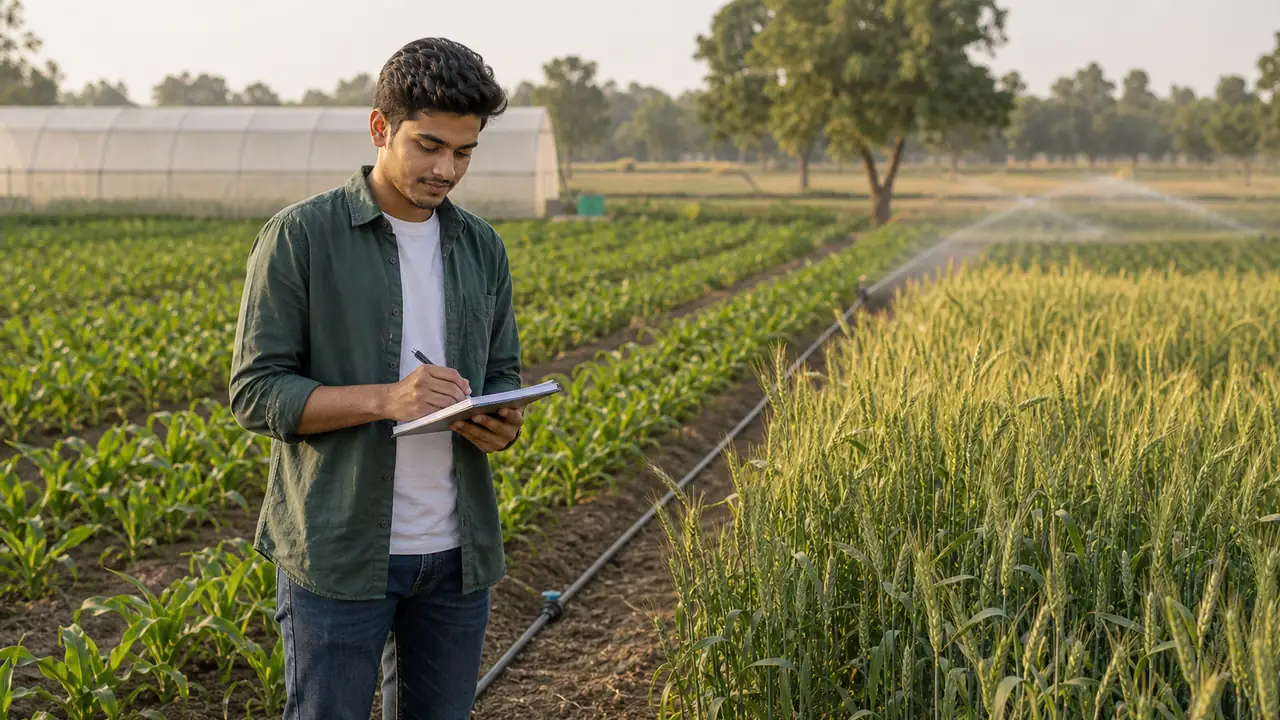
Course Structure
What's Inside
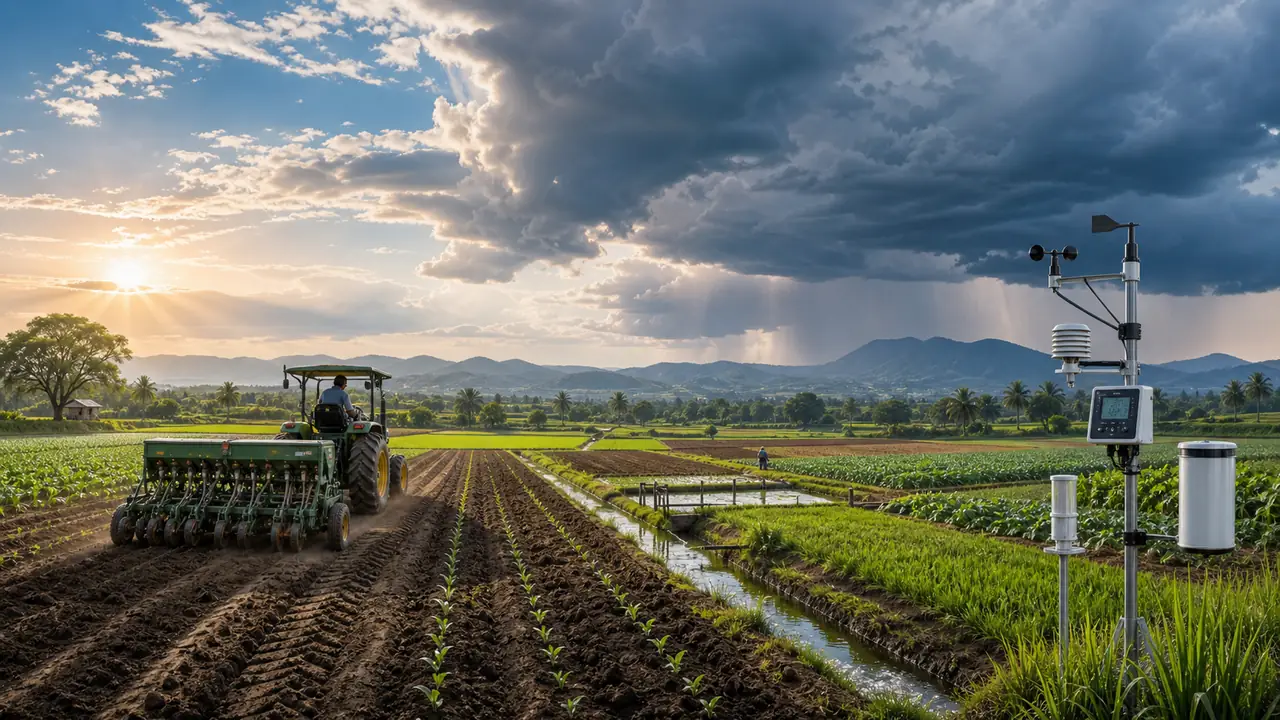

Principles of Agronomy and Agricultural Meteorology
Course overview and lecture index for AGRO 101, covering core agronomy principles together with basic agricultural meteorology.
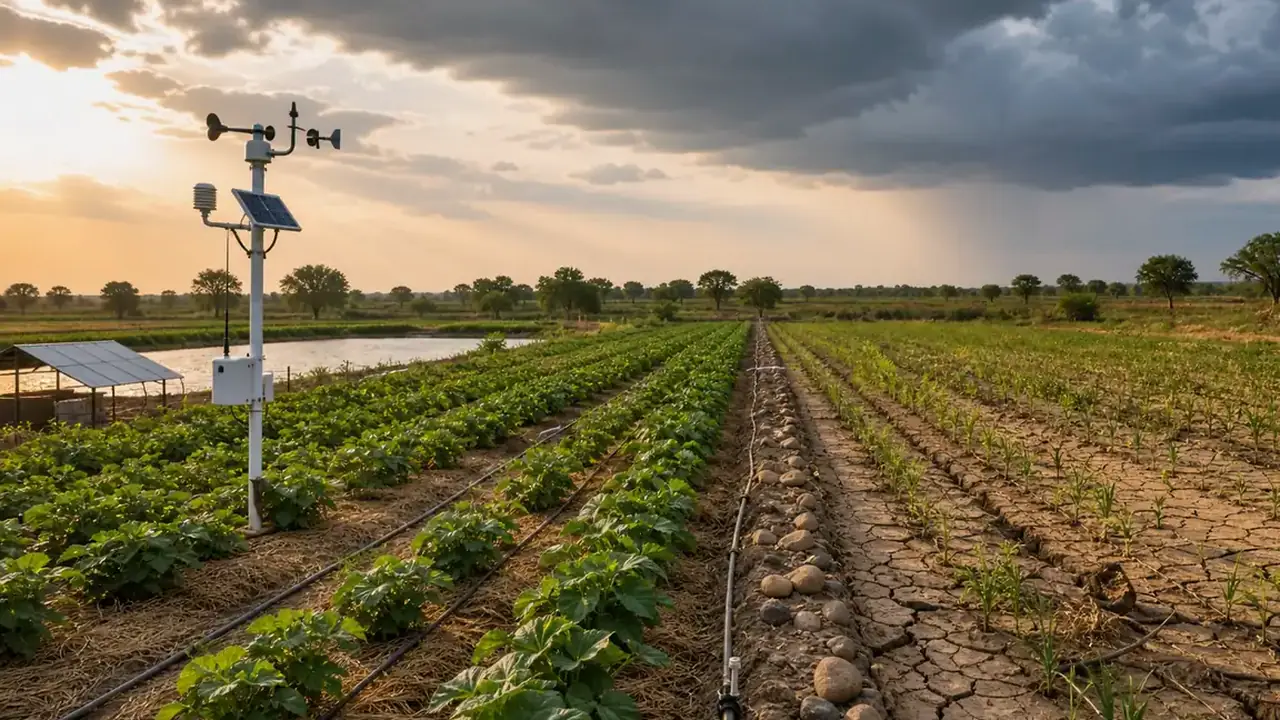
Introductory Agrometeorology and Climate Change
Lecture notes covering Introductory Agrometeorology and Climate Change as per ICAR 5th Dean Committee syllabus. Course Code: AGRO 105 | Credits: 2(1+1).
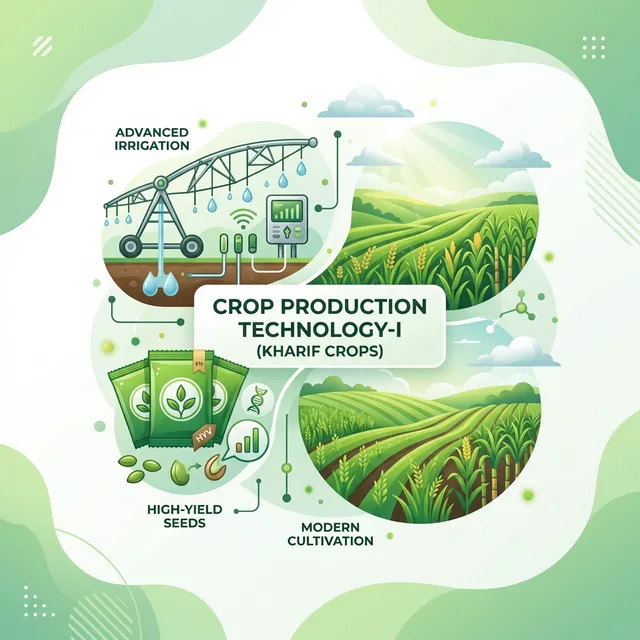
Crop Production Technology-I (Kharif Crops)
Lecture notes covering Crop Production Technology-I (Kharif Crops) as per ICAR 5th Dean Committee syllabus. Course Code: AGRO 301 | Credits: 2(1+1).
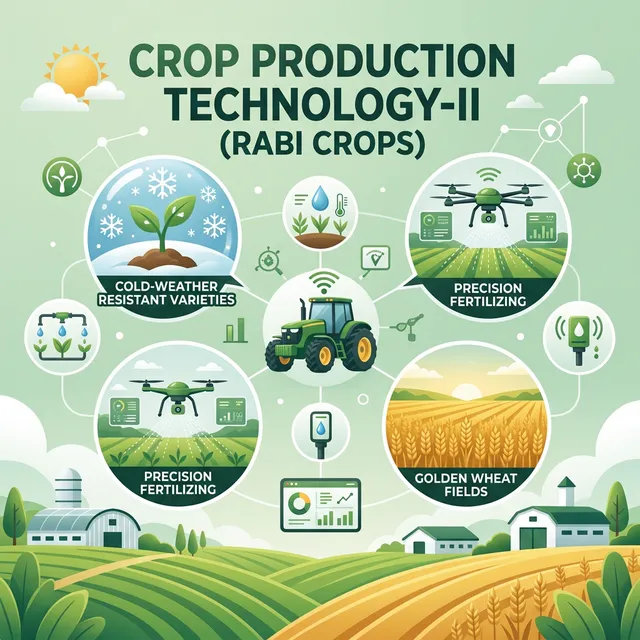
Crop Production Technology-II (Rabi Crops)
Lecture notes covering Crop Production Technology-II (Rabi Crops) as per ICAR 5th Dean Committee syllabus. Course Code: AGRO 302 | Credits: 2(1+1).
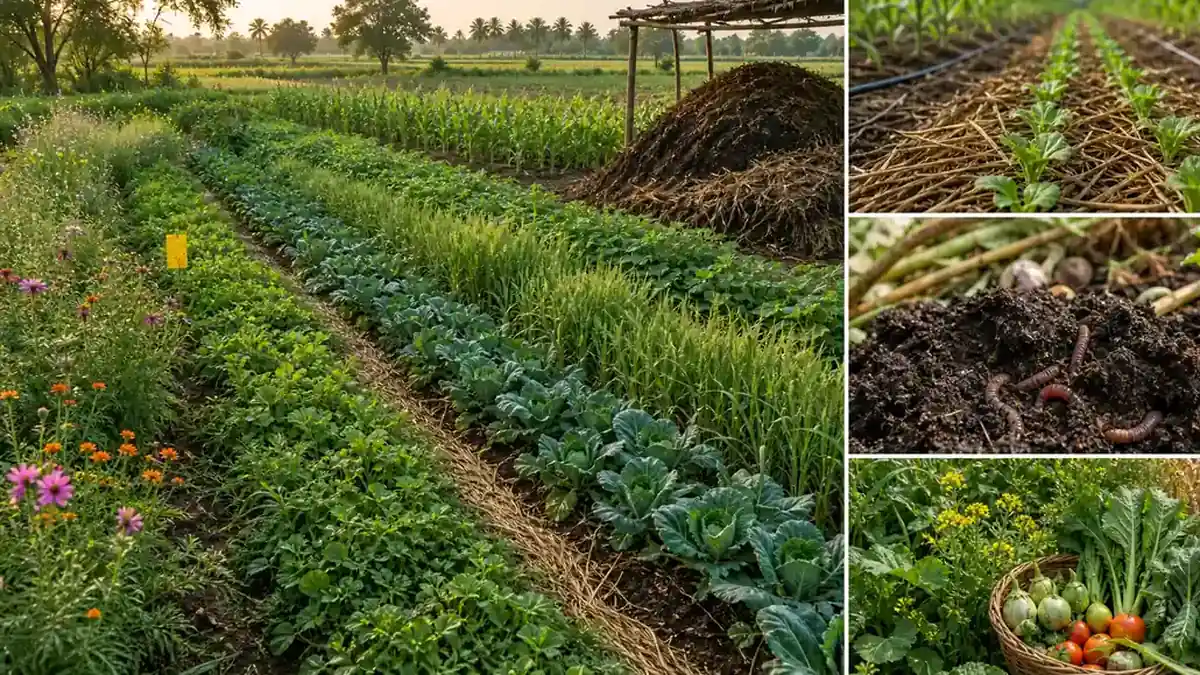
Farming System and Sustainable Agriculture
Lecture notes covering Farming System and Sustainable Agriculture as per ICAR 5th Dean Committee syllabus. Course Code: AGRO 106 | Credits: 1(1+0).
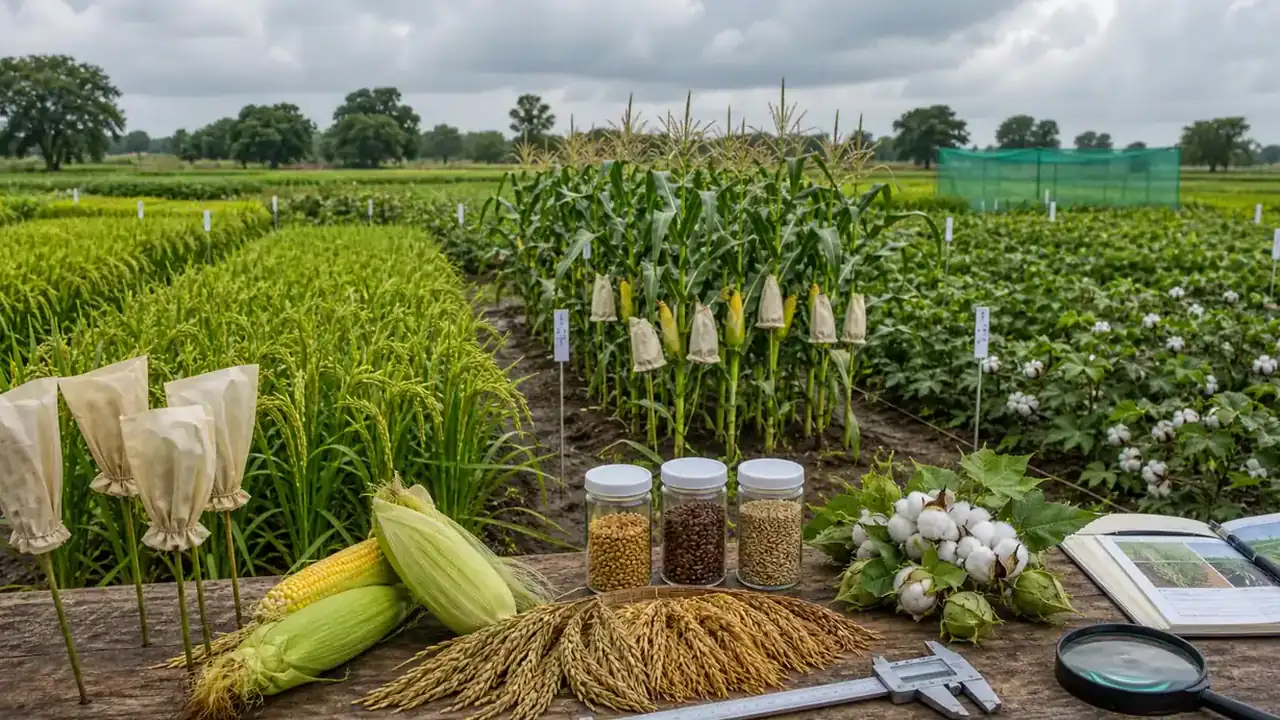
Practical Crop Production-I (Kharif Crops)
Lecture notes covering Practical Crop Production-I (Kharif Crops) as per ICAR 5th Dean Committee syllabus. Course Code: AGRO 202 | Credits: 2(0+2).
Practical Crop Production-II (Rabi Crops)
Lecture notes covering Practical Crop Production-II (Rabi Crops) as per ICAR 5th Dean Committee syllabus. Course Code: AGRO 203 | Credits: 2(0+2).
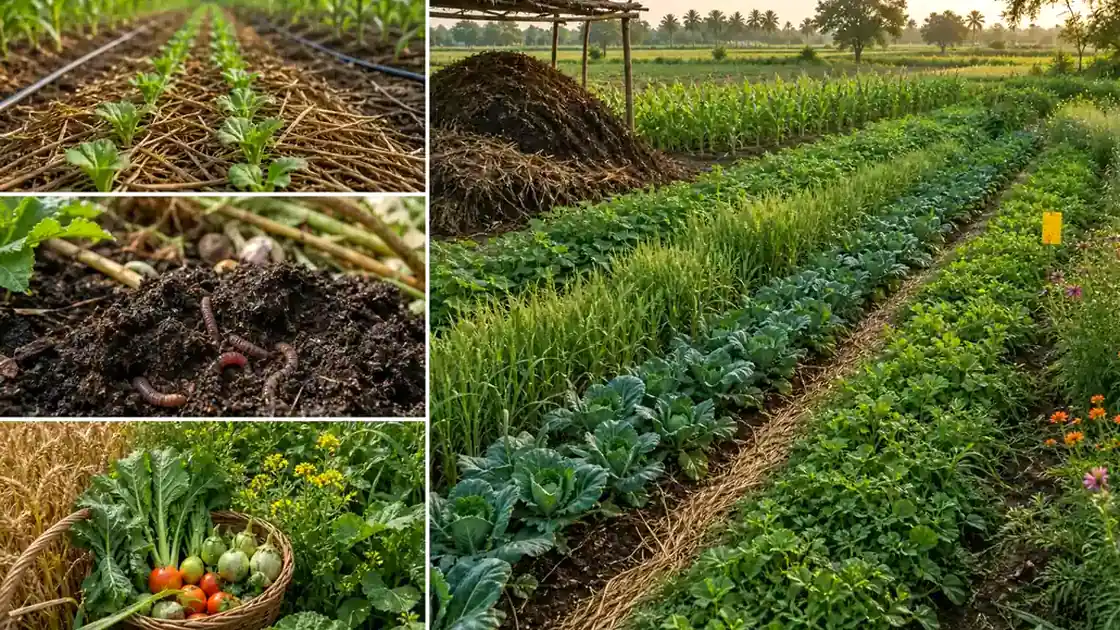
Principles of Organic Farming
Lecture notes covering Principles of Organic Farming as per ICAR 5th Dean Committee syllabus. Course Code: AGRO 107 | Credits: 2(1+1).
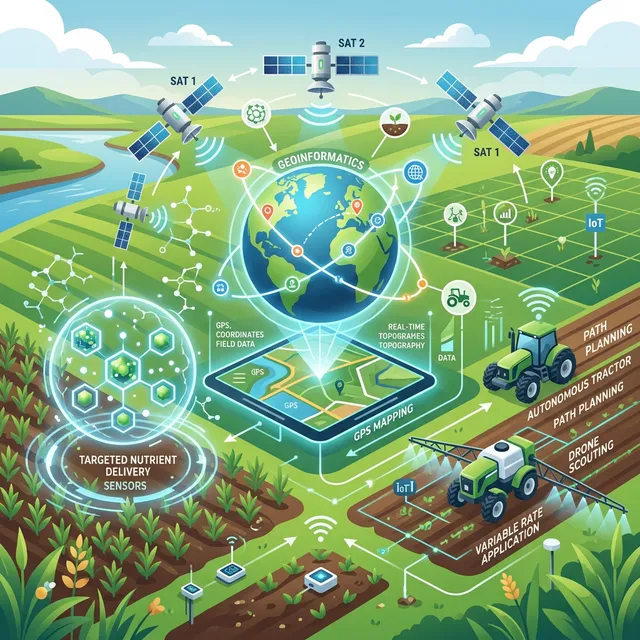
Geoinformatics, Nano-technology and Precision Farming
Lecture notes covering Geoinformatics, Nano-technology and Precision Farming as per ICAR 5th Dean Committee syllabus. Course Code: AGRO 308 | Credits: 2(1+1).
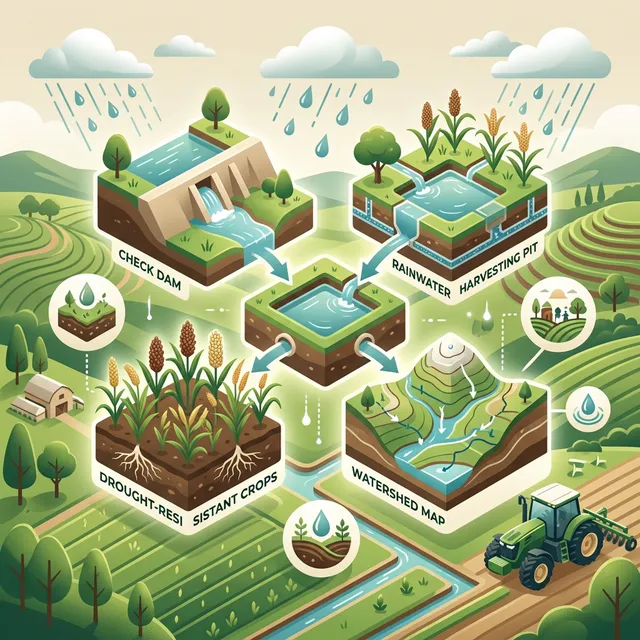
Rainfed Agriculture and Watershed Management
Lecture notes covering Rainfed Agriculture and Watershed Management as per ICAR 5th Dean Committee syllabus. Course Code: AGRO 309 | Credits: 2(1+1).
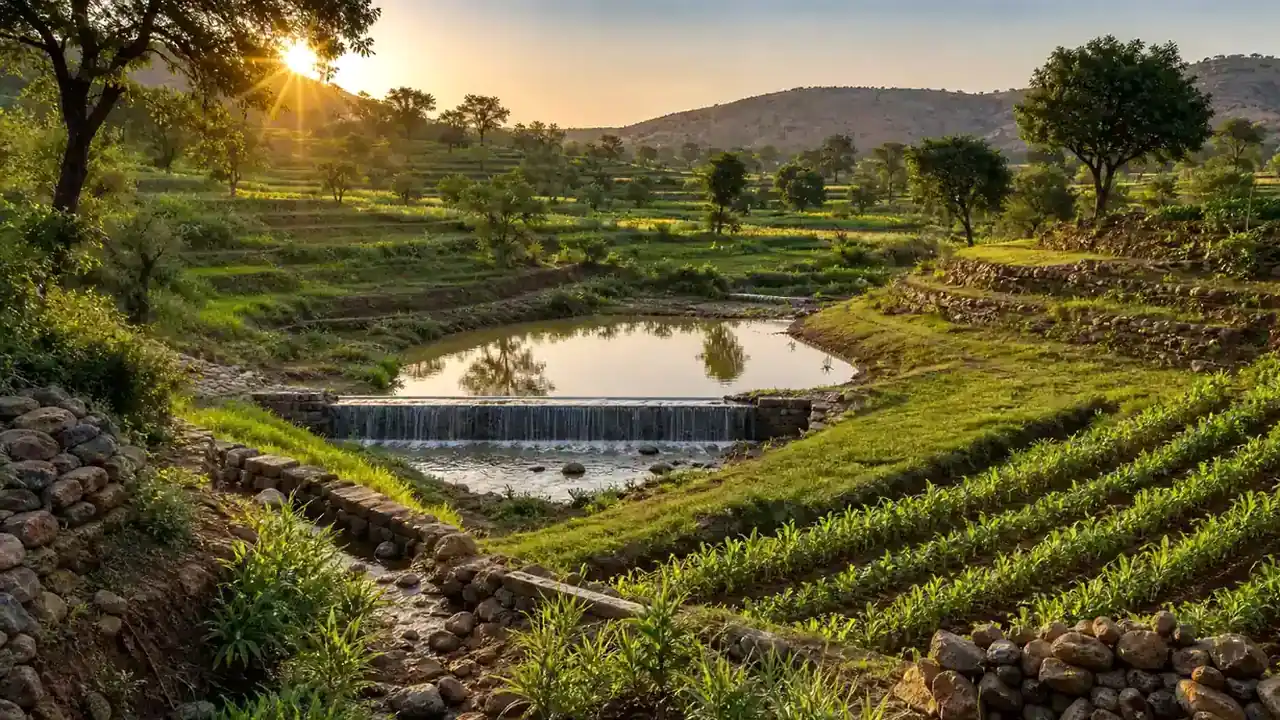
Introductory Agriculture
Course overview and lecture index for AGRO 102, focused on the heritage, evolution, and institutional growth of Indian agriculture.
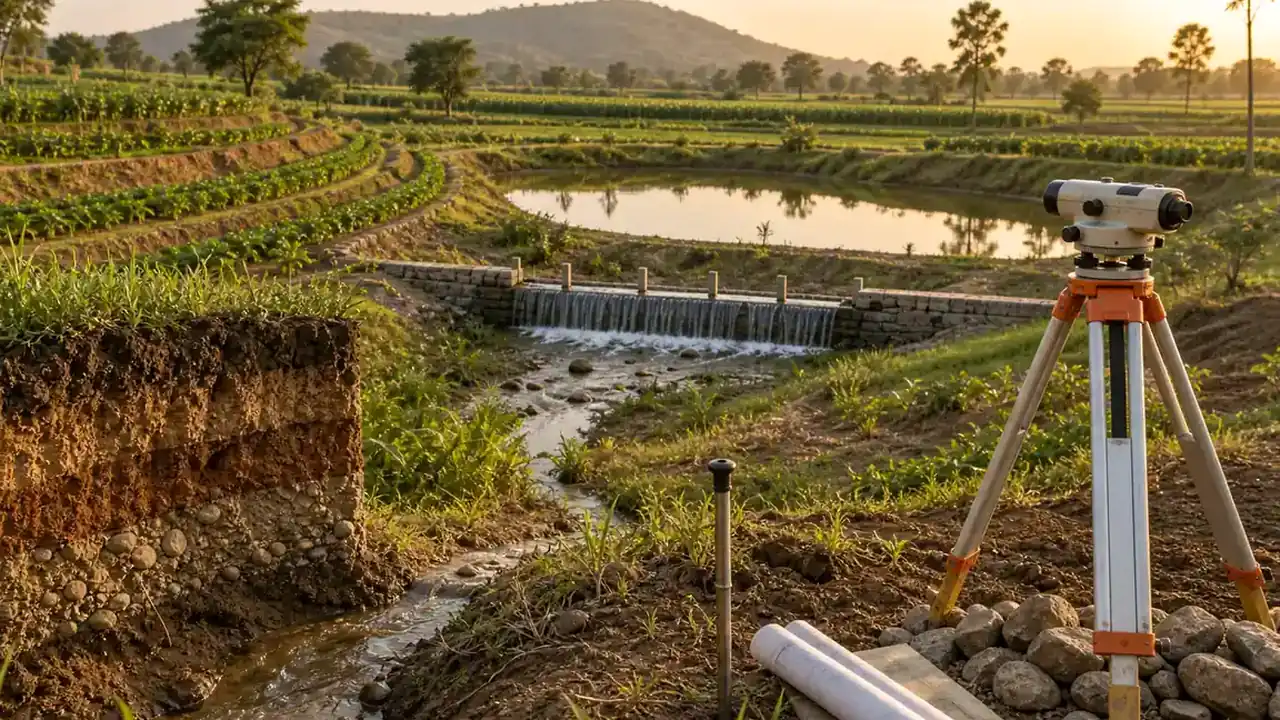
Water Management including Micro Irrigation
Course overview and lecture index for AGRO 103, focused on irrigation principles, water-use efficiency, and micro irrigation systems.
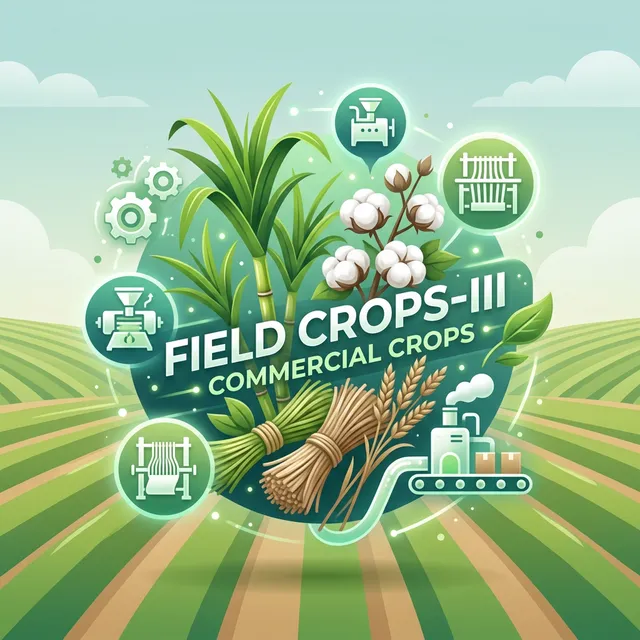
Field Crops-III (Commercial Crops)
Lecture notes covering Field Crops-III (Commercial Crops). Course Code: AGRO 303 | Credits: 2(1+1).
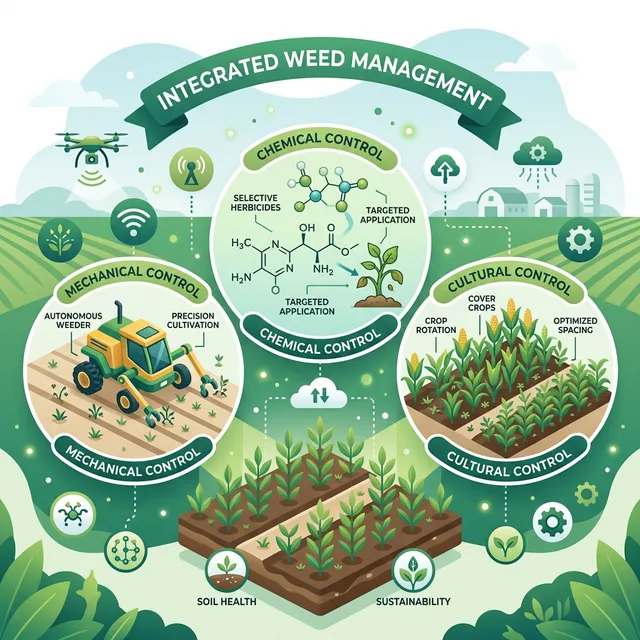
Weed Management
Lecture notes covering Weed Management. Course Code: AGRO 304 | Credits: 3(2+1).
Agronomy
Agronomy is the core production science of agriculture. It explains how crops are grown, managed, and organized in field conditions for better productivity, sustainability, and efficient resource use. If agriculture is viewed as a full system, agronomy is one of its central operating disciplines.
Courses included in this section
This section currently includes a broad range of agronomy-related course areas:
- Principles of Agronomy and Agricultural Meteorology
- Introductory Agriculture
- Water Management Including Micro-Irrigation
- Introductory Agrometeorology and Climate Change
- Farming System and Sustainable Agriculture
- Principles of Organic Farming
- Practical Crop Production I-II
- Practical Crop Production II - Rabi
- Field Crops I
- Field Crops II
- Field Crops III
- Weed Management
- Geoinformatics, Nanotechnology and Precision Farming
- Rainfed Agriculture and Watershed Management
This makes agronomy one of the widest and most practically important sections in the entire B.Sc. Agriculture programme.
Why Agronomy matters
Agronomy deals with the decisions that shape crop performance in real field conditions.
- Which crop should be grown?
- In which season?
- Under what spacing, moisture, nutrient, and weed conditions?
- Under which farming system?
- With what sustainability or climate-risk considerations?
Agronomy answers these questions by combining crop biology with field management.
Main learning themes
Students studying this section should expect to build understanding in:
- crop establishment and seasonal crop production
- kharif and rabi crop management
- irrigation and water-use efficiency
- agrometeorology and weather-based planning
- farming systems and sustainability
- organic farming and alternative production systems
- weed management
- rainfed and watershed-based agriculture
- practical field operations and crop observation
How to study this section well
- Study crop production using a consistent structure:
- climate and season
- varieties
- seed rate and sowing
- nutrition and irrigation
- weeds, pests, and diseases
- harvest and yield
- Compare crops instead of memorizing them separately.
- Link field practices with environmental constraints like rainfall, soil type, or water availability.
- Treat agronomy as a decision-making subject, not just a set of crop notes.
Who benefits most from this section
This subject area is essential for students interested in:
- crop production and farm management
- field advisory work
- agricultural officer and extension roles
- agronomy, water management, and climate-resilient agriculture
- competitive exams with strong crop-production focus
Core takeaway
Agronomy teaches students how agricultural production is actually managed in the field through the coordinated use of season, soil, water, weather, crop choice, and management practice.
Frequently Asked Questions
What is Agronomy in BSc Agriculture?
Agronomy is the branch of agriculture that focuses on crop production and field management under real farming conditions. It studies how crops respond to soil, water, weather, season, nutrients, spacing, weeds, and management practices so that productivity and sustainability can improve together.
Why is Agronomy important for agriculture students?
Agronomy is important because it connects scientific knowledge with actual field decisions such as what to grow, when to sow, how to irrigate, how to manage weeds, and how to improve resource-use efficiency. It is one of the most practical and central subjects in the BSc Agriculture programme.
What subjects are included in the Agronomy section?
This section commonly includes crop production principles, irrigation and water management, agrometeorology, climate and weather effects, farming systems, organic farming, weed management, rainfed agriculture, watershed management, and field-crop production. Together these topics explain how crops are managed from planning to harvest.
What is the difference between Agronomy and Agriculture?
Agriculture is the broader field that includes agronomy, horticulture, soil science, plant pathology, economics, extension, engineering, and many other disciplines. Agronomy is one core branch within agriculture that deals mainly with crop production and field management.
What is the difference between Agronomy and Horticulture?
Agronomy usually focuses on field crops, cropping systems, resource management, and production practices at farm scale, while horticulture focuses more on fruits, vegetables, flowers, plantations, and specialized cultivation systems. Students often study both, but their crop focus and management emphasis are different.
Does Agronomy include irrigation, weeds, and weather-based farming?
Yes. Agronomy strongly includes irrigation and water-use planning, weed management, and weather or climate-based decision making. These topics are essential because crop production in the field depends on moisture, competition, timing, and seasonal risk.
What are the career and exam benefits of studying Agronomy well?
Strong agronomy understanding helps in competitive exams, agricultural officer roles, extension work, input advisory, farm management, and higher studies in crop production or climate-resilient agriculture. It is especially useful wherever practical crop-management knowledge is tested or applied.
How should I study Agronomy for exams?
Study Agronomy by linking each topic to a field decision such as crop choice, sowing time, spacing, irrigation, nutrient use, weed control, or farming system. Students usually score better when they compare crops and management practices instead of memorizing isolated points.