Agricultural Engineering ⚙️
Agricultural Engineering study material for BSc Agriculture students, covering machinery, water, structures, post-harvest systems, and renewable energy.
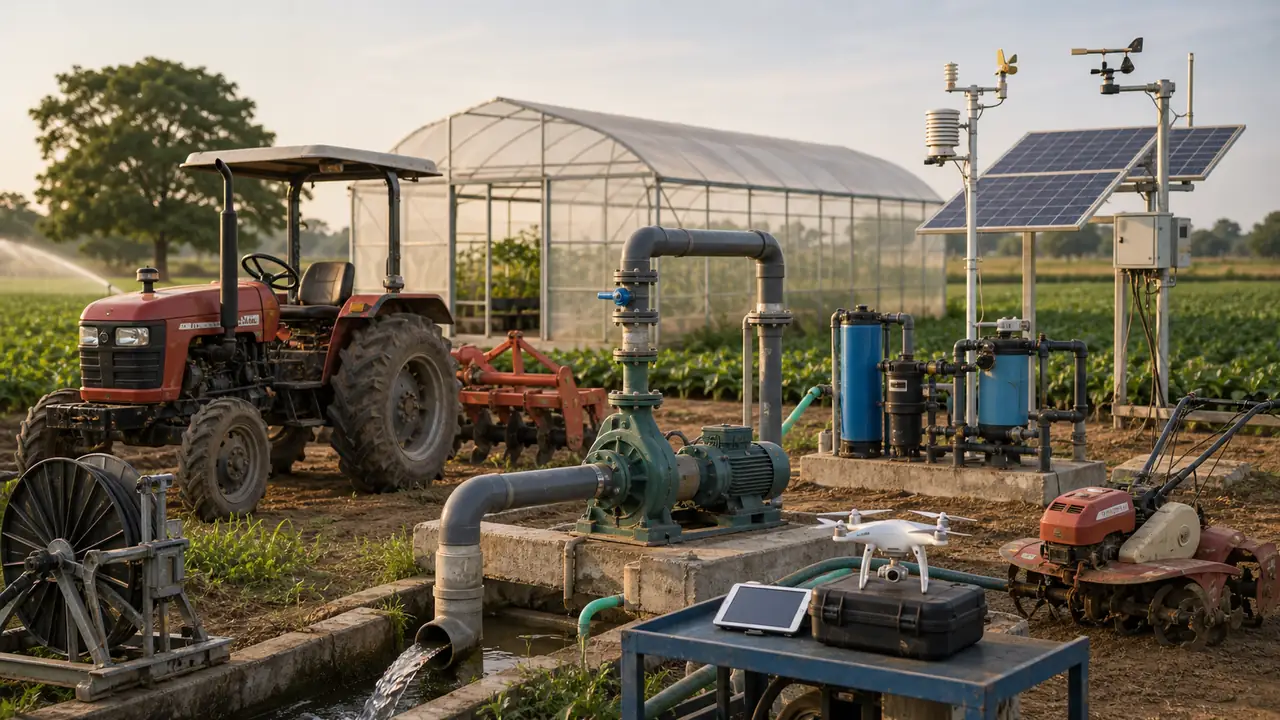
Course Structure
What's Inside
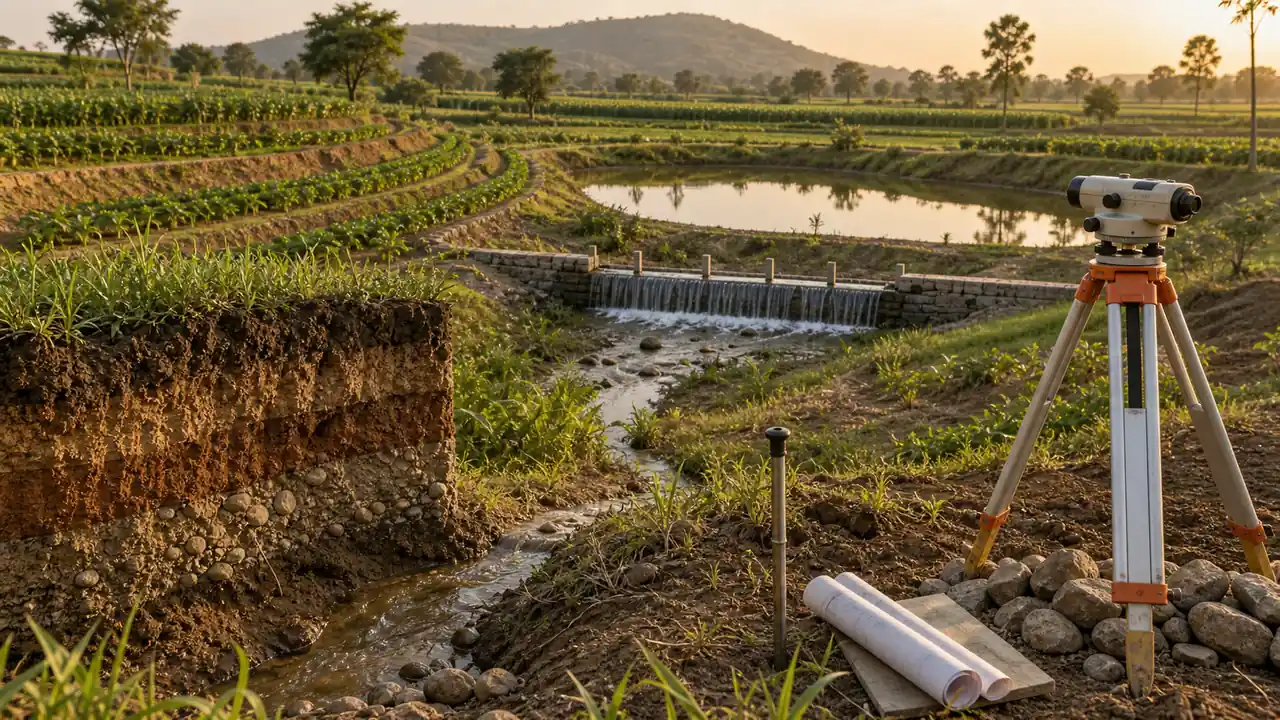

Introductory Soil and Water Conservation Engineering
Lecture notes covering Introductory Soil and Water Conservation Engineering as per ICAR 5th Dean Committee syllabus. Course Code: AENG 151 | Credits: 2(1+1).
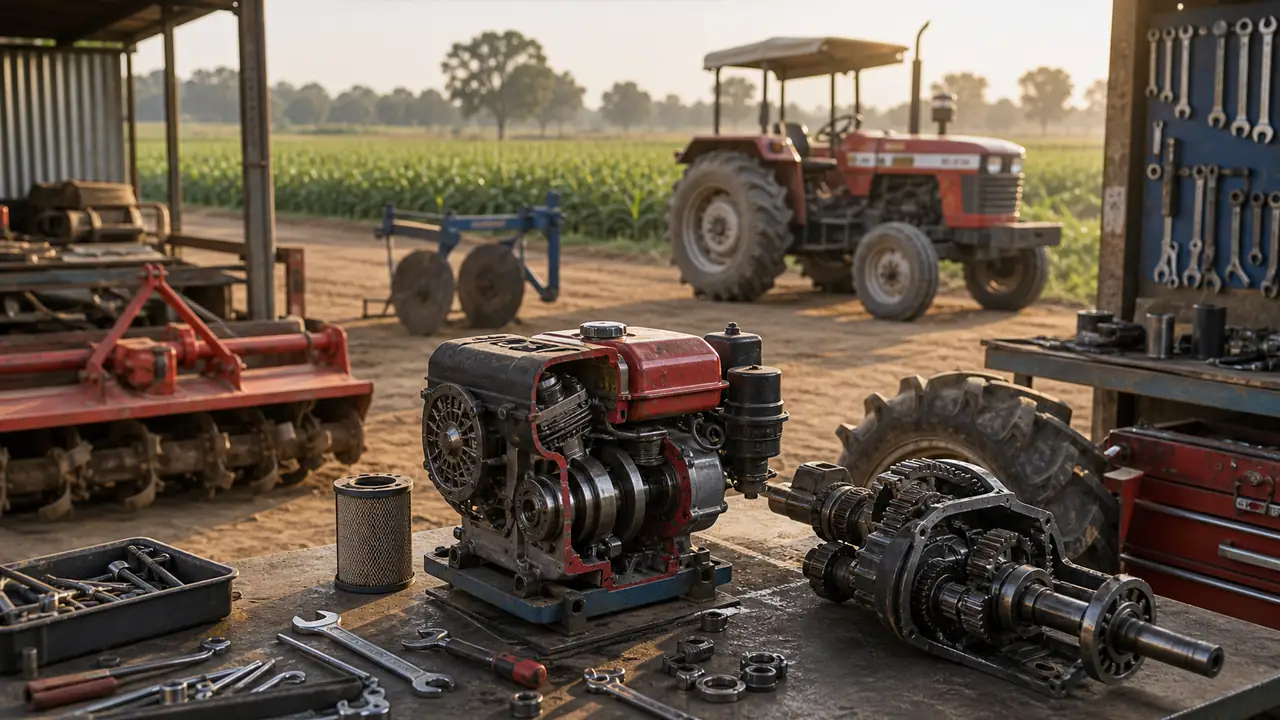
Farm Machinery and Power
Lecture notes covering Farm Machinery and Power as per ICAR 5th Dean Committee syllabus. Course Code: FMP 211 | Credits: 2(1+1).
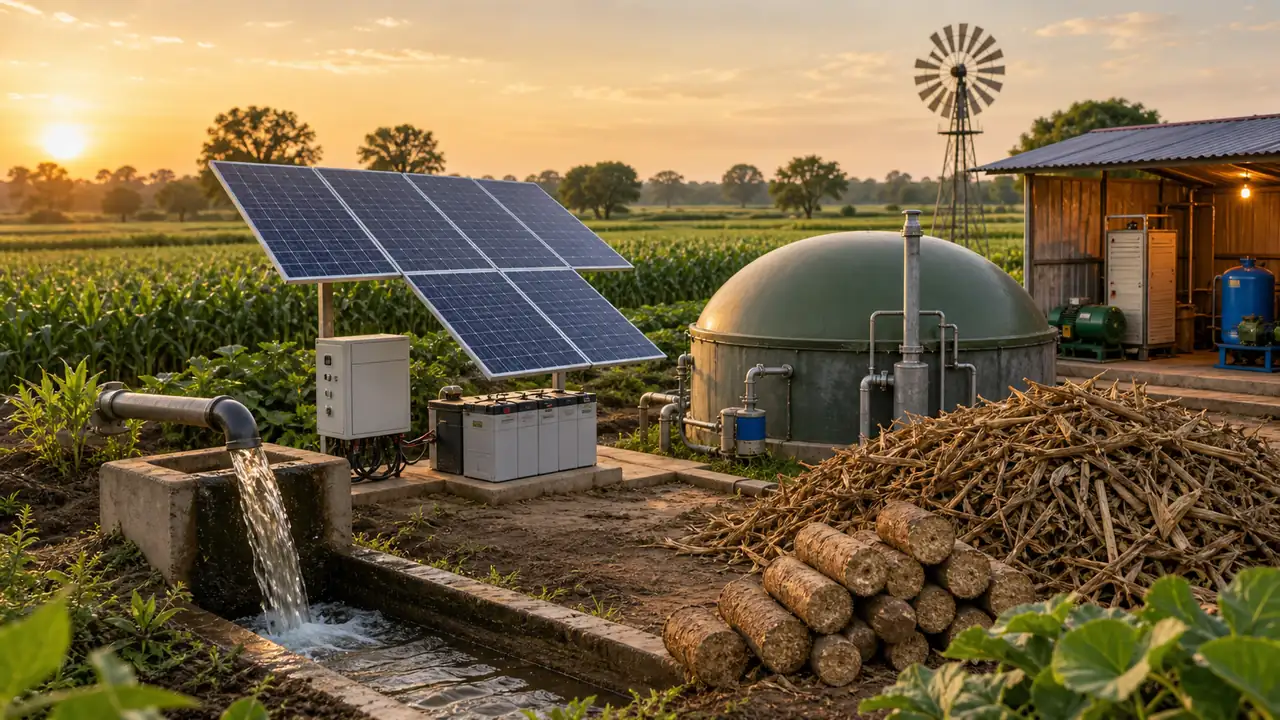
Renewable Energy and Green Technology
Lecture notes covering Renewable Energy and Green Technology as per ICAR 5th Dean Committee syllabus. Course Code: AENG 352 | Credits: 2(1+1).
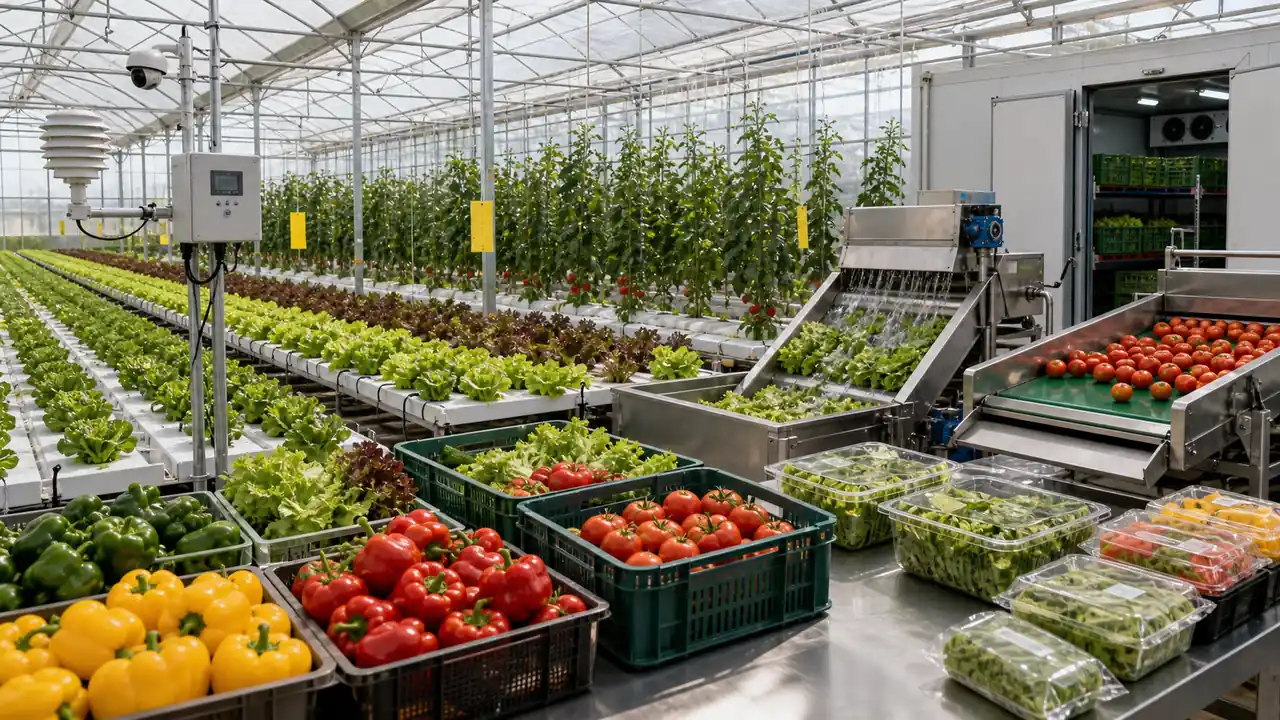
Protected Cultivation and Secondary Agriculture
Lecture notes covering Protected Cultivation and Secondary Agriculture as per ICAR 5th Dean Committee syllabus. Course Code: AENG 252 | Credits: 2(1+1).
Agricultural Engineering
Agricultural Engineering brings engineering thinking into agriculture. It deals with the tools, structures, machines, energy systems, and water-control methods that make farming more efficient, timely, and scalable.
Courses included in this section
This section currently includes course areas such as:
- Fundamentals of Soil, Water Conservation and Engineering
- Protected Cultivation and Post-Harvest Technology
- Renewable Energy
- Farm Power and Machinery
Together, these courses explain how agriculture works not only biologically, but also mechanically and physically.
Why Agricultural Engineering matters
Many agricultural problems are really engineering problems in disguise.
- Water may be available, but irrigation efficiency may be poor.
- Machinery may exist, but calibration and operation may be wrong.
- Produce may be harvested well, but post-harvest handling may still cause losses.
- Energy may be costly, but renewable alternatives may improve sustainability.
Agricultural Engineering helps students understand how these practical constraints are solved.
Main learning themes
Students studying this section should expect to build understanding in:
- soil and water conservation structures
- irrigation methods and farm water management
- tractors, implements, and farm machinery
- protected cultivation systems
- post-harvest operations and handling
- renewable energy applications in agriculture
How to study this section well
- Do not study this subject only as definitions and machine names.
- Focus on function, suitability, efficiency, and application.
- When reading about a tool or system, ask:
- What problem does it solve?
- Under what conditions is it useful?
- What are its limitations?
- Use diagrams and field examples wherever possible.
Who benefits most from this section
This subject area is especially useful for students interested in:
- irrigation and water management
- farm mechanization
- custom hiring and farm services
- protected cultivation enterprises
- renewable-energy applications
- post-harvest systems and agri-infrastructure
Core takeaway
Agricultural Engineering teaches students how agriculture is supported by machines, structures, water systems, and energy solutions, not just by biological knowledge alone.
Frequently Asked Questions
What is Agricultural Engineering in BSc Agriculture?
Agricultural Engineering is the BSc Agriculture subject area that applies engineering principles to farming systems, machinery, water management, structures, energy use, and post-harvest handling. It helps students understand how agriculture becomes more efficient, timely, and technically reliable.
What topics are included in Agricultural Engineering?
This section commonly covers soil and water conservation, irrigation methods, farm power and machinery, protected cultivation, post-harvest technology, and renewable energy applications in agriculture. Together these topics show how engineering supports field operations and farm infrastructure.
Is Agricultural Engineering difficult for BSc Agriculture students?
Many students find it manageable once they focus on function, application, and diagrams instead of memorizing machine names alone. The subject becomes easier when each tool, structure, or system is linked to the farming problem it is meant to solve.
What is the difference between Agricultural Engineering and Agricultural Machinery?
Agricultural Machinery is one important part of Agricultural Engineering, but the subject is much broader than machines alone. It also includes irrigation, soil and water conservation, protected structures, post-harvest systems, and renewable energy in agriculture.
Why is irrigation and water management important in Agricultural Engineering?
Irrigation and water management are important because water availability alone does not guarantee efficient crop production. Agricultural Engineering helps students understand how water is stored, conveyed, applied, and conserved so that losses are reduced and crop response improves.
What is protected cultivation in Agricultural Engineering?
Protected cultivation refers to growing crops under structures such as greenhouses, polyhouses, net houses, or tunnels where the growing environment can be controlled more closely. It is important because it supports better crop quality, season extension, and more precise management of water and climate.
Is Agricultural Engineering useful for jobs and agribusiness?
Yes. It is useful for careers related to irrigation, farm mechanization, custom hiring, protected cultivation, post-harvest systems, renewable energy, and agri-infrastructure. It is also valuable for students who want to work in practical, technology-linked agriculture roles.
How should I study Agricultural Engineering for exams?
Study Agricultural Engineering by focusing on diagrams, applications, operating principles, and suitability of each system rather than learning isolated definitions. Students usually remember this subject better when they connect every concept to a field problem such as water saving, machinery use, storage loss, or energy cost.