🦠 Poultry Diseases - Ranikhet, Marek's, Bird Flu, Coccidiosis and Nutritional Disorders
Comprehensive guide to poultry diseases including Ranikhet (Newcastle), Marek's, Fowl Pox, Avian Influenza, IBD (Gumboro), Fowl Cholera, Pullorum, Coccidiosis, Aspergillosis, and nutritional deficiency disorders for exams.
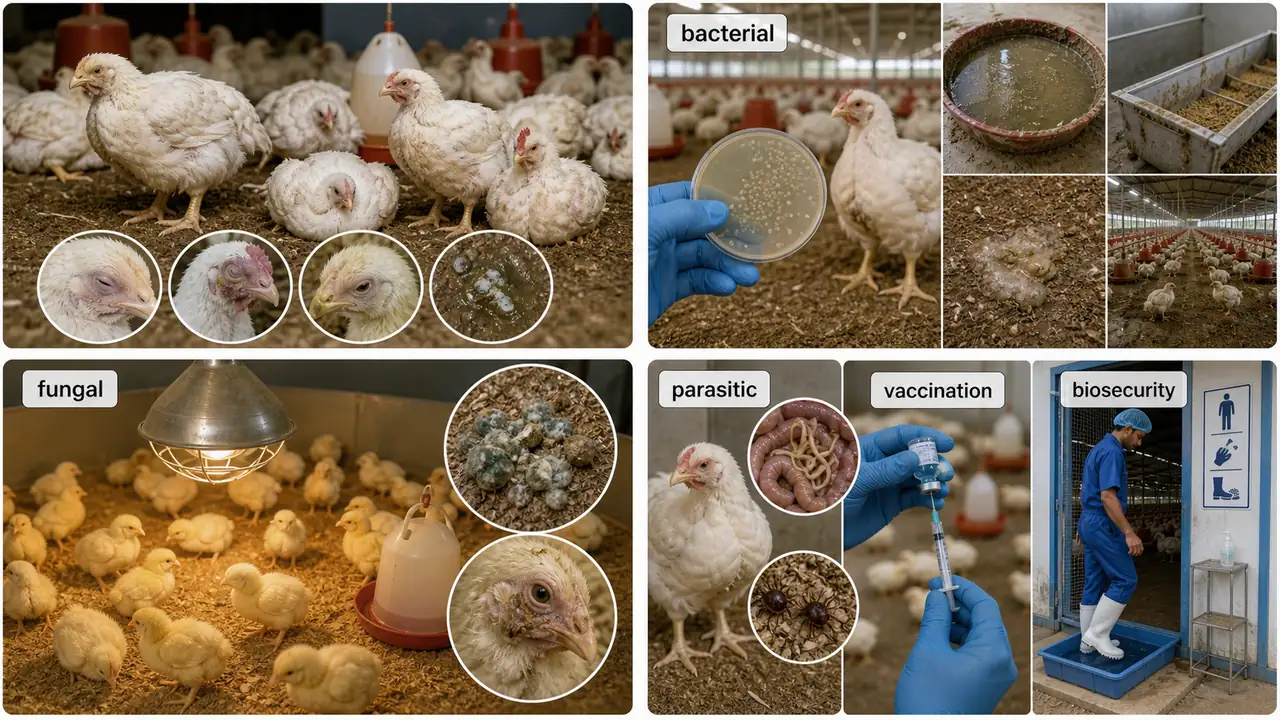
Disease management is a cornerstone of successful poultry farming. Diseases in poultry are broadly categorised into viral, bacterial, protozoan, fungal, parasitic, and nutritional disorders. Understanding the causative agents, symptoms, and control measures for each disease is essential for maintaining flock health and preventing economic losses.
Disease Classification Overview
| Category | Examples |
|---|---|
| Bacterial Diseases | Fowl Cholera, Diarrhoea, Pullorum, Typhoid, Paratyphoid |
| Viral Diseases | Ranikhet, Marek's disease, Fowl pox, Infectious Bronchitis, IBD |
| Protozoal Disease | Coccidiosis |
| Parasitic (External) | Lice, Mites, Tick, Fleas |
| Parasitic (Internal) | Roundworm, Tapeworm |
| Fungal Disease | Aspergillosis, Moniliasis |
Viral Diseases
Ranikhet Disease (Newcastle Disease)
- Most dangerous viral disease of chicken. Ranikhet disease is considered one of the most devastating poultry diseases worldwide due to its extremely high mortality rate.
- Ranikhet disease, also known in the West as New Castle disease is a contagious and highly fatal diseases of fowls. The disease is caused by Avian Paramyxovirus serotype 1 (APMV-1), genus Orthoavulavirus, family Paramyxoviridae and can spread rapidly through an entire flock.
- One of the most serious virus diseases of poultry with mortality as high as 100% in severe cases.
- The disease is also suspected to cause conjunctivitis among laboratory workers and persons handling infected birds. This virus has zoonotic effect and can cause human deaths in rare cases.
TIP
Pro Content Locked
Upgrade to Pro to access this lesson and all other premium content.
₹99 charged monthly · Cancel anytime
- All Agriculture & Banking Courses
- AI Lesson Questions (100/day)
- AI Doubt Solver (50/day)
- Glows & Grows Feedback (30/day)
- AI Section Quiz (20/day)
- 22-Language Translation (100/day)
- Recall Questions (20/day)
- AI Quiz (15/day)
- AI Quiz Paper Analysis (100/day)
- AI Step-by-Step Explanations (100/day)
- Spaced Repetition Recall (FSRS)
- AI Tutor
- Immersive Text Questions
- Audio Lessons — Hindi & English
- Mock Tests & Previous Year Papers
- Summary & Mind Maps
- XP, Levels, Leaderboard & Badges
- Generate New Classrooms
- Voice AI Teacher (AgriDots Live)
- AI Revision Assistant
- Knowledge Gap Analysis
- Interactive Revision (LangGraph)
🔒 Secure via Razorpay · Cancel anytime · No hidden fees
Disease management is a cornerstone of successful poultry farming. Diseases in poultry are broadly categorised into viral, bacterial, protozoan, fungal, parasitic, and nutritional disorders. Understanding the causative agents, symptoms, and control measures for each disease is essential for maintaining flock health and preventing economic losses.
Disease Classification Overview
| Category | Examples |
|---|---|
| Bacterial Diseases | Fowl Cholera, Diarrhoea, Pullorum, Typhoid, Paratyphoid |
| Viral Diseases | Ranikhet, Marek's disease, Fowl pox, Infectious Bronchitis, IBD |
| Protozoal Disease | Coccidiosis |
| Parasitic (External) | Lice, Mites, Tick, Fleas |
| Parasitic (Internal) | Roundworm, Tapeworm |
| Fungal Disease | Aspergillosis, Moniliasis |
Viral Diseases
Ranikhet Disease (Newcastle Disease)
- Most dangerous viral disease of chicken. Ranikhet disease is considered one of the most devastating poultry diseases worldwide due to its extremely high mortality rate.
- Ranikhet disease, also known in the West as New Castle disease is a contagious and highly fatal diseases of fowls. The disease is caused by Avian Paramyxovirus serotype 1 (APMV-1), genus Orthoavulavirus, family Paramyxoviridae and can spread rapidly through an entire flock.
- One of the most serious virus diseases of poultry with mortality as high as 100% in severe cases.
- The disease is also suspected to cause conjunctivitis among laboratory workers and persons handling infected birds. This virus has zoonotic effect and can cause human deaths in rare cases.
TIP
Why "Pseudo-fowl pest"? Ranikhet disease is sometimes called pseudo-fowl pest because its symptoms (high mortality, nervous signs, respiratory distress) closely mimic true Fowl Pest (Highly Pathogenic Avian Influenza). The prefix "pseudo" (Greek: false) distinguishes it from HPAI, which it resembles clinically but is caused by a completely different virus family.
NDV Strains — Pathogenicity Spectrum:
| Strain Type | Virulence | Example | Mortality |
|---|---|---|---|
| Lentogenic | Mild (low pathogenicity) | LaSota, F strain, B1 | Low — used as vaccine |
| Mesogenic | Intermediate | Mukteswar (F strain), Komarov | Moderate |
| Velogenic | Highly virulent (fatal) | Doyle's strain (viscerotropic) | Up to 100% |
The Mukteswar strain (mesogenic) was developed at IVRI Mukteswar (Uttarakhand) and is used as a booster vaccine in India. Doyle's strain (velogenic viscerotropic) is the most virulent NDV strain known.
Causes / Transmission:
- Contamination of water
- Contact with infected chicken
- Airborne spread through respiratory secretions
- Fomites (contaminated equipment, clothing, vehicles)
Clinical Symptoms:
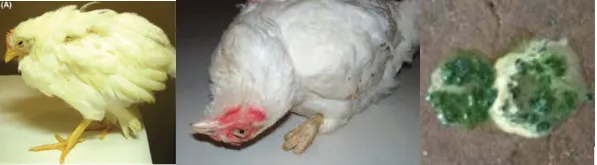
- Torticollis (twisting of neck) and paralysis of wings and legs — classic nervous sign
- Cyanosis of comb (bluish discolouration)
- Facial edema
- Green diarrhoea with offensive smell — characteristic colour due to bile
- Drop in egg production; eggs may have soft shells
- Sudden death
- Sneezing, gasping, droopiness in young birds
- Profuse salivation, ruffled feathers
Treatment & Prevention:
- There is no treatment for Ranikhet disease.
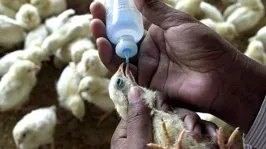
- LaSota is a naturally occurring lentogenic strain first isolated in LaSota, USA. IVRI, Izatnagar manufactures and supplies the LaSota vaccine in India. The Lasota (also written as La Sota) vaccine is a live attenuated vaccine that is administered through drinking water or eye drops and provides effective immunity against Newcastle disease.
- Vaccination with F1/Lasota strain (live) and R2B strain (killed) at scheduled intervals.
- Zoonotic note: Laboratory workers and persons handling infected birds can develop mild conjunctivitis (eye infection). Serious human illness is very rare.
IMPORTANT
Ranikhet disease = Newcastle disease. Causative agent: APMV-1 (Avian Paramyxovirus serotype 1). Vaccine: LaSota (naturally occurring lentogenic strain; manufactured by IVRI, Izatnagar in India). Mortality can reach 100%. It is the most dangerous viral disease of poultry. NDV strains: Lentogenic (mild) → Mesogenic (intermediate, Mukteswar) → Velogenic (fatal, Doyle's strain most virulent). Nervous sign = torticollis (twisted neck). Characteristic stool = green diarrhoea.
Marek's Disease
- Viral Disease found in poultry. Marek's disease is caused by a Herpesvirus (Gallid herpesvirus 2) and is one of the most common viral diseases affecting chickens worldwide.
- It is a highly contagious viral disease characterised by enlargement of nerves and internal organs.
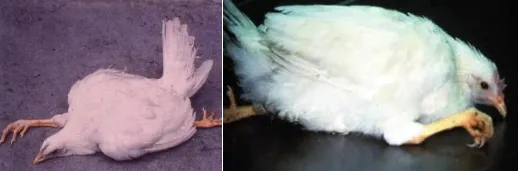
- Marek's Disease will cause inflammation and tumors in the nerves, spinal column, and brain. In this form, birds will become paralyzed in the legs, or wings or may develop head tremors. The neural form causes characteristic one-leg-forward-one-leg-backward paralysis, which is a classic diagnostic sign.
- Birds under 16 weeks are most commonly affected.
- It has great economic significance.
Symptoms:
- Poor growth and paralysis of one leg (stretched backward) — classic "splits" posture
- Tumors in nerves, liver, spleen, kidneys, and ovaries
- Grey eye / Pearl eye — in the ocular form, the iris loses its normal pigmentation and turns grey, causing irregular pupil shape and eventual blindness
- Skin tumours (cutaneous form) — enlarged feather follicles
Treatment & Prevention:
- There is no treatment for Marek's disease.
- Diseased birds should be promptly removed from the flock and humanely destroyed (Culling).
- Vaccination of day-old chicks at the hatchery with HVT (Herpesvirus of Turkey) strain is the primary method of prevention. In commercial farms, the bivalent HVT+SB1 vaccine is the gold standard offering better protection than HVT alone.
- Vaccination is given subcutaneously at 0-2 days of age.
IMPORTANT
Historic exam fact: The Marek's Disease vaccine (HVT), developed in 1970, was the world's first vaccine to prevent cancer in any species. This landmark achievement was a major breakthrough in both veterinary medicine and oncology.
WARNING
Marek's disease has no treatment. Vaccination at the hatchery (day 0-2) with HVT strain is the ONLY effective prevention. Never delay this vaccine. Ocular sign = grey/pearl eye (iris depigmentation).
Infectious Bursal Disease (IBD)
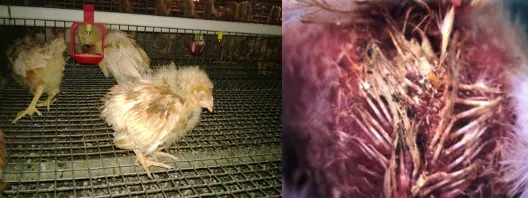 - Caused by Birnavirus (Avibirnavirus) — double-stranded RNA virus. Means Viral disease.
- Also called Gumboro disease or **Infectious Bursitis** or **Avian Nephrosis**. The name **Gumboro** comes from the town of Gumboro, Delaware, USA, where the disease was first identified.
- Highly contagious. Morbidity ~100%; mortality 0–20% in classical strains, up to 60% in severe cases; 80–90% only in very virulent (vvIBDV) strains.
- Bursa disease causes immuno suppresion and which affects humoral antibodies production. The virus specifically targets the **Bursa of Fabricius**, the organ responsible for **B-lymphocyte** (antibody-producing cell) development in birds. Destruction of this organ leads to severe **immunosuppression**, making affected birds vulnerable to other secondary infections.
- Usually chicks of 3–6 weeks old are most susceptible for clinical disease; infection before 3 weeks causes subclinical immunosuppression without visible signs.
- **Symptoms:** watery/whitish diarrhoea (not bloody), the feathers around the vent are usually stained with faeces containing plenty of urates. Huddling, depression, ruffled feathers, prostration, high mortality in 3–6 week chicks.
- **Prevention:** Vaccination at 12-15 days (1st dose) and 7th-8th week (booster) with live Gumboro vaccine. Early vaccination is critical because the **Bursa of Fabricius** is most active and vulnerable during the first few weeks of life.
- Caused by Birnavirus (Avibirnavirus) — double-stranded RNA virus. Means Viral disease.
- Also called Gumboro disease or **Infectious Bursitis** or **Avian Nephrosis**. The name **Gumboro** comes from the town of Gumboro, Delaware, USA, where the disease was first identified.
- Highly contagious. Morbidity ~100%; mortality 0–20% in classical strains, up to 60% in severe cases; 80–90% only in very virulent (vvIBDV) strains.
- Bursa disease causes immuno suppresion and which affects humoral antibodies production. The virus specifically targets the **Bursa of Fabricius**, the organ responsible for **B-lymphocyte** (antibody-producing cell) development in birds. Destruction of this organ leads to severe **immunosuppression**, making affected birds vulnerable to other secondary infections.
- Usually chicks of 3–6 weeks old are most susceptible for clinical disease; infection before 3 weeks causes subclinical immunosuppression without visible signs.
- **Symptoms:** watery/whitish diarrhoea (not bloody), the feathers around the vent are usually stained with faeces containing plenty of urates. Huddling, depression, ruffled feathers, prostration, high mortality in 3–6 week chicks.
- **Prevention:** Vaccination at 12-15 days (1st dose) and 7th-8th week (booster) with live Gumboro vaccine. Early vaccination is critical because the **Bursa of Fabricius** is most active and vulnerable during the first few weeks of life.
IMPORTANT
IBD Immunosuppression Chain (key exam concept): IBD virus destroys B-lymphocytes in the Bursa of Fabricius → bird loses ability to produce antibodies → immunosuppression → (a) secondary bacterial infections (especially E. coli colibacillosis), (b) other vaccines given after IBD may FAIL because there are no B-cells to mount an immune response. This is why IBD vaccination timing is critical — protect the Bursa before the field virus attacks it.
Fowl Pox
- It is viral disease. Fowl pox is caused by the Avipoxvirus and is one of the oldest known poultry diseases.
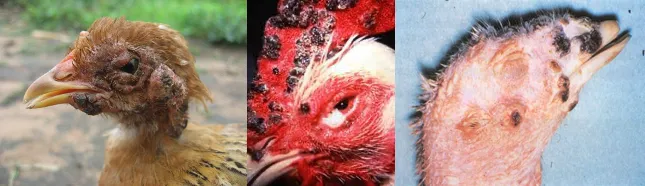
- The dry form of fowl pox is characterized by raised, wart-like lesions on unfeathered areas (head, legs, vent, etc.). These nodular lesions scab over and eventually fall off, but can cause significant discomfort and reduced feed intake.
- Raised skin lesions appear at the corners of the beak, as well as at the comb and wattle.
- In laying hens, infection results in a transient decline in egg production.
Two Forms of Fowl Pox:
| Form | Also Called | Location | Lesions | Prognosis |
|---|---|---|---|---|
| Dry pox | Cutaneous form | Skin — comb, wattles, eyelids, unfeathered areas | Wart-like nodules that scab and fall off | Better — lower mortality |
| Wet pox | Diphtheritic form | Mouth, throat, trachea | Yellowish, cheese-like (caseous) deposits | Worse — can obstruct airway, higher mortality |
- The wet form (diphtheritic form) is more severe and produces yellowish, cheese-like deposits in the mouth, throat, and trachea.
- The wet form may cause respiratory distress by obstructing the upper air passages.
- No treatment is available. However, fowl pox is relatively slow-spreading. Thus, it is possible to vaccinate to stop an outbreak.
- Fowl pox outbreaks in poultry confined to houses can be controlled by spraying to kill mosquitoes. However, if fowl pox is endemic in the area, vaccination is recommended. Mosquitoes are the primary vector for fowl pox virus transmission, so vector control is an important component of disease prevention.
- Vaccination with Fowl pox vaccine (BM strain) at 4th-5th week and 14th-15th week via intramuscular route. The fowl pox vaccine uses a live attenuated pigeon pox virus (closely related Avipoxvirus) as the vaccine strain.
TIP
Fowl Pox exam mnemonics: Dry pox = Dry skin Dodules on comb/wattles. Wet pox = Worse prognosis, White/yellow deposits in Windpipe. Vector = Mosquito. Vaccine = BM strain at wing web or I/M.
Avian Influenza (Bird Flu)
 - Viral disease.
- Also known as **Bird Flu**. **Avian influenza** is caused by Influenza A virus; key subtypes include H5N1, H5N8, H9N2. All species of birds can be affected.
- Avian influenza is classified based on pathogenicity:
- LPAI (Low Pathogenic Avian Influenza) — mild symptoms: listlessness, respiratory distress, drop in egg production.
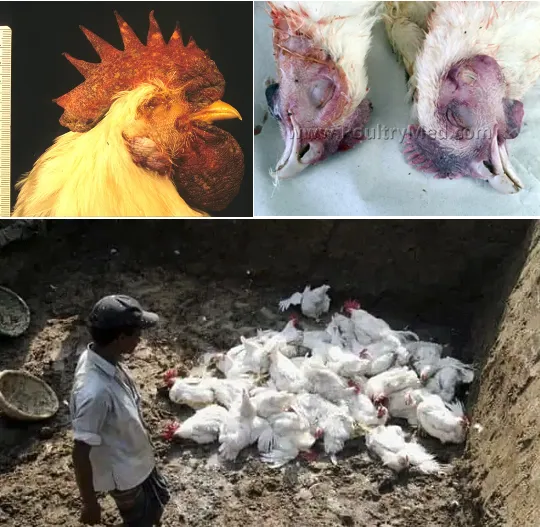
- HPAI (Highly Pathogenic Avian Influenza) — facial swelling, blue comb and wattles, blood-tinged discharge, near-100% mortality. An OIE List A notifiable disease.
- **India outbreaks:** H5N1 and H5N8 caused major outbreaks in 2021 across Kerala, Maharashtra, and Rajasthan. H5N1 clade 2.3.4.4b was detected in Kerala (June 2024).
- **Zoonotic significance:** H5N1 can infect humans with high mortality (approximately ~60% case fatality rate in humans). Virus transmits from infected birds or contaminated environments; strict biosafety measures required during culling operations.
- **Control policy in India (DAHD protocol):** Stamping out — culling all birds within 1 km radius of the outbreak; enhanced surveillance and movement ban in 10 km surveillance zone; government compensation to affected farmers.
- No licensed vaccine is available in India; surveillance and strict biosecurity are the primary tools of control.
- A vaccination programme used in conjunction with strict quarantine has been used in some countries to control mild (LPAI) forms.
- Viral disease.
- Also known as **Bird Flu**. **Avian influenza** is caused by Influenza A virus; key subtypes include H5N1, H5N8, H9N2. All species of birds can be affected.
- Avian influenza is classified based on pathogenicity:
- LPAI (Low Pathogenic Avian Influenza) — mild symptoms: listlessness, respiratory distress, drop in egg production.
- HPAI (Highly Pathogenic Avian Influenza) — facial swelling, blue comb and wattles, blood-tinged discharge, near-100% mortality. An OIE List A notifiable disease.
- **India outbreaks:** H5N1 and H5N8 caused major outbreaks in 2021 across Kerala, Maharashtra, and Rajasthan. H5N1 clade 2.3.4.4b was detected in Kerala (June 2024).
- **Zoonotic significance:** H5N1 can infect humans with high mortality (approximately ~60% case fatality rate in humans). Virus transmits from infected birds or contaminated environments; strict biosafety measures required during culling operations.
- **Control policy in India (DAHD protocol):** Stamping out — culling all birds within 1 km radius of the outbreak; enhanced surveillance and movement ban in 10 km surveillance zone; government compensation to affected farmers.
- No licensed vaccine is available in India; surveillance and strict biosecurity are the primary tools of control.
- A vaccination programme used in conjunction with strict quarantine has been used in some countries to control mild (LPAI) forms.
NOTE
HPAI vs LPAI — Key Difference for Exams:
- LPAI (Low Pathogenic AI): Mild signs — reduced egg production, mild respiratory signs, low mortality. Most H9N2 strains are LPAI.
- HPAI (Highly Pathogenic AI): Severe — near 100% mortality, facial swelling, haemorrhages, sudden death. H5N1, H5N8 are HPAI. OIE List A notifiable disease (must be reported internationally within 24 hours).
WARNING
Avian Influenza (Bird Flu) is a zoonotic disease — it can spread to humans. HPAI caused by H5N1 / H5N8 is an OIE (WOAH) List A notifiable disease. Control = stamping out (culling within 1 km, surveillance in 10 km zone). No licensed vaccine in India. Human mortality from H5N1 ≈ 60%.
Blue Comb Disease
- Disease primarily of young laying hens.
- It is also called pullet disease.
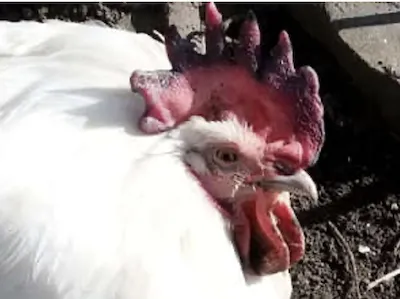
- Blue colour of combs. The bluish discolouration of the comb (called cyanosis) occurs due to impaired blood circulation and oxygen supply, giving the disease its characteristic name.
- Caused by a coronavirus.
- Symptoms include drop in egg production, watery diarrhoea, dehydration, and shrivelled comb.
Infectious Bronchitis (IB)
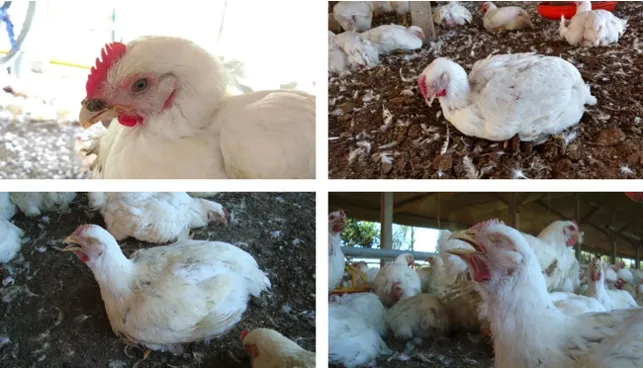
- IB is one of the most important viral diseases of poultry. It is caused by a Coronavirus (Infectious Bronchitis Virus, or IBV).
- It causes major economic losses to the poultry industry.
- IB is an acute, highly contagious, viral respiratory disease of chickens. characterized by tracheal rales, coughing, and sneezing.
- Symptoms: Nasal discharge, rales, coughing, sneezing, respiratory distress, and gurgling sounds.
- Spread by aerosol, ingestion of contaminated feed and water, contact with contaminated equipment and clothing. The virus can also be transmitted through airborne droplets over short distances, making it extremely difficult to contain in densely stocked poultry houses.
- Prevention: Vaccination with IB vaccine at 4th-5th week and 13th-15th week.
Turkey Rhinotracheitis
- Viral disease. This disease is caused by the Avian Metapneumovirus (AMPV), also known as Turkey Rhinotracheitis Virus (TRTV).
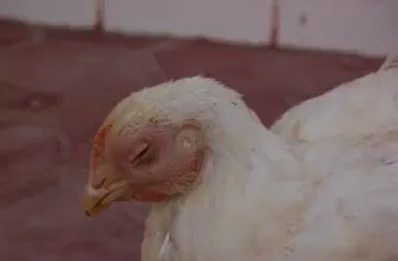
- Swollen head syndrome (SHS) is an acute, highly contagious upper respiratory tract infection of poultry.
- The typical clinical signs seen in chickens infected with the virus include swelling of the periorbital and infraorbital sinuses, particularly around the eye, coupled with mild conjunctivitis. The facial swelling is a distinctive feature that helps in field diagnosis.
Egg Drop Syndrome (EDS)
- A viral disease caused by an Adenovirus.
- Characterised by sudden and severe drop in egg production (10-40%) and production of thin-shelled, soft-shelled, or shell-less eggs.
- Affects layers at peak production (25-35 weeks).
- Prevention: Vaccination with EDS vaccine at 15th-18th week via intramuscular route.
Vaccination Schedule
"Prevention is better than Cure". Many viral diseases cannot be treated but can be controlled only by preventive vaccination. A well-planned vaccination schedule, followed consistently from day one, is the most cost-effective disease prevention strategy in poultry farming.
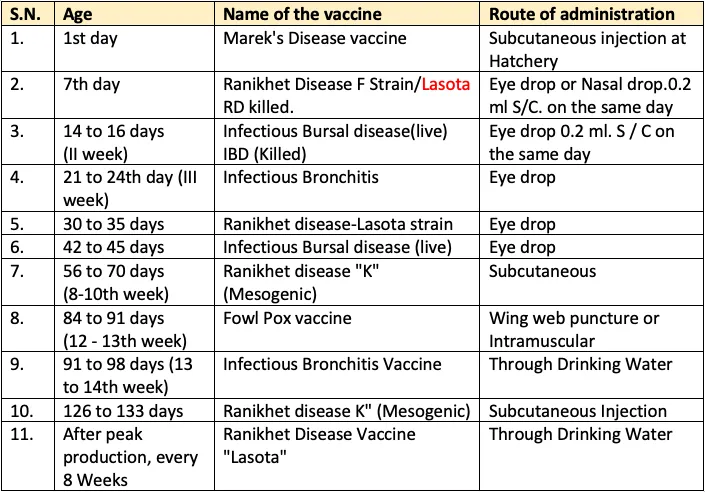
Complete Vaccination Schedule for Layers
| S.No. | Age | Disease | Vaccine | Route |
|---|---|---|---|---|
| 1 | 0-2 days | Marek's disease | HVT Strain | Subcutaneous at hatchery |
| 2 | 5th day | Ranikhet disease | F1 or Lasota strain | Nasal/Ocular or drinking water |
| 3 | 12-15 days | IBD (Gumboro) | Gumboro (Live) vaccine | Oral drop or drinking water |
| 4 | 3rd-4th week | Ranikhet disease (Repeat) | F1 or Lasota strain | Nasal/Ocular or drinking water |
| 5 | 4th-5th week | Infectious Bronchitis | IB vaccine | Eye drop or drinking water |
| 6 | 4th-5th week | Fowl pox | Fowl pox vaccine (BM strain) | Intramuscular (I/M) |
| 7 | 5th-7th week | Ranikhet disease | R2B Strain | Intramuscular (I/M) |
| 8 | 7th-8th week | IBD (Gumboro) (Repeat) | Gumboro (Live) vaccine | Oral drop or drinking water |
| 9 | 13th-15th week | Infectious Bronchitis | IB Vaccine | Oral drop or drinking water |
| 10 | 14th-15th week | Fowl pox (Repeat) | Fowl pox vaccine (BM strain) | Intramuscular (I/M) |
| 11 | 15th-18th week | Egg Drop Syndrome | EDS vaccine | I/M |
| 12 | 16th-18th week | Ranikhet disease | R2B Strain | I/M |
IMPORTANT
Key vaccines to remember: Marek's (Day 0-2, HVT, S/c), Ranikhet (Day 5 Lasota/F1, then R2B boosters), IBD/Gumboro (12-15 days + 7-8 week booster), Fowl Pox (4-5 week + 14-15 week, BM strain, I/M). These are the most frequently asked vaccines in exams.
Quick MCQ Summary — Vaccine-Disease-Strain:
- Day 1 → Marek's (HVT strain, hatchery, S/c) — world's first cancer vaccine (1970)
- Day 5–7 → Ranikhet (F₁/LaSota strain, eye drop/nasal)
- Day 14–15 → IBD/Gumboro (live vaccine, oral/drinking water)
- Week 3–4 → Ranikhet repeat (F₁/LaSota)
- Week 4–5 → Fowl Pox (BM strain, I/M or wing web) + IB vaccine
- Week 5–7 → Ranikhet booster (R₂B strain, I/M — killed vaccine)
- Week 7–8 → IBD booster
- Week 15–18 → EDS vaccine + Ranikhet (R₂B, killed, before lay onset)
Routes of Vaccine Administration
| Route | Method | Used For |
|---|---|---|
| Nasal/Ocular | Eye drop or nostril drop | Ranikhet (Lasota/F1) |
| Drinking water | Mixed in water (remove chlorine first) | Ranikhet, IBD, IB |
| Intramuscular (I/M) | Injection in breast or thigh muscle | Fowl pox, R2B, EDS |
| Subcutaneous (S/c) | Injection under skin of neck | Marek's (at hatchery) |
| Wing web | Prick method in wing web | Fowl pox (alternative) |
Bacterial Diseases
Bacterial diseases in poultry are caused by pathogenic bacteria and can often be treated with antibiotics, unlike viral diseases. However, prevention through good hygiene and biosecurity remains the best approach.
Pullorum Disease (Bacillary White Diarrhoea)
- Caused by Salmonella pullorum.
- Primarily affects young chicks (under 3 weeks) with high mortality.
- Transmission: Vertical transmission (transovarial) — the bacteria pass from infected hen into the egg yolk before shell formation. This is the classic route: infected dam → infected egg → infected chick. Horizontal spread (direct contact, feed, water) can also occur.
- Symptoms: Huddling, pasting of vent (white pasty droppings block the vent), white pasty diarrhoea, lethargy, high mortality in chicks.
- Diagnosis: Pullorum Agglutination Test (PAT) — a rapid plate agglutination test used to identify carrier adult birds in breeding flocks. Blood or serum is mixed with S. pullorum antigen; clumping (agglutination) indicates a positive (carrier) bird.
- Eradication policy: Test and cull — all reactor (positive) birds identified by PAT are culled to break the cycle of vertical transmission.
- Treatment: Antibiotics (furazolidone, sulfonamides). Remove carrier birds.
- Prevention: Test breeding flocks and eliminate carriers. Maintain strict hatchery hygiene.
IMPORTANT
Pullorum = Salmonella pullorum = Bacillary White Diarrhoea. Key feature = vertical/transovarial transmission (egg-transmitted). Diagnosis = PAT (Pullorum Agglutination Test). Control = test and cull policy. Unlike Fowl Typhoid (S. gallinarum), Pullorum primarily affects chicks, not adults.
Fowl Cholera
- Caused by Pasteurella multocida.
- Fowl Cholera is a severe bacterial disease characterised by sudden death, high fever, swollen wattles, and greenish-yellow diarrhoea.
- Symptoms: Combs and wattles become swollen and bluish. Pin-point blood spots on the heart and duodenum. White spots on the liver are present.
- Treatment: Antibiotics (oxytetracycline, sulfonamides).
- Prevention: Vaccination, good sanitation, rodent control.
Fowl Typhoid
- Caused by Salmonella gallinarum.
- Affects birds of all ages (more prominent in adult birds) with symptoms similar to Pullorum disease.
- High mortality in adult birds with greenish-yellow diarrhoea, anaemia, enlarged spleen and liver.
- Transmission: Primarily horizontal (direct contact, contaminated feed/water). Unlike Pullorum disease, Fowl Typhoid is NOT egg-transmitted (no transovarial transmission).
- Treatment: Antibiotics, culling of carriers.
TIP
Pullorum vs Fowl Typhoid — Exam Comparison:
| Feature | Pullorum (S. pullorum) | Fowl Typhoid (S. gallinarum) |
|---|---|---|
| Age affected | Chicks (under 3 weeks) | All ages, mainly adults |
| Transmission | Vertical (egg/transovarial) ✓ | Horizontal only ✗ |
| Diarrhoea | White pasty | Greenish-yellow |
| Diagnosis | PAT (Pullorum Agglutination Test) | Culture + serology |
Colibacillosis
- Caused by pathogenic strains of Escherichia coli.
- Colibacillosis causes respiratory distress, swollen joints, and septicaemia, especially in young chicks with compromised immune systems.
- Often occurs as a secondary infection after viral diseases (especially IBD) that suppress immunity.
- Treatment: Antibiotics based on sensitivity testing.
Chronic Respiratory Disease (CRD)
- Caused by Mycoplasma gallisepticum.
- Symptoms: Respiratory distress, sound of rales, sneezing, poor weight gain, and nasal discharge.
- Chronic and slow-spreading; causes significant economic losses through reduced growth and egg production.
- Treatment: Tylosin, erythromycin, or other macrolide antibiotics.
Infectious Coryza
- Caused by Avibacterium paragallinarum (formerly Haemophilus paragallinarum). Bacterial disease.
- Acute respiratory disease primarily affecting laying hens and older growing birds.
- Symptoms: Swollen face (facial/infraorbital sinus swelling), nasal discharge with foul smell, conjunctivitis, laboured breathing, and significant drop in egg production (10–40%).
- Transmission: Direct contact with infected birds or contaminated water and equipment. Carrier birds are a major source.
- Treatment: Sulphonamides (sulphadimidine, sulphamethazine) and tetracyclines are effective; treatment controls the disease but does not eliminate carriers.
- Prevention: Bacterin (killed) vaccine available; all-in all-out management and strict biosecurity.
NOTE
Infectious Coryza key facts: Causative agent = Avibacterium paragallinarum. Characteristic sign = swollen face with foul-smelling nasal discharge. Treatment = sulphonamides / tetracyclines. Vaccine = killed bacterin.
Bacterial Disease Summary Table
| Disease | Causative Organism | Key Symptoms | Treatment |
|---|---|---|---|
| Pullorum | Salmonella pullorum | White diarrhoea, huddling, high chick mortality | Antibiotics, eliminate carriers |
| Fowl Cholera | Pasteurella multocida | Sudden death, swollen bluish comb, liver spots | Oxytetracycline, vaccination |
| Fowl Typhoid | Salmonella gallinarum | Similar to Pullorum, affects all ages | Antibiotics, culling |
| Colibacillosis | E. coli | Respiratory distress, septicaemia | Sensitivity-based antibiotics |
| CRD | Mycoplasma gallisepticum | Rales, sneezing, nasal discharge | Tylosin, erythromycin |
| Infectious Coryza | Avibacterium paragallinarum | Swollen face, foul nasal discharge, egg drop | Sulphonamides, tetracyclines |
Protozoal Diseases
Coccidiosis
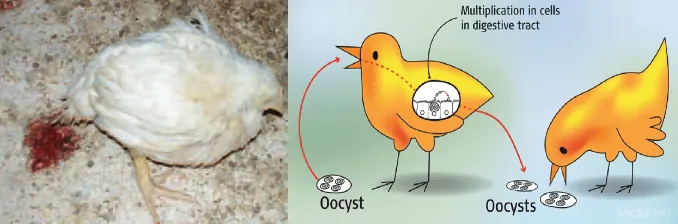
- Severe upto 10 weeks of age, due to poor litter management, bloody droppings, high mortality, production performance is hampered.
- Coccidiosis is caused by protozoan parasites of the genus Eimeria that invade the intestinal lining. There are multiple species of Eimeria, each targeting different parts of the gut.
Key Eimeria Species in Poultry:
| Species | Site | Severity | Characteristic |
|---|---|---|---|
| E. tenella | Caecum | Most pathogenic | Caecal coccidiosis — severe bloody diarrhoea, high mortality |
| E. necatrix | Small intestine | Very severe | White spots + haemorrhage in intestine |
| E. maxima | Small intestine | Moderate–severe | Orange intestinal content |
| E. acervulina | Duodenum | Mild–moderate | White transverse lesions in duodenum |
E. tenella is the most important species for exams — causes caecal coccidiosis with bloody caecal cores (blood-filled caeca) as the pathognomonic (definitive) lesion.
- Symptoms: Reddish (bloody) diarrhoea, huddling, stunted growth, crouching, dehydration, high mortality in young birds.
- The disease is closely linked to wet litter conditions, which promote the survival and sporulation of oocysts (the infective stage of the parasite).
- Treatment: Anticoccidial drugs (amprolium, salinomycin, sulfonamides) in feed or water.
- Prevention: Maintaining dry, clean litter and using coccidiostats in feed are the primary control strategies. Coccidiosis vaccines are also available.
- Wire-floored cages prevent coccidiosis because birds have no contact with droppings on the floor — oocysts in faeces cannot be re-ingested to complete the lifecycle.
TIP
Coccidiosis is strongly linked to wet litter. The single most effective prevention is keeping litter dry (20-25% moisture). Bloody droppings in young chicks = suspect coccidiosis immediately. Most pathogenic species = E. tenella (caecal coccidiosis). Wire-floored cages prevent coccidiosis by breaking the oocyst-ingestion cycle.
Fungal Diseases
Aspergillosis (Brooder Pneumonia)
- Caused by the fungus Aspergillus fumigatus.
- Primarily affects young chicks (hence called brooder pneumonia).
- Symptoms: Gasping, respiratory distress, plaques in lungs and air sacs.
- Transmission: Inhalation of fungal spores from mouldy litter, feed, or hatchery contamination.
- Treatment: No effective treatment. Remove mouldy litter and feed. Improve ventilation.
- Prevention: Use clean, dry litter. Avoid mouldy feed. Proper hatchery sanitation.
Moniliasis (Candidiasis / Thrush)
- Caused by the yeast Candida albicans.
- Affects the crop and upper digestive tract.
- Symptoms: White, curd-like patches in crop and mouth; poor growth.
- Treatment: Nystatin or copper sulphate in drinking water.
Parasitic Diseases
External Parasites
- Lice, Mites, Ticks, and Fleas suck blood from the bird causing irritation, blood loss, anaemia, and reduced productivity.
- Control: Regular delicing using approved insecticidal dusts or sprays. Maintain hygiene in poultry house.
Internal Parasites
- Roundworms and Tapeworms cause weight loss, poor feed conversion, and reduced egg production.
- Treatment: Deworming with piperazine compound at intervals of 45 days.
- Deworming against tapeworms is done only on absolute necessity.
Nutritional Disorders
Nutritional disorders arise when birds do not receive adequate amounts of essential vitamins and minerals in their diet. These are preventable through proper feed formulation and management.
Vitamin Deficiency Disorders
| Deficiency | Disease / Condition | Key Symptoms |
|---|---|---|
| Vitamin A | Nutritional Roup / Xerophthalmia | Eye problems, nasal discharge, poor growth |
| Vitamin B1 (Thiamine) | Polyneuritis | Paralysis of wing and neck, star-gazing |
| Vitamin B2 (Riboflavin) | Curled toe paralysis | Walking on hocks, dermatitis on mouth, vent, foot pads |
| Vitamin B12 (Cyanocobalamine) | Retarded growth | Increased mortality, drop in production & hatchability |
| Vitamin D | Rickets | Leg weakness, swollen hock joints, rubbery beak, thin-shelled eggs |
| Vitamin E | Encephalomalacia (Crazy Chick Disease) | Paralysis of leg, retraction of head, convulsions, death |
| Choline | Fatty liver syndrome | Fat accumulation in liver, sudden death in layers |
-
Vitamin A Deficiency: Nutritional Roup / Xerophthalmia
- Vitamin A is essential for maintaining epithelial integrity (mucous membranes of the respiratory and digestive tracts). Deficiency leads to white pustule-like deposits in the mouth and throat (resembling wet pox — important distinction), nasal discharge, watery eyes, and increased susceptibility to respiratory infections.
- Xerophthalmia = dry eye condition from corneal damage. Night blindness also occurs.
- Note: Do NOT confuse Vitamin A deficiency mouth lesions with Wet Fowl Pox — Vit A lesions are smaller, more diffuse, and lack the raised wart-like base.
-
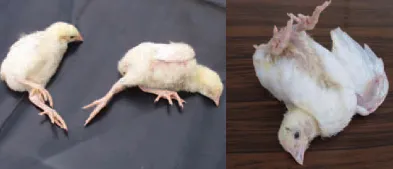
Vitamin E Deficiency: Encephalomalacia
- Crazy chick disease. The name Crazy Chick Disease describes the neurological symptoms seen in affected birds.
- It causes paralysis of leg, retraction of head, convulsions, death. Encephalomalacia literally means "softening of the brain" and occurs due to oxidative damage to brain tissue in the absence of Vitamin E, which serves as a powerful antioxidant.
- Provide vegetable oils, synthetic Vit E etc to the birds.
-
Vitamin B2 (Riboflavin) Deficiency: Curled toe paralysis
- Tendency to walk on hocks, dermatitis on corners of mouth, vent and foot pads. Affected chicks walk on their hocks (ankle joints) with toes curled inward because the peripheral nerves degenerate without adequate riboflavin.
- Provide fish products, Vit B2, rice bran.
-
Vitamin D Deficiency: Rickets. Rickets causes softening and deformation of bones in growing chicks due to impaired calcium and phosphorus metabolism. In poultry, specifically Vitamin D₃ (cholecalciferol) is required — D₂ (ergocalciferol) is far less effective for birds. Birds kept indoors without exposure to sunlight are particularly at risk. Also causes rubbery beak, thin-shelled eggs.
Mineral Deficiency Disorders
| Deficiency | Disease / Condition | Key Symptoms |
|---|---|---|
| Manganese (Mn) | Perosis (Slipped Tendon) | Swollen, twisted hock joint, severe lameness |
| Zinc (Zn) | Parakeratosis | Thickening and crusting of skin (feet, beak) |
| Calcium, Phosphorus | Poor egg shell, bone deformities | Thin-shelled eggs, curved beak (IBPS PSB 2019) |
| Phosphorus (P) | Osteomalacia | Soft bones in adult birds |
| Iron (Fe) | Iron deficiency anaemia in chicks | Pale comb and wattles, reduced growth |
| Zinc + Magnesium | Goose Stepping | Bone deformation, abnormal gait |
- Manganese (Mn) Deficiency: Perosis (Slipped Tendon Disease). Perosis is caused by a deficiency of manganese (Mn). It results in the displacement of the gastrocnemius (Achilles) tendon from its condyles, causing the hock joint to become swollen, twisted, and bent at an abnormal angle — the bird cannot walk properly. Choline and biotin deficiency can also contribute. Perosis literally means "maimed" or "crippled".
- Zinc (Zn) Deficiency: Parakeratosis. Parakeratosis is caused by zinc (Zn) deficiency and is characterised by thickening and crusting of the skin, especially on the feet and around the beak.
WARNING
Mn = Perosis (slipped tendon) and Zn = Parakeratosis (skin crusting) -- do NOT confuse the two. This is a very common exam trap. Remember: Manganese = Movement problem (slipped tendon), Zinc = sKin problem.
NOTE
Additional exam-important nutritional facts:
- Vit A deficiency = Xerophthalmia / Nutritional Roup
- Vit B1 deficiency = Polyneuritis (paralysis of wing and neck)
- Vit B12 deficiency = Retarded growth, drop in hatchability
- Calcium + Phosphorus = Poor egg shell formation (asked in IBPS PSB 2019)
- Choline deficiency = Fatty liver syndrome
- Goose Stepping = Zinc + Magnesium deficiency
Summary Cheat Sheet
Poultry diseases span six categories: viral, bacterial, protozoal, fungal, parasitic, and nutritional. The most exam-critical diseases are Ranikhet (Newcastle disease) caused by APMV-1, Marek's disease caused by Herpesvirus, IBD (Gumboro) targeting the Bursa of Fabricius, and Avian Influenza (Bird Flu) caused by Influenza A virus subtypes H5N1/H5N8/H9N2. Key vaccines include LaSota/F1 and R2B for Ranikhet, HVT or bivalent HVT+SB1 for Marek's, and live Gumboro vaccine for IBD. HPAI is an OIE List A notifiable disease controlled by stamping out; no licensed vaccine exists in India. Nutritional disorders like Perosis (Mn deficiency) and Curled Toe Paralysis (Vit B2 deficiency) are frequently asked in exams.
Quick Revision: Disease vs Causative Organism
| Disease | Causative Organism | Key Exam Facts |
|---|---|---|
| Ranikhet (Newcastle) | APMV-1 (Avian Paramyxovirus serotype 1) | Vaccine: LaSota (manufactured by IVRI, Izatnagar) |
| Marek's Disease | Herpesvirus (Gallid herpesvirus 2) | Vaccine: HVT alone OR bivalent HVT+SB1 (gold standard) |
| IBD (Gumboro) | Birnavirus (Avibirnavirus) | 3–6 weeks susceptible; vvIBDV mortality up to 80–90%; destroys Bursa → immunosuppression |
| Fowl Pox | Avipoxvirus | Vector: mosquitoes; BM strain vaccine |
| Avian Influenza | Influenza A (H5N1, H5N8, H9N2) | OIE List A; stamping out; no vaccine in India |
| Infectious Bronchitis | Coronavirus (IBV) | Respiratory; egg production drop |
| Blue Comb | Coronavirus | Pullet disease; cyanosis of comb |
| Egg Drop Syndrome | Adenovirus | Thin/shell-less eggs; peak layers affected |
| Pullorum | Salmonella pullorum | White pasty diarrhoea; vertical/transovarial transmission; diagnosis = PAT; control = test & cull |
| Fowl Cholera | Pasteurella multocida | Sudden death; swollen bluish wattles |
| Fowl Typhoid | Salmonella gallinarum | All ages; greenish-yellow diarrhoea |
| Colibacillosis | Escherichia coli | Secondary infection post-IBD |
| CRD | Mycoplasma gallisepticum | Rales, nasal discharge; tylosin |
| Infectious Coryza | Avibacterium paragallinarum | Swollen face, foul smell; sulphonamides |
| Coccidiosis | Eimeria spp. | Bloody diarrhoea; wet litter risk |
| Aspergillosis | Aspergillus fumigatus | Brooder pneumonia; mouldy litter |
| Moniliasis | Candida albicans | Crop/mouth thrush; nystatin |
References
1 source • [1]
References
Lesson Doubts
Ask questions, get expert answers