🦠 Pig Diseases - African Swine Fever, Classical Swine Fever, Swine Influenza and Vaccination
Comprehensive guide to pig diseases including African Swine Fever (100% fatality), Classical Swine Fever (Pig Plague), Swine Influenza, Coccidiosis, Swine Dysentery, FMD in pigs, and vaccination schedule for exams.
Disease management is a critical aspect of swine husbandry. Early identification of symptoms, strict biosecurity measures, and timely vaccination can prevent devastating losses in a pig farming enterprise. Below are the major diseases that affect pigs.
Viral Diseases
African Swine Fever (ASF)
- It is a highly contagious and fatal viral disease of domestic and wild pigs. **ASF** is caused by a large DNA virus of the family **Asfarviridae**, and it is one of the most feared diseases in the global pork industry due to its extremely high mortality rate.
IMPORTANT
ASF virus is the sole member of the family Asfarviridae — it is a DNA virus, completely unrelated to Classical Swine Fever (CSF), which is an RNA virus. This distinction is a frequent exam question. ASF is also NOT zoonotic (safe for humans) and has no commercially approved vaccine.
Pro Content Locked
Upgrade to Pro to access this lesson and all other premium content.
₹99 charged monthly · Cancel anytime
- All Agriculture & Banking Courses
- AI Lesson Questions (100/day)
- AI Doubt Solver (50/day)
- Glows & Grows Feedback (30/day)
- AI Section Quiz (20/day)
- 22-Language Translation (100/day)
- Recall Questions (20/day)
- AI Quiz (15/day)
- AI Quiz Paper Analysis (100/day)
- AI Step-by-Step Explanations (100/day)
- Spaced Repetition Recall (FSRS)
- AI Tutor
- Immersive Text Questions
- Audio Lessons — Hindi & English
- Mock Tests & Previous Year Papers
- Summary & Mind Maps
- XP, Levels, Leaderboard & Badges
- Generate New Classrooms
- Voice AI Teacher (AgriDots Live)
- AI Revision Assistant
- Knowledge Gap Analysis
- Interactive Revision (LangGraph)
🔒 Secure via Razorpay · Cancel anytime · No hidden fees
Disease management is a critical aspect of swine husbandry. Early identification of symptoms, strict biosecurity measures, and timely vaccination can prevent devastating losses in a pig farming enterprise. Below are the major diseases that affect pigs.
Viral Diseases
African Swine Fever (ASF)
- It is a highly contagious and fatal viral disease of domestic and wild pigs. **ASF** is caused by a large DNA virus of the family **Asfarviridae**, and it is one of the most feared diseases in the global pork industry due to its extremely high mortality rate.
IMPORTANT
ASF virus is the sole member of the family Asfarviridae — it is a DNA virus, completely unrelated to Classical Swine Fever (CSF), which is an RNA virus. This distinction is a frequent exam question. ASF is also NOT zoonotic (safe for humans) and has no commercially approved vaccine.
- ASF was detected first in 1921 in Kenya and is generally prevalent and endemic in countries of sub-Saharan Africa, Europe and in some Caribbean countries.
- India notified the first outbreak of ASF virus in January 2020 in the North Eastern States of Assam and Arunachal Pradesh. These states have a high concentration of pig population, making the outbreak particularly devastating for local livelihoods.
- By 2024–25, ASF has spread to 30+ states including UP (Feb 2023), Kerala (Mar 2023), Punjab, Haryana, Rajasthan, Tamil Nadu, Karnataka, Gujarat, and Maharashtra.
- In 2025, Assam alone recorded 300+ epicentres across 30 districts, highlighting the scale of the ongoing crisis.
- African swine fever (ASF) has become a major crisis for the pork industry in recent years.
- The disease can result in up to 100% fatalities in a population. This near-total mortality rate makes ASF one of the most lethal diseases in all of livestock farming.
- It is transmitted through direct and indirect contacts, ingestion of contaminated feedstuffs (including swill/kitchen waste containing infected pork products) and by certain tick vector species. The Ornithodoros tick (soft tick) serves as a biological vector for the virus.
NOTE
Routes of ASF transmission: (1) Direct contact with infected pigs; (2) Contaminated feed — especially swill containing raw/undercooked pig meat or blood products (a major reason swill feeding is banned in many countries); (3) Contaminated fomites (vehicles, clothing, equipment); (4) Ornithodoros soft ticks (biological vector in Africa/Iberian Peninsula). Understanding transmission routes is essential for biosecurity design.
- The disease does not infect humans (not Zoonotic) or other livestock species. This means there is no public health risk from consuming pork from unaffected animals, but the economic impact on pig farmers is catastrophic.
- No commercially approved vaccine globally as of 2025; WOAH adopted a vaccine evaluation standard in May 2025; experimental vaccines exist but biosafety concerns persist. Control = stamping out (culling) + movement restrictions + strict biosecurity + quarantine + proper disposal of carcasses.
WARNING
ASF has no commercially approved vaccine (as of 2025) and no treatment. It is not zoonotic (does not infect humans). The only control is biosecurity, stamping out (culling), and movement restrictions. Do not confuse ASF with CSF (Classical Swine Fever), which has a vaccine.
- Symptomes:
- High fever 40-42°C.
- Loss of appetite.
- Depression.
- Lethargic- sometimes refusal to stand or move.
- Vomiting and/or diarrhoea with bloody discharge.
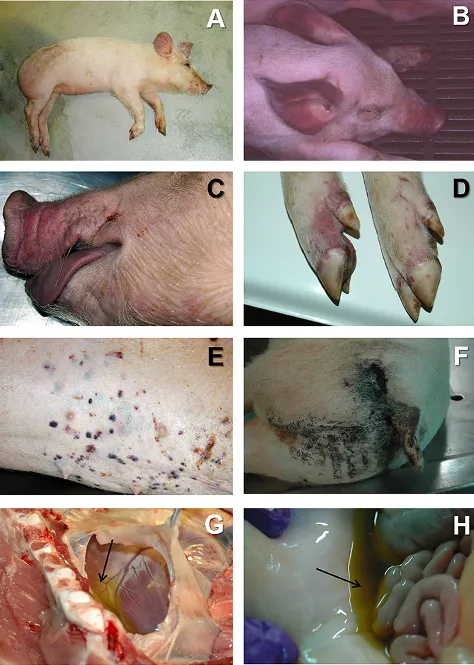
- White skinned pigs: extremities (nose, ears, tail and lower legs) become cyanotic (blue-purple colour). Cyanosis is the bluish discolouration of the skin caused by poor blood oxygenation and is a hallmark sign of ASF in white-skinned breeds.
- Discrete haemorrhages appear in the skin particularly on the ears and flanks.
- The disease is characterized by sudden deaths in pigs.
Classical Swine Fever (CSF)
 - It is highly contagious viral disease of domestic and wild pigs. **Classical Swine Fever (CSF)** is caused by a virus of the genus *Orthopestivirus* in the family Pestiviridae (updated ICTV classification; previously classified under Flaviviridae). *CSF virus is an **RNA virus** — remember this distinguishes it from ASF (DNA virus).*
- Also known as **hog cholera** or **pig plague**. These older names reflect the severe, cholera-like symptoms that the disease causes in pigs. CSF is considered the **most economically important viral disease of pigs globally**.
- It is highly contagious viral disease of domestic and wild pigs. **Classical Swine Fever (CSF)** is caused by a virus of the genus *Orthopestivirus* in the family Pestiviridae (updated ICTV classification; previously classified under Flaviviridae). *CSF virus is an **RNA virus** — remember this distinguishes it from ASF (DNA virus).*
- Also known as **hog cholera** or **pig plague**. These older names reflect the severe, cholera-like symptoms that the disease causes in pigs. CSF is considered the **most economically important viral disease of pigs globally**.
IMPORTANT
CSF key pathognomonic finding: Post-mortem examination reveals "button ulcers" (circular necrotic ulcers with raised edges) in the large intestine — this is the hallmark pathological lesion of CSF, frequently asked in exams. Morbidity and mortality can reach up to 90% in susceptible populations.
- Young animals more susceptible. Piglets and young pigs have less developed immune systems, making them particularly vulnerable.
- In the acute form of the disease, in all age groups, there is fever, huddling of sick animals, loss of appetite, dullness, weakness, conjunctivitis, constipation followed by diarrhoea, and an unsteady gait.
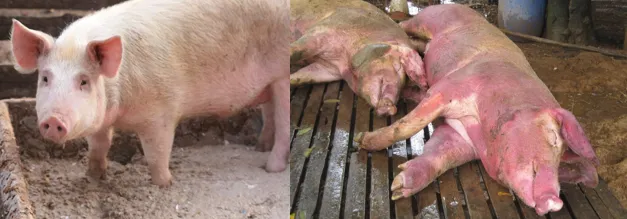
- Several days after the onset of clinical signs, the ears, abdomen and inner thighs may show a purple discoloration. This characteristic purple discolouration is caused by haemorrhages in the skin (petechiae/ecchymoses) and is one of the most recognizable clinical signs of CSF. High fever of 41–42°C is typically the first sign, followed by neurological signs (circling, convulsions) in the later stages.
- High body temperature, lethargy, yellowish diarrhoea, vomiting, and purple skin discolouration of the ears, lower abdomen, and legs.
- Animals with acute disease die within 1-2 weeks. (High mortality)
- Modified live vaccines (MILV) are used to control CSF. The Lapinized Chinese (LC) strain vaccine is commonly used in India for CSF control. The older Crystal Violet Vaccine (CVV) is also used. Vaccination is the primary tool for prevention since no effective treatment exists.
TIP
CSF vaccination schedule (India): First dose at 5–6 weeks of age; booster at 8–10 weeks. Annual revaccination of breeding stock. CSF is an OIE (WOAH) List A notifiable disease — any outbreak must be immediately reported to government authorities.
TIP
CSF vs ASF quick comparison: CSF (Pig Plague/Hog Cholera) has a vaccine (MILV/LC strain) and causes purple discolouration. ASF has no vaccine and causes cyanosis (blue-purple) on extremities. Both are viral and fatal. ASF and CSF are clinically similar and cannot be definitively distinguished from each other in the field — laboratory diagnosis is essential.
Swine Influenza
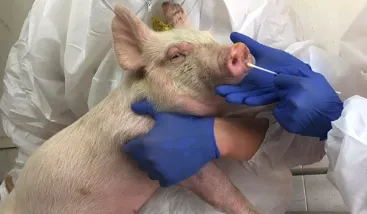 - Swine influenza is a highly contagious respiratory viral infection of pigs caused by swine influenza virus (Influenza A virus, subtypes H1N1 and H3N2). The virus belongs to the **Orthomyxoviridae** family and primarily affects the **respiratory tract**.
IMPORTANT
Pigs as "mixing vessels" for influenza: Pigs have receptors for both human and avian influenza viruses, so a single pig can be simultaneously infected by both. This allows genetic reassortment — the two virus strains can exchange gene segments, potentially generating a novel pandemic strain that can infect humans. The 2009 H1N1 pandemic ("swine flu") originated from a reassortant swine influenza virus. This is why swine influenza is considered a zoonotic and pandemic risk disease.
NOTE
Swine Influenza is zoonotic — pig-to-human transmission is documented. Farmers and slaughterhouse workers are at elevated occupational risk.
- It is characterized by coughing, sneezing, nasal discharge, elevated rectal temperatures, lethargy, difficult breathing, depressed appetite and rarely associated with reproductive disorders such as abortion. While swine influenza is primarily a respiratory disease, it can occasionally cause reproductive problems in pregnant sows. The disease spreads rapidly through a herd but typically has a low mortality rate if secondary bacterial infections are prevented.
- The first clinical signs are fever (40.5-41.5°C), puffy eyes, anorexia leading to loss of weight, depression, prostration and huddling leading to weakness.
Foot and Mouth Disease (FMD)
- Causative agent: Viral — caused by FMD virus of the genus Aphthovirus.
- Characterized by fever (40-40.6°C).
- Vesicles (blisters) form on the snout, tongue, lips, and feet (between the claws and on the coronary band).
- Affected pigs show lameness, reluctance to move, and excessive salivation.
- FMD is highly contagious and can spread rapidly through a herd.
- Prevention: Vaccination with polyvalent FMD vaccine. Strict quarantine of new animals.
IMPORTANT
Pigs as FMD amplifiers: Pigs are considered "amplifier hosts" for FMD virus — they excrete up to 3,000 times more virus in exhaled air than cattle or sheep. A single infected pig in a herd can generate an enormous viral load that spreads via aerosol to neighbouring farms. FMD vaccination in pigs follows the same 6-monthly schedule used in cattle. Pigs are cloven-hoofed animals, making them fully susceptible to all seven FMD serotypes (O, A, C, SAT 1, SAT 2, SAT 3, Asia 1).
Swine Pox
- Causative agent: Viral — Swine pox virus.
- Transmitted mainly through the pig louse (Haematopinus suis), which is the main route of swine pox transmission.
- Characterized by round, raised pox lesions on the skin, especially on the belly, inner thighs, and behind the ears.
- Usually self-limiting with low mortality but can be severe in young piglets.
- Prevention: Control of pig lice through regular delousing and maintaining hygiene.
Porcine Parvo Virus (PPV)
- Porcine parvovirus infection (PPV) is a common and important cause of infectious infertility. **PPV** is one of the most significant causes of **reproductive failure** in pigs worldwide.
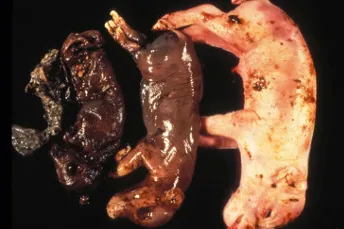
- Parvovirus affects mainly **non-vaccinated primiparous sows**, causing reproductive problems such as mummies.
- If pregnant sows become infected with Porcine Parvovirus (PPV) causes reproductive failure. The virus crosses the **placental barrier** and infects the developing foetuses, leading to death at various stages of gestation.
- An increased numbers of stillbirths. These are associated with the delay in the farrowing mechanism which occurs because of the presence of mummified piglets.
- Small litters associated with embryo loss before 35 days gestation.
- An increase in low birth weight piglets but neonatal deaths are not affected.
- Small mummified piglets in the afterbirth present. The presence of **mummified foetuses** of varying sizes is a classic indicator of PPV infection, as the virus kills foetuses at different stages of development. **Vaccination of gilts** before their first breeding is the most effective preventive measure.
Porcine Circovirosis (PCV2)
- Causative agent: Viral — Porcine Circovirus Type 2 (PCV2).
- Has a huge economic impact on the pig industry worldwide.
- Clinically it presents as a disease which deteriorates animals from weaning to finishing period producing a high mortality rate.
- It also causes dermatitis and nephropathia (kidney disease) with high mortality.
- Vaccination against PCV2 is now widely practised in commercial pig farms.
Transmissible Gastroenteritis (TGE)
- Causative agent: Viral — Alphacoronavirus (family Coronaviridae) — the TGE virus (TGEV).
- Highly contagious disease causing severe diarrhoea in pigs of all ages.
- Particularly devastating in neonatal piglets with mortality up to 100% in piglets under 2 weeks old.
- Symptoms: Watery diarrhoea, vomiting, dehydration, rapid weight loss.
- Prevention: Biosecurity measures, feedback (controlled exposure of sows to build immunity).
Porcine Reproductive and Respiratory Syndrome (PRRS)
- Causative agent: Viral — Arterivirus (genus Porartevirus).
- Causes reproductive failure in sows (abortion, stillbirths, mummified foetuses) and respiratory disease in piglets.
- First detected in India: Mizoram, 2013.
- National seroprevalence: approximately 17.8%.
- No cure; vaccination used for prevention in commercial farms.
- Also known as "blue-ear pig disease" due to bluish discolouration of ears in affected pigs. The blue discolouration results from cyanosis caused by respiratory failure reducing blood oxygenation.
TIP
PRRS economic impact: PRRS is one of the most economically devastating diseases in commercial pig farming worldwide, causing losses through abortion storms, increased piglet mortality, reduced growth rates, and secondary infections. The "reproductive failure + respiratory disease" combination across two age groups (sows + piglets) is the defining clinical pattern.
Nipah Virus
- Causative agent: Viral — Paramyxovirus (Nipah virus), genus Henipavirus.
- Pigs are the amplifying host in the bat → pig → human transmission chain.
- First identified in Malaysia (1998–99); pigs were the intermediate host linking fruit bats to human cases.
- India outbreaks: Kerala (2018, 2023, 2026) — primarily bat-to-human, but pig farming proximity is a significant risk factor.
- Zoonotic — bat → pig → human transmission; pig-to-human transmission documented.
- No approved vaccine; supportive treatment only.
- OIE priority pathogen; notifiable disease.
- High case fatality rate (40–75%) in humans.
WARNING
Nipah is a zoonotic disease where pigs act as amplifying hosts. Remember: first outbreak in Malaysia (1998–99), India outbreaks in Kerala. No vaccine available.
Bacterial Diseases
Swine Erysipelas
- Causative agent: Bacteria — Erysipelothrix rhusiopathiae.
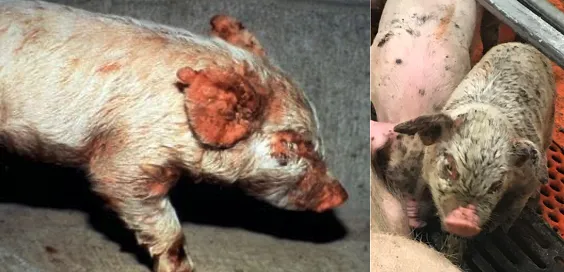
- Characterized by high fever and reddish diamond-shaped skin lesions on the body (hence also called diamond skin disease).
- Three clinical forms: (1) Acute — septicaemia, sudden death, high fever; (2) Subacute — characteristic diamond-shaped skin lesions (urticarial plaques); (3) Chronic — arthritis, vegetative endocarditis (heart valve damage), causing poor growth and lameness.
- Acute form can cause sudden death. Chronic form leads to arthritis and heart valve damage (endocarditis).
- Treatment: Penicillin is the drug of choice and is highly effective if given early — Erysipelothrix rhusiopathiae remains penicillin-sensitive.
- Prevention: Vaccination with attenuated or killed bacterin.
IMPORTANT
Swine Erysipelas is ZOONOTIC. In humans it causes "erysipeloid" — a localised skin infection at the site of contact with infected pig tissue. It is a recognized occupational hazard for pig farmers, butchers, fishmongers, and veterinarians. Unlike in pigs, human erysipeloid is NOT caused by Streptococcus pyogenes (the human "erysipelas") — the causative agent is Erysipelothrix rhusiopathiae.
IMPORTANT
The diamond-shaped reddish skin lesions are the hallmark of Swine Erysipelas. Do not confuse with the purple discolouration of CSF (which appears on ears, abdomen, and inner thighs).
Brucellosis
- Causative agent: Bacteria — Brucella suis.
- Causes reproductive failure in pigs — abortion, stillbirth, and infertility.
- In boars, it causes orchitis (inflammation of testicles) and lameness.
- Zoonotic disease — can infect humans causing undulant fever.
- Prevention: Test and slaughter policy. No effective vaccine for pigs.
Anthrax
- Causative agent: Bacteria — Bacillus anthracis.
- Peracute form causes sudden death. Acute form shows high fever, swelling of throat, and bloody discharges.
- Zoonotic — dangerous to humans.
- Prevention: Annual vaccination in endemic areas.
Tuberculosis
- Causative agent: Bacteria — Mycobacterium spp.
- Chronic wasting disease affecting lungs and lymph nodes.
- Prevention: Test and slaughter; maintain clean housing.
Leptospirosis
- Causative agent: Bacteria — Leptospira spp.
- Causes reproductive failure (abortion, stillbirth, weak piglets), fever, and jaundice.
- Transmitted through contaminated water and urine of infected animals.
- Zoonotic disease — can infect humans.
- Treatment: Antibiotics (streptomycin, tetracycline).
- Prevention: Vaccination, rodent control, drainage of stagnant water.
Exudative Dermatitis
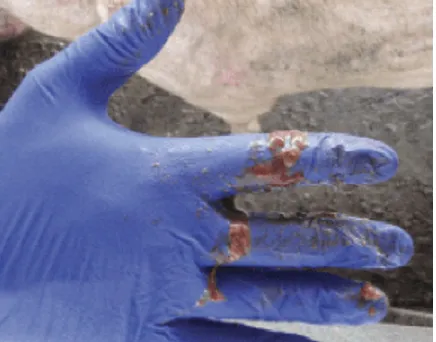
- Also knonw as Greasy pig. The name "**Greasy Pig Disease**" comes from the characteristic greasy, oily appearance of the skin in affected piglets.
- The symptoms of this disease are **skin lesions** caused by an infection of the bacteria Staphlococcus hyicus. The bacteria produces **exfoliative toxins** that damage the skin, causing it to become red, raw, and covered with a greasy exudate. The disease most commonly affects young piglets between 5 and 35 days of age.
Swine Dysentery (SD)
- Bacteria Brachyspira hyodysenteriae (B. hydo). This anaerobic spirochaete bacterium colonises the large intestine and causes severe inflammation.
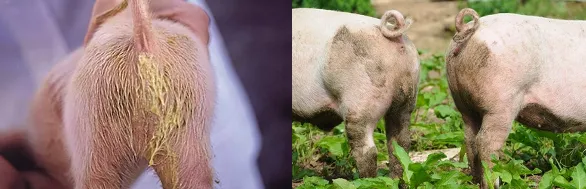
- Infectious disease characterized by mucohemorrhagic diarrhoea and marked inflammation limited to the large intestine. The term mucohemorrhagic means the diarrhoea contains both mucus and blood, which is a hallmark of this disease.
- Soft to watery faeces are common first signs.
- Diarrhoea, usually with mucus and/or blood as signs progress.
- Uneven pig growth, increased mortality, and significantly reduced feed efficiency are seen as disease progresses. The economic impact of swine dysentery extends beyond mortality; the reduced feed efficiency and uneven growth significantly increase the cost of production.
Parasitic Diseases
Coccidiosis
 - This is a protozoan disease. **Coccidiosis** is caused by single-celled **protozoan parasites**, not bacteria or viruses.
- This disease is very common in suckling piglets and is caused by **intra**cellular parasite protozoa coccidia. The parasite invades and destroys the **intestinal lining cells**, disrupting nutrient absorption.
- Diarrhoea, which may become *bloody* in severe cases, is the primary symptom. The diarrhoea leads to **dehydration** and **weight loss**, and severely affected piglets may die. Maintaining **clean, dry housing** and proper **sanitation** are key preventive measures.
- This is a protozoan disease. **Coccidiosis** is caused by single-celled **protozoan parasites**, not bacteria or viruses.
- This disease is very common in suckling piglets and is caused by **intra**cellular parasite protozoa coccidia. The parasite invades and destroys the **intestinal lining cells**, disrupting nutrient absorption.
- Diarrhoea, which may become *bloody* in severe cases, is the primary symptom. The diarrhoea leads to **dehydration** and **weight loss**, and severely affected piglets may die. Maintaining **clean, dry housing** and proper **sanitation** are key preventive measures.
Roundworm Infection (Ascariasis)
- Causative agent: Ascaris suum (internal parasite — nematode). Note: A. lumbricoides is the human roundworm; the pig roundworm is A. suum. Ascaris suum is the most common internal parasite of pigs.
- Pigs can be infected with a number of different roundworms. Large roundworms measuring 25-40 cm long can be noticed in the animal's dung.
- Migrating larvae cause "milk spot" liver (white fibrous spots on liver surface) — a classic post-mortem finding in pigs condemned at slaughter.
- In pigs 2 to 5 months old, the worms cause diarrhoea, weight loss, and lung problems.
- Prevention: Regular deworming, rotational grazing, clean housing.
IMPORTANT
Trichinosis (Trichinellosis) — a critical zoonotic parasite of pigs: Trichinella spiralis larvae encyst in pig muscle tissue. Humans are infected by consuming undercooked or raw pork containing live larvae. In humans it causes trichinosis — fever, muscle pain, periorbital oedema (puffy eyes around the eyes), and in severe cases, myocarditis or encephalitis. Prevention: Thorough cooking of pork (internal temperature ≥ 71°C kills larvae). This is why pork must always be well-cooked — a key food safety and zoonosis exam point.
Lice Infestation
- Causative agent: Haematopinus suis — the pig louse.
- Causes anaemia in pigs and is the main route of swine pox transmission.
- Control: Regular delousing with approved insecticides, maintaining hygiene.
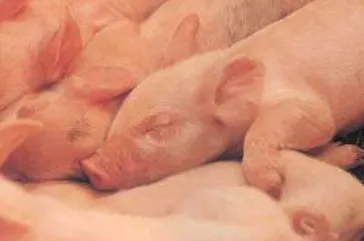
Mange (Sarcoptic Mange)
- Causative agent: Sarcoptes scabiei var. suis — an external parasite (mite).
- Characterized by severe itching, swelling, and skin thickening which affects pig growth.
- Treatment: Ivermectin injection or topical acaricides.
- Prevention: Quarantine new animals, regular inspection, clean housing.
Nutritional Diseases
Piglet Anemia
- Newborn piglets have only limited reserve of iron in the liver for hemoglobin synthesis. **Iron** is essential for the production of **haemoglobin**, the protein in red blood cells that carries oxygen to tissues. Without adequate iron, piglets cannot produce enough red blood cells.
- This is due to poor placental transfer of iron to foetus. Unlike many other species, the pig **placenta** does not efficiently transfer iron from the sow to the developing piglets during pregnancy.
- Also the sow milk is very low in iron, and the suckling pig should be supplemented with iron during the first few days to prevent piglet anemia. Sow's milk provides only about 1 mg of iron per day, while a rapidly growing piglet requires approximately 7 mg per day.
- **Symptom:** Pale in the region of ears and belly, rapid breathing and diarrhea. The **pallor** (paleness) is due to insufficient haemoglobin in the blood, while **rapid breathing** is the body's attempt to compensate for reduced oxygen-carrying capacity.
- **Control:**
- Placing fresh, clean earth in the piglet's pen each day. Soil is a natural source of iron and allows piglets to root and ingest small amounts of iron-containing minerals.
- Daily administration of 4 ml of 1.8% ferrous sulphate solution. Alternatively, an iron dextran injection (200 mg) given intramuscularly within the first 3 days of life is the most common and effective method of iron supplementation in modern pig farming.
Other Nutritional Deficiency Diseases
| Disease | Deficiency | Key Signs |
|---|---|---|
| Avitaminosis | Vitamin A | Night blindness, poor growth, reproductive failure |
| Parakeratosis | Zinc (Zn) | Thickened, crusty skin lesions |
| Osteoporosis | Calcium, Phosphorus, or Vitamin D | Weak bones, lameness, fractures |
| Mulberry Heart Disease | Vitamin E or Selenium | Sudden death, heart muscle degeneration |
WARNING
Mulberry Heart Disease (Vitamin E / Selenium deficiency) causes sudden death in fast-growing piglets. The heart appears mottled like a mulberry at post-mortem. This is a commonly tested topic.
Piglet Mortality
The major task in pig husbandry is avoiding piglet mortality and raising piglets successfully up to weaning:
- After weaning, the mortality is comparatively less.
- Pre-partum death may be due to deficiency of iron, which can be prevented by injection of iron to the sow.
- Intrapartum death is due to anoxia induced by lack of placental blood flow associated with uterine contraction or premature rupture of umbilical cord. This occurs mostly in aged sows.
- The pre-weaning mortality ranges between 12-30%.
Complete Disease Summary Table
| Disease | Type | Causative Agent | Key Feature |
|---|---|---|---|
| African Swine Fever | Viral | Asfivirus (Asfarviridae) | 100% fatality, no approved vaccine (2025) |
| Classical Swine Fever | Viral | Orthopestivirus (Pestiviridae) | Purple discolouration, MILV vaccine |
| Swine Influenza | Viral | Orthomyxovirus | Respiratory, low mortality |
| Foot and Mouth Disease | Viral | Aphthovirus | Vesicles on snout/feet, fever |
| Swine Pox | Viral | Swine pox virus | Pox lesions, spread by lice |
| Porcine Parvo Virus | Viral | Parvovirus | Reproductive failure, mummified foetuses |
| Porcine Circovirosis | Viral | PCV2 | Wasting, dermatitis, nephropathia |
| TGE | Viral | Alphacoronavirus (Coronaviridae) | Severe diarrhoea, 100% mortality in neonates |
| PRRS | Viral | Arterivirus (Porartevirus) | Reproductive failure + respiratory; India: Mizoram 2013 |
| Nipah Virus | Viral (Zoonotic) | Paramyxovirus (Henipavirus) | Pigs = amplifying host; bat→pig→human; Kerala outbreaks |
| Swine Erysipelas | Bacterial | E. rhusiopathiae | Diamond-shaped red skin lesions; 3 forms: acute/subacute/chronic; zoonotic (erysipeloid); treatment: Penicillin |
| Brucellosis | Bacterial | Brucella suis | Abortion, zoonotic |
| Anthrax | Bacterial | Bacillus anthracis | Sudden death, zoonotic |
| Leptospirosis | Bacterial | Leptospira spp. | Abortion, jaundice, zoonotic |
| Exudative Dermatitis | Bacterial | S. hyicus | Greasy skin, 5-35 days age |
| Swine Dysentery | Bacterial | B. hyodysenteriae | Mucohemorrhagic diarrhoea |
| Coccidiosis | Protozoan | Coccidia | Diarrhoea in suckling piglets |
| Ascariasis | Parasitic | Ascaris suum | 25-40 cm worms; most common internal parasite; milk spot liver |
| Trichinellosis | Parasitic (Zoonotic) | Trichinella spiralis | Encysted larvae in muscle; humans infected via undercooked pork |
| Mange | Parasitic | Sarcoptes scabiei | Severe itching, skin thickening |
| Piglet Anemia | Nutritional | Iron deficiency | Pallor, rapid breathing |
| Parakeratosis | Nutritional | Zinc deficiency | Crusty skin lesions |
| Mulberry Heart | Nutritional | Vit E / Selenium deficiency | Sudden death |
Common Disinfectants and Their Usage
Disinfection means destruction of pathogenic microorganisms from a place so that it becomes free from infection. A disinfectant, germicide, or antiseptic is a substance able to kill organisms and their spores at appropriate concentrations.
| Disinfectant | Nature and Utility | Concentration | Mode of Application |
|---|---|---|---|
| Bleaching Powder | Rapidly inactivated in presence of organic matter. Should not be used in milking barns. Exposure to light and air causes rapid decomposition. | Not less than 30% available chlorine | Dusting |
| Boric Acid | Weak antiseptic, likely to harm nervous system if absorbed in large quantities. Used as wash for eyes and sensitive parts. | 6% solution | Splashing |
| Caustic Soda (NaOH) | Highly destructive to virus of FMD, hog cholera etc. Burns skin if applied without protection. | 2% (general) / 5% (anthrax & BQ spores) | Splashing |
| Cresols | Effective against wide range of organisms including acid-fast TB and Johne's disease bacteria. Not effective against viruses and spores. Lysol = cresol + soap. | 2-3% | Splashing |
| Heat (Burning, Boiling, Steam) | Burning destroys rubbish, infected articles, carcasses. Boiling water with chemicals disinfects barns. Steam sterilises equipment. | — | — |
| Lime (CaO, Quicklime) | Deodorant and disinfectant. Used for sprinkling on manure, floors, or as whitewash (milk of lime / slaked lime). | — | Sprinkling, scrubbing, dusting |
| Phenol (Carbolic Acid) | Effective against bacteria, not on spores and viruses. Not reduced by organic matter. Very toxic, corrosive, and irritant. Not popular. | 1-2% | Splashing |
| Sodium Hypochlorite | Chlorine compound. Excellent disinfectant but not effective against TB bacteria. Effectiveness reduced by organic matter. | 200 PPM available chlorine | Rinsing utensils, wiping |
| Washing Soda (Na₂CO₃) | Good for disinfection of barn premises upon outbreak of virus disease like FMD. | 4% | Scrubbing |
| QAC (Quaternary Ammonium Compounds) | Cationic detergents. No effect on spores and viruses. Used to disinfect dairy utensils, udders, milkers' hands. | 0.1% (cream) / 0.5% (teats & hands) | Wiping with clothes wetted in 0.1% solution |
TIP
Exam tip: Caustic soda (NaOH) at 2% is used for general disinfection and at 5% against anthrax and BQ spores. Lysol is a solution of cresol with soap. Bleaching powder must have at least 30% available chlorine to be effective.
References
2 sources • [1] [2]
References
Summary Cheat Sheet
| Concept / Topic | Key Details |
|---|---|
| African Swine Fever (ASF) | Asfarviridae virus; 100% fatality; no commercially approved vaccine (2025); not zoonotic |
| ASF first outbreak in India | January 2020 in Assam and Arunachal Pradesh |
| ASF spread in India | By 2024–25: 30+ states incl. UP (Feb 2023), Kerala (Mar 2023), Punjab, Haryana, Rajasthan, TN, Karnataka, Gujarat, Maharashtra |
| ASF 2025 update | Assam alone: 300+ epicentres across 30 districts |
| ASF vector | Ornithodoros (soft tick) |
| ASF symptoms | Fever 40–42°C, bloody diarrhoea, cyanosis (blue-purple) on ears/nose/legs, sudden death |
| ASF control | Stamping out (culling) + movement restrictions + biosecurity + quarantine |
| Classical Swine Fever (CSF) | AKA Hog Cholera / Pig Plague; Orthopestivirus (Pestiviridae — updated ICTV; was Flaviviridae) |
| CSF key symptom | Purple discolouration on ears, abdomen, inner thighs |
| CSF vaccine | Modified Live Vaccine (MILV); Lapinized Chinese (LC) strain |
| CSF vs ASF | CSF = RNA virus (Pestiviridae), has vaccine, button ulcers, purple discolouration; ASF = DNA virus (Asfarviridae), no vaccine, cyanosis on extremities |
| CSF pathognomonic lesion | Button ulcers in large intestine (post-mortem finding) |
| CSF notification status | OIE (WOAH) List A notifiable disease |
| Swine Influenza | Influenza A (H1N1, H3N2); Orthomyxoviridae; fever 40.5–41.5°C; pigs = "mixing vessel" for pandemic strains; 2009 H1N1 pandemic from swine influenza; zoonotic |
| FMD in pigs | Aphthovirus; vesicles on snout, tongue, feet; fever 40–40.6°C; pigs = "amplifier hosts" (exhale 3,000× more virus than cattle) |
| Transmissible Gastroenteritis (TGE) | Viral — Alphacoronavirus (Coronaviridae); severe diarrhoea; 100% mortality in piglets <2 weeks |
| PRRS | Arterivirus (Porartevirus); reproductive failure in sows + respiratory in piglets; first in India: Mizoram 2013; seroprevalence ~17.8% |
| Nipah Virus | Paramyxovirus (Henipavirus); pigs = amplifying host; bat→pig→human; first identified Malaysia 1998–99; India: Kerala (2018, 2023, 2026); zoonotic; no vaccine |
| Coccidiosis | Parasitic (protozoan); bloody diarrhoea in piglets; caused by Eimeria/Isospora |
| Swine Dysentery | Bacterial (Brachyspira hyodysenteriae); bloody mucoid diarrhoea |
| Roundworm (Ascariasis) | Ascaris suum — most common internal parasite of pigs; 25–40 cm worms; "milk spot" liver at post-mortem |
| Trichinella spiralis | Parasite encysted in pig muscle; causes trichinosis in humans via undercooked pork; zoonotic; prevention: cook pork to ≥71°C |
| Key prevention | Vaccination schedule + strict biosecurity + quarantine + hygiene |
| CSF target | Control by vaccinating entire pig population |
Lesson Doubts
Ask questions, get expert answers