The term “Agriculture” is derived from the Latin word agricultūra “ager” or “agri” meaning “soil” and “cultūra” meaning cultivation or growing.
👉🏻 Therefore, Agriculture means the cultivation of the soil.
Agriculture in its broadest sense, is not just confined to soil cultivation alone, it also includes all aspects of crop production, horticulture, livestock management, fisheries, forestry, sericulture, apiculture etc.
🕊 Agriculture can be termed as a science 🔬, an art 🎨 & business 📊 altogether.
🧐 Let us have a look: Why?
Science: With the help of knowledge of breeding and genetics we can develop new and improved strain of crop and animal. Agricultre is systematised body of knowledge encompasses various subjects.
Art: As a farm manager there are various alternative approaches to manage the farm. That will be an art that how you manage diffrent enterprises.
Business (Commerce): The entire agricultural produce is linked with the concept of marketing, which brings in the question of profit or loss.
Branches of Agriculture
#Agriculture is mainly divided into following Seven branches:
First True Man, Homo erectus emerged in Indonesia and Africa 🧔
1 Million Years Ago
Homo erectus migrated through old world tropics 🌎
0.8 Million Years Ago
Homo erectus populated temperate regions 🌡️
0.5 Million Years Ago
Homo erectus pekinensis learnt use and control fire 🔥
0.4 Million Years Ago
Man-made shelters out of trees and branches 🌳
32000 B.C.
Cro-Magnon Man, Homo sapiens emerged in Europe 🇪🇺
10000 B.C.
Agriculture Started, Domestication of Dog 🐕 for hunting in Iran 🇮🇷 and Israel 🇮🇱
8700 B.C.
Domestication of Sheep 🐑
7700 B.C.
Domestication of Goat 🐐
7500 B.C.
Cultivation of Crops Mainly Wheat and Barley started 🌾
6000 B.C.
Domestication of Cattle 🐄 and Pigs 🐖
4400 B.C.
Cultivation of Maize 🌽️
4000 B.C.
Cultivation of Rice 🍚
3500 B.C.
Cultivation of Potato 🥔
3400 B.C.
Wheel was invented ⚙️
3000 B.C.
Bronze was used to make tools 🔨
2900 B.C.
Plough ⛏ was invented. Irrigated farming was started.💧
2700 B.C.
Silk moth domestication in China 🧵
2300 B.C.
Cultivation of Chickpea, Pear, Arson and Cotton 🌾
2200 B.C.
Domestication of Fowl 🐔, Buffalo 🐃 and Elephant 🐘
1800 B.C.
Cultivation of Finger Millet (Ragi) 🌾
1725 B.C.
Cultivation of Sorghum 🌾
1500 B.C.
Cultivation of Sugarcane 🌾. Irrigation from wells 💧
1400 B.C.
Use of Iron in Middle East 🔨
1000 – 600 B.C.
Second Aryan-migration wave, age of iron, iron plough share and axe invented, crop cultivation in Punjab, Uttar Pradesh and Bihar 🌾🔨🛡️
543 – 491 B.C.
Reference to farming operations in Kullavagga and Mahavagga and Buddhist literature in Pali 📖
Days in Agriculture
Important Days in Agriculture
International and National days and weeks are occasions to educate the public on issues of concern, to mobilize political will and resources to address global problems, and to celebrate and reinforce achievements of humanity.
Following are important days related to Agriculture and Allied Sectors:
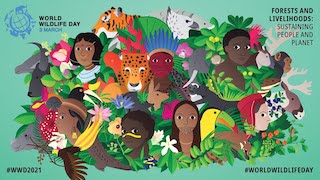
On 20 December 2013, at its 68th session, the United Nations General Assembly (UNGA) proclaimed 3 March – the day of signature of the Convention on International Trade in Endangered Species of Wild Fauna and Flora (CITES) in 1973 – as UN World Wildlife Day to celebrate and raise awareness of the world’s wild animals and plants. The UNGA resolution also designated the CITES Secretariat as the facilitator for the global observance of this special day for wildlife on the UN calendar. World Wildlife Day has now become the most important global annual event dedicated to wildlife.
World Wildlife Day celebrated in 2021 under the theme "Forests and Livelihoods: Sustaining People and Planet", as a way to highlight the central role of forests, forest species and ecosystems services in sustaining the livelihoods of hundreds of millions of people globally, and particularly of Indigenous and local communities with historic ties to forested and forest-adjacent areas.
International Women’s Day is a global day celebrating the social, economic, cultural and political achievements of women. The day also marks a call to action for accelerating gender parity. Significant activity is witnessed worldwide as groups come together to celebrate women’s achievements or rally for women’s equality.
Interantional Women Day celebrated in 2021 under the theme Choose to Challenge.
#IWD2021 #ChooseToChallenge
15th March: World Consumer Day/ World Consumer Right Day
The consumer movement marks 15th March with World Consumer Rights Day every year, as a means of raising global awareness about consumer rights and needs. Celebrating the day is a chance to demand that the rights of all consumers are respected and protected, and to protest against market abuses and social injustices which undermine those rights.
World Consumer Day celebrated in 2021 under the theme "Tackling Plastic Pollution".
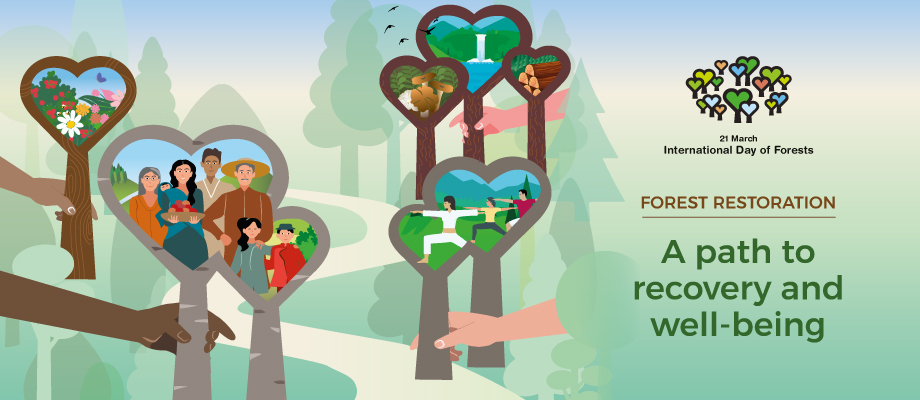
The United Nations General Assembly proclaimed 21 March the International Day of Forests in 2012 to celebrate and raise awareness of the importance of all types of forests. Countries are encouraged to undertake local, national and international efforts to organize activities involving forests and trees, such as tree planting campaigns.
The organizers are the United Nations Forum on Forests and the Food and Agriculture Organization of the United Nations (FAO), in collaboration with Governments, the Collaborative Partnership on Forests and other relevant organizations in the field.
International Forestry Day celebrated in 2021 under the theme "Forest restoration: a path to recovery and well-being.". This year’s theme fits into the UN Decade on Ecosystem Restoration (2021-2030), a call for the protection and revival of ecosystems around the world.
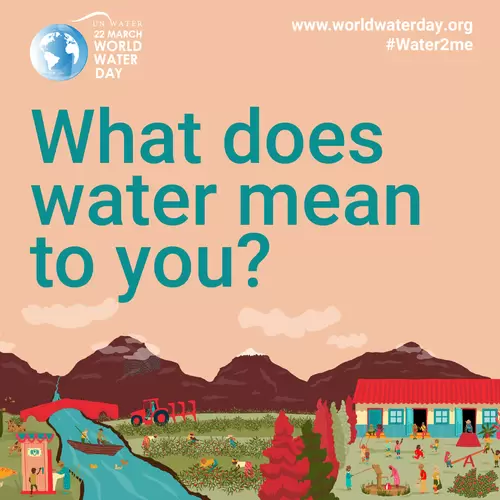
World Water Day is an annual United Nations (UN) observance day held on 22nd March that highlights the importance of fresh water. The day is used to advocate for the sustainable management of freshwater resources. The theme of each day focuses on topics relevant to clean water, sanitation and hygiene (WASH), which is in line with the targets of Sustainable Development Goal 6.
World Water Day celebrated in 2021 under the theme "Valuing Water". People were invited to join a global conversation to “tell us your stories, thoughts and feelings about water” on social media using the hashtag #Water2me. The campaign looked beyond the issue of pricing, asking the public: “How is water important to your home and family life, your livelihood, your cultural practices, your wellbeing, your local environment?
World Meteorological Day takes place every year on 23rd March and commemorates the coming into force on 23 March 1950 of the Convention establishing the World Meteorological Organization. It showcases the essential contribution of National Meteorological and Hydrological Services to the safety and wellbeing of society and is celebrated with activities around the world.
The themes chosen for World Meteorological Day reflect topical weather, climate or water-related issues.
World Meteorology Day celebrated in 2021 under the theme "The ocean, our climate and weather ".
Earth Day is an annual event on April 22nd to demonstrate support for environmental protection. In 1969 at a UNESCO Conference in San Francisco, peace activist John McConnell proposed a day to honor the Earth and the concept of peace, to first be observed on March 21, 1970.
The Day recognises the Earth and its ecosystems as humanity’s common home and the need to protect her to enhance people’s livelihoods, counteract climate change, and stop the collapse of biodiversity.
World Earth Day celebrated in 2021 under the theme "Restore our Earth.".
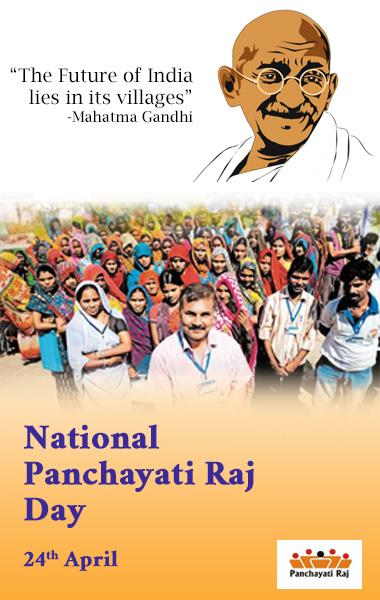
National Panchayati Raj Day is the national day of Panchayati Raj System in India celebrated by Ministry of Panchayati Raj on 24 April annually. Then Prime Minister of India Manmohan Singh declared the first National Panchayati Raj Day on 24 April 2010. On this day the 73rd Amendment) Act, 1992 came into force. Rajasthan was the first state that implemented the Panchayati Raj System in 1959 during the times of Prime Minister Jawarharlal Nehru.
Panchayat Raj Day celebrated in 2021 under no particular theme. On this day, the Ministry of Panchayati Raj awards the best performing Panchayats every year across the country in recognition of their work for improving the lives of the rural public.
20th May: World Bee Day/Honey Bee Day 🐝
World Bee Day
To raise awareness of the importance of pollinators, the threats they face and their contribution to sustainable development, the UN designated 20 May as World Bee Day.
20 May coincides with the birthday of Anton Janša, who in the 18th century pioneered modern beekeeping techniques in his native Slovenia and praised the bees for their ability to work so hard, while needing so little attention.
The proposal set forth by the Republic of Slovenia, with the support of Apimondia, the International Federation of Beekeepers’ Associations and FAO, to celebrate World Bee Day on 20 May each year met with approval by the United Nations General Assembly in 2017.
World Bee Day celebrated in 2021 under the theme "Bee engaged : build Back Better for Bees".
22nd May: International Day for Biological Diversity
The United Nations has proclaimed May 22 The International Day for Biological Diversity (IDB) to increase understanding and awareness of biodiversity issues. When first created by the Second Committee of the UN General Assembly in late 1993, 29 December (the date of entry into force of the Convention of Biological Diversity), was designated The International Day for Biological Diversity.
International Day for Biological Diversity celebrated in 2021 under the theme "We're part of the solution #ForNature".
World Milk Day is an international day established by the Food and Agriculture Organization (FAO) of the United Nations to recognize the importance of milk as a global food. It has been observed on June 1 each year since 2001. The day is intended to provide an opportunity to bring attention to activities that are connected with the dairy sector.
World Milk Day celebrated in 2021 under the theme "Sustainability in the dairy sector with messages around the environment, nutrition and socio-economics.".
World Environment Day (WED) is celebrated annually on 5 June and is the United Nations’ principal vehicle for encouraging awareness and action for the protection of the environment.
World Environment Day was established in 1972 by the United Nations at the Stockholm Conference on the Human Environment (5–16 June 1972), that had resulted from discussions on the integration of human interactions and the environment.
World Environment Day celebrated in 2021 under the theme "Ecosystem restoration".
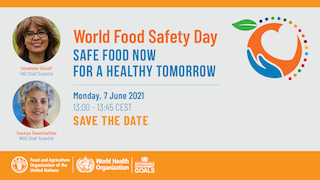
World Food Safety Day on 7 June aims to draw attention and inspire action to help prevent, detect and manage foodborne risks, contributing to food security, human health, economic prosperity, agriculture, market access, tourism and sustainable development. The World Health Organization (WHO) and the Food and Agriculture Organization of the United Nations (FAO) jointly facilitate the observance of World Food Safety Day, in collaboration with Member States and other relevant organizations.
World Food Safety Day celebrated in 2021 under the theme "Safe Food Now for a Healthy Tomorrow".
The International Day of Yoga aims to raise awareness worldwide of the many benefits of practicing yoga.
The draft resolution establishing the International Day of Yoga was proposed by India and endorsed by a record 175 member states. The proposal was first introduced by Prime Minister Narendra Modi in his address during the opening of the 69th session of the General Assembly.
International Day of Yoga celebrated in 2021 under the theme "Yoga for well-being” - how the practice of Yoga can promote the holistic health of every individual.
1st to 7th July: Van Mohotsav/Forest Festival
Van Mohotsav
Van Mahotsav or Forest Festival is celebrated in the first week of July to spread awareness of forest conservation and to save the environment. Plantation drives are carried out across the country to create more forest in the country.
The first week of July is just the right time for planting trees in most parts of India since it coincides with the monsoon.
1st July: National Agriculture Day
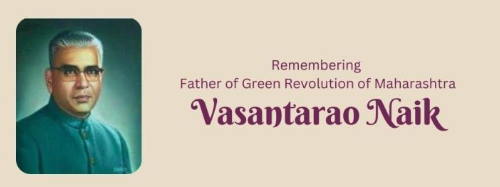
National Agriculture Day is celebrated to honore the visionary Vasantarao Naik, whose contributions transformed Indian agriculture and uplifted countless farmers.
10th July: National Fish Farmers/Husbandry Day
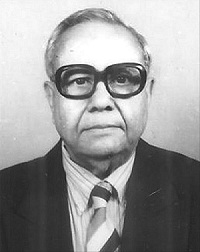
Dr. Hiralal Chaudhury
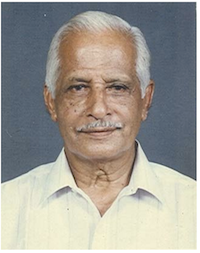
Dr. Kolliyil Hameed Alikunhi
The National Fish Farmers day is observed every year to demonstrate solidarity with all fisher folk, fish farmers and concerned stakeholders throughout the Country. This annual event is celebrated to commemorate Professor Dr. Hiralal Chaudhury and his colleague Dr. Kolliyil Hameed Alikunhi for their contribution in achieving the successful induced breeding of major carps on 10th July,1957 at Angul in Odisha for the first time in the country.
This pioneering work of induced breeding over the years has transformed the growth of aquaculture sector from traditional to intensive aquaculture practices and led to success of modern aquaculture industry.
🐠 Dr. Hiralal Chaudhury is known as father of Induced Breeding.
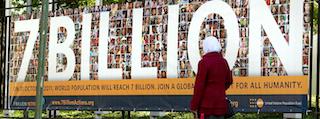
World Population Day, which seeks to focus attention on the urgency and importance of population issues, was established by the then-Governing Council of the United Nations Development Programme in 1989, an outgrowth of the interest generated by the Day of Five Billion, which was observed on 11 July 1987.
World Population Day aims to increase people’s awareness on various population issues such as the importance of family planning, gender equality, poverty, maternal health and human rights.
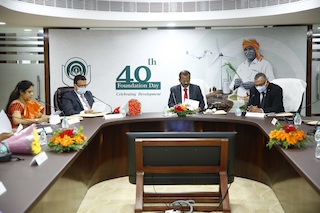
National Bank for Agriculture and Rural Development, which was instituted on 12th July 1982 as a development financial institution for agriculture and rural development.
This year it has celebrated its 40th Foundation year.
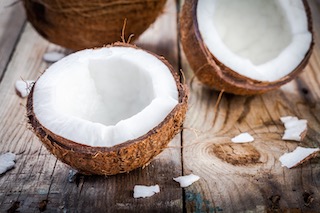
Every year world coconut day is celebrated on 2nd September to emphasize and raise awareness about the importance as well as benefits of coconuts.
This day started in 2009, on the day when the Asian and Pacific Coconut Community (APCC) was founded.
World Coconut Day celebrated in 2021 under the theme "Building a Safe Inclusive Resilient and Sustainable Coconut Community Amid COVID-19 Pandemic & Beyond".
16th September: Ozone Day/International Day for the Preservation of the Ozone Layer
September 16th was designated by the United Nations General Assembly as the International Day for the Preservation of the Ozone Layer.
In 1994, the United Nations General Assembly proclaimed 16 September the International Day for the Preservation of the Ozone Layer, commemorating the date of the signing, in 1987, of the Montreal Protocol on Substances that Deplete the Ozone Layer.
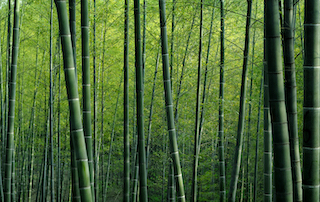
World Bamboo Day is a day of celebration to increase the awareness of bamboo globally. Where bamboo grows naturally, bamboo has been a daily element, but its utilization has not always been sustainable due to exploitation.
The World Bamboo Organization aims to bring the potential of bamboo to a more elevated exposure – to protect natural resources and the environment, to ensure sustainable utilization, to promote new cultivation of bamboo for new industries in regions around the world, as well as promote traditional uses locally for community economic development.
World Bamboo Day celebrated in 2021 under the theme "#PlantBamboo: It Is Time To Plant Bamboo".
2nd - 8th October: Wildlife Week 🐢🦎
Wildlife week is celebrated all over the country in the month of October from 2nd to 8th every year with the view to preserve the fauna, i.e., the animal life of the India.
In 1985 the United Nations designated the first Monday of October every year as World Habitat Day. The idea is to reflect on the state of our towns and cities and the basic right of all to adequate shelter. It is also intended to remind the world of its collective responsibility for the future of the human habitat.
In many out-dated books and notes you will still found that world habitate day is celebrated on 3rd October. But it depends on the date of the first Monday of October.
To raise the status of animals in order to improve welfare standards around the globe. Building the celebration of World Animal Day unites the animal welfare movement, mobilising it into a global force to make the world a better place for all animals.
It’s celebrated in different ways in every country, irrespective of nationality, religion, faith or political ideology. Through increased awareness and education we can create a world where animals are always recognised as sentient beings and full regard is always paid to their welfare.
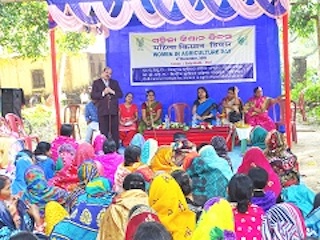
15th October: International Day of Rural Women/Women Farmers Day
Established by the UN General Assembly in a resolution of 18 December 2007, this international day recognizes “the critical role and contribution of rural women, including indigenous women, in enhancing agricultural and rural development, improving food security and eradicating rural poverty.
International Day of Rural Women celebrated in 2021 under the theme "Rural Women Cultivating Good Food for All" highlights the essential role that rural women and girls play in the food systems of the world.
World Food Day is an international day celebrated every year worldwide on 16th October to commemorate the date of the founding of the United Nations Food and Agriculture Organization in 1945. The day is celebrated widely by many other organizations concerned with hunger and food security, including the World Food Programme, the World Health Organization and the International Fund for Agricultural Development.
17th October: International Day for the Eradication of Poverty
The observance of the International Day for the Eradication of Poverty can be traced back to 17th October 1987. On that day, over a hundred thousand people gathered at the Trocadéro in Paris, where the Universal Declaration of Human Rights was signed in 1948, to honour the victims of extreme poverty, violence and hunger. They proclaimed that poverty is a violation of human rights and affirmed the need to come together to ensure that these rights are respected. These convictions are inscribed in a commemorative stone unveiled on this day.
Since then, people of all backgrounds, beliefs and social origins have gathered every year on October 17th to renew their commitment and show their solidarity with the poor.
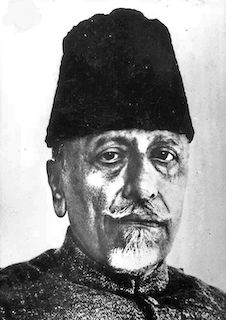
National Education Day is an annual observance in India to commemorate the birth anniversary of Maulana Abul Kalam Azad, the first education minister of independent India, who served from 15 August 1947 until 2 February 1958.
National Education Day of India is celebrated on 11 November every year.
The World Fisheries Day is celebrated on 21st November throughout the world.
This year, the Day was celebrated on the theme “Social Responsibility in the fisheries value chain” to look at the sustainability factors of the fisheries, fishing industries and also the surrounding sphere which balances the ecosystem. The fishing communities organize a wide array of different colorful activities like rallies, workshops, public meetings, cultural programmes, dramas, exhibitions, etc., to mark the celebration of the day.
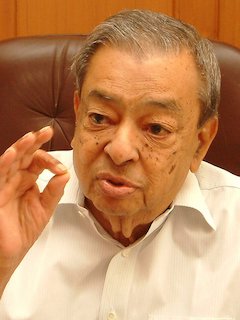
Each year National Milk Day is celebrated on 26th November in India since 2014. It is to commemorate the birthday of Dr. Verghese Kurien (also nicknamed as Milkman of India) the father of India’s White Revolution.
The day was decided by all the dairy majors of the country including the National Dairy Development Board (NDDB), the Indian Dairy Association (IDA), along with 22 state-level milk federations.
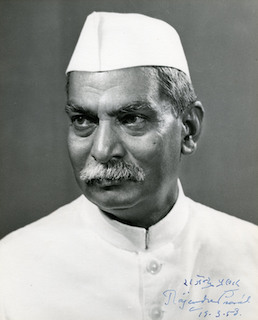
Indian Council of Agricultural Research has designatedon 3rd December as “Agricultural Education Day” to commemorate the birth anniversary of first President of Independent India and Union Minister of Agriculture, Bharat Ratna, Dr. Rajendra Prasad.
The objective of this day was to expose students including schools to various facets of agriculture and its relevance to country’s development, inspire them and attract them towards agriculture, so that they develop interest in agriculture and allied subjects, choose professional career after schooling in some of these courses, engage themselves in agriculture and related activities or become agrientrepreneurs in future.
ICAR Institutes across the country organized Debate Competitions, Essay Competitions, Art Competition, Exhibitions, and Interaction with Agricultural Scientists, Policy Makers / Administrators and Farmers for school children.
4th December: Women 🙋🏼♀️ in Agriculture Day/Agriculture Women Day
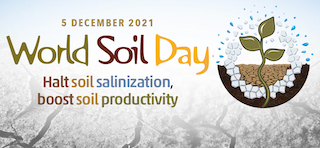
World Soil Day (WSD) is held annually on 5th December as a means to focus attention on the importance of healthy soil and to advocate for the sustainable management of soil resources.
An international day to celebrate Soil was recommended by the International Union of Soil Sciences (IUSS) in 2002. Under the leadership of the Kingdom of Thailand and within the framework of the Global Soil Partnership, FAO has supported the formal establishment of WSD as a global awareness raising platform. The FAO Conference unanimously endorsed World Soil Day in June 2013 and requested its official adoption at the 68th UN General Assembly. In December 2013, the UN General Assembly responded by designating 5 December 2014 as the first official World Soil Day.
World Soil Day will be celebrated in 2021 under the theme "Halt soil salinization, boost soil productivity".
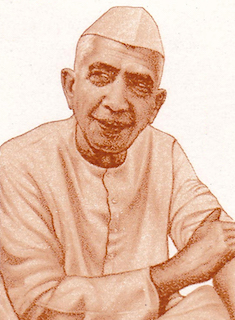
Farmer’s Day is celebrated every year on 23 December, on the birthday of the 5th Prime Minister of India, Choudhary Charan Singh, also a farmer’s leader, who introduced many policies to improve the lives of the Indian farmers. The National Farmers Day in India is also known as Kisan Divas in Hindi.
Summary
Date
Name of Event
3rd March
World Wildlife Day 🦕
8th March
International Women Day 👩
15th March
World Consumer Day/ World Consumer Right Day 🤖
21st March
International Forestry Day 🌳 🦌
22nd March
World Water Day 💦
23rd March
World Meteorology Day ⛈
22rd April
World Earth Day 🌍
24th April
Panchayat Raj Day 🧶
20th May
World Bee Day/Honey Bee Day 🐝
22nd May
International Day for Biological Diversity 🐢
1st June
World Milk Day 🍼
5th June
World Environment Day 🌈
7th June
World Food Safety Day 🍔
21st June
International Day of Yoga 🧘♀️
1st to 7th July
Van Mohotsav/Forest Festival 🌲🎉
10th July
National Fish Farmers/Husbandry Day 🐟
11th July
World Population Day 🌎
12th July
NABARD Foundation Day 💼
16th July
ICAR Foundation Day 🧪
2nd September
World Coconut Day 🥥
16th September
Ozone Day/International Day for the Preservation of the Ozone Layer 🌌
18th September
World Bamboo Day 🎋
2nd - 8th October
Wildlife Week 🐢🦎
4rd October
World Habitat Day 🏠
15th October
International Day of Rural Women/Women Farmers Day 👩🌾
16th October
World Food Day 🍎
17th October
International Day for the Eradication of Poverty 💔
11th November
National Education Day 📚
21st November
World Fisheries Day 🐟
26th November
National Milk Day 🥛
3rd December
National Agriculture Education Day 🌾
4rd December
Women in Agriculture Day/Agriculture Women Day 👩🌾
5th December
World Soil Day 🌱
23rd December
Farmer’s Day (Kisan Divas) 🚜
Years in Agriculture
🥸 An International Year is an important cooperation mechanism dedicated to raising awareness of a particular topic or theme of global interest or concern, and mobilizing different players for coordinated action around the world.
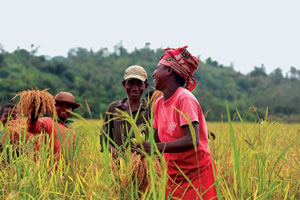
The United Nations declared 2014 the International Year of Family Farming (IYFF) to recognize the importance of family farming in reducing poverty and improving global food security. The IYFF aims to promote new development policies, particularly at the national but also regional levels, that will help smallholder and family farmers eradicate hunger, reduce rural poverty and continue to play a major role in global food security through small-scale, sustainable agricultural production.
The programme developed and implemented by International Fund for Agricultural Development (IFAD).
2015 👉🏻 International Year 🌎 of Soils
The 68th UN General Assembly declared 2015 the International Year of Soils (IYS).
The Food and Agriculture Organization of the United Nations has been nominated to implement the IYS 2015, within the framework of the Global Soil Partnership and in collaboration with Governments and the secretariat of the United Nations Convention to Combat Desertification.
The IYS 2015 aims to increase awareness and understanding of the importance of soil for food security and essential ecosystem functions.
The specific objectives of the IYS 2015 are to:
Raise full awareness among civil society and decision makers about the profound importance of soil for human life;
Educate the public about the crucial role soil plays in food security, climate change adaptation and mitigation, essential ecosystem services, poverty alleviation and sustainable development;
Support effective policies and actions for the sustainable management and protection of soil resources;
Promote investment in sustainable soil management activities to develop and maintain healthy soils for different land users and population groups;
Strengthen initiatives in connection with the SDG process (Sustainable Development Goals) and Post-2015 agenda;
Advocate for rapid capacity enhancement for soil information collection and monitoring at all levels (global, regional and national).
The 68th UN General Assembly declared 2016 the International Year of Pulses (IYP)
The Food and Agriculture Organization of the United Nations (FAO) has been nominated to facilitate the implementation of the Year in collaboration with Governments, relevant organizations, non-governmental organizations and all other relevant stakeholders.
The IYP 2016 aims to heighten public awareness of the nutritional benefits of pulses as part of sustainable food production aimed towards food security and nutrition. The Year will create a unique opportunity to encourage connections throughout the food chain that would better utilize pulse-based proteins, further global production of pulses, better utilize crop rotations and address the challenges in the trade of pulses.
The specific objectives of the IYP 2016 are to:
Raise awareness about the important role of pulses in sustainable food production and healthy diets and their contribution to food security and nutrition;
Promote the value and utilization of pulses throughout the food system, their benefits for soil fertility and climate change and for combating malnutrition;
Encourage connections throughout the food chain to further global production of pulses, foster enhanced research, better utilize crop rotations and address the challenges in the trade of pulses.
The United Nations 70th General Assembly designated 2017 as the International Year of Sustainable Tourism for Development.
Throughout the year, World Tourism Organization (UNWTO) and the wider United Nations system worked to raise awareness of the contribution of sustainable tourism to development among public and private sector decision-makers and the public. At the same time, UNWTO took the lead to mobilize all stakeholders to work together in making tourism a catalyst for positive change.
The landmark year was celebrated within the context of the 2030 Agenda for Sustainable Development and the Sustainable Development Goals (SDGs). It highlighted the importance of government policies, business practices and consumer behavior for building a more sustainable tourism sector that can contribute to the SDGs.
Contrary to common practice, the United Nations has not declared 2018 as International Year for any specific topic.
But Indian 🇮🇳 has 😃 its own national year.
2018 👉🏻 National Year 🇮🇳 of Millets
Government of India declare 2018 as National Year of Millets. India also forwarded a proposal to United Nations (UN) for declaring year 2018 as “International Year of Millets” but the proposale could not be passed in that year. After that UN accepted the proposal and will celebrate 2023 as “International Year of Millets”.
This is to recogninse the importance of milletes and to boost production of the nutrient-rich millets.
2019 👉🏻 International Year 🌎 of Indigenous Languages
In 2016, the United Nations General Assembly adopted a resolution proclaiming 2019 as the International Year of Indigenous Languages, based on a recommendation by the Permanent Forum on Indigenous Issues.
The General Assembly resolution requested the United Nations Educational, Scientific and Cultural Organization (UNESCO) as the lead UN agency for coordination of the year.
At the time, the Forum said that 40 per cent of the estimated 6,700 languages spoken around the world were in danger of disappearing. The fact that most of these are indigenous languages puts the cultures and knowledge systems to which they belong at risk.
Indigenous peoples foster and promote unique local cultures, customs and values which have endured for thousands of years. Indigenous languages add to the rich tapestry of global cultural diversity. Without them, the world would be a poorer place.
Celebrating IYIL2019 will help promote and protect indigenous languages and improve the lives of those who speak them. It will contribute to achieving the objectives set out in the United Nations Declaration on the Rights of Indigenous Peoples and the 2030 Agenda on Sustainable Development.
The celebration is also expected to strengthen and reinforce the many standard-setting tools adopted by the international community which include specific provisions to promote and protect languages.
Indigenous peoples = 5% of 🌎's population 60% of 🌎's languages
The United Nations General Assembly declared 2020 as the International Year of Plant Health (IYPH). The year is a once in a lifetime opportunity to raise global awareness on how protecting plant health can help end hunger, reduce poverty, protect the environment, and boost economic development.
Plants are the source of the air we breathe and most of the food we eat, yet we often don’t think about keeping them healthy. This can have devastating results. FAO estimates that up to 40% of food crops are lost due to plant pests and diseases annually. This leaves millions of people without enough food to eat and seriously damages agriculture - the primary source of income for rural poor communities.
Plant health is increasingly under threat. Climate change, and human activities, have altered ecosystems, reducing biodiversity and creating new niches where pests can thrive. At the same time, international travel and trade has tripled in volume in the last decade and can quickly spread pests and diseases around the world causing great damage to native plants and the environment.
Protecting plants from pests and diseases is far more cost effective than dealing with full-blown plant health emergencies. Plant pests and diseases are often impossible to eradicate once they have established themselves and managing them is time consuming and expensive. Prevention is critical to avoiding the devastating impact of pests and diseases on agriculture, livelihoods and food security and many of us have a role to play.
2021 👉🏻 International Year 🌎 of Fruits and Vegetables
The UN General Assembly designated 2021 the International Year of Fruits and Vegetables (IYFV).
FAO is the lead agency for celebrating the year in collaboration with other relevant organizations and bodies of the United Nations system.
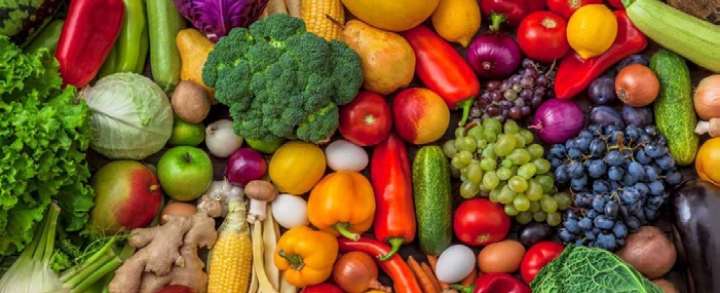
The IYFV 2021 is a unique opportunity to raise awareness on the important role of fruits and vegetables in human nutrition, food security and health and as well in achieving UN Sustainable Development Goals.
2022 👉🏻 International Year 🌎 of Artisanal Fisheries and Aquaculture
The United Nations General Assembly has declared 2022 the International Year of Artisanal Fisheries and Aquaculture (IYAFA 2022). FAO is the lead agency for celebrating the year in collaboration with other relevant organizations and bodies of the United Nations system.
The global food system faces many complex challenges, including hunger, malnutrition and diet-related diseases, an ever-growing global population that needs sufficient and healthy food, the need to reduce food loss and waste, the depletion of natural resources and effects of climate change, as well as the effects of the current COVID-19 pandemic.
Fish, molluscs, crustaceans and aquatic plants are fundamental, essential and indispensable foods eaten by people around the world as part of healthy diets, cultural heritage and culinary tradition. Small-scale artisanal fishers and fish farmers produce a large portion of this food, and as such, IYAFA 2022 is an opportunity to highlight the importance of small-scale artisanal fisheries and aquaculture for our food systems, livelihoods, culture and the environment. Small-scale fishers, fish farmers and fish workers hold enormous potential to promote transformative changes in how, by whom and for whom fish and fishery products are produced, processed and distributed – with positive ripple effects felt throughout the global food system.
2023 👉🏻 International Year 🌎 of Millets
The U.N. Food and Agriculture Organization is endorsing India’s proposal to declare 2023 as the International Year of Millets.
Millet, a grain mainly grown and consumed in developing countries until recently and once considered a poor man’s staple, is quickly becoming a favorite globally among those affected by climate change because of its ability to thrive in harsh and arid environments. Its drought-resistant quality makes it attractive as many parts of the world begin to experience a water supply shortage.
📺 ICAR Tabeula in Republic Day Prade 2023
Awards & Honors
World Food Prize
World Food Prize
This is an international award recognizing the achievements of individuals who have advanced human development by improving the quality, quantity, or availability of food in the world.
Since 1987, the prize has been awarded annually to recognize contributions in any field involved in the world food supply: '
Animal Science/Aqua Culture
Soil Science/Water/Conservation
Nutrition/Health
Plant Science/Seed Science
Plant Pathology/Crop Protection
Food Technology/Food Safety
Policy/Research/Extension
Infrastructure/Emergency Relief &
Poverty Alleviation/Hunger
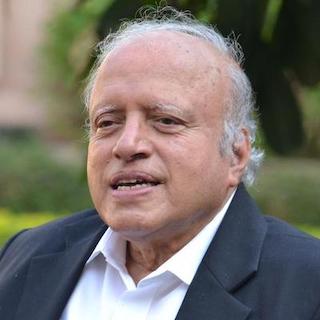
1987: Prof. M. S. Swaminathan (Indian Scientist 🇮🇳)
For introducing high-yielding wheat and rice varieties to India starting India’s Green Revolution.
He becomes first scientist and first Indian to get World Food Prize.
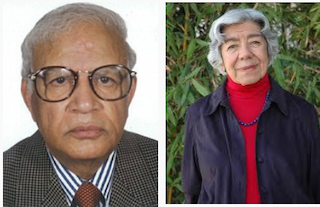
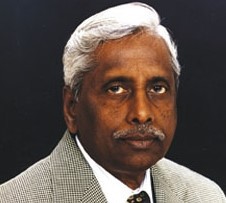
1989: Dr Verghese Kurien (Indian Scientist 🇮🇳)
India Founder of Operation Flood the largest agricultural development program in the world made the farmer the owner of his cooperative, cutting out middlemen. India emerged as the largest producer of milk in 1998 from milk scarcity when he started.
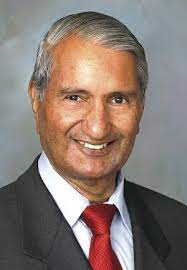
1996: Dr Henry Beachell (USA 🇺🇸) & Dr Gurdev Singh Khush (Indian Scientist 🇮🇳)
G.S. Khush is an agronomist and geneticist who, along with mentor Henry Beachell, received the 1996 World Food Prize for his achievements in enlarging and improving the global supply of Rice during a time of exponential population growth.
During that time he played a key role in the development of more than 300 innovative rice strains such as Semi-dwarf IR36 which were knwon as “miracle rice”.
Henry Beachell developed IR-8.
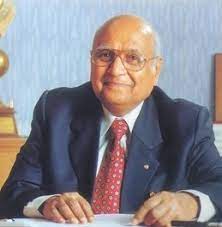
1998: Dr B. R. Barwale (Indian Entrepreneur 🇮🇳)
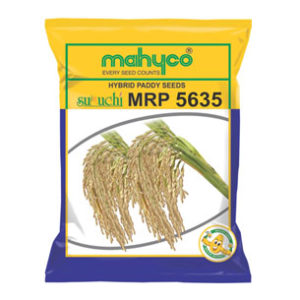
Mr. Badrinarayan Ramulal Barwale was founder of independent seed company Mahyco, strengthening seed supply in India. He got WFP for his work in providing affordable, high-yield seed varieties and agronomic training to farmers across India.
👨👦👦 He is widely regarded as the father of the Indian seeds 🌱 industry,
2000: Dr Evangelina Villegas (Mexico 🇲🇽) & Dr Surinder K. Vasal (Indian Scientist 🇮🇳)
For developing high quality protein maize (QPM) i.e. developing a maize variety with higher content of usable protein. This is also referenced as “miracle maize” because of its role in alleviating malnourishment. In addition to improving the nutritional value of maize, its productivity was also increased.
These two scientists whose decades of research and leadership in improving the productivity and nutritional content of maize have improved the diets of millions of the world’s most underfed and poorly nourished citizens.
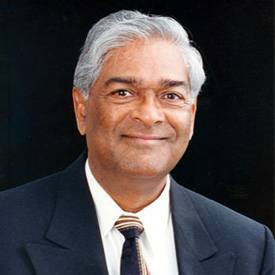
2005: Dr Modadugu Vijay Gupta (Indian Scientist 🇮🇳)
Dr. Modadugu V. Gupta was named the 2005 World Food Prize Laureate for his exceptional achievement in enriching the diets and lives of the world’s most impoverished families. As a prime architect of a “blue revolution” in Asia and around the globe, Dr. Modadugu V. Gupta has increased the protein and mineral content in the diets of over one million of the world’s most impoverished families. His promotion of aquaculture has contributed to the economic and social empowerment of men and women in poor and rural areas.
He developed and disseminated low-cost techniques for freshwater fish farming (using tilapia species) by the rural poor.
2014: Dr Sanjaya Rajaram (Indian Scientist 🇮🇳)
Developed 480 varieties of disease resistant Wheat.
His wheat improvement research has helped secure a 1.3 per cent rise in global wheat production per annum in the last four decades.
The ‘Veery’ lines resulted from a cross between a Russian winter wheat, ‘Kavkaz’, and a Mexican spring wheat, ‘Buho’. These new lines showed improved resistance to stripe and leaf rust pathogens, which helped create a second generation of high-yielding wheat.
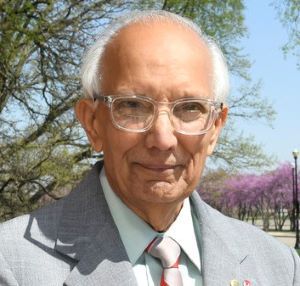
2020: Dr. Rattan Lal (Indian Origin 🇮🇳 USA Soil Scientist)
For developing and mainstreaming a soil-centric approach to increasing food production that conserves natural resources and mitigates climate change. His research diverged from the conventional 1970s soil fertility strategy of heavy reliance on commercial fertilizers.
His research led a better understanding of how no-till farming, cover crops, crop residues, mulching, and agroforestry can restore degraded soils, increasing organic matter by sequestering atmospheric carbon in the soil, and help combat rising carbon dioxide levels in the air.
Dr. Lal has promoted innovative soil-saving techniques benefiting the livelihoods of more than 500 million smallholder farmers, improving the food and nutritional security of more than two billion people and saving hundreds of millions of hectares of natural tropical ecosystems.
2021: Dr. Shakuntala Haraksingh Thilsted (Nutrition Expert from Denmark 🇩🇰)
For her achievements her groundbreaking research, critical insights and landmark innovations in developing fish-based holistic, nutrition-sensitive approaches to improve nutrition, health and livelihoods for millions around the world.
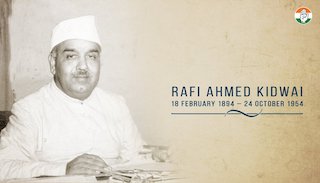
Rafi Ahmed Kidwai Award
Created in 1956 by the Indian Council of Agricultural Research (ICAR) instituted in honour of Rafi Ahmed Kidwai.
Given to Indian researchers in the agricultural field.
Awards are distributed biennially, and takes the form of medals, citations, and cash prizes.
After 1952 general election Rafi Ahmed Kidwai became India's first Food and Agricultre Minister.
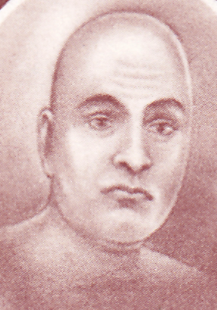
SSSE Scientist/ Worker Award
Swamy Sahajanand Saraswati Extension Scientist/ Worker Award
Created in 1995 by the Indian Council of Agricultural Research (ICAR) instituted in honour of Swami Sahajanand Saraswati.
Given for outstanding achievements in the field of agricultural education research.
Revolutions
👉🏻 Revolution in Agriculture are significant events that lead to radical changes in the production, productivity, quality and other factors of agricultural produce.
This could be through introduction of new technology, discoveries or new interventions.
Following are the agricultural revolutions have occurred in India and have marked the beginning of a completely new era in the agricultural field. The agricultural revolutions helped Indian agriculture grow exponentially and created new opportunities.
Green Revolution
The term “Green Revolution” was first used in 1968 by former USAID director William S. Gaud.
Between 1950s and late 1960s, a set of technology interventions called package of practices were under taken around the world. This resulted in increased production in parts of world.
Agriculture was trasformed from subsistance to intensive form.
Related to Food grain production, mainly wheat and rice.
Main aspects of Green Revolution:
Use of Seeds of high yielding varieties which were input responsive
Use of chemical fertilizers and Pesticides
Use of various mechanical machineries
Use of Irrigation Facilities
Use of the latest technological and capital inputs
Adoption of modern scientific methods of farming
Important Points
Agronomists bred cultivars of maize, wheat, and rice that are the generally referred to as HYVs or “high-yielding varieties”. HYVs have higher nitrogen-absorbing potential than other varieties. Since cereals that absorbed extra nitrogen would typically lodge, or fall over before harvest, semi-dwarfing genes were bred into their genomes.
A Japanese dwarf wheat cultivar Norin 10 developed by Japanese agronomist Gonjiro Inazuka. It was instrumental in developing Green Revolution wheat cultivars.
IR8, the first widely implemented HYV rice to be developed by IRRI, was created through a cross between an Indonesian variety named “Peta” and a Chinese variety named “Dee-geo-woo-gen”
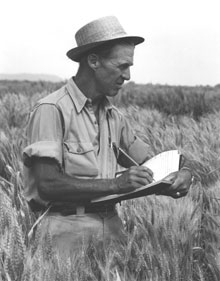
Dr. Norman Ernest Borlaug is recognized as Father of Green Revolution. He bred rust-resistant cultivars which have strong and firm stems, preventing them from falling over under extreme weather at high levels of fertilization
He won Nobel Peace Prize in 1970.
In 1961, India was on the brink of mass famine. Norman Borlaug was invited to India by the adviser to the Indian Minister of Agriculture Dr. M. S. Swaminathan. Despite bureaucratic hurdles imposed by India’s grain monopolies, the Ford Foundation and Indian government collaborated to import wheat seed from the International Maize and Wheat Improvement Center (CIMMYT).
The state of Punjab was selected by the Indian government to be the first site to try the new crops because of its reliable water supply, the presence of Indus plains which make it one of the most fertile plains on earth.
India begun its own Green Revolution program under the leadership of Dr. M.S. Swaminathan (Mankombu Sambasivan Swaminathan) in 1967-68. Dr. M.S. Swaminathan is recognised as Father of Green Revolution in India.
Green revolution was mainly restricted to Punjab, Haryana, and Western Uttar Pradesh.
Green revolution mainly related to Wheat and Rice production.
The landmark of Indian Green Revolution - IARI, New Delhi.
Outcomes of Green Revolution
Major achievement was observed in the yield of Wheat form 8.5 quintals to 22.81 quintals per hectare.
Green revolution made India self-sufficient in food-grains production and made the country less dependent on imports.
Revolution Name
Related To
White revolution
Related to Milk production 🥛
Yellow revolution
Related to Oilseeds production 🌻
Blue revolution
Related to Fish production 🐟
Red revolution
Related to Meat/Tomato production 🍅🥩
Round revolution
Related to Potato production 🥔
Silver revolution
Related to Egg production/Poultry 🐔🥚
Green Gold Revolution
Related to Bamboo 💚💰
Silver Fiber Revolution
Related to Cotton 🧵
Golden Fiber Revolution
Related to Jute 🧶
Pink revolution
Related to Prawn/Onion production 🍤🧅
Golden revolution
Related to Overall Horticulture/Fruit Production/Honey Production 🍇🍊🐝
Gray revolution
Related to Manures and Fertilizers 💩
Brown revolution
Related to Non-conventional energy source. ⚡️🌞
Black revolution
Related to Bio-fuel (Jatropha) production. 🌿💨
Rainbow revolution
Related to Overall growth of Agriculture Sector. 🌈
Evergreen revolution
Related to Reduction in wastage of food grains, fruits and vegetables. Concept given by M.S. Swaminathan therefore known as Father of Evergreen Revolution. 🌿🍎🥦
Production Scenario
Agricultural Scenario of India
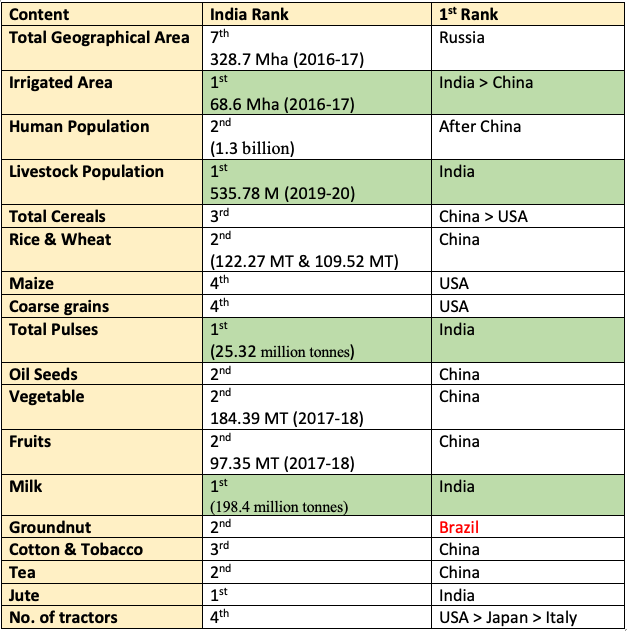
India has 2.4 % of worlds’ geographical area, 18 % population, 15% livestock population, 2% forest and 1% rain of the world.
India has arable land approximately 52 % of total land area.
Per capita arable land availability is less than 0.3 ha (0.12 ha World Bank 2016).
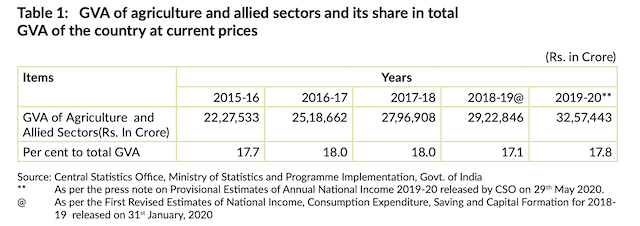
Agriculture plays a vital role in India’s economy. 54.6 % of the total workforce is engaged in agricultural and allied sector activities (Census 2011) and accounts for 17.8 % of the country’s Gross Value Added (GVA) for the year 2019-20 (at current prices).
As per Land Use Statistics 2016-17, India’s total geographical area is 328.7 million hectares, of which 139.4 million hectares is net sown area (42.4 % of the total geographical area) and 200.2 million hectares is the gross cropped area with a cropping intensity of 143.6 %. {CI = GCA/NCA *100}
Out 139.4 million ha, 68.6 Mha is irrigated (~ 49 %) and rest 70.8 Mha is under rainfed conditions (~51 %).
Indian agriculture is characterized by Large scattered land holdings and Orthodox technology.
Agriculture Gross Value Added (GVA)
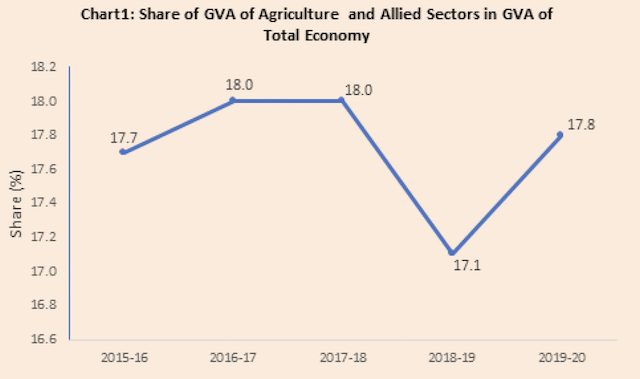
As per the provisional estimates of Annual National Income released by Central Statistics Office (CSO), Ministry of Statistics & Programme Implementation (MoSPI), the agriculture and allied sectors contributed approximately 17.8% of India’s GVA at current prices during 2019-20, marginally higher than 17.7% in 2015-16. GVA of agriculture and allied sectors and its share in total GVA of the country at current prices during the last 5 years is given in Table.
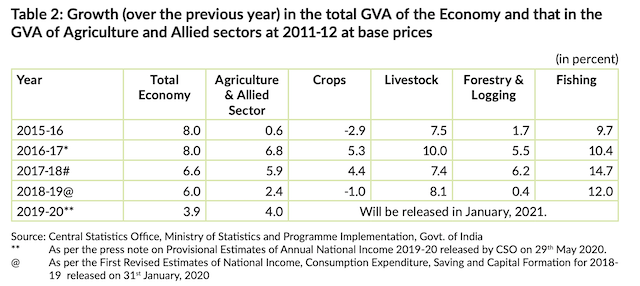
The Agriculture and Allied Sector witnessed marginal growth of 0.6 per cent in 2015-16 followed by a substantial recovery of 6.8 per cent in 2016-17 that fell by almost a per cent to 5.9 per cent in the following year, 2017-18. 2018-19 witnessed a sharp fall to 2.4 per cent that has since recovered to 4 % in 2019-20 at 2011-12 base price. (Table-2)
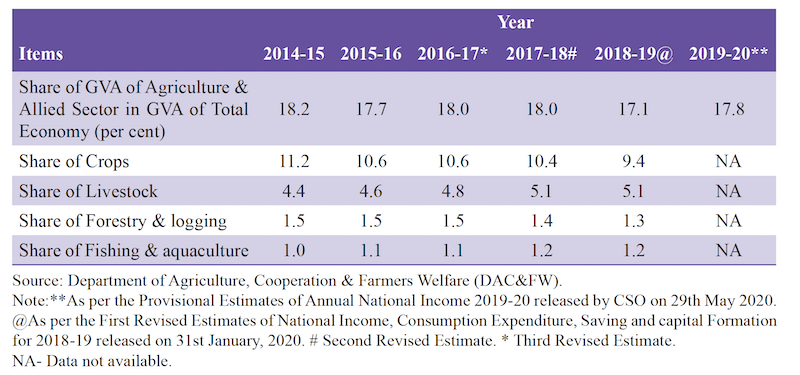
The share of agriculture and allied sectors in GVA of the country has declined from 18.2 per cent in 2014-15 to 17.8 per cent in 2019-20 (Table 3), an inevitable outcome of a development process in which the relative performance of non-agricultural sectors becomes more dominant.
Within the agriculture sector, the share of crops has fallen from 11.2 per cent in 2014-15 to 9.4 per cent in 2018-19. The decline in the share of crops has been made up by an increase in the share of livestock and fisheries sectors.
Table 3: Share of Agriculture and Allied Sectors in Total GVA at current prices
Capital Formation in Agriculture and Allied Sectors
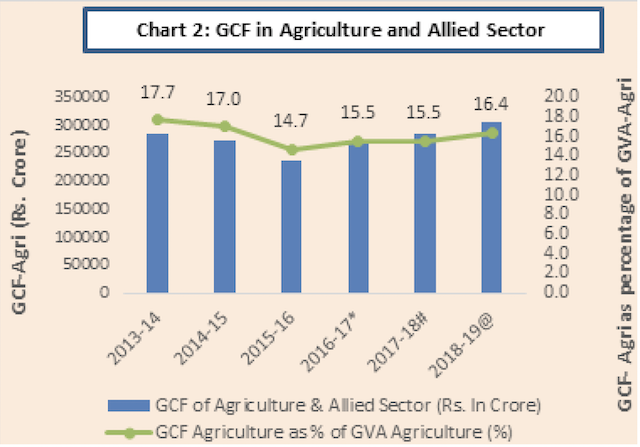
Gross Capital Formation (GCF) is an indicator of level of investment activity in the sector.
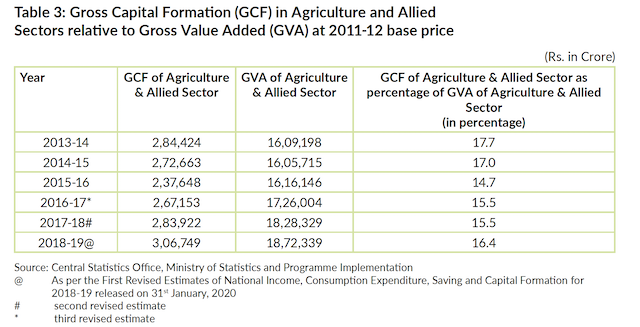
With respect to GVA in the sector, Gross Capital Formation in the sector has been fluctuating during the last 5 years with a major fall experienced in 2015-16 to 14.7 percent from 17.7 per cent in 2013-14. The indicator has since recovered and has improved to 16.4 per cent in 2018-19.
Profile of Agriculture Sector in India
In 5 states viz. Andhra Pradesh, Arunachal Pradesh, Madhya Pradesh, Nagaland and Tripura, Agriculture and Allied activities contribute more than 30% in State Gross Value Added estimated for 2016-17 (at current prices). (Source: National Statistical Office) Number of operational holdings in the country is estimated at 14.64 Crore. (Agriculture Census 2015-16).
The percentage share of Agricultural workers in Total workers is 54.6 %. (Registrar General of India).
57.8 % of rural households are engaged in agriculture (Situation Assessment Survey of Agricultural Households, NSO).
The small and marginal holdings taken together (0.00-2.00 ha) constituted 86.08 % of the total land holdings in 2015-16. The all- India average size of holding is 1.08 ha.
(Source: Agriculture Census, 2015-16)
Position of women in agricultureo 30.33% of total cultivators and 40.67% of agriculture labour are women.
Only 13.95 % of total operational holdings are operated by women. (Source: Agriculture Census, 2015-16)
Demand for foodgrains projected by Niti Aayog (2020-21) and domestic production (4th advance estimates for 2019-20, DES).
Production Scenario 2020-21
Department of Agriculture, Cooperation and Farmers Welfare of Ministry of Agriculture and Farmers’ Welfare Production data of agriculture in 4 advance estimates of agricultural production, which are released in each quarter.
The foodgrain estimates is made based on the inputs from states.
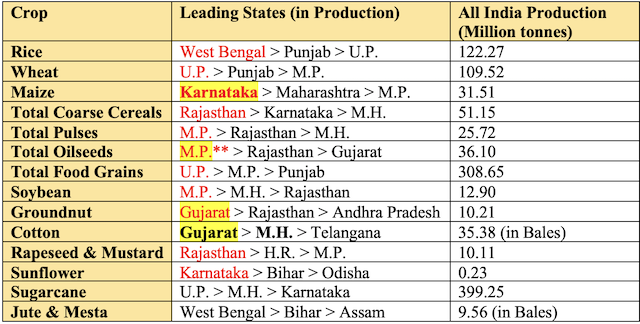
As per 4th Advance Estimates for 2020-21, total food grain production in the country is estimated at 308.65 million tonnes. The production during 2020-21 is also higher by 29.77 million tonnes than the previous five years’ (2015-16 to 2019-20) average production of food grain and higher by 11.14 million tonnes than the production of foodgrain during 2019-20.
👉🏻 As per 4th Advance Estimates, the estimated production of major crops during 2020-21 is as under:
Foodgrains – 308.65 million tonnes (💥 New Record)
Crop
Production (in million tonnes)
Rice
122.27 💥 New Record
Wheat
109.52 💥 New Record
Nutri / Coarse Cereals
51.15
Maize
31.51 💥 New Record
Pulses – 25.72 million tonnes (💥 New Record)
Crop
Production (in million tonnes)
Tur
4.28 million tonnes
Gram
11.99 million tonnes (💥 New Record)
Oilseeds – 36.10 million tonnes (💥 New Record)
Crop
Production (in million tonnes)
Groundnut
10.21 million tonnes (💥 New Record)
Soyabean
12.90 million tonnes
Rapeseed and Mustard
10.11 million tonnes (💥 New Record)
Sugarcane – 399.25 million tonnes
Cotton – 35.38 million bales (of 170 kg each)
Jute & Mesta – 9.56 million bales (of 180 kg each)
👉🏻 Among Pulses the crop with highest production and largest area under cultivation in India is - Chick pea.
👉🏻 Among Oil seeds the crop with highest production and largest area under cultivation in India is – Soyabean.
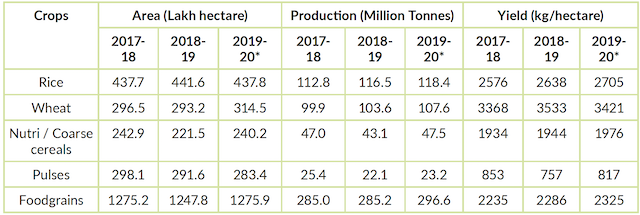
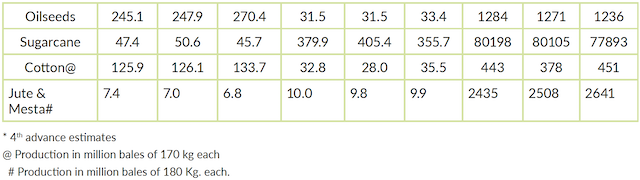
Have a look at the below table and get some idea about area and productivity of major crops.
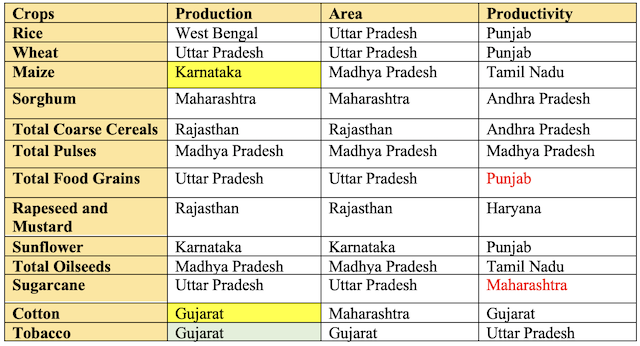
Leading States in Production
Leading States in Area, Production and Productivity
Land Utilization in India
In India out of total sown ara 74 % area is under food crops. Where as only 8.61 % of total sown area is under horticultural crops.