🐞 Role of Pollinators, Weed Killers, and Beneficial Insects
Understand how pollinators, insect weed-control agents, and other beneficial insects support crop production, biodiversity, and natural pest regulation.
This lesson explains how pollinators improve crop productivity, how specific insects act as biological weed suppressors, and the broader beneficial roles insects play in agriculture and ecosystems.
Lecture 7: Role of pollinators, weed killers and other beneficial insects
I. Role of pollinators
Pollination refers to the transfer of anther to stigma in flowering plants for sexual reproduction. Insects aid in cross pollination in fruits, vegetables, ornamentals, cotton, tobacco, sunflower and many other crops. Insect pollination helps in uniform seed set, improvement in quality and increase in crop yield.
Entomophily refers to cross pollination aided by insects
Pollination classes Type of insects
Melitophily Bees Cantharophily Beetles Myophily Syrphid and Bombylid flies Sphigophily Hawk moths Psychophily Butterflies Phalaeophily Small moths
1.Honeybees as pollinators
All bee species aid in pollination Value of honey bees in pollination is 15-20 times higher than that of the honey and wax it produces.
Per cent increase in yield due to bee pollination
Mustard - 43% Sunflower - 32 - 48% Cotton - 17 - 19% Lucerne - 112% Onion - 93% Apple - 44% Cardamom - 21-37%
Hoverflies _ Syrphus _ sp. (Syrphidae:Diptera)
Brightly coloured flies Body is striped or banded with yellow or blue Resemble bees and wasps Larval stage predatory, adults are pollinators Crops pollinated - carrot, cotton, pulses
3.Carpenter bee, _ Xylocopa _ sp. (Xylocopinae:Anthophoridae)
Robust dark bluish bees with hairy body Dorsum of abdomen bare, pollen basket absent Adults are good pollinators Construct galleries in wood and store honey and pollen
Digger bees, _ Anthophora _ sp. (Anthophoridae:Hymenoptera)
Stout, hairy, pollen collecting bees Abdomen with black and blue bands
Fig wasp _ Blastophaga psenes _ (Agaonitae:Hymenoptera)
Fig is pollinated by fig wasp only. There is no other mode of pollination. There are two types of fig Caprifig and Symrna fig.
(i) Caprifig
a. It is a wild type of fig - not edible b. Has both male and female flowers c. Pollen is produced in plenty d. Natural host of fig wasp
(ii) Smyrnafig
a. It is the cultivated type of fig - Edible b. It has only female flowers c. Pollen not produced d. Not the natural host of fig wasp
Fig wasp: Male - wingless, present in caprifig
Female - winged
wasp lays eggs in caprifig, larvae develops in galls in the base of the flowers mates with female even when the is inside gall
Mated wasp emerges out of flower (caprifig) with lot of pollen dusted around its body.
The fig wasp enters smyrna fig with lot of pollen and deposits it on the stigma But it cannot oviposit in the ovary of symrna fig which is deep seated It again moves to capri fig for egg laying. In this process smyrna fig is pollinated Caprifig will be planted next to smyrna fig to aid in pollination
6. Oil palm pollinating weevil: Elacidobins kamerunicus (Curculionidae :
Coleoptera)
Aid in increasing oil palm bunch weight by 35% and oil content by 20%
Other pollinators
Butterflies (eg Deilaphila spp.) and moths ( Acherontia spp.) Ants, flies, stingless bees, beetles etc.,
II.WEED KILLERS
Insect which help in controlling weeds by feeding on them are called weed
killers.
- Dactylopius tomentosus cochnieal insect to control prickly pear Opuntia dillenii
This insect was introduced into India in 1925. Within 5-10 years it controlled the weed.
- Aristalochia butterfly, Papilio aristolochiae (Papilionidae:Lepidoptera). It feeds
on Arista lochia which a weed.
- Caotropis butterfly - Danaus chrysippus (Nymphalidae:Lepidoptera) - feeds on
calotropis.
- AK Grosshopper - Poecilocerus pictus (Actididae:Orthoptera)
Feeds on Calotropis and controls it
5. Water hyacinth weevil Neochetina eichhorniae and N. bruchi
The larvae tunnel and feed inside the petioles. Ten pairs of adults and progeny controls plant growth in 0.58 m [2] .
Parthenium weed killer, _ Zygogramma bicolorata _ (Chrysomelidae:Coleoptera)
Adults and grubs feed on leaves and flowers. 2 beetles controls and destroys one plant in 45 days.
A successful weed killer has following qualities
Should not be a pest of cultivated plants - at present or in future Effective in damaging and controlling the weed Should be a borer or internal feeder of the weed Should not be affected by parasitoids/predators
III. SCAVENGERS
Insects which feed on dead and decaying plant and animal matter are called scavengers.
Remove decomposing material and prevents health hazard Convert complex material into simple substances
a. Rove beetles (Staphylinidae:Coleoptera)
Adults and larvae feed on decaying matter b. Chafer beetles (Scarabaeidae:Coleoptera) c. Darkling beetles (Tenebrionidae:Coleoptera) d. Nitidulids (Nitidulidae:Coleoptera) e. Water scavenger beetle (Hydrophilidae:Coleoptera) f. Daddy long legs (Tipulidae:Diptera) g. Muscid flies (Muscidae:Diptera) h. Termites (Isoptera) i. Ants (Hymenoptera)
IV. INSECTS OF AESTHETIC VALUE
Insects which are beautiful are admired
Jewel beetle (Buprestidae:Coleoptera)
- necklaces, bracelets and ornaments made of whole insects
Nymphs of scale insects - made as stings Butterflies - symbol of beauty
V. SOIL BUILDERS
Insects which live in soil, male tunnels. During this process, the soil disintegrates, and soil aeration is facilitated. Subsoil is brought to the surface. Excreta of insects also enrich the soil.
eg. Beetles, ants, cutworms, larvae of flies, crickets, termites, wasps etc.,
VI. INSECTS OF SCIENTIFIC VALUE
1. Fruitflies - Drosophila melanogastes
Useful in biological investigations such as cytology, and genetics for studying principles of inheritance.
These flies have short life cycle, easy to culture and multiply - They have large chromosomes and easily recognizable heritable variations.
- Mosquitoes - Used in bioassay of insecticide residues
- Cockroaches - Used in Zoology and Entomology courses, also used in nutritional
studies VII. INSECTS AS FOOD
Termites, grubs of beetles are being used as food They are rich in protein MANAGEMENT OF HOUSEHOLD PESTS, VECTORS OF HUMAN DISEASES AND PESTS OF CATTLE AND POULTRY Lecture 8:
I.HOUSEHOLD PESTS AND VECTORS OF HUMAN DISEASES
Housefly _ Musca nebulo _ (Muscidae:Diptera)
Biology: Larvae - feed on decaying organic matter, faeces etc.,
Adults - Frequent human dwelling and transmits diseases
Damage
-
Source of nuisance
-
Transmits many diseases in human beings such as diarrhoea, dysentry, cholera, typhoid, enteric fevers, tuberculosis, leprosy, anthrax, trachoma, gonorrhoea and many helmithic diseases.
Management
Proper disposal of manure, garbage, sewage, human excrement, dead animals
etc., Covering manure pits with soil. Inside houses, spraying with malathion/diazinon 2%, lindane 1% or tricholorphon
0.5%. The deposits are effective for long periods. Smearing doors and windows with malathion 3% or diazinon 1.5% emulsion
with a bruch. Using fly swatters to manually kill flies. Protecting eatables from flies to prevent transmission of diseases. Use of poison baits such as formaline + sweetened milk (or) fermented banana +
milk or cheese + sugar + insecticide
2. Mosquitoes
Culex sp., Anopheles sp., and Aedes sp. Culicidae : Diptera
More than 2500 sp world wide
Mosquitoes
Biology : Egg, larval and pupal stages spent in water, marshy lands, stagnant
ponds etc.,
Adults cause problem to humans and animals. Damage : Their bile causes itching and irritation (Females only bite and suck
blood)
Diseases transmitted
Anopheles sp. transmits malaria (caused by Plasmodium sp.) Culex sp. transmits filariasis (caused by Wuheretia bancrofti ) Aedes sp. transmits dengue fever, encephalitis and yellow fever
Management of mosquitoes
# w Stagnant water should be drained (or) treated with 0.025% malathion
emulsion. Kerosine oil can also be used. # w Grasses and weeds around buildings should be cut or sprayed with 1%
malathion every week when mosquitoes are active. # w Mosquito nets or repellents such as citronella oil (creams). w Adults can be killed with space sprays of propreitary products such as
pyrethrins, dichlorvos, synthetic pyrethroids. # w Spray human dwellings, cattle shed with lindane 0.5 g/m [2 ] and propuxur,
fenitrothion and malathion 2 g/m [2] .
Sandflies _ Phlebotomus argentipes _ (Psychodidae:Diptera)
Larvae found in decaying organic matter.
Damage
Adults cause painfaul bite, itching and swelling Transmits diseases in man like kala-azar, three day fever, tropical ulcer etc.,] Transmits anthrox in cattle
Management
# w Cleanliness in and around human inhabitations w Surface spraying with Lindane 5% as residual spray w Insecticides recommended for mosquito control w Pyrethrum oinment to repel the sand flies
Eye flies _ Siphunculina funicola _ (Chloropidae : Diptera)
Breeds in decomposing organic matter, near latrines, stables and drains.
Damage
-
Frequents the eye with buzzing sound and feeds on eye secretions
-
Transmits diseases like Conjunctivitis and Ophthalmia
Management
✔ Good sanitary and hygienic condition
Human lice
Head louse Pediculus capitis Body louse Pediculus humanus Crab louse Phthirus pubis
Damage
- Biting causes cutaneous lesions, itching
Pediculidae: Siphunculata or Phthiraptera
-
Severe infestation by lice is called pediculosis - discolouration hardening and ulceration of skin
-
Transmits diseases like typhus, trenchfever, European relapsing fever
Management
Powder containing malathion 2% or lindane 1% is effective in delousing on
clothes On infested head/body lindane 0.2% mixed in hair oil or lotions containing 0.2%
lindane Cleanliness to have constant relief
Rat fleas: _ Xenopsylla cheopsis _ (Pulicidae:Siphonaptera)
Damage
- Painful bites - cause irritation, itching on skin
Transmits bubomic plague - caused by bacterium Pasteurella pestes which affects both rats and humans.
Also transmits endemic or murine typhus
Management
Keep houses rat free by poison baits Cleaniless, proper ventilation and occational spraying with malathion 0.5% or
lindane 1%
Cockroaches
Periplanata americana, Blatela germanica, Blatella orientalis Blathidae:Dictyoptera
Live in dark unclean kitchens, restaurants, filthy places
Damage
-
Starchy material are ruined by excreta, offensive smell
-
Feed on damp books and leather articles
Management
Observing cleanliness Sealing pipelines and drains leading to basement Spraying room with malathion / chlorpyriphos 0.5% without contaminating food
material Combined application of dichlorvos 0.5% (quick knock down) and persistent
insecticide (Chlorpyriphos)
Crickets _ Grylloides sigillatus _ , _ Acheta domesticus _ Gryllidae:Orthoptera
Damage
-
Nuisance and disturbance to humans by producing monotonous chirping sound produced at night
-
Eat food and clothings
Management
Dusting corner and floors with malathion / carbaryl 5% dust at night (care not to contaminate food)
Bed bugs
legion Cimex hemipterus (Tropical) Cimicidae:Hemiptera Cimex lectularius (Temperate)
Damage
Nymphs and adults suck blood and inject toxic saliva during night- (irritating, painful,
itching) (Does not transmit any diseases)
Management
Exposing bed, bedsheets to hot sun will kill bed bugs Using steel cots instead of wooden cots Applying kerosine, turpentine or petroleum oils in furniture Treating furniture with malathion 1% or lindane 0.1%
Silverfish
Lepisma saccharina, Thermobia domestica Lepismatidae : Thysanura
Management
Cleaning and ventilation. Use of naphthalene balls in cupboards
Other minor household pests
Ants, termites, book lice, wood boring, beetles, carpet beetles, cloth moth.
MANAGEMENT OF PESTS OF CATTLE AND POULTRY
Farm animals are attacked by pests under following categories
-
Blood sucking flies (Adults - flies suck blood)
-
Myiasis flies (Tissues eaten by maggots of flies)
-
Lice - (a) sucking lice (b) biting lice
-
Fleas
-
Arachnids - (a) Ticks (b) Mites
I. Blood sucking flies
a. Sand flies: Phlebotomus argentipes (Psychodidae:Diptera)
Damage
Both male and female flies such blood from horses, dogs, man and cattle Causes weakening and reduction of milk Transmits anthrox in animals
b. Horseflies: Tabanus striatus (Tabanidae:Diptera)
Other species Chrysopa sp., Hamatopota sp.
Damage
-
Females are blood suckers - even on running animals
-
Animal weakened, loses lot of blood
-
Transmits anthrox
-
Attacks horse, cattle, camel, elephant, rarely man
c. Stableflies Stomoxys calcitrans (Muscidae:Diptera)
Damage
Bite causes itching, pain, restlessness in animals Reduction in milk yield Transmits diseases like anthrax, surra, swamp fever, Trypanosomiasis and
Leishmaniasis in animals
d. Hornflies: Haematobia irritans (Tahinidae:Diptera)
Damage
-
Both sexes suck blood from neck region from cattle, goats, horses, gods and sheep
-
Transmits anthrax
e. Dogflies: Hippobosca maculata (Hippoboscidae:Diptera)
Damage
Permanent ectoparasites on cattle, horse, dog, goat, sheep Painless but irritating bite cause annoyance
Management of blood sucking flies on cattle
# w Elimination of breeding of flies through cleanliness w Residual spray of cattle shed with lindane 5% or diazion 1% w Draining stagnant water to prevent breeding w Spraying 0.1% pyrethrin + 1% piperonyl butoxide at 1-2 lit/animal, twice or
thrice a week # w Cover or dry the fresh dung as it attracts egg laying by hornflies w To manage dog flies, apply malathion 5% dust on neck, back and flanks of
animal every 10-14 days
II. MYIASIS FLIES
Myiasis refers to an infestation of living organs or tissues of man and other mammals by maggots (larvae) of flies (order Diptera) and disturbances resulting therefrom
caused by insects belonging to Calliphoridae (Blousflies) Oestridae (Botflies, warble flies), Sarcophagidae (Flesh flies)
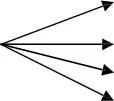
Types of
myasis
Atrial myiasis - Cavities on body Cutaneous myasis - Skin Intestinal myasis - Intestine Enter through wounds - Wound
Botflies
- Horse botfly - Gastrophilus intestinalis, G. nasalis (Oestridae:Diptera)
Damage
-
Eggs laid on body of animal - while licking gets into intestine - larva develops inside intestine
-
Maggots injure tongue, stomach and intestine
-
Animal dies if not treated
Management
If larva detected in faeces - give 25 ml tolerance or 1.5 g carbon disulphide / 100 kg
body weight in gelatin capsule to horse.
- Oestrus ovis Sheep bot fly (Oestridae:Diptera)
Maggots attacks nasal passage of sheep - discharge of mucus, distress to the sheep.
Management
Irrigating the sheep’s nostrils with 3% lysol Carbondsulphide + Paraffin injection into nostrils
- Warble fly/Heal fly: Hypoderma lineatum (Oestridae:Diptera)
Cutaneous/subcutaneous myiasis caused Causes holes in skin - less value Even causes eye myiasis
Management
# w During monsoon, hair close to loof may be cut to prevent egg laying w Treating animal with 1% trichlorphon or 0.05% rotenone every 45 days when
warbles appear on skin
Blowflies
Chrysomyia bezziana (Calliphoridae:Diptea) Cochliomyia hominivorax, Calliphora, Lucilia, Phormia sp.
Also called screw worms Cause cutaneous myiasis by entering through wound/sores
Management of blowflies
# w Disposal of carcasses to prevent egg laying w Removing maggots with forceps after spraying with 5% chloroform w Dressing wounds with pine oil which is a repellent
III. LICE
a. Sucking lice: Has sucking mouth parts
- Cattle louse: Haematopinus eurystermus (Haematopinidae:Siphunculata)
Ectoparasites on cattle, cling, bite and irritate
Management (Delousing) DELOUSNG CATTLE
# w Applying linseed oil all over the body could kill lice w Malathion 5% dust or 0.5% suspension spray/dip of animal
b. Biting lice: Has biting and chewing MP
Bevicola caprae (on goat) B. ovis (on sheep); B. bovis (on cattle)
( Trichodectidae :Mallophaga)
Menopon gallinae (Menoponidae:Mallophaga)
Shaft louse of focol (on birds) Feed on feathers of birds and cause annoyance Menacanthus stramineus (Chicken body louse)
Prefers skin to feathers
Management of biting lice on birds (Delousing birds)
Spray individual chicken or in groups with 0.5% carbaryl or malathion (5 lit/100
birds) Apply 5% Malathion / Carbaryl dust on individual birds @ 500 g/100 birds On walls and ceiling spray 3% malathion
Delousing birds not only removes the lice but also poultry tick and fleas.
IV. FLEAS
a. Poultry stick fast fleas Echidnophaga gallinacea (Hectosyllidae : Siphonaptera)
Attack comb, wattle, around eyes, beaks Birds become anaemic and egg production reduced
V. ARACHNIDS
Ticks (1) Boophilus microplus cattle tick
Cause inflammation and haemarrhage Produce tick paralysis Transmits tick fever, texas fever, tulanemia
Management
Careful removal with hand/forceps along with capitulum Use 1% lindane dust or 5% malathion dust
- Poultry tick: Argas persicus (Fowl tick)
Suck blood, causes weakness, annoyance Transmits fowl diseases
Mites: Sarcoptes scabiei called mange mite
Mite damages or eats the skin Ecto parasite on horse, cattle, mule, sheep, goat
Management Repeated application of powdered sulphur in vegetable oil
lastmod: 2026-05-24T00:00:00+05:30
Summary Cheat Sheet
-
Pollinators improve cross-pollination, seed set, crop yield, and product quality across many fruits, vegetables, and oilseed crops.
-
Beneficial insects include not only pollinators but also species that suppress weeds or support ecological balance in farm systems.
-
Honey bees, hoverflies, carpenter bees, digger bees, and fig wasps are important examples for exam revision.
-
Review core concepts, definitions, and field-level application points from this lesson.
-
Prioritize economic threshold-based decisions and integrated management logic where relevant.
References
1 source
References
Lesson Doubts
Ask questions, get expert answers