Biology Foundation
Human physiology, reproduction, health and disease, microbes, zoology, and chemistry in daily life for CUET Agriculture revision.
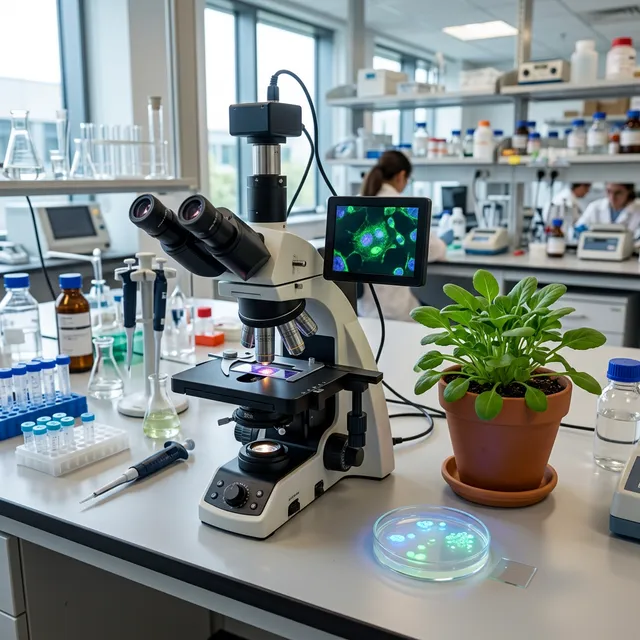
Course Structure
What's Inside
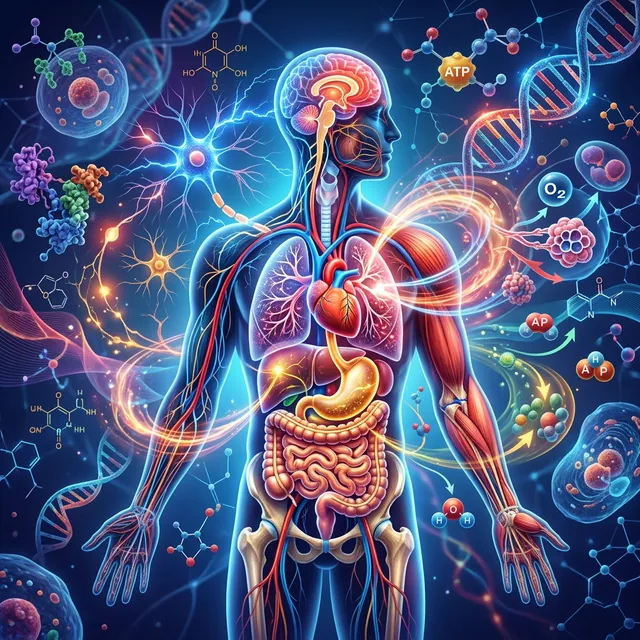

Human Physiology
Digestion, respiration, circulation, excretion, and organ-system function for CUET Agriculture.
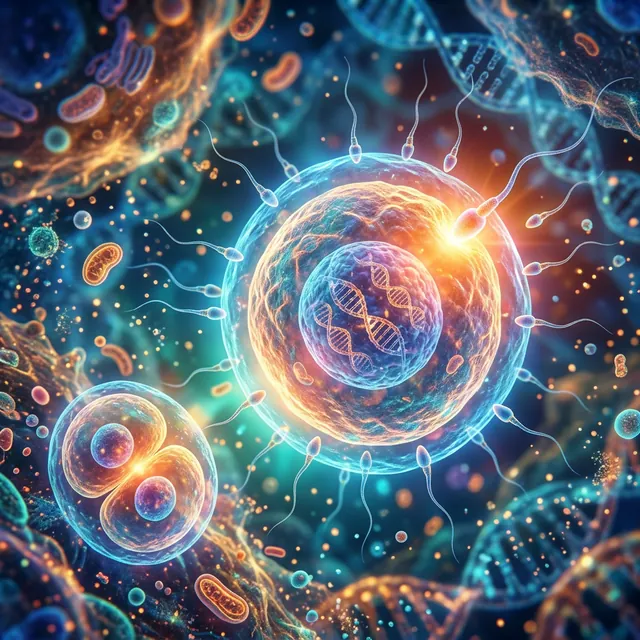
Human Reproduction
Reproductive systems, gametogenesis, menstrual cycle, fertilization, implantation, and development for CUET Agriculture.

Human Health & Diseases
Immunity, vaccines, communicable diseases, common disorders, and disease-prevention concepts for CUET Agriculture.

Structural Organisation — Cockroach
Cockroach morphology, anatomy, spiracles, Malpighian tubules, open circulation, and reproductive features for CUET Agriculture.

Microbes in Human Welfare
Fermentation, antibiotics, biofertilizers, biocontrol, sewage treatment, SCP, and biogas for CUET Agriculture.
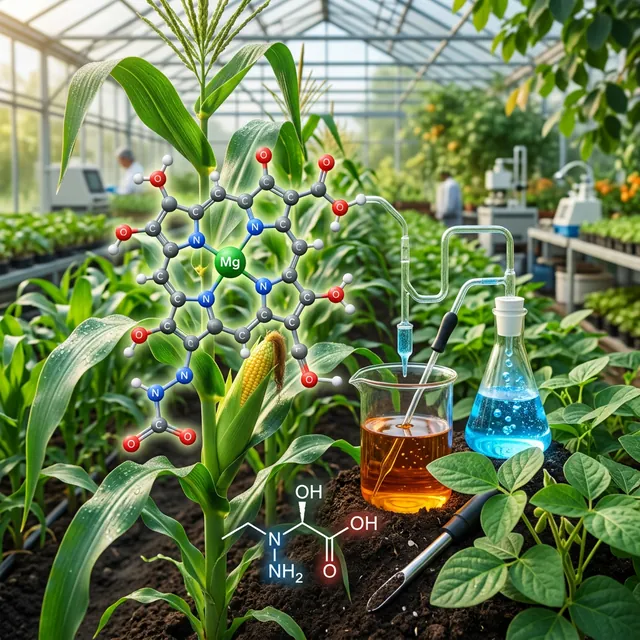
Chemistry in Daily Life
Antiseptics, analgesics, antibiotics, antacids, soaps, detergents, and daily-life drug concepts for CUET Agriculture.
Biology Foundation
Supplementary biology and science topics that support CUET Agriculture preparation. Covers human physiology, reproductive biology, health sciences, microbiology, and applied chemistry.
Frequently Asked Questions
What topics are covered in Biology Foundation for CUET Agriculture?
This unit usually covers human physiology, human reproduction, human health and disease, microbes in human welfare, selected zoology topics, and chemistry in daily life as supporting biology content for CUET Agriculture.
Is Biology Foundation important for CUET Agriculture?
Yes. Even though it supports the agriculture-focused units, it can still contribute direct questions and helps students who need stronger biology coverage for mixed-topic preparation.
Which chapters in Biology Foundation are easiest to score first?
Many students begin with microbes, chemistry in daily life, and selected human-health topics because the concepts are more direct, then move to physiology and reproduction for deeper revision.
Does Unit 5 focus more on theory or diagrams?
It usually combines concept-based theory with diagram-linked understanding, especially in physiology, reproduction, and zoology. Students benefit from quick visual revision rather than only memorizing text.
Are human physiology topics important in CUET Agriculture?
Yes. Digestion, respiration, circulation, and related physiology concepts are common biology foundations that strengthen accuracy in direct objective questions.
Are human reproduction and health topics asked in CUET-style biology revision?
Yes. Topics such as reproductive systems, fertilization, immunity, common diseases, and basic health science are frequently revised because they are standard biology foundations.
Why are microbes included in Biology Foundation?
Microbes are important because they connect biology with useful applications like fermentation, antibiotics, and environmental or agricultural relevance, making them both practical and exam-friendly.
What should I study first in Biology Foundation?
A strong order is microbes and chemistry in daily life first, then human health, then human physiology, and finally reproduction and zoology. This usually balances easier recall with concept-heavy chapters.
How can I revise Biology Foundation quickly before the exam?
Most students revise fastest with chapter-wise summary tables, labeled diagrams, comparison notes, and short concept lists instead of rereading full theory repeatedly.