🏥 Cattle Disease Management - Bacterial, Viral, Protozoan Diseases and Vaccination Schedule
Comprehensive guide to cattle diseases including Anthrax, HS, Black Quarter, FMD, Rinderpest, Lumpy Skin Disease, Surra, Milk Fever, Ketosis, Bloat, and Degnala disease with symptoms, treatment, vaccination schedule, and biosecurity measures for exams.
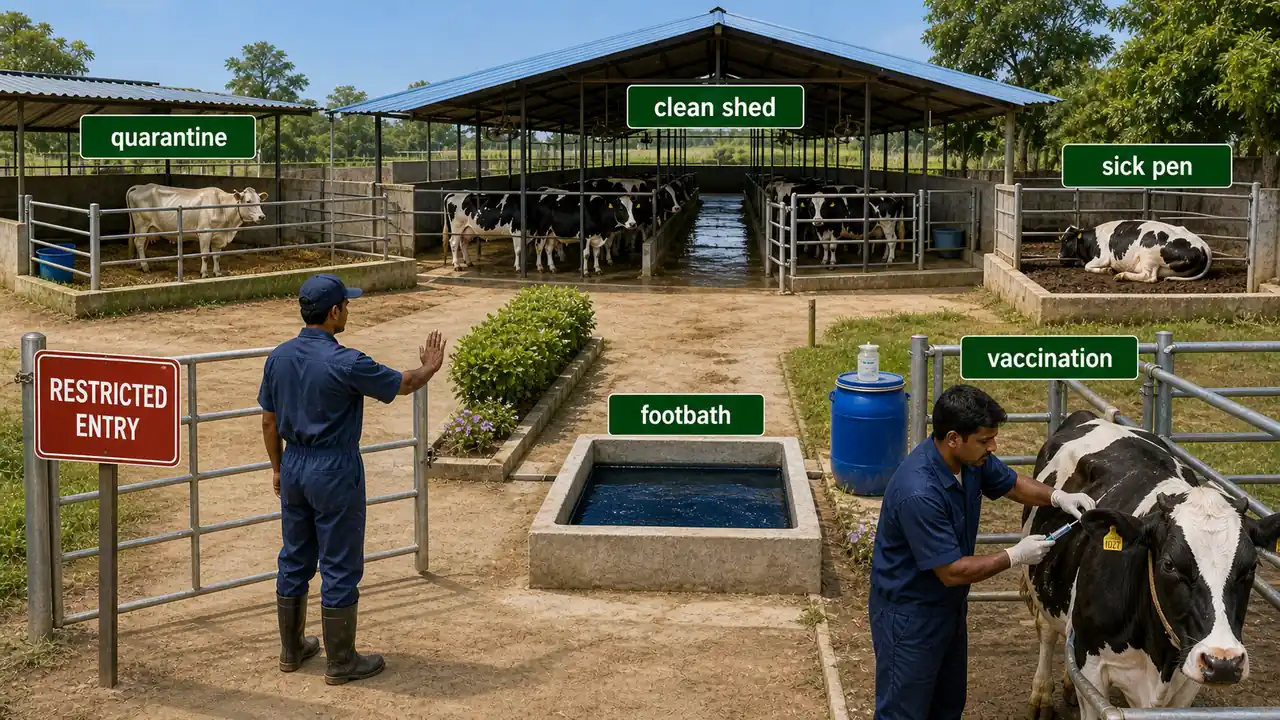
Health is a state of complete physical and functional well-being in which all organs and tissues function normally and harmoniously. Any departure from this state — mild or severe — constitutes disease.
Disease control is central to profitable livestock farming because outbreaks impose a double financial burden: direct losses from reduced milk, meat, and growth production, plus the cost of veterinary treatment and medicines. Preventive management — vaccination, hygiene, and biosecurity — is always far more cost-effective than curative treatment after an outbreak.
This lesson covers the major cattle diseases organised by cause:
- Bacterial diseases — Anthrax, HS, Black Quarter, Brucellosis, Mastitis, Calf Scours, Bovine TB, Leptospirosis
- Viral diseases — FMD, Rinderpest, Lumpy Skin Disease, PPR, Bluetongue
- Protozoan diseases — Surra, Theileriosis
- Metabolic disorders — Milk Fever, Ketosis, Bloat, Degnala
Each section covers causative agent, key symptoms, and control measures — all high-yield for exams.
Pro Content Locked
Upgrade to Pro to access this lesson and all other premium content.
₹99 charged monthly · Cancel anytime
- All Agriculture & Banking Courses
- AI Lesson Questions (100/day)
- AI Doubt Solver (50/day)
- Glows & Grows Feedback (30/day)
- AI Section Quiz (20/day)
- 22-Language Translation (100/day)
- Recall Questions (20/day)
- AI Quiz (15/day)
- AI Quiz Paper Analysis (100/day)
- AI Step-by-Step Explanations (100/day)
- Spaced Repetition Recall (FSRS)
- AI Tutor
- Immersive Text Questions
- Audio Lessons — Hindi & English
- Mock Tests & Previous Year Papers
- Summary & Mind Maps
- XP, Levels, Leaderboard & Badges
- Generate New Classrooms
- Voice AI Teacher (AgriDots Live)
- AI Revision Assistant
- Knowledge Gap Analysis
- Interactive Revision (LangGraph)
🔒 Secure via Razorpay · Cancel anytime · No hidden fees
Health is a state of complete physical and functional well-being in which all organs and tissues function normally and harmoniously. Any departure from this state — mild or severe — constitutes disease.
Disease control is central to profitable livestock farming because outbreaks impose a double financial burden: direct losses from reduced milk, meat, and growth production, plus the cost of veterinary treatment and medicines. Preventive management — vaccination, hygiene, and biosecurity — is always far more cost-effective than curative treatment after an outbreak.
This lesson covers the major cattle diseases organised by cause:
- Bacterial diseases — Anthrax, HS, Black Quarter, Brucellosis, Mastitis, Calf Scours, Bovine TB, Leptospirosis
- Viral diseases — FMD, Rinderpest, Lumpy Skin Disease, PPR, Bluetongue
- Protozoan diseases — Surra, Theileriosis
- Metabolic disorders — Milk Fever, Ketosis, Bloat, Degnala
Each section covers causative agent, key symptoms, and control measures — all high-yield for exams.
General Precautions
These biosecurity measures form the first line of defence against disease:
- Strict hygiene and sanitation of animal houses. Regular cleaning and disinfection of sheds, feeding troughs, and water containers eliminates pathogenic organisms from the animal's environment.
- Adhere regular and routine 'vaccination' schedule. Vaccination is the most reliable and cost-effective method of preventing infectious diseases.
- Provide well ventilated and proper housing. Good ventilation removes harmful gases (ammonia, carbon dioxide), reduces humidity, and maintains air quality, all of which are essential for respiratory health.
- Provide balanced nutritious diet. A well-nourished animal has a stronger immune system and is better equipped to resist infections.
- Avoid entry of outsiders within the farm-premises. Restricting visitor access is a key biosecurity measure, as outsiders can inadvertently introduce pathogens on their clothing, footwear, or vehicles.
- Prevention is better than cure.
- Quarantine. Quarantine involves isolating newly purchased or sick animals for a period (usually 2-4 weeks) to observe for signs of disease before introducing them to the main herd.
- Follow up of latest scientific know how and management practices.
| Infectious or contagious | Non-infectious or non-contagious |
|---|---|
| Bacterial: a) Anthrax, b) Black quarters, c) Haemorrhagic septicaemia, d) T.B, e) Brucellosis, f) Mastitis, g) Calf scours, h) Pneumonia | Metabolic Milk fever or Hypocalcaemia |
| Viral: a) Rinderpest, b) Foot and Mouth, c) LSD, d) PPR | Dietary Tympanites or Bloat impaction |
| Protozoan: a) Coccidiosis, b) Theileriosis (Tick Fever) | |
| Ecto parasite: Tick, lice and mite. Endo parasite: Round worm (Nematodes), Tapeworms (Cestodes), Liver flukes (Trematodes) | |
| Fungal: Dermatitis, Aflatoxicosis |
Bacterial
Bacterial diseases are caused by pathogenic bacteria and are generally treatable with antibiotics if caught early. However, prevention through vaccination is far more practical in herd management. Several are zoonotic — transmissible to humans.
Anthrax
- Anthrax is caused by Bacillus anthracis, a bacteria found in the environment in soil. Anthrax is one of the oldest known livestock diseases. The bacterium forms extremely resistant spores that can survive in the soil for decades, making contaminated pastures a persistent source of infection.
Symptoms:
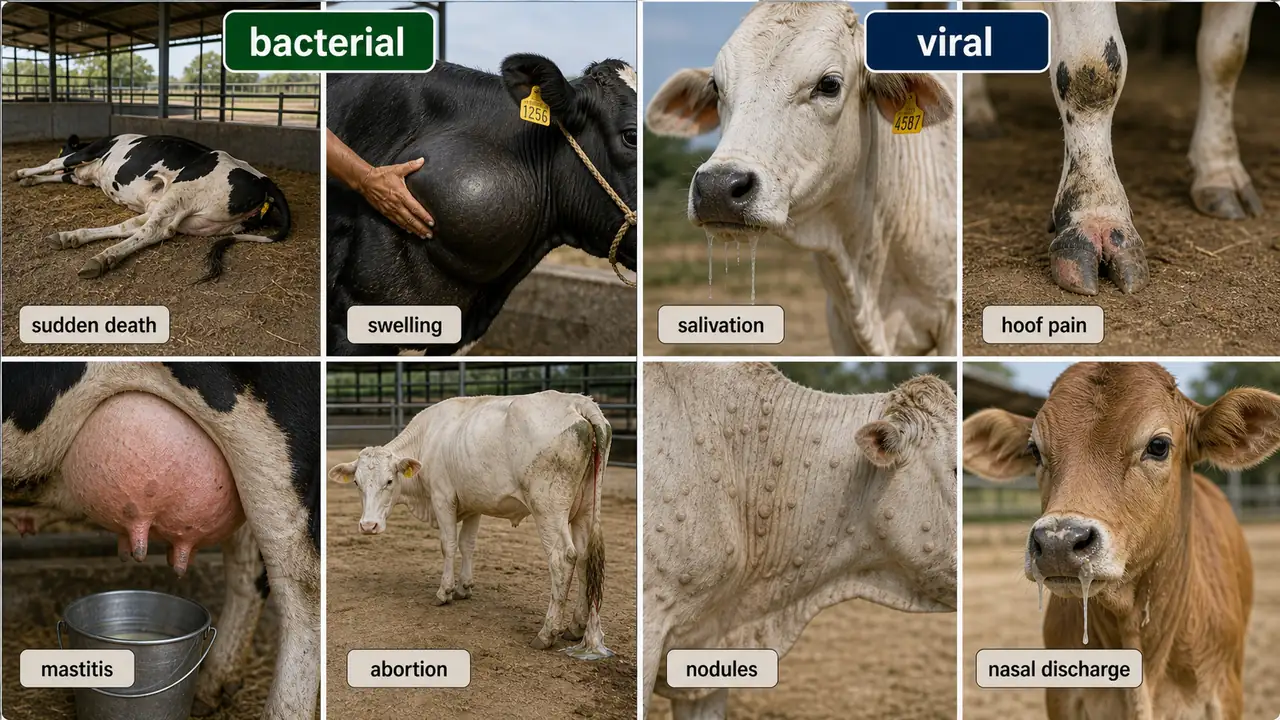
- An abrupt fever and a period of excitement followed by depression, respiratory or cardiac distress, staggering, convulsions, and death.
- Peracute - death occurs within minutes. In the peracute form, the disease progresses so rapidly that the animal may die before any clinical signs are noticed.
- High temperature and splen is enlarged 10-15 times its normal size. Therefore also known as Splenic fever. The massive enlargement of the spleen (splenomegaly) is one of the most characteristic post-mortem findings in anthrax.
- Convolutions and collapsing before death.
- Often blood does not clot after death resulting in bloody discharge from anybody openings (rectum, mouth, nostrils, etc.) The failure of blood to clot is due to the toxins produced by the anthrax bacterium, which destroy blood clotting factors.
- Often, the course of disease is so rapid that illness is not observed and animals are found dead, sudden death.
- Humans are also susceptible to this disease. Therefore also known as Wool sorters' Disease or Ragpickers' Disease. These names reflect the occupational risk for people who handle animal products: wool sorters who handle contaminated fleeces and ragpickers who sort through animal hides and hair.
- The transmission of disease from animal to human is known as Zoonosis. A zoonotic disease is one that can be transmitted between animals and humans. Anthrax is a significant zoonotic concern.
Control:
- Annual vaccination: A live spore vaccine prepared from a virulent uncapsulated strain of B. anthracis dose 1 ml. The Sterne strain vaccine is the most widely used anthrax vaccine in livestock and provides effective immunity for approximately one year.
- Hygiene and sanitation for prevention and Careful disposal of infected material is most important. The carcasses of animals that die from anthrax should never be opened (as exposure to air causes sporulation) and must be disposed of by deep burial or incineration to prevent soil contamination.
Explore More
Haemorrhagic Septicaemia (HS)
- HS is bacterial disease spread by Pasteurella multocida bacteria. Haemorrhagic Septicaemia is one of the most important bacterial diseases of cattle and buffaloes in India and other tropical countries.
- Fever with high temperature usually occurs during monsoon. The disease is closely associated with the monsoon season because the wet, humid conditions stress the animals and favour bacterial multiplication.
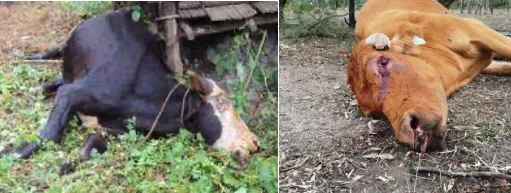
- Difficult breathing, Salivation and serious nasal discharge. The bacteria cause severe inflammation of the respiratory tract, leading to oedema (swelling) of the throat and lungs.
- Watery faeces dehydration, prostration (lying) and death. Death can occur within 12-72 hours of the first symptoms, making early detection and treatment critical.
- Vaccination once 1 year - before - rainy season. Pre-monsoon vaccination is essential because the disease peaks during the rainy season. The oil-adjuvant vaccine provides immunity for approximately one year.
Black Quarter (BQ)
- The characteristic crepitant swellings in hind and fore quarters muscles which crackles when rubbed due to gas accumulation in the muscle and which causes lameness. Black Quarter (also called Blackleg) is caused by Clostridium chauvoei, a spore-forming bacterium that infects the muscles. The bacteria produce gas as they multiply in the muscle tissue, creating the characteristic crackling or crepitant swelling. Note that it is Black Quarter, not Foot and Mouth Disease, that causes crackling of muscles.
- When pressed, a crackling sound is heard because of the gas accumulation in the swellings. This crepitus (crackling sensation felt when the swelling is pressed) is a hallmark diagnostic feature of BQ that distinguishes it from other causes of swelling.
- Vaccination: Given at 6 months and above; booster 1 month after first dose; then annually in endemic areas.
Brucellosis (Contagious Abortion)
- Abortion of pregnant animal. Brucellosis is caused by bacteria of the genus Brucella (B. abortus in cattle, B. melitensis in goats). The hallmark of the disease is abortion, typically during the last trimester of pregnancy.
- 30 to 60 days incubation period. After the initial infection, the bacteria take 30-60 days to multiply sufficiently to cause clinical signs. Brucellosis is a zoonotic disease that can cause undulant fever in humans who handle infected animals or consume unpasteurised dairy products.
Mastitis
- Mastitis causes a persistant inflammation of the udders. Mastitis is the most economically important disease of dairy cattle worldwide. It is caused by bacteria (commonly Staphylococcus aureus, Streptococcus species, and E. coli) that enter through the teat canal.
- The clear sign of mastitis is inflammation of the udder that turns into a red and hard mass. The affected quarter becomes hot, swollen, hard, and painful to touch, and the milk from the infected quarter becomes watery, clotted, or discoloured. Maintaining clean milking practices, proper teat dipping after milking, and dry cow therapy are essential preventive measures.
Explore More
Calf Scours
- Watery stools that may be brown, grey, green, yellow in colour. The colour and consistency of the diarrhoea can provide clues about the causative agent (bacterial, viral, or nutritional).
- Calves are often weak and depressed, and may lose their desire to nurse.
- Calves develop a sunken-eyed appearance as a result of dehydration. The sunken eyes are a classic clinical sign of severe dehydration, which is the primary cause of death in calf scours cases. Prompt oral rehydration therapy (ORT) with electrolyte solutions is the most important treatment measure.
Bovine Tuberculosis (bTB)
- Tuberculosis is caused by Mycobacterium bovis. Bovine tuberculosis is a chronic, progressive bacterial disease that affects cattle, buffaloes, and can also infect humans (it is zoonotic).
- Dry cough followed by wet cough is the major symptom. The disease primarily affects the lungs (pulmonary form), starting with a dry, intermittent cough that progressively becomes moist and persistent as the disease advances. Diagnosis is done using the tuberculin test (intradermal injection of tuberculin and observing for a skin reaction).
Leptospirosis
Leptospirosis is a bacterial zoonotic disease caused by Leptospira species (gram-negative spirochetes). It is correctly classified as bacterial, not protozoan.
- Spread: Via water or soil contaminated with urine of infected animals — rats are the primary reservoir. Animals acquire infection through skin abrasions or mucous membranes during contact with contaminated water or pastures.
- Affects: Cattle, buffaloes, pigs, dogs, and humans. In cattle it causes abortion, stillbirth, agalactia (sudden milk drop syndrome), jaundice, and fever.
- Treatment: Penicillin or Streptomycin.
- Zoonotic significance: Humans contract leptospirosis through contact with infected animal urine or contaminated water — a major occupational hazard for farmers, veterinarians, slaughterhouse workers, and those wading through floodwater.
NOTE
Leptospirosis is often misclassified as protozoan in study notes. It is caused by Leptospira spp. — a gram-negative spirochete bacterium — and is correctly grouped with bacterial diseases.
Viral
Viral diseases are caused by viruses and are generally not treatable with antibiotics. Control relies on vaccination, strict quarantine, and biosecurity. Several of these are notifiable diseases — outbreaks must be reported to state veterinary authorities and the OIE.
Foot and Mouth Disease (FMD)
Foot and Mouth Disease is arguably the most important livestock disease globally due to its extreme contagiousness and economic impact.
- Symptoms:
- A severe, highly contagious viral disease of livestock that has a significant economic impact. FMD is caused by an Aphthovirus of the family Picornaviridae and affects all cloven-hoofed animals (cattle, buffalo, sheep, goats, pigs).
- Incubation period is 6-7 days.
- High fever up to 104-106°F (41°C) and anorexia.
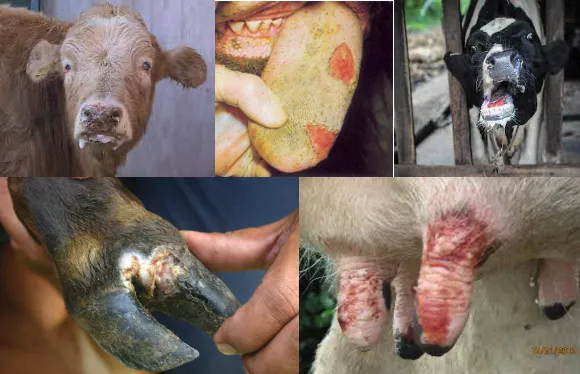
- Profuse salivation (saliva hanging in long ropy strings up to the ground). The characteristic ropy drooling of saliva is one of the most recognizable field signs of FMD.
- Animal stamps its feet and wounds in the interdigital space of legs followed by lameness. Vesicles (fluid-filled blisters) form in the interdigital space (between the toes), causing intense pain and lameness.
- Oral ulcers and lesions.
- Smacking of lips.
- Vesicles in the mammary gland. In lactating animals, vesicles on the teats and udder cause a sharp drop in milk production and make milking painful.
- Treatment:
- No treatment but it can be controlled. There is no cure for FMD; management focuses on vaccination for prevention and supportive care for affected animals.
- External application of anti septics contributes to the healing of ulcers and wards off attracts by flies.
- Antibiotics may be administered to counter bacterial infections. Antibiotics treat secondary bacterial infections that may develop in the open lesions.
- Prevention can be done thorough disinfection of shed, utensils, clothes of attendants.
- Vaccine: FMD vaccines is given at an interval of 6-months. The FMD vaccine must be given twice a year (every 6 months) because the immunity it confers is relatively short-lived. The National Animal Disease Control Programme (NADCP) aims to control FMD through 100% vaccination coverage.
FMD Serotypes in India
India has four serotypes of FMD virus in circulation: O, A, C, and Asia-1. The FMD vaccine used under NADCP covers these prevalent serotypes. Serotype O is the most widespread globally, while Asia-1 is specific to the Asian subcontinent.
National Animal Disease Control Programme (NADCP)
NADCP was launched in 2019 by the Government of India (Department of Animal Husbandry & Dairying) with a total outlay of ₹13,343 crore.
Coverage:
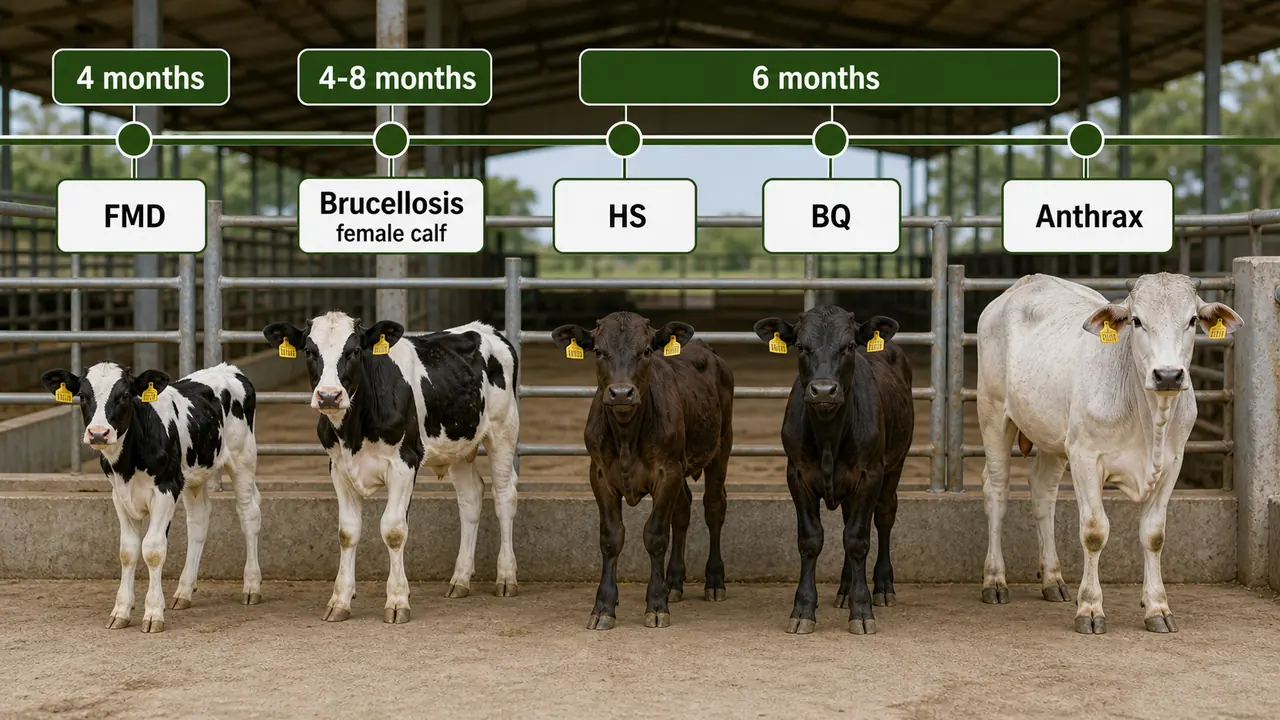
- FMD: 100% vaccination of cattle, buffalo, sheep, goats, and pigs at 4 months of age and above, every 6 months
- Brucellosis: vaccination of all female bovine calves aged 4–8 months, once in a lifetime
Goals:
- FMD control by 2025 and eradication by 2030
- PPR eradication by 2030
NOTE
NADCP is India's largest ever livestock disease control programme, covering 100% of susceptible livestock population for FMD vaccination.
Explore More
Rinderpest
-
Rinderpest is most destructive of the virus disease. Rinderpest (also called cattle plague) was historically one of the most devastating livestock diseases, capable of killing 80-90% of infected herds.
-
Infected animals suffered from symptoms such as fever, wounds in the mouth, diarrhoea, discharge from the nose and eyes, and eventually death.
-
3 Ds of Rinderpest
- Diarrhoea
- Discharge
- Death
The "3 Ds" is a simple mnemonic to remember the cardinal signs of Rinderpest.
-
Prevention and Control
- Segregation of affected animal.
- Disinfection of shed.
- Vaccine: TCRV (Tissue Culture Rinderpest Vaccine), GTV (Goat Tissue Vaccine)
- Vaccine for Rinderpest was formulated by IVRI. The Indian Veterinary Research Institute (IVRI) at Izatnagar, Uttar Pradesh developed these vaccines. Note: the vaccine was developed by IVRI, not CSRI.
- Test to identify: ELISA (enzyme-linked immunosorbent assay). ELISA is a highly sensitive laboratory test used to detect antibodies or antigens in blood samples. Rinderpest was declared globally eradicated in 2011, making it only the second disease (after smallpox) to be eradicated worldwide.
NOTE
Rinderpest is the only animal disease to have been globally eradicated, and only the second disease ever after smallpox in humans.
Lumpy Skin Disease
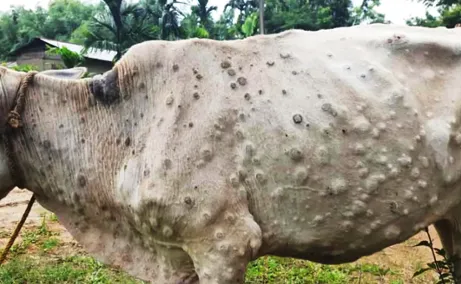
- Lumpy skin disease is caused by the lumpy skin disease virus (LSDV), a member of the Capripoxvirus (CaPV). This places it in the same virus genus as sheep pox and goat pox viruses.
- Usually, high milk-producing, thin-skinned European cattle breeds are more susceptible to the disease compared to indigenous breeds. This differential susceptibility highlights the natural disease resistance of indigenous breeds, which is an important consideration in crossbreeding programmes.
- The characteristic symptom is nodules develop on the skin, nasal discharge and high fever. The skin nodules are firm, round, raised lumps that can be 2-5 cm in diameter and can appear all over the body, causing permanent hide damage.
- Vaccine: Lumpi-Pro VacInd -- jointly developed by NRC Equines at Hisar, Haryana and the IVRI, Izatnagar, UP -- is a live attenuated vaccine. Lumpi-Pro VacInd was India's first indigenous vaccine against Lumpy Skin Disease, developed during the devastating LSD outbreaks of 2022.
PPR (Peste des Petits Ruminants)
PPR is also known as Ovine Rinderpest, Goat Plague, or Small Ruminant Plague. It is considered the most devastating disease of small ruminants globally.
- Causative Agent: Paramyxovirus (Morbillivirus genus) — the same genus as Rinderpest virus of cattle and measles virus of humans.
- Animals Affected: Primarily sheep and goats. Cattle and buffaloes are largely refractory (resistant) to clinical disease and do not transmit the infection.
- Morbidity and Mortality: Morbidity up to 100% in naive (unexposed) flocks; mortality up to 80–100% in severe outbreaks.
- Symptoms: High fever, ocular and nasal discharge, stomatitis (mouth ulcers), pneumonia, and severe bloody diarrhoea — mirroring rinderpest signs in small ruminants.
- Vaccine: PPR Live Attenuated Vaccine (homologous PPR vaccine) provides long-lasting immunity.
- India's Goal: PPR eradication by 2030 under NADCP — aligning with the global FAO/OIE PPR Global Eradication Programme.
NOTE
PPR is reportable to the OIE (World Organisation for Animal Health) and causes enormous economic losses in sheep and goat farming communities across Asia, Africa, and the Middle East.
IMPORTANT
PPR vs Rinderpest — a frequently tested distinction:
- Both belong to the Morbillivirus genus (family Paramyxoviridae)
- PPR (Peste des Petits Ruminants) affects sheep and goats (small ruminants); cattle and buffalo are refractory (do not show clinical disease)
- Rinderpest (Cattle Plague) affected cattle and buffalo (large ruminants)
- Rinderpest was globally eradicated in 2011; PPR eradication is targeted for 2030
- Both cause similar "3 Ds" signs — Diarrhoea, Discharge, Death — but in different host species
Bluetongue Disease
- Insect-borne, viral disease. Bluetongue is caused by the Bluetongue virus (BTV) of the family Reoviridae. There are at least 27 serotypes of BTV globally.
- Animals Affected: Primarily sheep (most severe clinical disease); cattle and goats are often subclinically infected (infected but show few signs) yet act as reservoir hosts.
- Transmission: Non-contagious — spread exclusively through the bite of Culicoides midges (tiny biting insects), not directly between animals. The insect-dependent nature of transmission means the disease is seasonal (peaks during and after monsoon when midge populations are highest) and geographically limited by midge habitat.
- Symptoms in sheep: High fever, inflammation and swelling of the lips and tongue (which may turn blue due to cyanosis — hence the name), difficulty eating, nasal discharge, and lameness. Severe cases result in death.
- Control: Vector control using insecticides/acaricides and vaccination with live attenuated BTV vaccine.
NOTE
Key exam distinction: Bluetongue is not contagious (no direct animal-to-animal spread). It requires Culicoides midges as a biological vector. It primarily affects sheep, though cattle serve as reservoir hosts without showing severe signs.
Protozoan
Protozoan diseases are caused by single-celled parasites (protozoa). Most are transmitted by arthropod vectors (flies, ticks) and cause severe anaemia, weakness, and production losses. Treatment involves antiprotozoal drugs rather than antibiotics.
Surra (Trypanosomiasis)
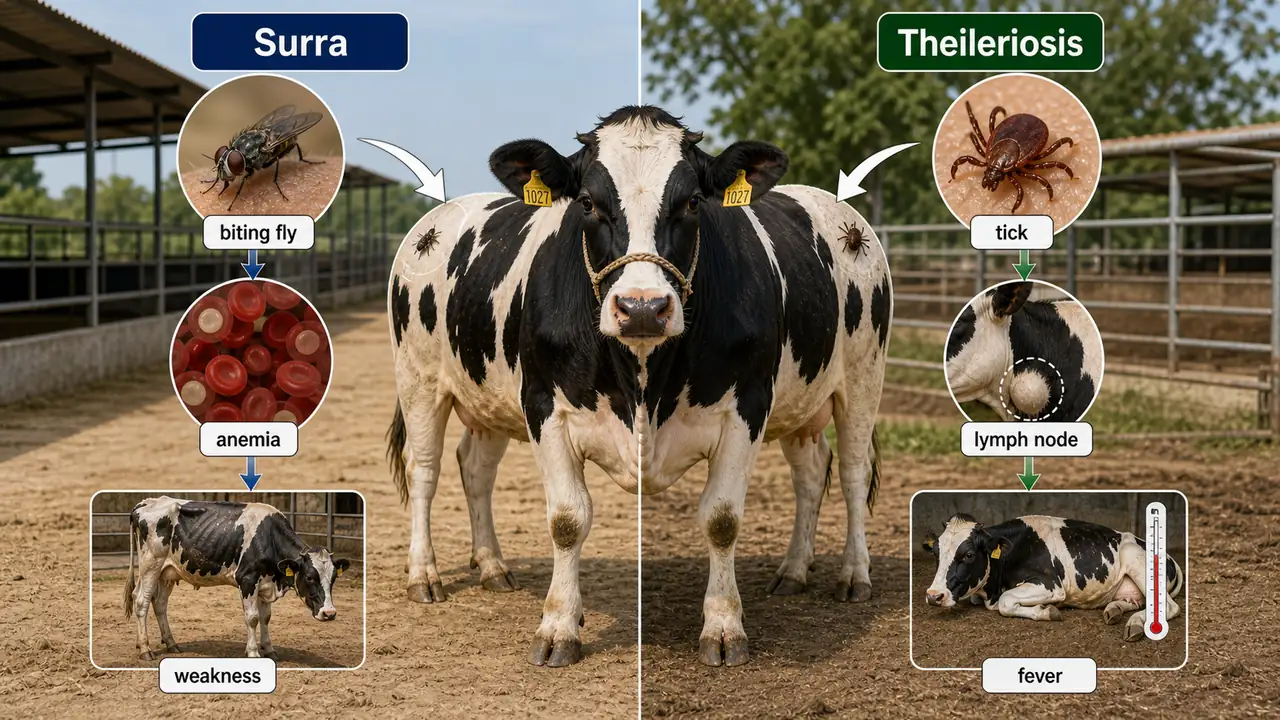
- An important disease of cattle and buffalo caused by protozoa. Surra is caused by the protozoan parasite Trypanosoma evansi, a single-celled organism that lives in the bloodstream of infected animals.
- Transmitted mechanically by biting flies. Tabanus (horse flies) and other biting flies transmit the parasite mechanically, meaning the parasite does not undergo any developmental change in the fly but is simply carried on the mouthparts from one animal to another.
- Cattle and buffalo also are reservoir hosts to horses and camels. Reservoir hosts carry the parasite without showing severe symptoms, serving as a source of infection for more susceptible species.
- There is severe loss of productivity due to anaemia. The parasites destroy red blood cells, leading to progressive anaemia, weakness, weight loss, and reduced milk production.
- Animals under stress are more susceptible to the disease.
- The incubation period after infection is approximately 5 to 30 days. This variable incubation period means that clinical signs may appear anywhere from less than a week to a full month after the infective fly bite.
Theileriosis (Tick Fever)
Theileriosis is the most economically significant tick-borne protozoan disease of Indian cattle.
- Causative Agent: Theileria annulata (causes Tropical Theileriosis — the predominant form in India).
- Vector: Hyalomma ticks (especially Hyalomma anatolicum). The parasite undergoes sexual reproduction in the tick and is transmitted when infected ticks feed on cattle.
- Symptoms: High fever, enlarged lymph nodes, anaemia, jaundice, drop in milk production, and high mortality in exotic/crossbred cattle. Indigenous cattle show greater natural tolerance.
- Treatment: Buparvaquone (Butalex) — the drug of choice for tropical theileriosis.
- Control: Rigorous tick control (acaricides/dips) combined with the Theileriovax vaccine developed by IVRI (Indian Veterinary Research Institute).
NOTE
Exotic and crossbred cattle (e.g., Holstein-Friesian, Jersey crosses) are far more susceptible to Theileriosis than indigenous breeds — an important consideration for intensive dairy farming in India.
Production-Related Disorders and Herd Protection
Metabolic Disorders
Unlike infectious diseases, metabolic disorders are non-infectious — they arise from nutritional imbalances, the physiological stress of high production, or impaired digestion. They are not contagious and do not spread between animals. However, they are extremely common in high-yielding dairy cattle and cause significant production losses. Prevention focuses on balanced feeding and proper management rather than vaccination.
Partutient paresis (Milk Fever)
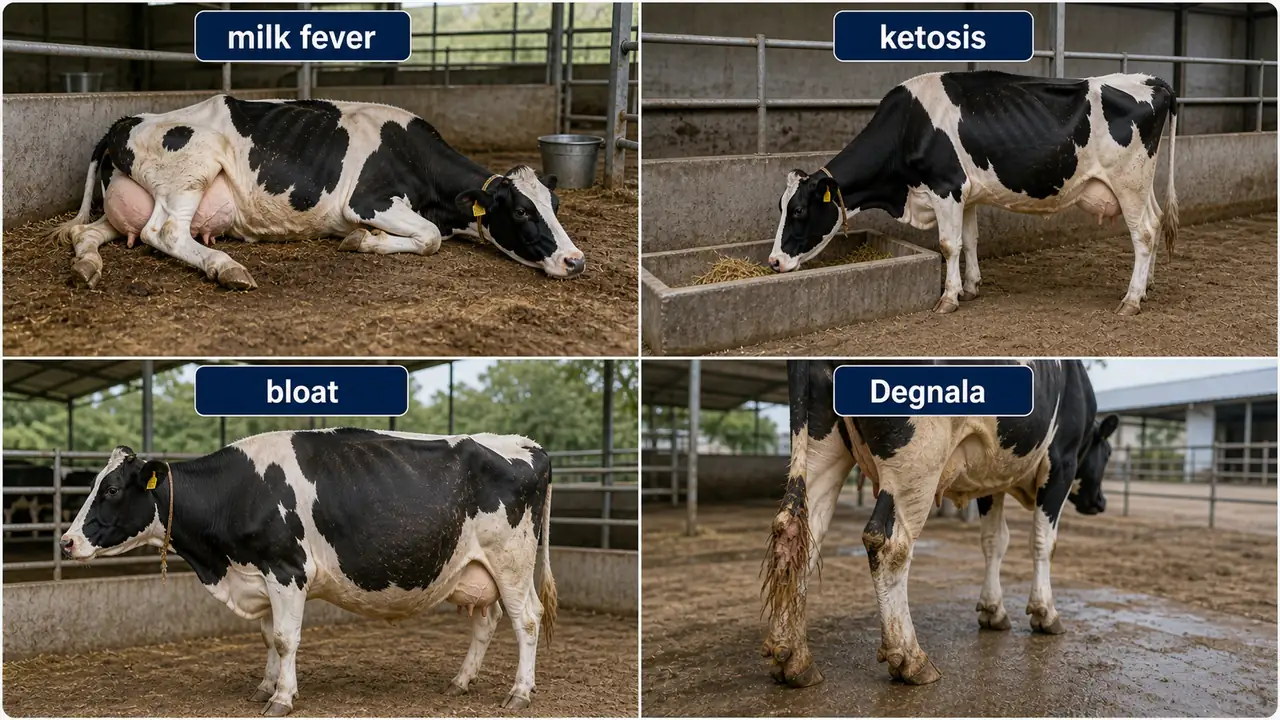
- Partutient paresis is a metabolic disease in cows occurs soon after calving caused due to fall in calcium levels (Hypocalcaemia). There is actually no fever.
WARNING
Despite the name "Milk Fever", there is no actual fever in this disease. Body temperature is usually below normal. Despite its name, milk fever does not involve any actual fever. In fact, body temperature is usually below normal. The disease occurs because the sudden onset of milk production drains calcium from the blood faster than it can be replaced from the bones and diet.
- Occurs usually within 72 hours of calving. The first 72 hours after calving is the highest-risk period because milk production begins rapidly, creating an enormous demand for calcium.
- Complete milking during the first 48 hours of calving may precipitate milk fever in some cases.
- To avoid this do not fully empty the uder after calving. By leaving some milk in the udder during the first few milkings, the rate of calcium loss is reduced, allowing the cow's calcium-regulating mechanisms time to adjust. Treatment involves intravenous administration of calcium borogluconate solution.
Ketosis/ Acetonemia
- Disturbance in carbohydrate metabolism. Ketosis occurs when high-producing dairy cows cannot consume enough feed to meet their energy demands (typically in early lactation), forcing the body to break down body fat for energy. This fat breakdown produces excessive ketone bodies (acetone, acetoacetate, beta-hydroxybutyrate), which accumulate in the blood, urine, and milk, giving a characteristic sweet, fruity odour to the breath.
Bloat (tympany)
- Characterised by an accumulation of gas in the stomach. Bloat occurs when gas produced during normal fermentation in the rumen cannot be expelled through belching (eructation), causing the rumen to distend dangerously.
- Disorder of ruminant animals involving distention of the rumen.
- Severe bloat is removed by Trocar cannula. A trocar and cannula is a surgical instrument used in emergency cases of severe bloat. The sharp trocar punctures through the body wall into the distended rumen (at the left paralumbar fossa), and the hollow cannula allows the trapped gas to escape, providing immediate relief. Note: the trocar cannula treats bloat (a metabolic/digestive disorder), not bacterial diseases.
Degnala disease
- It is a common infection, affecting cattle & buffaloes in Indian subcontinent.
- Degnala disease is primarily a mycotoxicosis caused by T-2 toxin produced by Fusarium spp. on improperly stored wet paddy straw; selenium deficiency is a proposed contributing factor. T-2 toxin is a trichothecene mycotoxin that causes gangrenous necrosis (dry gangrene) of the tail, ears, and limbs — the hallmark signs of the disease. Selenium deficiency may worsen the severity by impairing antioxidant defences.
- It occurs in animals when they are exclusively fed on paddy straw that gets wet during the maturing stage on the plant in the field or during the threshing period and is stored without proper drying. Proper drying and storage of paddy straw is the most effective preventive measure against fungal toxin formation.
IMPORTANT
Degnala is NOT caused by selenium deficiency alone. It is primarily a mycotoxicosis (T-2 toxin from Fusarium spp. on improperly stored wet paddy straw). Selenium deficiency is only a contributing/aggravating factor. MCQs sometimes present selenium deficiency as the primary cause — this is incorrect.
Preventive Vaccination as a Herd Strategy
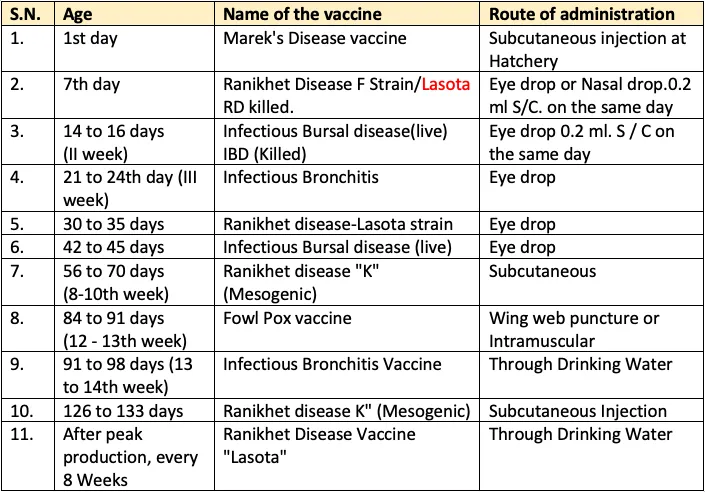
Vaccination Schedule for Cattle
| Name of Disease | Age at First Dose | Booster Dose | Subsequent Dose(s) |
|---|---|---|---|
| Foot and Mouth Disease (FMD) | 4 months and above | 1 month after first dose | 6 monthly |
| Haemorrhagic Septicaemia (HS) | 6 months and above | 1 month after first dose | Annually in endemic areas |
| Black Quarter (BQ) | 6 months and above | 1 month after first dose | Annually in endemic areas |
| Brucellosis | 4-8 months of age (Only Female Calves) | - | Once in lifetime |
| Anthrax | 6 months and above | - | Annually in endemic areas |
A well-planned and strictly followed vaccination schedule is the single most effective tool for preventing major infectious diseases in cattle. Adhering to the recommended vaccination calendar protects individual animals, prevents herd-level outbreaks, and significantly reduces economic losses.
IMPORTANT
MCQ-critical vaccination facts:
- FMD: First dose at 4 months; booster at 1 month; then every 6 months (twice a year) — the only vaccine in this table given bi-annually
- Brucellosis: Only female calves aged 4–8 months; given once in a lifetime — never repeated
- HS, BQ, Anthrax: All start at 6 months; all given annually in endemic areas
- Under NADCP (launched 2019, ₹13,343 crore): FMD 100% coverage + Brucellosis female calves = India's largest livestock disease control programme
References
2 sources • [1] [2]
References
Summary Cheat Sheet
| Concept / Topic | Key Details |
|---|---|
| Anthrax | Bacillus anthracis; AKA Splenic fever; spleen enlarged 10–15×; bloody discharge; zoonotic |
| Anthrax other names | Wool sorters' disease, Ragpickers' disease |
| Haemorrhagic Septicaemia (HS) | Pasteurella multocida; occurs during monsoon; vaccinate before rainy season |
| Black Quarter (BQ) | Clostridium chauvoei; crackling sound in muscles due to gas; causes lameness |
| Brucellosis | Brucella abortus; causes abortion in last trimester; incubation 30–60 days; zoonotic |
| Mastitis | Inflammation of udder; most economically important dairy disease; prevention: teat dipping |
| Calf Scours | Watery diarrhoea in calves; sunken eyes = dehydration; treat with oral rehydration |
| Bovine TB | Mycobacterium bovis; dry → wet cough; diagnosed by tuberculin test; zoonotic |
| FMD | Aphthovirus; affects cloven-hoofed animals; incubation 6–7 days; vaccine every 6 months; first dose at 4 months |
| FMD symptoms | Fever 104–106°F, profuse salivation, oral ulcers, lameness |
| FMD serotypes (India) | O, A, C, and Asia-1 — four serotypes circulating in India |
| NADCP | Launched 2019; FMD 100% vaccination (cattle/buffalo/sheep/goats/pigs); Brucellosis (female calves 4–8 months); goal: FMD-free 2025, eradication 2030; PPR eradication 2030 |
| Rinderpest | Cattle plague; 3 Ds: Diarrhoea, Discharge, Death; globally eradicated in 2011 |
| Rinderpest vaccine | TCRV/GTV developed by IVRI (not CSRI); test: ELISA |
| Lumpy Skin Disease | LSDV (Capripoxvirus); skin nodules; vaccine: Lumpi-Pro VacInd (IVRI + NRC Equines) |
| Bluetongue | BTV (Reoviridae); vector: Culicoides midges; non-contagious; affects sheep most severely; cattle are subclinical reservoir hosts |
| Surra | Trypanosoma evansi (protozoan); transmitted by Tabanus (biting flies); incubation 5–30 days |
| Milk Fever | Hypocalcaemia; within 72 hours of calving; no actual fever; treat: Ca borogluconate IV |
| Ketosis / Acetonaemia | Disturbance in carbohydrate metabolism; in high-yielding cows |
| Bloat (Tympany) | Gas accumulation in rumen; emergency: Trocar cannula puncture |
| Degnala disease | Mycotoxicosis from T-2 toxin (Fusarium spp.) on wet paddy straw; Se deficiency is a contributing factor |
| PPR | Paramyxovirus (Morbillivirus); AKA Ovine Rinderpest / Goat Plague; sheep & goats; morbidity 100%, mortality up to 80–100%; vaccine: PPR Live Attenuated; eradication goal 2030 |
| Theileriosis | Theileria annulata (protozoan); vector: Hyalomma ticks; most economically important tick-borne disease in Indian cattle; treatment: Buparvaquone (Butalex); vaccine: Theileriovax (IVRI) |
| Leptospirosis | Leptospira spp. (bacterial, NOT protozoan); zoonotic; spread via contaminated water/urine (rat reservoir); causes abortion + agalactia; treatment: Penicillin/Streptomycin |
| Zoonosis | Disease transmitted from animal to human (Anthrax, Brucellosis, bTB, Leptospirosis, Surra) |
| Key prevention principle | Vaccination schedule + biosecurity + hygiene + balanced nutrition |
Lesson Doubts
Ask questions, get expert answers