ICAR JRF 2026
A complete ICAR JRF 2026 preparation course covering major subject groups, syllabus mapping, preparation strategy, and exam-oriented study resources.
Course Structure
What's Inside


About ICAR JRF Exam
Everything important about the ICAR JRF 2026-27 exam in one section — what the exam is, dates, pattern, application flow, admit card, result, counselling, fellowship, and subject-group coverage.
ICAR JRF Agronomy — Syllabus & Previous Year Papers
ICAR JRF Agronomy (Code 05) complete preparation — 9-unit syllabus, PYQ quizzes 2020–2025, weed management, water management, dryland agronomy, soil fertility.
ICAR JRF Entomology — Syllabus & Previous Year Papers
ICAR JRF Entomology & Nematology (Code 04) — syllabus, insect morphology, pest management, nematode taxonomy, PYQ quizzes 2019–2025.
ICAR JRF Horticulture — Syllabus & Previous Year Papers
ICAR JRF Horticulture (Code 08) — fruit science, vegetable science, floriculture, post-harvest management, PYQ quizzes 2019–2025.
ICAR JRF Soil Science — Syllabus & Previous Year Papers
ICAR JRF Physical Science/Soil Science (Code 03) — soil physics, soil chemistry, plant nutrients, fertilizers, remote sensing, GIS, PYQ quizzes 2020–2025.
ICAR JRF Social Science — Syllabus & Previous Year Papers
ICAR JRF Social Sciences (Code 06) — agricultural economics, extension education, farm management, rural development, PYQ quizzes 2019–2025.
ICAR JRF Plant Science — Syllabus & Previous Year Papers
ICAR JRF Plant Sciences (Code 02) — plant breeding, plant pathology, agricultural microbiology, seed science, plant genetic resources, PYQ quizzes 2020–2025.
ICAR JRF Plant Biotechnology — Syllabus & Previous Year Papers
ICAR JRF Plant Biotechnology (Code 01) — biochemistry, molecular biology, genetic engineering, tissue culture, crop physiology, bioinformatics, PYQ quizzes 2019–2025.

ICAR JRF Agricultural Engineering — Syllabus & Previous Year Papers
ICAR JRF Agricultural Engineering & Technology (Code 10) — farm machinery, soil & water conservation, food engineering, irrigation, renewable energy, PYQ quizzes 2019–2025.

ICAR JRF Statistical Sciences — Syllabus & Subject Guide
ICAR JRF Statistical Sciences (Code 07) — agricultural statistics, computer application, bioinformatics, mathematics, and statistics fundamentals.
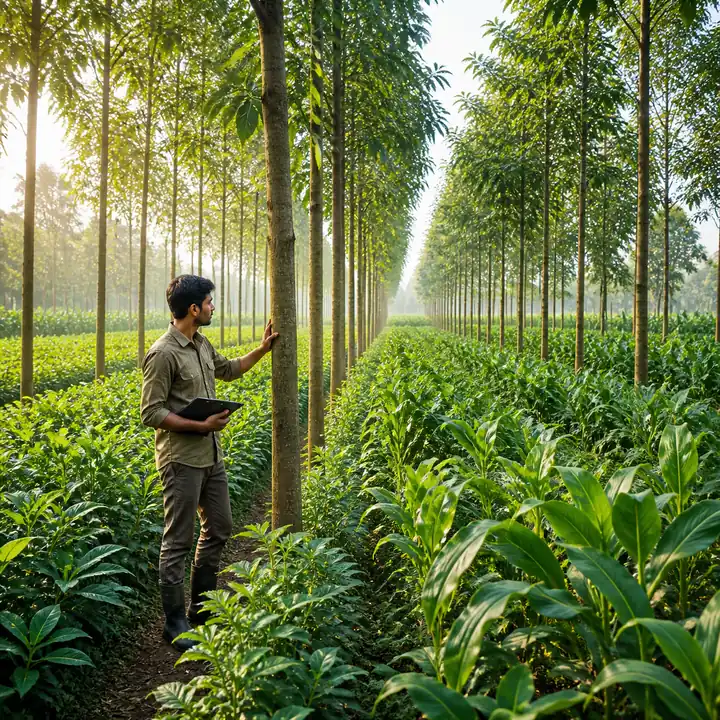
ICAR JRF Forestry, Agroforestry & Silviculture — Syllabus Guide
ICAR JRF Forestry/Agroforestry & Silviculture (Code 09) — forest production, silviculture, agroforestry, forest resource management, and forest biology.
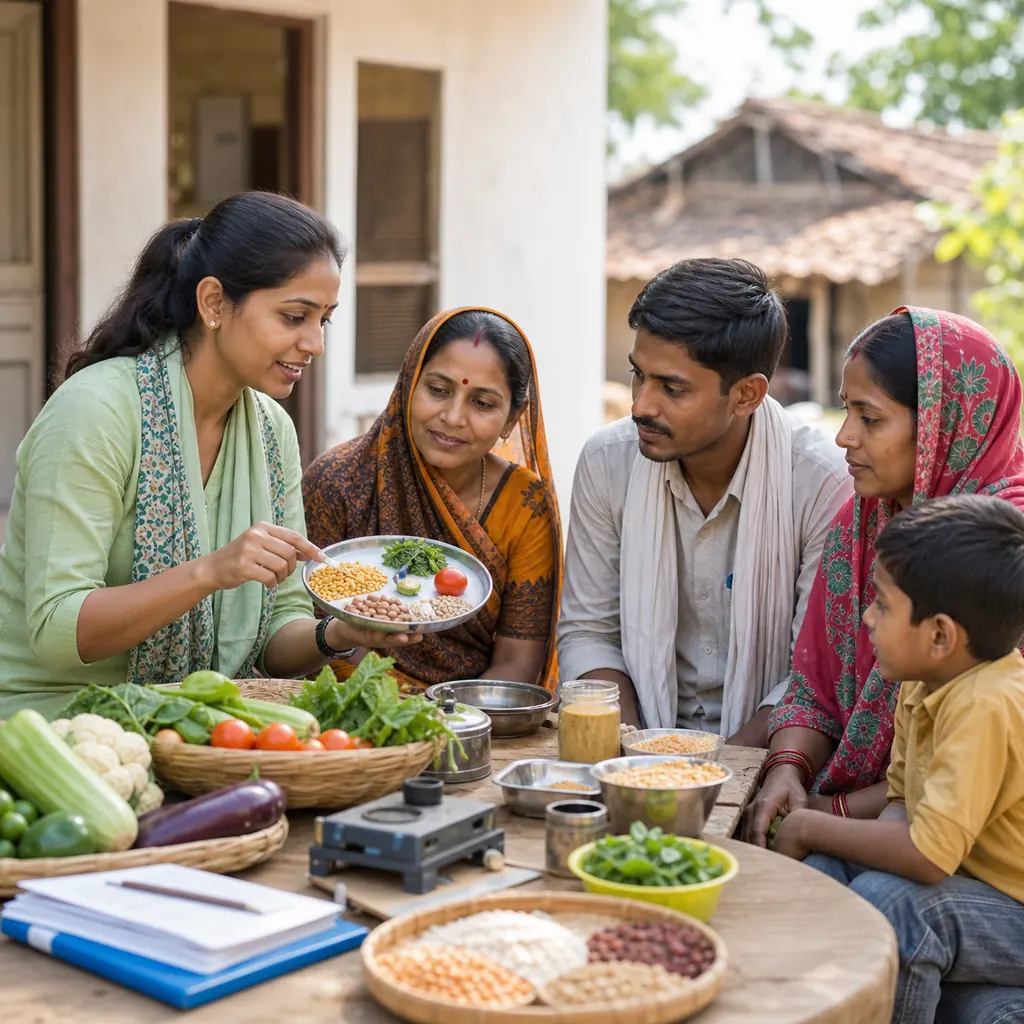
ICAR JRF Community Science — Syllabus Guide
ICAR JRF Community Science (Code 11) — food and nutrition, human development, resource management, textiles, and extension education.

ICAR JRF Animal Biotechnology — Syllabus Guide
ICAR JRF Animal Biotechnology (Code 12) — veterinary biotechnology and veterinary biochemistry.
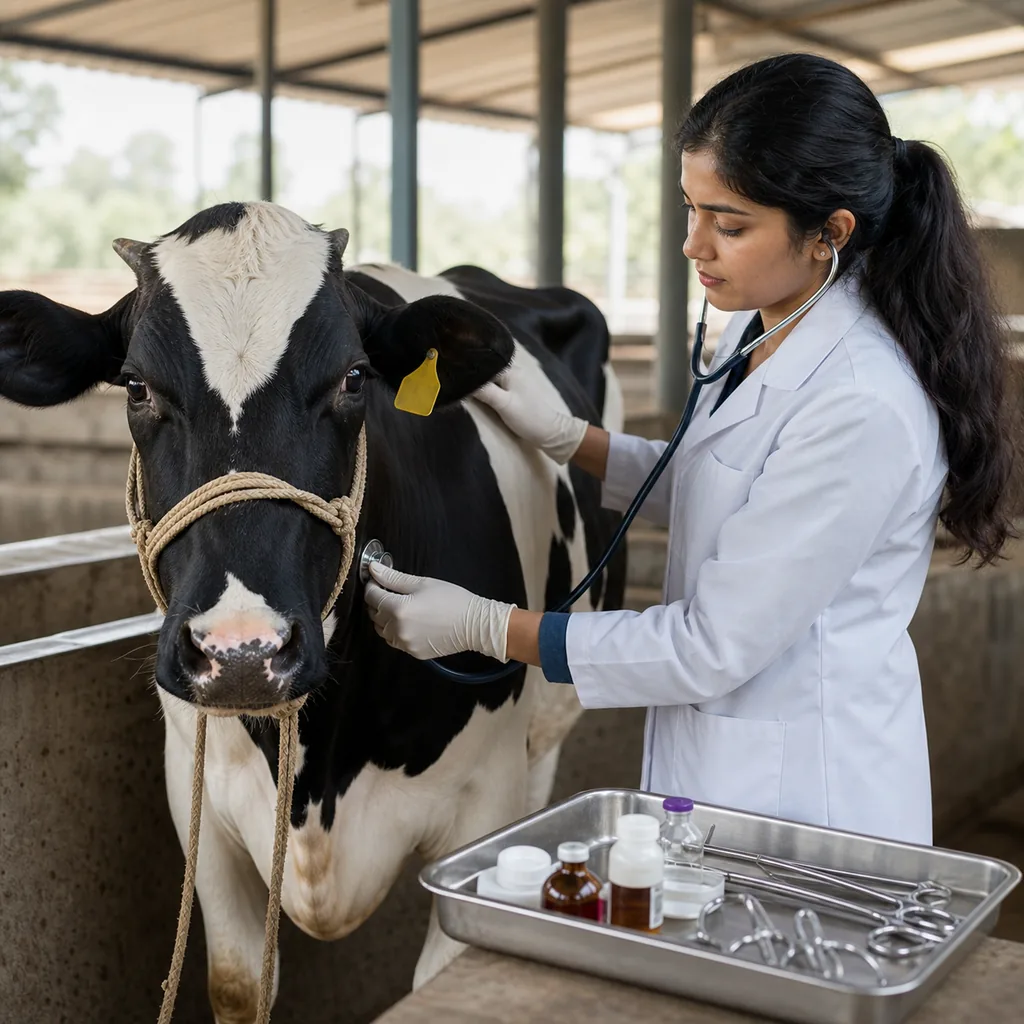
ICAR JRF Veterinary Science — Syllabus Guide
ICAR JRF Veterinary Science (Code 13) — anatomy, reproduction, medicine, parasitology, pharmacology, pathology, microbiology, surgery, and public health.
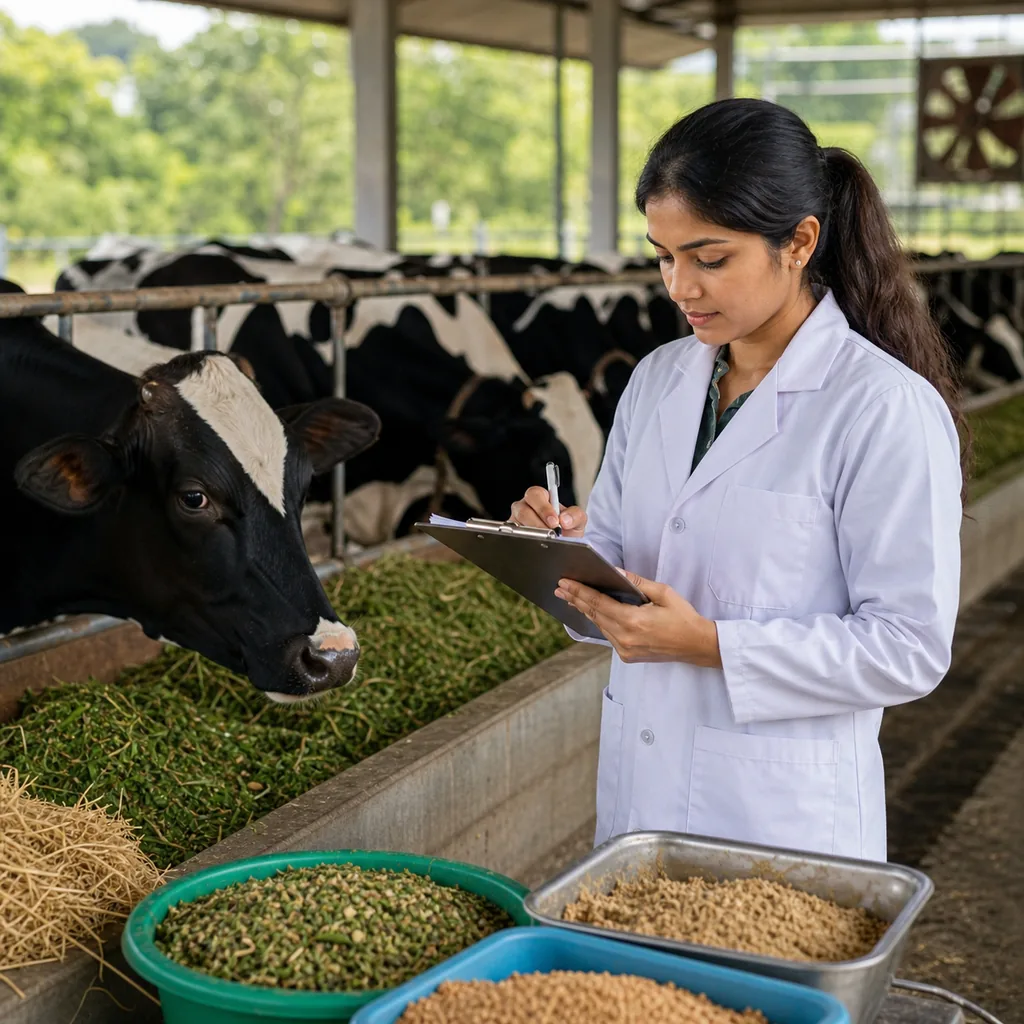
ICAR JRF Animal Sciences — Syllabus Guide
ICAR JRF Animal Sciences (Code 14) — genetics and breeding, nutrition, physiology, livestock production, products technology, poultry science, and extension education.
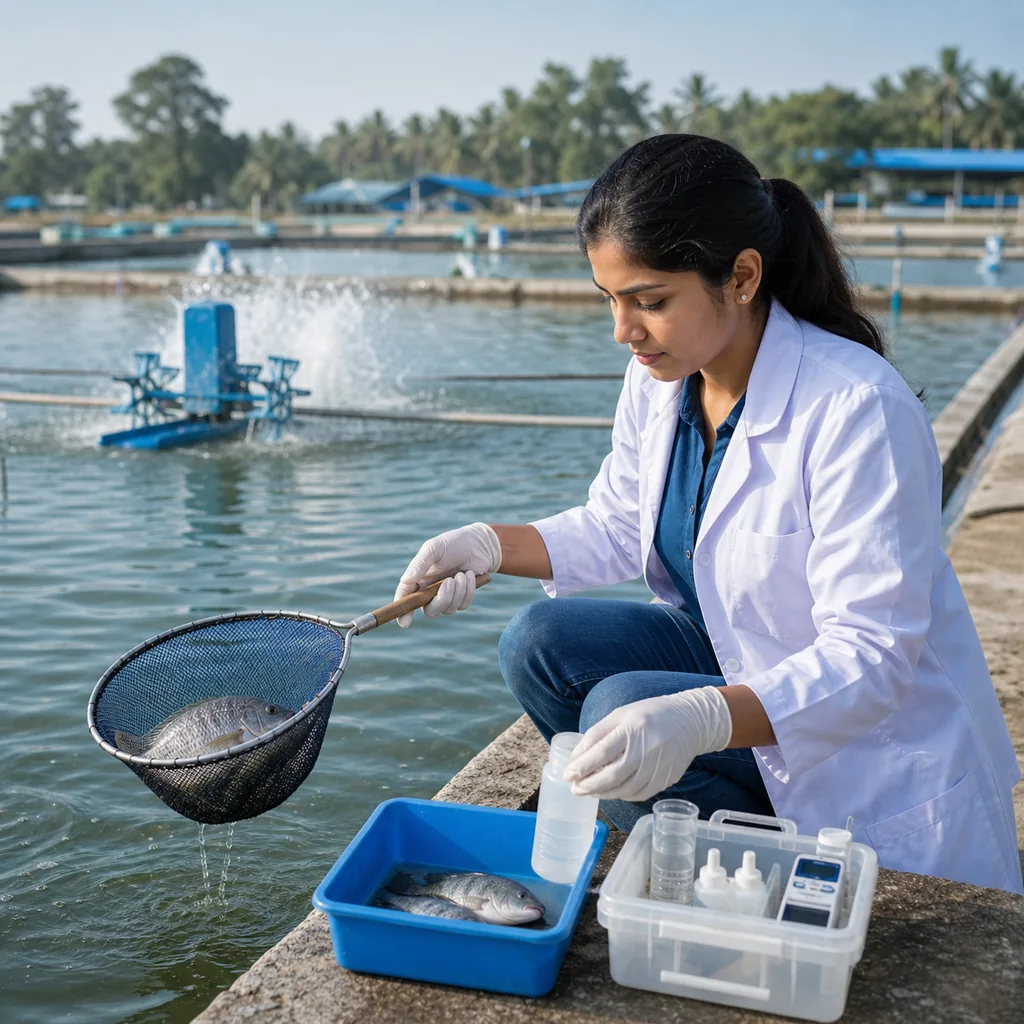
ICAR JRF Fisheries Science — Syllabus Guide
ICAR JRF Fisheries Science (Code 15) — resource management, aquaculture, fish processing, fish physiology, aquatic health, extension, economics, and engineering.
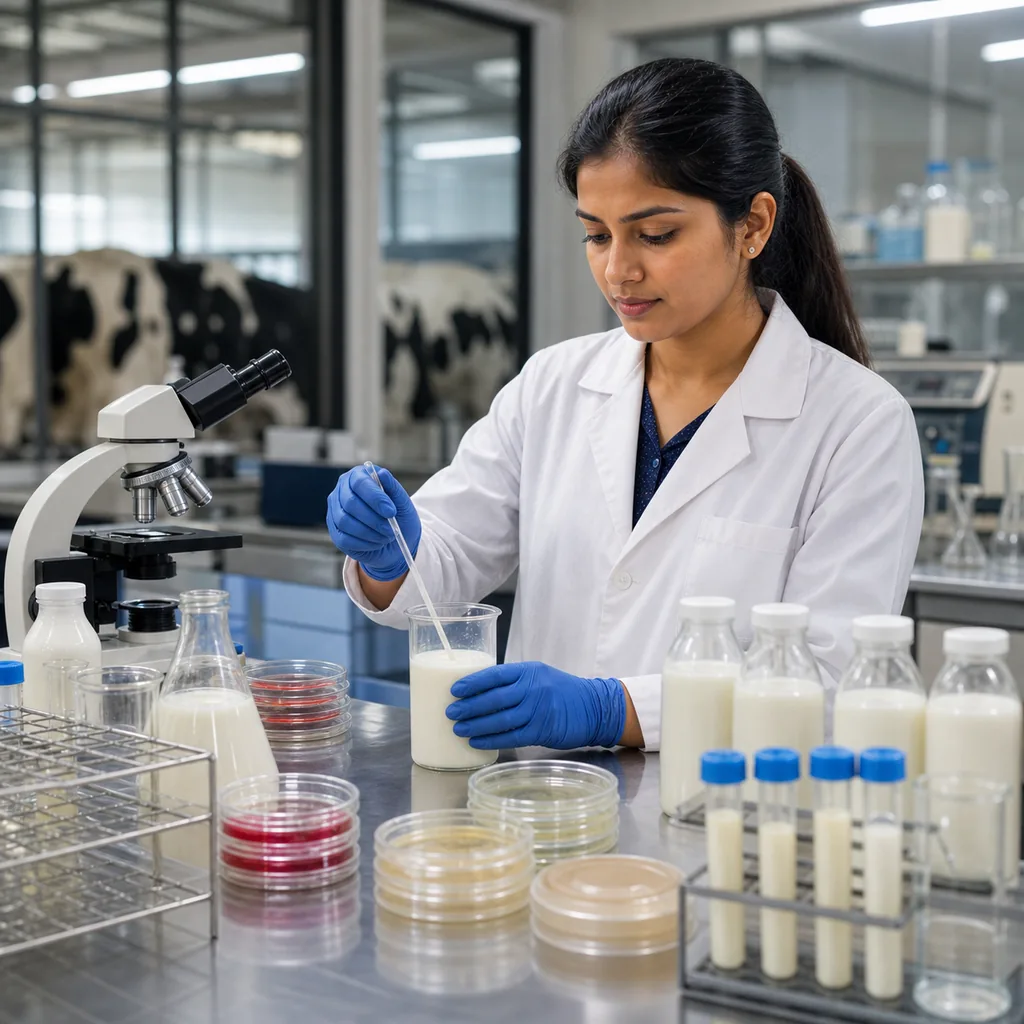
ICAR JRF Dairy Science — Syllabus Guide
ICAR JRF Dairy Science (Code 16) — dairy microbiology and dairy chemistry.
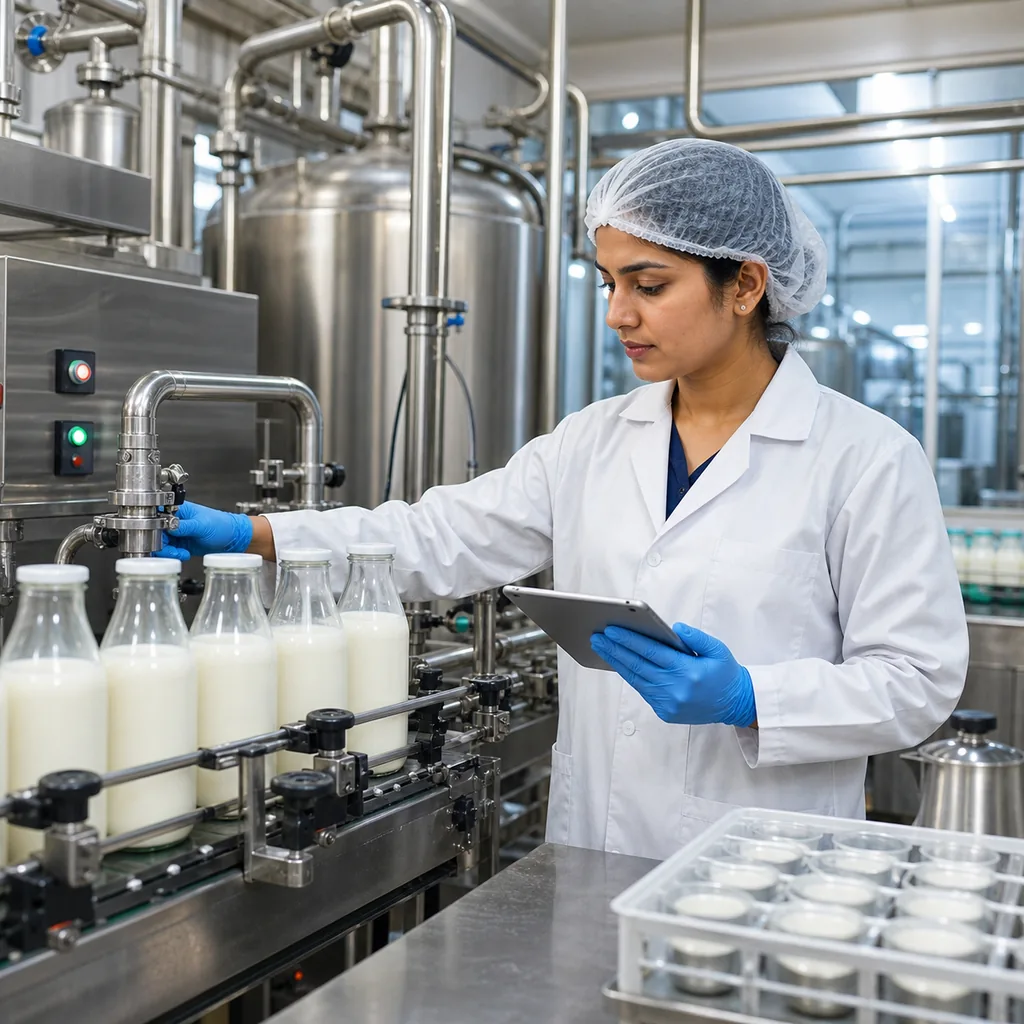
ICAR JRF Dairy Technology — Syllabus Guide
ICAR JRF Dairy Technology (Code 17) — dairy technology and dairy engineering.
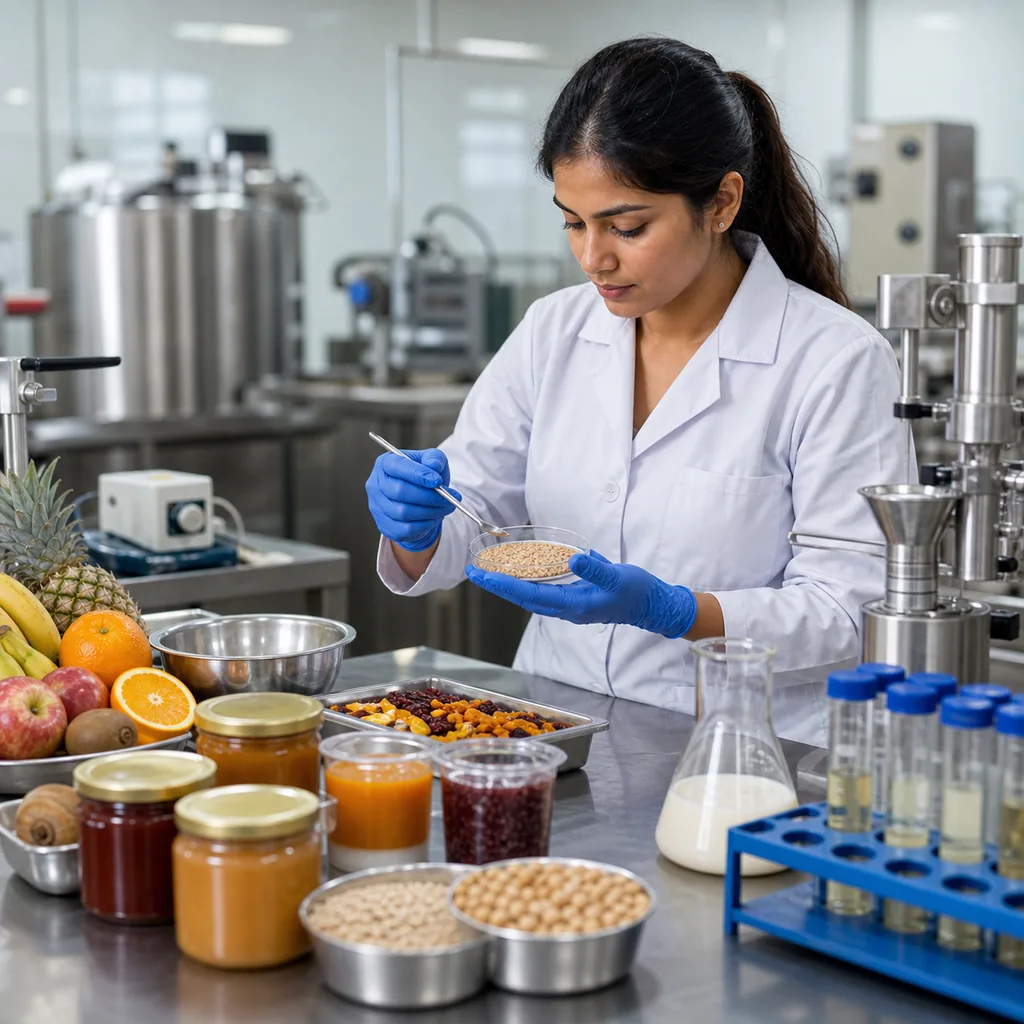
ICAR JRF Food Science Technology — Syllabus Guide
ICAR JRF Food Science Technology (Code 18) — food processing technology, food process engineering, and food safety and quality.

ICAR JRF Agri-Business Management — Syllabus Guide
ICAR JRF Agri-Business Management (Code 19) — agribusiness, quantitative ability, communicative ability, data interpretation, logical reasoning, and managerial economics.
ICAR JRF Water Science and Technology — Syllabus Guide
ICAR JRF Water Science and Technology (Code 20) — water resources, rainfall-runoff, watershed management, soil-water relations, and engineering basics.
ICAR JRF — Complete Preparation Guide
This course is the AgriDots preparation hub for the ICAR subject-group exams used by agriculture PG/JRF aspirants. For the latest official cycle, NTA is conducting ICAR AIEEA (PG) 2026-27 for postgraduate admission and AICE JRF/SRF (Ph.D.) 2026-27 for doctoral admission/fellowship.
About ICAR JRF
| Feature | Details |
|---|---|
| Current Official Cycle | Academic Session 2026-27 |
| Conducted By | National Testing Agency (NTA) on behalf of ICAR |
| Exams Covered in Official Notice | AIEEA (PG) and AICE JRF/SRF (Ph.D.) |
| Exam Mode | CBT (Computer Based Test) |
| Questions | 120 MCQs |
| Duration | 2 hours (120 minutes) |
| Negative Marking | Yes (1/3 mark deducted) |
| Medium | English only |
Latest Official Notification Details
| Parameter | 2026-27 Official Detail |
|---|---|
| Notice Date | 08 May 2026 |
| Application Window | 08 May 2026 to 10 June 2026 |
| Fee Payment Deadline | 10 June 2026 |
| Correction Window | 09 June to 10 June 2026 |
| Exam Date | 04 July 2026 |
| Exam Pattern | Objective type multiple choice questions |
| Source | NTA ICAR Portal · Official Public Notice PDF · Extension Notice dated 07 June 2026 |
This course currently includes all 20 subject categories listed in JRF.pdf for subject-group preparation.
Subject Groups Covered
| Code | Subject Group | Sub-Subjects |
|---|---|---|
| 01 | Plant Biotechnology | Plant Biochemistry, Molecular Biology, Crop Physiology |
| 02 | Plant Sciences | Plant Breeding, Plant Pathology, Microbiology, Seed Science |
| 03 | Physical Science | Soil Science, Agri Meteorology, Agri Physics, Organic Farming |
| 04 | Entomology & Nematology | Entomology, Nematology, Sericulture |
| 05 | Agronomy | Agronomy |
| 06 | Social Sciences | Agricultural Economics, Extension Education |
| 07 | Statistical Sciences | Agricultural Statistics, Computer Application, Bioinformatics |
| 08 | Horticulture | Vegetable Science, Fruit Science, Floriculture, Post-Harvest |
| 09 | Forestry/Agroforestry & Silviculture | Forest Production, Silviculture & Agroforestry, Forest Resource Management, Forest Biology |
| 10 | Agricultural Engineering | Soil & Water Conservation, Irrigation, Farm Machinery, Food Engineering |
| 11 | Community Science | Food & Nutrition, Human Development, Resource Management, Textiles, Extension |
| 12 | Animal Biotechnology | Veterinary Biotechnology, Veterinary Biochemistry |
| 13 | Veterinary Science | Anatomy, Reproduction, Medicine, Parasitology, Pharmacology, Surgery |
| 14 | Animal Sciences | Genetics & Breeding, Nutrition, Physiology, Livestock Production |
| 15 | Fisheries Science | Resource Management, Aquaculture, Fish Processing, Health, Economics |
| 16 | Dairy Science | Dairy Microbiology, Dairy Chemistry |
| 17 | Dairy Technology | Dairy Technology, Dairy Engineering |
| 18 | Food Science Technology | Food Processing Technology, Process Engineering, Food Safety & Quality |
| 19 | Agri-Business Management | Agribusiness, Quantitative Ability, Data Interpretation, Managerial Economics |
| 20 | Water Science and Technology | Water Resources, Soil-Water Relations, Irrigation, Engineering Basics |
General Agriculture Layer For All JRF Aspirants
Across the JRF subject groups, a large part of the real preparation advantage comes from building one shared agriculture layer. In the plant- and agriculture-heavy papers, that common layer is explicit in the official syllabus. In the other allied papers, it still improves elimination power, current-affairs readiness, and interview-stage breadth.
Recommended common books:
- Fundamentals of Agriculture, Vol. 1 & 2 — Arun Katyayan
- A Competitive Book of Agriculture — Nem Raj Sunda
- Objective Agriculture for JRF Exam — S. R. Kantwa
- General Agriculture for ICAR Examinations — Muniraj Singh Rathore
Use AgriDots more efficiently than books alone:
- Start with the Shared Agriculture Course to cover overlapping theory once instead of repeating the same basics from multiple subject books.
- Use Topic-Wise Agriculture Practice Tests for chapter-by-chapter MCQ revision.
- Use Agriculture Test Series for mixed-subject Revision Warrior practice.
- Use the Agriculture Current Affairs Hub to stay ahead on schemes, MSP, fertilizer policy, production reports, dairy/fisheries updates, and other moving agriculture topics.
Books are still necessary for depth. AgriDots is better for speed, overlap reduction, current updates, and exam-style revision flow.
What's In This Course
Each subject section contains:
- About Exam — unit-wise syllabus, key topics, preparation tips
- Previous Year Papers — available in selected subject groups where extraction has already been completed
Frequently Asked Questions
What is ICAR JRF 2026?
ICAR JRF 2026 refers to the current ICAR entrance preparation cycle for the 2026-27 academic session, with NTA conducting the official ICAR examinations on behalf of ICAR.
What is the ICAR JRF exam?
The ICAR JRF exam commonly refers to the subject-group based preparation path for the ICAR doctoral entrance and fellowship route covered under AICE JRF/SRF (Ph.D.).
How should I prepare for ICAR JRF 2026?
Choose the correct subject group first, finish the official syllabus topic by topic, use one shared agriculture layer for overlapping concepts, and then revise with previous year papers and mixed mock practice.
How can I crack the ICAR JRF exam?
Most strong performers combine subject-depth study with repeated revision, PYQ analysis, and exam-speed practice. The safest approach is to cover the exact syllabus first, then solve previous year papers, and finally strengthen weak units with targeted revision.
Which subject is best for ICAR JRF?
There is no universal best subject. The best ICAR JRF subject is usually the one that matches your graduation or master's background, because depth, recall speed, and conceptual confidence matter more than chasing a supposedly easy subject.
Where can I find ICAR JRF previous year question papers?
AgriDots keeps previous year question paper coverage inside the relevant subject sections. Selected subject groups already include solved previous year papers, and more are added subject by subject instead of forcing all streams into one mixed page.
Is there an ICAR JRF question paper with answer PDF?
What students usually want is a solved previous year paper or answer-supported paper set. On AgriDots, that content is placed subject-wise so the answers stay tied to the correct syllabus stream instead of mixing unrelated papers.
Where can I check the ICAR JRF answer key 2026?
The official answer key should be tracked on the NTA ICAR portal after the exam. AgriDots can also map subject-wise solved papers and answer-supported revision content once the cycle material is available.
Where can I check ICAR JRF syllabus 2026?
Use the main ICAR JRF course to choose your subject group first, then open the syllabus page inside that subject stream. The root syllabus map is available in the about-exam section.
Does AgriDots separate ICAR JRF general exam information from subject preparation?
Yes. The about-exam section covers notification, dates, pattern, application, counselling, and official process queries, while each subject page focuses on its own syllabus, topic map, and previous year preparation.
Is ICAR JRF the same as ICAR PG?
No. Students often mix these together because both are released in the same NTA cycle. AIEEA (PG) is for postgraduate admission, while AICE JRF/SRF (Ph.D.) is for doctoral admission and the fellowship route. Your target degree level decides which exam matters more.
Can a student with a 3-year bachelor's degree apply for ICAR PG?
Candidates should be very careful here. ICAR counselling rules have long treated 3-year bachelor's degree holders as generally ineligible for AIEEA (PG) admission through the main counselling route, except in limited cases where a specific institution's alternate eligibility rule applies. Students must read the current counselling brochure of their target stream before assuming they are eligible.
Does ICAR JRF counselling have a registration fee?
Yes. The ICAR counselling portal's refund policy for the 2026-27 cycle states that candidates are charged a one-time counselling registration fee of Rs. 500, and that amount is non-refundable.
Was the ICAR 2026 application last date extended?
Yes. NTA first opened the 2026 application window up to 07 June 2026, then issued a public notice on 07 June 2026 extending the application deadline to 10 June 2026. If you are checking old videos or posts, verify the latest official notice date before trusting the deadline.
What should I do after the ICAR JRF result?
After the result, the next serious step is counselling readiness. Keep your scorecard, degree and category documents, and subject eligibility proof ready, then track the official ICAR counselling portal for registration, choice filling, seat details, and schedule notices.
How should I choose my ICAR JRF subject group?
The safest choice is the subject group that matches your strongest academic base, not the one people casually call easiest. Your graduation or master's background, recall speed, available notes, and previous-year familiarity matter much more than trend-based advice.