Plant Pathology
Plant disease symptoms, disease triangle, major fungal, bacterial and viral diseases of crops, disease forecasting, integrated disease management, chemical, biological and cultural control methods.
Course Structure
What's Inside
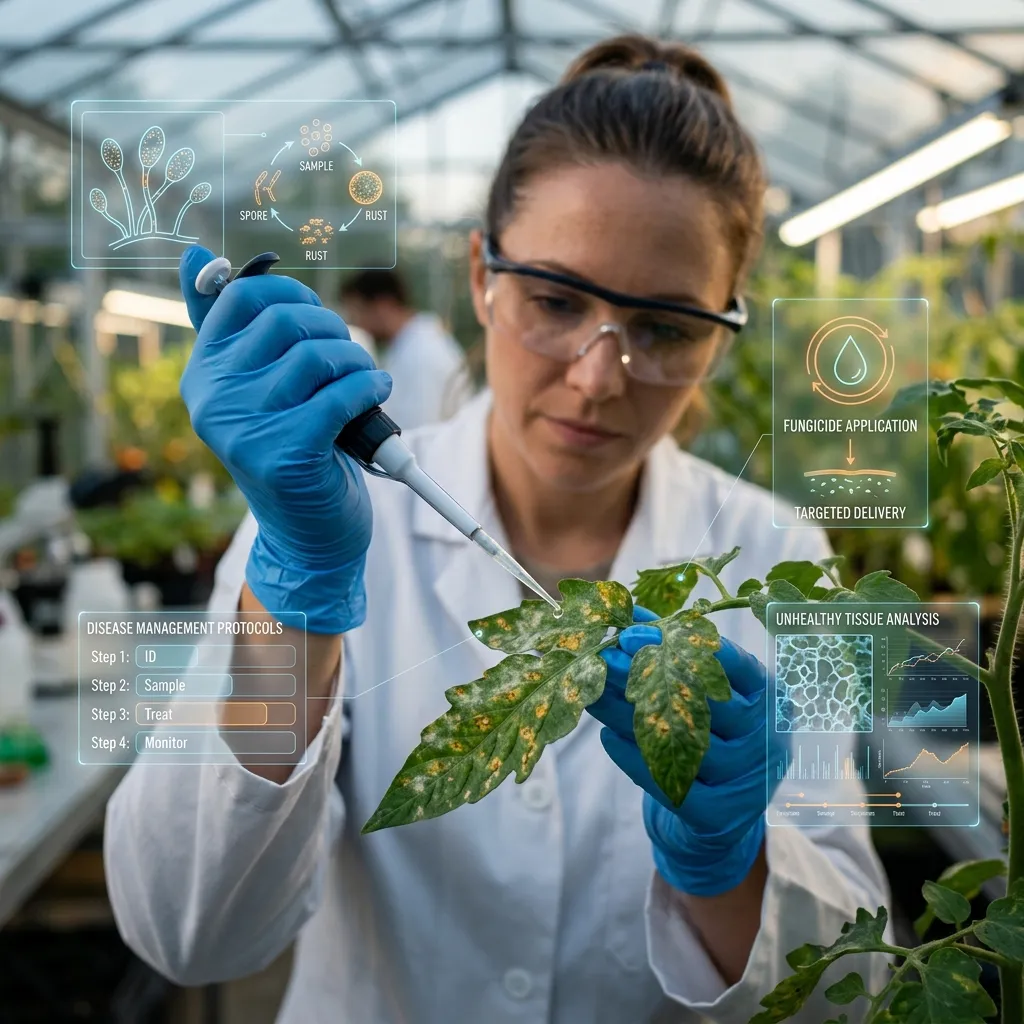

Plant Diseases 🦠
Historical development, fungicides, disease management, and important plant diseases for competitive exams.
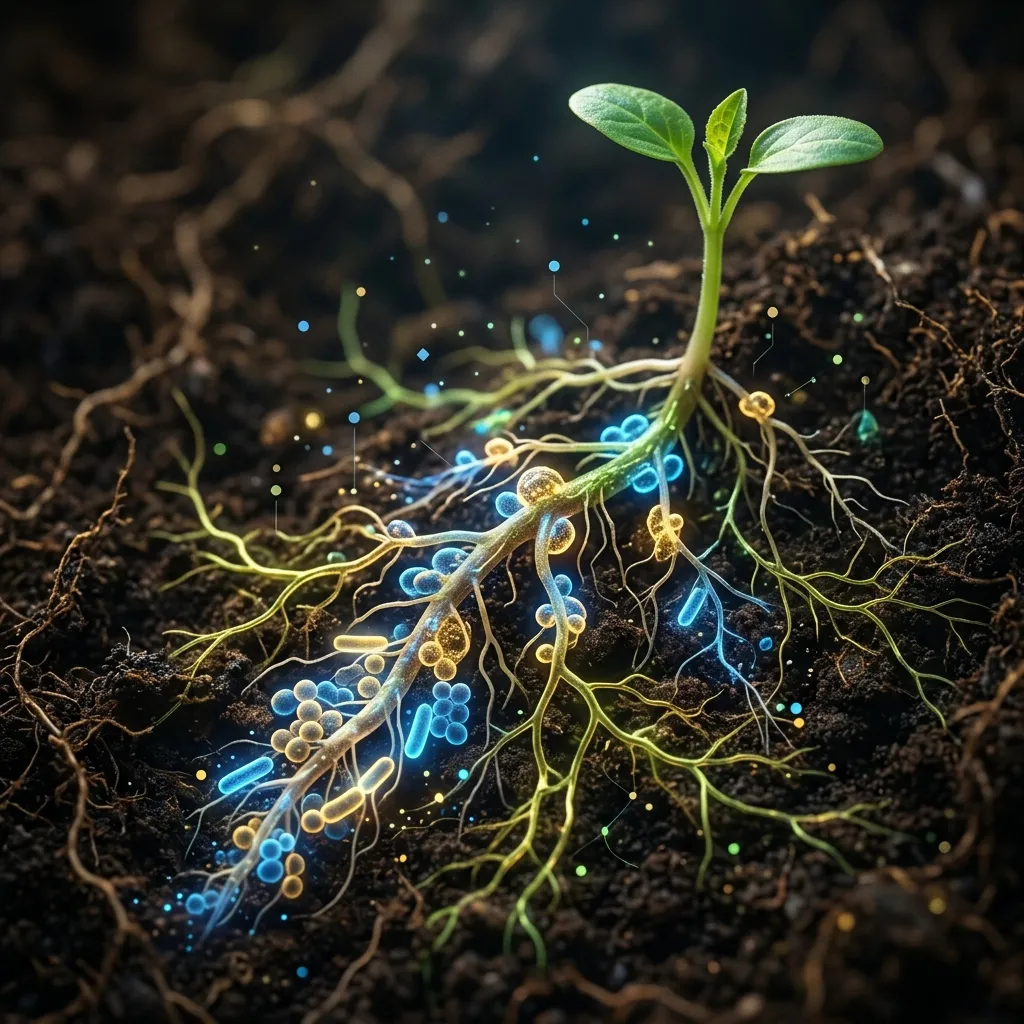
Microbiology 🔬
Study of microorganisms — bacteria, fungi, algae, viruses, mycoplasma, enzymes, and nitrogen fixation for competitive exams.
What is Plant Pathology?
Plant Pathology is the scientific study of plant diseases — the organisms and conditions that cause them, how they spread, and how they can be controlled to protect crop productivity. It encompasses the full range of plant pathogens: fungi, bacteria, viruses, nematodes, phytoplasmas, and abiotic disorders — plus the ecological and biochemical principles that govern disease development in crops.
For students preparing for agriculture exams, plant pathology is a high-stakes subject. Questions appear consistently in IBPS AFO (disease identification, causal organisms, control methods), NABARD Grade A (integrated disease management, biocontrol), and ICAR JRF/SRF (deep mechanistic questions on plant-pathogen interactions, Koch's postulates, disease forecasting). The ability to match a disease name to its causal organism, the correct plant host, and the appropriate fungicide is a direct scoring skill.
This course has two sub-courses — Plant Diseases and Microbiology — covering 14 lessons total plus 2 practice tests.
Course Structure
| Sub-course | Section | Topics | Lessons |
|---|---|---|---|
| Plant Diseases | 01 Principles | Historical background, disease control methods, disease management, disease classification | 4 |
| Plant Diseases | 01 Crop Diseases | Cereal and fibre crop diseases, sugarcane and tobacco diseases, oilseed and pulse diseases, fruit crop diseases, vegetable crop diseases, nematode diseases | 6 |
| Plant Diseases | 02 Practice | Exam-style MCQs | 1 |
| Microbiology | 01 Micro | Introduction to microbiology, bacteria, fungi/algae/viruses, nitrogen fixation and enzymes | 4 |
| Microbiology | 02 Practice | Exam-style MCQs | 1 |
Key Facts and Numbers
| Disease | Causal Organism | Host |
|---|---|---|
| Rice blast | Magnaporthe oryzae | Rice |
| Brown spot of rice | Bipolaris oryzae | Rice |
| Bacterial blight of rice | Xanthomonas oryzae pv. oryzae | Rice |
| Rice tungro | Tungro virus (RTSV + RTBV) — leafhopper vector | Rice |
| Stem rust of wheat | Puccinia graminis f. sp. tritici | Wheat |
| Yellow rust of wheat | Puccinia striiformis | Wheat |
| Loose smut of wheat | Ustilago tritici | Wheat |
| Late blight of potato | Phytophthora infestans | Potato |
| Early blight of potato | Alternaria solani | Potato |
| Tikka disease of groundnut | Cercospora arachidicola | Groundnut |
| Wilt of chickpea | Fusarium oxysporum | Chickpea |
| Citrus canker | Xanthomonas axonopodis | Citrus |
| Crown gall | Agrobacterium tumefaciens | Many crops |
| Contact fungicides | Mancozeb, Cu-oxychloride, Captan | — |
| Systemic fungicides | Carbendazim, Propiconazole, Hexaconazole | — |
| Trichoderma — controls | Fusarium, Rhizoctonia, Sclerotium (soil-borne) | — |
| Pseudomonas fluorescens — produces | 2,4-DAPG, pyocyanin (antibiotics) | — |
| Koch's Postulates — year | 1876 (Robert Koch) | — |
Who Should Study This Course?
- IBPS AFO — General Agriculture (disease identification, causal organisms, fungicide types — consistent 3–5 questions per exam)
- NABARD Grade A — Agriculture paper (IDM, biocontrol agents, disease forecasting)
- ICAR JRF/SRF — Plant Pathology discipline (comprehensive coverage required)
- Pre-PG Entrance — IARI, BHU, ANGRAU, TNAU and other SAU entrance exams
- State PSC Agriculture Officer exams — regional crop disease profiles
- exams (Agriculture) — biology-based crop protection questions
Frequently Asked Questions
What are Koch's Postulates? Koch's Postulates (1876) establish that a specific microorganism causes a specific disease through four steps: (1) the suspect pathogen is present in all diseased plants; (2) it is isolated and grown in pure culture; (3) inoculation of the pure culture into a healthy host reproduces the disease; (4) the same pathogen is re-isolated from the experimental host. These are the gold standard for proving pathogen-disease relationships and are directly tested in exams.
What is the disease triangle? Disease occurs only when three conditions overlap: a susceptible host, a virulent pathogen, and a favorable environment. Remove any one factor and disease does not develop — this is the basis of Integrated Disease Management (IDM). Resistant varieties target the host; fungicides/biocontrol target the pathogen; cultural practices (row spacing, irrigation timing, crop rotation) target the environment.
What are the most important crop diseases to know for exams? The highest-frequency diseases: Rice blast (Magnaporthe oryzae), Bacterial blight of rice (Xanthomonas oryzae), Wheat rusts (stem, leaf, stripe — Puccinia spp.), Late blight of potato (Phytophthora infestans), Loose smut of wheat (Ustilago tritici), Tikka disease of groundnut (Cercospora), Wilt of chickpea (Fusarium oxysporum). Know: causal organism, disease symptoms, and control method.
What is the difference between contact and systemic fungicides? Contact fungicides protect plant surfaces from new infections — they cannot cure existing ones. They must be applied preventively. Examples: Mancozeb, Copper oxychloride. Systemic fungicides are absorbed into plant tissue, translocate, and can cure established infections. Examples: Carbendazim, Propiconazole, Hexaconazole. Systemic fungicides are more effective but carry higher resistance risk.
What are Trichoderma and Pseudomonas fluorescens used for? Trichoderma viride and T. harzianum are mycoparasites — they attack and kill soil-borne fungal pathogens including Fusarium, Rhizoctonia, and Sclerotium. Applied as seed treatment or soil drench. Pseudomonas fluorescens produces antibiotics (2,4-DAPG, pyocyanin) that suppress bacterial and fungal pathogens and also promotes plant growth. Both are widely used in organic and INM-based crop production.
Frequently Asked Questions
What are Koch's Postulates and why are they important?
Koch's Postulates (1876) are four criteria to establish that a specific microorganism causes a specific disease: (1) The suspected pathogen must be found in all diseased plants; (2) The pathogen must be isolated and grown in pure culture; (3) The pure culture must produce the same disease when inoculated into a healthy host; (4) The same pathogen must be re-isolated from the experimentally infected plant and match the original. These postulates are the foundation of plant pathology and are directly tested in exams and exams.
What is the disease triangle and what does each corner represent?
The disease triangle is the fundamental concept in plant pathology: disease occurs only when three factors overlap — a susceptible Host, a virulent Pathogen, and a favorable Environment. Remove any one corner and disease does not occur. Disease management strategies target each corner: resistant varieties (host), pesticide/biocontrol (pathogen), and cultural practices/season adjustment (environment). Some add a fourth factor — Time — making it a disease tetrahedron.
What are the most important fungal diseases for exams?
Key fungal diseases: Rice blast (Magnaporthe oryzae) — most devastating rice disease worldwide. Wheat rust — three types: stem rust (Puccinia graminis), leaf rust (P. recondita), yellow/stripe rust (P. striiformis). Loose smut of wheat (Ustilago tritici). Brown spot of rice (Bipolaris oryzae). Late blight of potato (Phytophthora infestans) — caused the Irish Potato Famine (1845). Tikka disease of groundnut (Cercospora). Powdery mildews (Erysiphe spp.) on peas, wheat.
What is the difference between contact and systemic fungicides?
Contact fungicides (protectants) remain on the plant surface and protect against new infections — they must be applied before infection. Examples: Mancozeb, Copper oxychloride, Ziram, Captan. Systemic fungicides (curatives) are absorbed by the plant, translocate within tissues, and can cure established infections. Examples: Carbendazim, Propiconazole, Hexaconazole, Tebuconazole. Exam tip: systemic fungicides can cause resistance buildup faster than contact fungicides.
What are the key biocontrol agents for plant diseases?
The most exam-tested biocontrol agents: Trichoderma viride and T. harzianum — mycoparasites used against soil-borne fungal pathogens (Fusarium, Rhizoctonia, Sclerotium). Pseudomonas fluorescens — produces antibiotics (2,4-DAPG, pyocyanin) against bacterial and fungal pathogens, also promotes plant growth. Bacillus subtilis — produces iturin and surfactin against fungal diseases. Beauveria bassiana — entomopathogenic fungus against insects. These are used in seed treatment and soil application.
Which diseases are caused by bacteria vs viruses vs fungi vs nematodes?
Fungal: blast, rust, smut, blight, wilt (Fusarium), late blight. Bacterial: Bacterial blight of rice (Xanthomonas oryzae pv. oryzae), Citrus canker (X. axonopodis), Crown gall (Agrobacterium tumefaciens), Bacterial wilt of solanaceous crops (Ralstonia solanacearum). Viral: Rice tungro (transmitted by green leafhopper), Tobacco mosaic virus (TMV), Potato leaf roll virus (PLRV), Papaya ring spot virus, Tomato yellow leaf curl virus (TYLCV). Nematode: Root-knot nematode (Meloidogyne spp.), Cyst nematode (Heterodera spp.).