🪳 Order Dictyoptera and Mantidae
Key characters and important families of Dictyoptera including mantids and cockroaches.
Dictyoptera includes two familiar but very different insect groups: cockroaches and praying mantids. They share broad order-level characters such as tegmina and ootheca formation, but they differ strongly in body form, feeding habit, and agricultural importance.
Meaning and General Characters of Dictyoptera
Dictyoptera has also been referred to by older names such as Oothecaria and Blattiformia.
- Dictyon means network
- ptera means wings
Common representatives are cockroaches and praying mantids.
General characters of the order:
- head usually hypognathous
- antennae filiform
- mouthparts chewing type
- tarsi five-segmented
- forewings leathery and somewhat thickened, called tegmina
- hindwings broad, membranous, and folded fan-like below the forewings
- cerci short and many-segmented
- eggs enclosed in an ootheca
Major Division of the Order
Dictyoptera is divided into two important groups:
- Blattaria - cockroaches
- Mantodea - praying mantids
The two emphasized families here are:
- Blattidae
- Mantidae
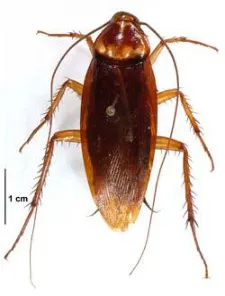
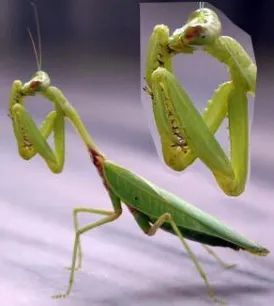
Blattidae and Mantidae Compared
| Character | Blattidae | Mantidae |
|---|---|---|
| Head movement | Not freely mobile in all directions | Freely mobile in all directions |
| Head position | Hidden by pronotum | Pronotum does not cover head |
| Ocelli region | Two fenestrae occur in place of ocelli | Three ocelli present |
| Pronotum | Shield-like | Elongated |
| Legs | Cursorial and adapted for running | Forelegs raptorial; middle and hind legs mainly for walking |
| Gizzard | Strongly armed with chitinous teeth | Chitinous teeth absent |
| Mating behavior | Female does not devour male | Female may devour male |
| Ootheca | Chitinous egg case | Eggs enclosed in foamy ootheca that later solidifies |
| Nymphal habit | Not cannibalistic | Cannibalistic tendency present |
| Mimicry | Usually absent | Leaf and flower mimicry common |
| Feeding habit | Omnivorous | Carnivorous |
| Habitat | Houses, dead wood, litter, sheltered places | Mostly outdoor habitats |
| Economic importance | Harmful through contamination of food, clothes, and paper | Beneficial predators of moths, flies, grasshoppers, and caterpillars |
| Example species | Periplaneta americana | Mantis religiosa |
Summary Cheat Sheet
- Dictyoptera includes cockroaches and praying mantids.
- Important order characters are chewing mouthparts, filiform antennae, tegmina, membranous hindwings, short cerci, and ootheca formation.
- The two major groups covered here are Blattaria and Mantodea.
- Blattidae are typically running, omnivorous, household-associated insects and are usually harmful.
- Mantidae have raptorial forelegs, mobile heads, carnivorous habit, and are generally beneficial predators.
- Example species are Periplaneta americana in Blattidae and Mantis religiosa in Mantidae.
References
2 sources • [1] [2]
References
[1]
Fundamentals of Entomology
[2]
Insect Morphology and Systematics
Lesson Doubts
Ask questions, get expert answers