🐞 Order Coleoptera and Coccinellidae
Systematic characters of beetles with focus on useful and pest-related coleopteran families.
Coleoptera is the largest insect order and includes an enormous range of forms, from predatory tiger beetles and ladybird beetles to storage pests, root feeders, wood borers, dung beetles, and weevils. The order is easiest to recognize by the hardened forewings called elytra, which protect the folded hindwings and abdomen.
Meaning and General Characters of Coleoptera
Coleoptera has also been referred to by the older name Elytroptera.
- coleo means sheath
- ptera means wings
- common representatives are beetles and weevils
Important characters:
- body size ranges from minute to large
- antennae usually 11-segmented
- mouthparts chewing type
- mandibles short and often blunt-toothed on mesal surface
- forewings modified into hard elytra
- hindwings membranous and folded beneath elytra
- pronotum well developed
- larvae highly variable but often campodeiform, scarabaeiform, or grub-like
- metamorphosis complete
Major Division of the Order
Coleoptera is divided into two suborders:
- Adephaga - devourers
- Polyphaga - eaters of many things
Families such as Cicindelidae, Carabidae, and Dytiscidae are placed in Adephaga, while many remaining important agricultural families come under Polyphaga.
Families of Predators
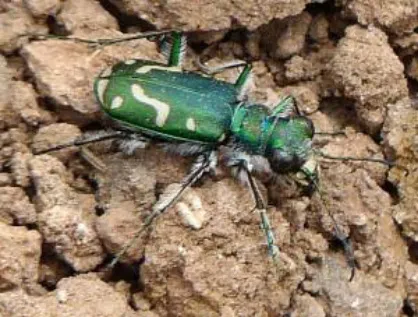
Cicindelidae
- tiger beetles
- head often wider than prothorax
- eyes large and vision keen
- mandibles sharply pointed and sickle-shaped
- active predators
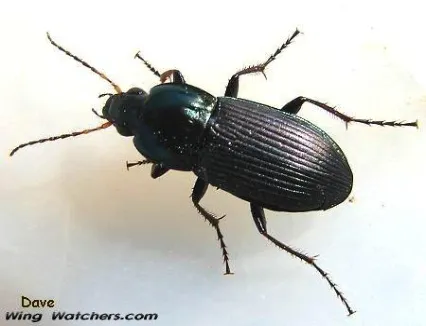
Carabidae
- ground beetles
- adults often black or brightly spotted
- some species flightless due to fused elytra
- legs adapted for running
- larvae with strong mandibles and terminal urogomphi
- adults and larvae both predatory
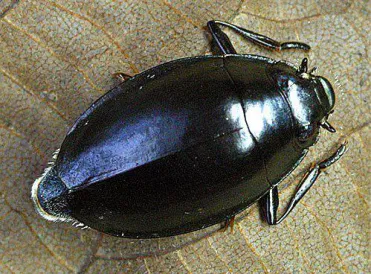
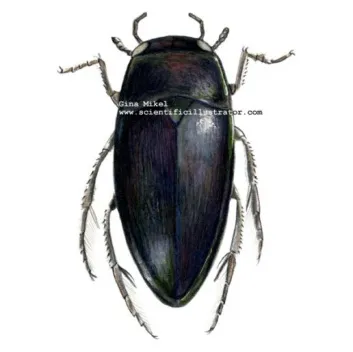
Dytiscidae
- predaceous diving beetles
- body smooth, oval, and compact
- aquatic predatory habit
Gyrinidae
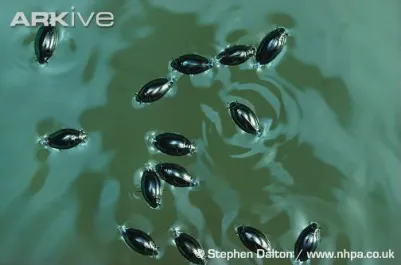
- whirligig beetles
- swim in gyrating paths on water surface
- eyes divided into upper and lower portions, giving the appearance of two pairs
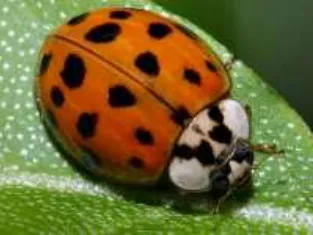
Coccinellidae
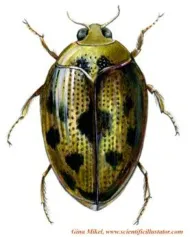
- ladybird beetles
- hemispherical body, convex above and flat below
- head small and bent downward
- many species predatory on aphids, scales, and other soft-bodied insects
- one of the most useful beetle families in biological control
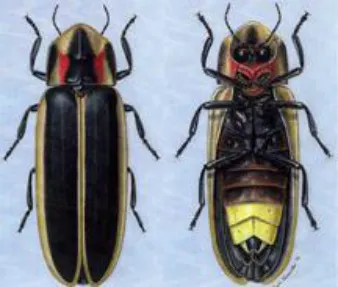
Lampyridae
- fireflies or glowworms
- marked sexual dimorphism
- many species bioluminescent
Families of Scavengers
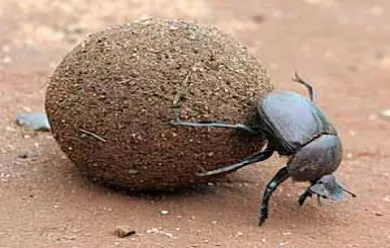
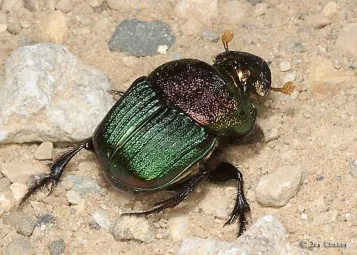
Scarabaeidae
- scarabs or dung beetles
- head broad and flat
- many species with horns or spines
- forelegs fossorial
- many species associated with dung, decaying matter, or roots
Hydrophilidae
- water scavenger beetles
- body convex above and flattened below
- antennae clubbed and often tucked beneath prothorax
- adults usually associated with decaying organic matter in water
Families of Stored Product Pests
Anobiidae
- wood worms or wood borers
- body oval or cylindrical
- head concealed by helmet-like pronotum
- larvae fleshy with enlarged abdominal segments
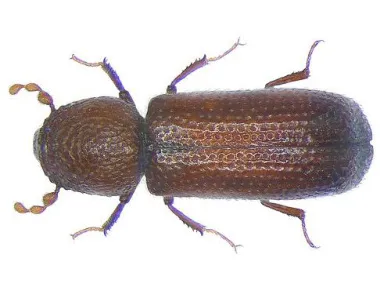
Bostrychidae
- small cylindrical beetles
- head concealed beneath hood-like pronotum
- several are serious grain and wood pests
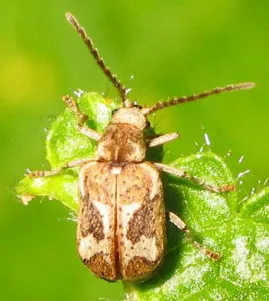
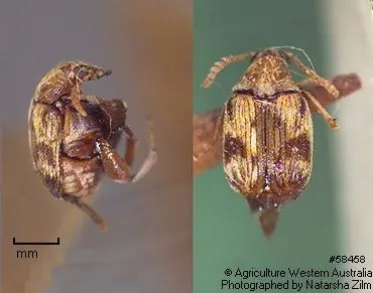
Bruchidae
- pulse beetles or seed beetles
- small and short-bodied
- head small, snout blunt
- antennae serrate
- important pests of pulses and seeds
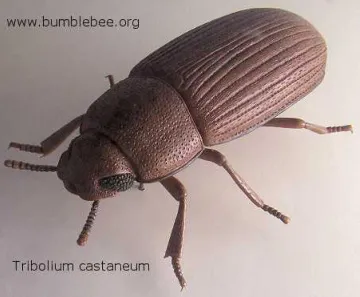
Tenebrionidae
- mealworms or flour beetles
- body flat and elongate
- elytra often sculptured
- includes important stored-product pests such as Tribolium castaneum
Families of Crop Pests
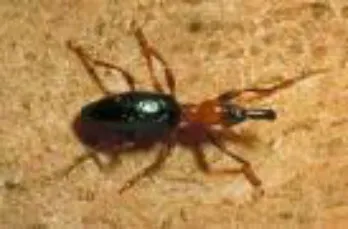
Apionidae
- snout produced forward
- antennae not elbowed
- larvae apodous
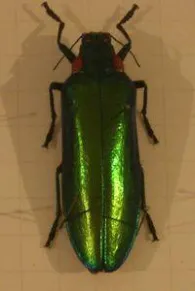
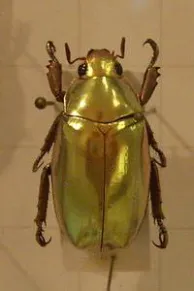
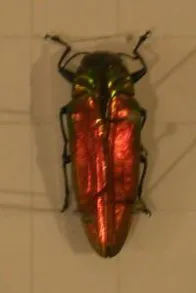
Buprestidae
- jewel beetles or metallic wood borers
- body hard and often metallic
- antennae serrate
- larvae are flat-headed borers
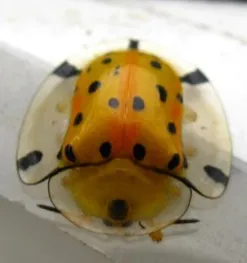
Cassididae
- tortoise beetles
- adults resemble a small tortoise
- head concealed beneath prothorax
Curculionidae
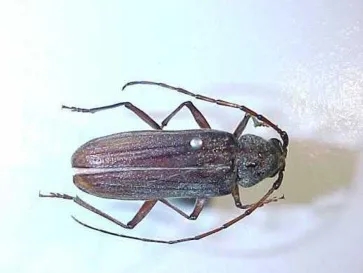
- weevils or snout beetles
- frons and vertex extended into a snout
- antennae usually elbowed and clubbed
- one of the most important coleopteran pest families
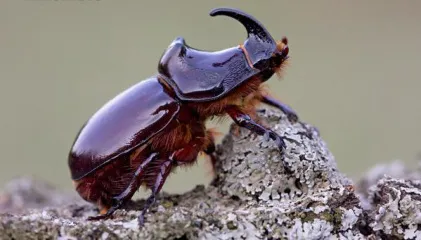
Dynastidae
- rhinoceros or unicorn beetles
- horns often present in males
- includes coconut rhinoceros beetle, Oryctes rhinoceros
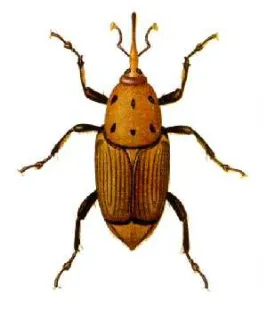
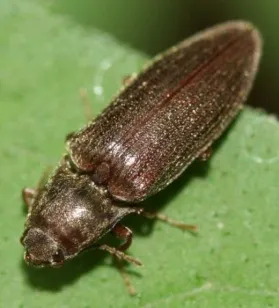
Elateridae
- click beetles
- body elongate and cylindrical
- pronotal hind angles pointed
- larvae known as wireworms, often root feeders
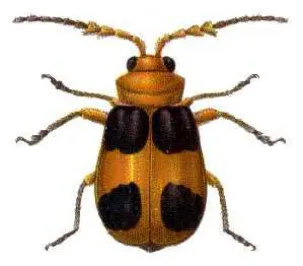
Galerucidae
- pumpkin beetles
- antennae closely approximated
- third tarsomere deeply bilobed
- larvae often root feeders
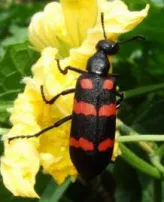
Meloidae
- blister beetles or oil beetles
- body cylindrical and soft
- distinct neck present
- includes banded blister beetle, Mylabris pustulata
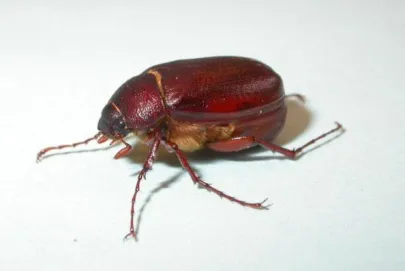
Melolonthidae
- chafer beetles, June beetles, white grubs
- stout beetles with glossy body
- larvae are important root feeders
Summary Cheat Sheet
- Coleoptera is characterized mainly by hardened forewings called elytra.
- The two main suborders covered here are Adephaga and Polyphaga.
- Important predatory families include Cicindelidae, Carabidae, Dytiscidae, Gyrinidae, and Coccinellidae.
- Coccinellidae are highly beneficial because many species prey on aphids and scales.
- Important scavenger families include Scarabaeidae and Hydrophilidae.
- Important stored-product pest families include Anobiidae, Bostrychidae, Bruchidae, and Tenebrionidae.
- Important crop-pest families include Curculionidae, Buprestidae, Cassididae, Dynastidae, Elateridae, Galerucidae, Meloidae, and Melolonthidae.
- Key economic examples include Tribolium castaneum, Oryctes rhinoceros, Mylabris pustulata, and pulse beetles under Bruchidae.
References
2 sources • [1] [2]
References
Fundamentals of Entomology
Insect Morphology and Systematics
Lesson Doubts
Ask questions, get expert answers