🦋 Order Lepidoptera and Noctuidae
Diagnostic features of Lepidoptera with emphasis on the economically important Noctuidae family.
Lepidoptera includes the familiar moths, butterflies, and skippers, but it is also one of the most economically important orders in agriculture because many larvae are serious foliage, fruit, seed, and stem pests. The order is immediately recognized by scale-covered wings and the siphoning proboscis of the adult stage.
Meaning and General Characters of Lepidoptera
Lepidoptera has also been referred to by the older name Glossata.
- lepido means scale
- ptera means wings
- common representatives are moths, butterflies, and skippers
Important characters:
- body, wings, and appendages clothed with overlapping scales
- scales provide colour, strength, insulation, and smoother airflow
- adult mouthparts usually siphoning
- mandibles absent in adults
- galeae elongated and interlocked to form a coiled proboscis
- wings membranous and scale-covered
- forewings larger than hindwings in many forms
- wing coupling commonly frenate or amplexiform
- larvae typically polypod eruciform caterpillars with strong chewing mandibles
- abdominal prolegs often bear crochets
- pupa generally obtect, either naked or enclosed in cocoon
Classification
Most lepidopterans are grouped under Ditrysia, in which the female has two separate openings:
- copulatory pore on the eighth abdominal sternite
- egg-laying pore on the ninth abdominal sternite
The remaining forms are grouped under Monotrysia, where only one pore is present.
Important Butterfly Families
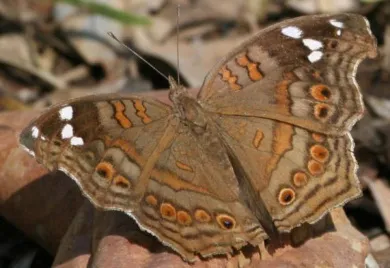
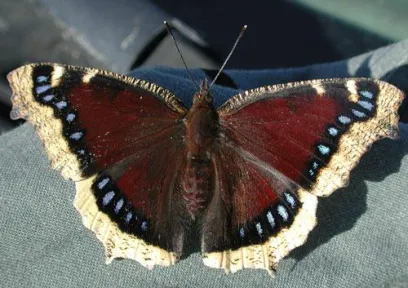
Nymphalidae
- brush-footed or four-footed butterflies
- forelegs shortened and folded
- larvae often bear spines or processes
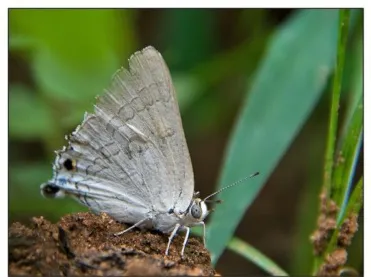
Lycaenidae
- blues, coppers, and hair streaks
- compound eyes white-rimmed
- antennae ringed
- many species metallic blue or coppery above
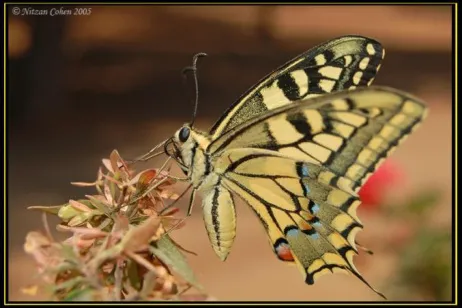
Papilionidae
- swallowtails
- often large and brightly coloured
- hindwings frequently with tail-like prolongation
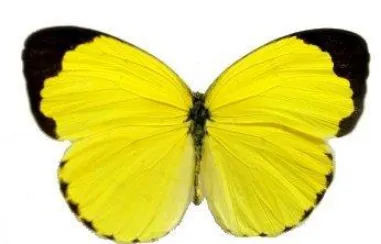
Pieridae
- whites and sulphurs
- wings white, yellow, or orange with black markings
- larvae elongate, green, and finely hairy
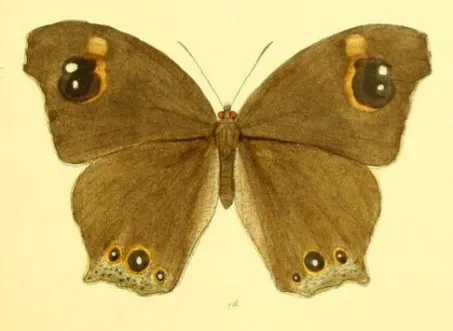
Satyridae
- browns or meadow browns
- usually dull brown or blackish
- wings often bear eye-like spots
Important Moth Families
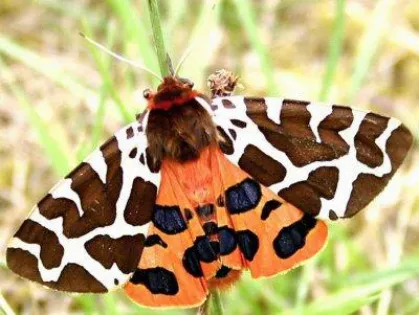
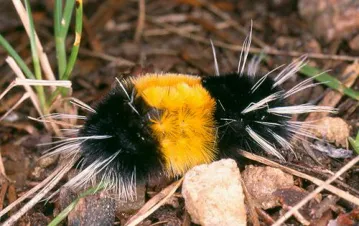
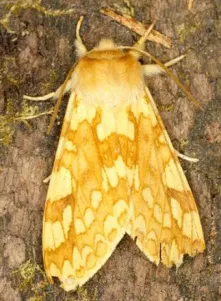
Arctiidae
- tiger moths
- wings conspicuously spotted or banded
- many species nocturnal and attracted to light
- larvae often hairy
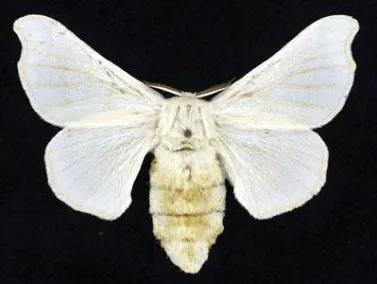
Bombycidae
- silkworm moths
- antennae bipectinate
- pupation in dense silken cocoon
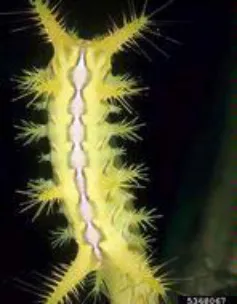
Cochlididae
- slug caterpillars
- larvae slug-like, stout, and retractile-headed
Crambidae
- grass moths
- labial palps extended
- larvae often bore in graminaceous plants
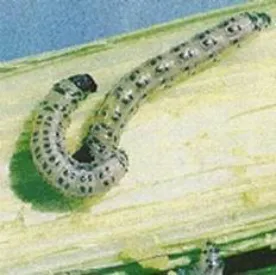
- includes sorghum stem borer, Chilo partellus
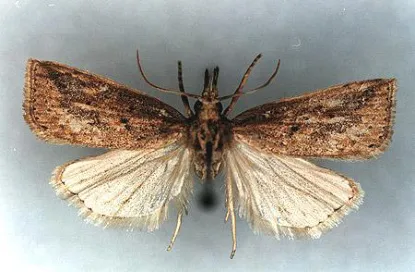
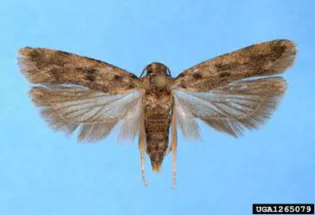
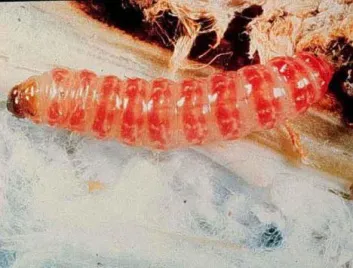
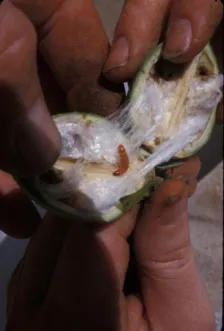
Gelechiidae
- forewings narrow and often trapezoidal
- larvae bore into seeds, tubers, and leaves
- includes pink bollworm, Pectinophora gossypiella
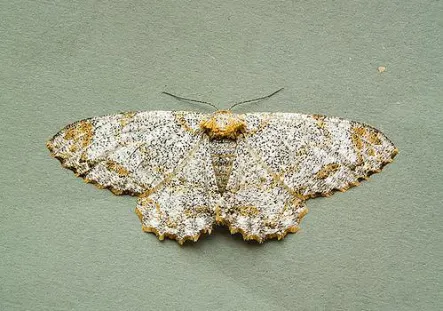
Geometridae
- loopers
- larvae have reduced prolegs and move by looping
Lymantriidae
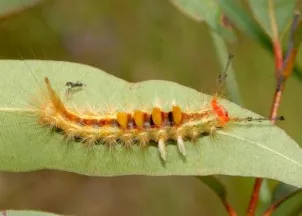
- tussock moths
- antennae bipectinate
- legs woolly
- female often bears tuft of anal hairs
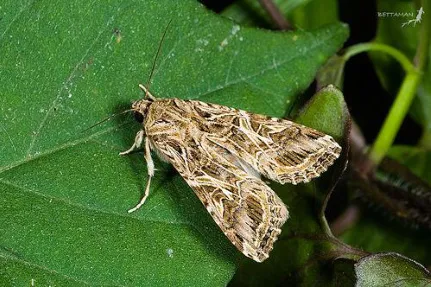
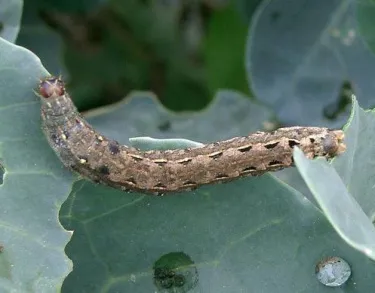
Noctuidae
- medium-sized, stoutly built moths
- nocturnal and attracted to light
- labial palps well developed
- larvae often feed at night and hide by day
- many are cutworms or defoliators
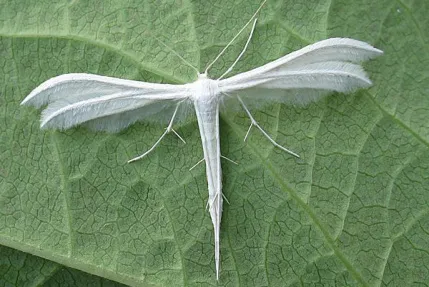
Pterophoridae
- plume moths
- forewings cleft into narrow divisions
- hindwings also divided
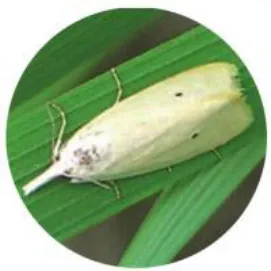
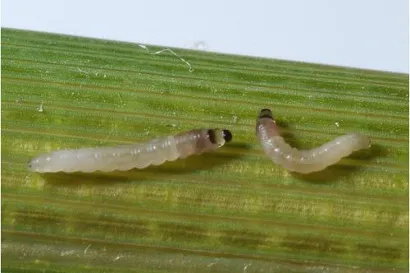
Pyraustidae
- snout-like labial palps
- larval habits variable, including stem boring, webbing, and aquatic life
- includes rice stem borer, Scirpophaga incertulas
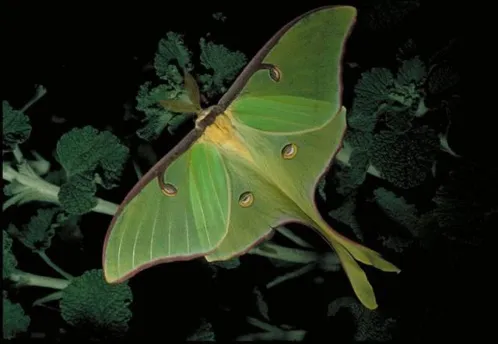
Saturniidae
- moon moths or giant silkworm moths
- large moths with eye spots on wings
- antennae bipectinate
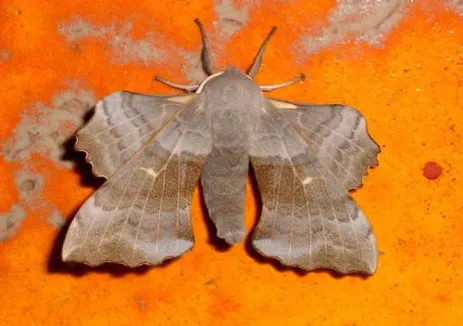
Sphingidae
- hawk moths or horn worms
- large, stout moths
- antennae thickened toward middle and hooked at tip
- proboscis usually long
Skipper Family
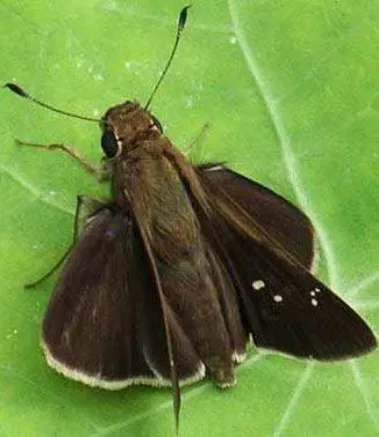
Hesperiidae
- skippers
- antennae widely separated, clubbed, and often hooked at tip
- wings relatively small
- flight rapid and darting
- larval head large with constriction behind
Summary Cheat Sheet
- Lepidoptera includes moths, butterflies, and skippers.
- Key order characters are scale-covered wings, siphoning proboscis, eruciform caterpillar, crochets on prolegs, and obtect pupa.
- Most species belong to Ditrysia, where females have separate copulatory and egg-laying pores.
- Important butterfly families include Nymphalidae, Lycaenidae, Papilionidae, Pieridae, and Satyridae.
- Important moth families include Arctiidae, Bombycidae, Cochlididae, Crambidae, Gelechiidae, Geometridae, Lymantriidae, Noctuidae, Pterophoridae, Pyraustidae, Saturniidae, and Sphingidae.
- Noctuidae is especially important agriculturally because many larvae are nocturnal defoliators or cutworms.
- Important pest examples include Chilo partellus, Pectinophora gossypiella, and Scirpophaga incertulas.
References
2 sources • [1] [2]
References
Fundamentals of Entomology
Insect Morphology and Systematics
Lesson Doubts
Ask questions, get expert answers