🧬 Transgenic Plants and Their Applications
Meaning, major examples, benefits, and concerns of transgenic plants in crop improvement.
This lesson explains transgenic plants in the most useful way for agriculture: not just as gene-inserted plants, but as breeding tools designed to introduce a specific new trait such as herbicide tolerance, insect resistance, delayed ripening, or virus protection.
Transgenic Plants and Their Applications
The genetic manipulation of plant protoplasts by direct gene transfer has clearly
come of age after a long gestation period. The major limiting factor to the practical
application of gene transfer is that protoplasts isolated from many crop species are
recalcitrant to regeneration. However, the great successes achieved in the past five years in
the field of gene transfer remain as boosters for the future. Some success stories related to
the production of transgenic plants are described below.
The major successes have been achieved in the transfer of:
-
Genes for herbicide tolerance.
-
Insect tolerant genes.
-
Coat protein genes for cross protection.
-
Genes responsible for certain antisense RNA and
-
Reporter genes.
-
Transfer of genes for herbicide tolerance
Success has been made in the incorporation of genes conferring tolerance to herbicides.
The transgenic plants thus produced show expression of foreign genes resulting in a higher
level of herbicide tolerance. The best example is the work of Shah and his co-workers. In
l986, they isolated a cDNA clone encoding an enzyme 5-enolpyruvyl-shikimate phosphate
(EPSP) synthase from a glyphosate tolerant Petunia hybrida cell line. This cell line over
produced the enzyme to the tune of 20 times more. The chimeric EPSP synthase gene was
constructed with the use of the cauliflower mosaic virus 35 promoter and introduced into the
non-tolerant Petunia cell lines. The calli from transformed cell lines showed tolerance to
glyphosate and the plants regenerated from the calli showed tolerance to the herbicide
whereas the control plants died after spraying the herbicide.
In l987, De Block and his co-workers transferred a gene conferring resistance to bialaphos
and phosphinotricin called bar gene isolated from Streptomyces hygroscopicers, into
tobacco, tomato and potato. This gene encodes for an enzyme, phosphinotricin
acetyltransferase which prevents toxicity due to phosphinotricin. This gene has been
transferred to tobacco, tomato and potato with the help of 35 S promoter of CaMV. The
transformed plants showed high levels of resistance against field dose applications of the
bialaphos and phosphinotricin. These results, pave the way to engineer resistance to
various herbicides into major crops.
- 1
Expression of Insect tolerance in transgenic plants
Bacillus thuringiensis is a bacterium that produces protein-aceous crystals during
sporulation. These crystal proteins have insecticidal properties especially to Lepidopteran
insects. The use of Bacillus thuringiensis as a microbial insecticide offers advantages over
chemical control agents in that the species-specific action of its insecticidal crystal proteins
(ICPs) makes it harmless to non-target insects, to vertebrates, to the environment and the
user. In l987, Fischhoff and his colleagues constructed chimeric genes containing the
CaMV 35 S promoter and the B. thuringiensis crystal protein coding sequences. The cloned
B. thuringiensis gene has been introduced into tomato and tobacco and the transgenic
plants thus produced show an increased level of resistance to Lepidopteran insects. The
larvae fed on transgenic plants were killed within 48 hours and there was little evidence of
feeding damage to leaves of transformants. Thus the introduction of toxin genes into plants
seems to be a practical approach for providing protection against certain insect pests.
Expression of coat protein genes for virus protection
In agriculture cross-protection is a common practice to protect the plants from viruses and
the coat protein of viruses have an important role in systemic cross protection. Abel and his
coworkers introduced a chimeric gene containing a cloned cDNA of the coat protein (CP)
gene of TMV into tobacco cells on a Ti plasmid of A. tumefaciens from which tumour
inducing genes have been removed. Plants regenerated from transformed cells expressed
TMV mRNA and CP as a nuclear trait. Seedlings from self fertilized transgenic plants were
inoculated with TMV and observed for development of disease symptoms. The seedlings
that expressed the CP gene showed delayed symptom development and l0-60 per cent of
the transgenic plants failed to develop symptoms. This approach would be useful to develop
lines with resistance to viruses where resistant varieties have been difficult to develop
through conventional plant breeding.
Expression of Antisense RNA in transgenic plants
Antisense RNA is a occurs naturally in several organisms to control gene expression. It can
inhibit expression of a gene by preventing ribosome binding, obstructing transport of mRNA
from nucleus, and increasing mRNA degradation. Rottstein and his co-workers in 1987
demonstrated the inhibition of the expression of the nopaline synthase (NOS) gene in
tobacco. The transgenic plant having the NOS gene was transferred with a NOS antisense
gene construct with CaMV 35 S promoter. The transformed plants were analysed for NOS
- 2
activity and the enzyme activity varied depending on the tissue used. This mechanism can
be a viable tool if the plants are transformed with antisense genes for the expression of
various undesirable characters.
Expression of Reporter genes in plants
Though several selectable markers and reporter genes are available for studying gene
expression, studies are in progress to develop a simple and viable system for studying gene
expression. The luciferase gene from firefly ( Photinus pyralis ) is a novel tool for this
purpose. This gene encodes an enzyme that catalyses the light producing ATP-dependent
oxidation of luciferin. In l986, Ow and his co-workers introduced the luciferase gene into
tobacco. The transgenic plants showed the expression of the luciferase gene by producing
light when watered with the substrate luciferin. This reporter gene system provides a simple
tool for rapid screening of large numbers of transgenic plants.
Points to be considered in all gene transfer programmes
- Effective systems for the selection of transformed cells are essential when more
complex traits are handled.
- Expression of a particular gene in the transformed cell depends on its position in
the host genome. This warrants further studies on the position effects of transferred genes
and their expression.
- Though efficient gene transfer methods are available the major remaining barrier
is the limited range of plants that can be regenerated from transformable cells. So efficient
regeneration systems for the crop species is a must for successful gene transfer.
- The regulatory mechanism involved in the supply of particular substances required
for expression of a particular gene should be explored i.e. whether the supply of the
substance is automatically improved because of the new gene or whether other genes
involved in the synthesis of the substance have to be amplified.
- The mechanisms involved in the regulation of particular substances for improved
gene expression should be explored.
- The introduction of new genes into plant cells will require that there be new
enzymes which were not present in the cells before. In this case, alterations in the entire
plants metabolism should thoroughly be studied.
- Loss of expression of the alien gene can also happen after time. Studies should
be done to know about the stable expression and inheritance of the gene concerned.
- 3
- Before attempting a gene transfer, the molecular aspects of the gene concerned
should be explored and the need for the gene and its desirability can be assessed.
- The problems associated with the stable expression of a foreign gene in crop
plants should be examined. This will facilitate finding ways and means to alter the
temporal and spatial expression of the particular gene.
Applications of transgenic plants
Genetic engineering and GM crops
Over the last 30 years, the field of genetic engineering has developed rapidly due to the
greater understanding of deoxyribonucleic acid (DNA) as the chemical double helix code
from which genes are made. The term genetic engineering is used to describe the process
by which the genetic makeup of an organism can be altered using “recombinant DNA
technology.” This involves the use of laboratory tools to insert, alter, or cut out pieces of
DNA that contain one or more genes of interest.
Developing plant varieties expressing good agronomic characteristics is the ultimate goal of
plant breeders. With conventional plant breeding, however, there is little or no guarantee of
obtaining any particular gene combination from the millions of crosses generated.
Undesirable genes can be transferred along with desirable genes; or, while one desirable
gene is gained, another is lost because the genes of both parents are mixed together and
re-assorted more or less randomly in the offspring. These problems limit the improvements
that plant breeders can achieve.
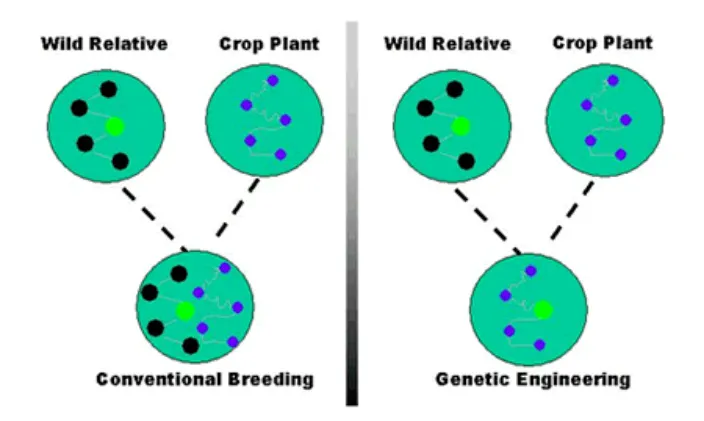
In contrast, genetic engineering allows the direct transfer of one or just a few genes of
interest, between either closely or distantly related organisms to obtain the desired
agronomic trait (Figure 1). Not all genetic engineering techniques involve inserting DNA from
other organisms. Plants may also be modified by removing or switching off their own
particular genes.
- 4
Figure 1: Comparing conventional breeding and genetic engineering (The dots
represent genes, with white representing the gene of interest)
Source: ISAAA Mentor‟s Kit, 2003.
| Table 1: Conventional Breeding vs. Genetic Engineering | Col2 |
|---|---|
| Conventional Breeding | Genetic Engineering |
| Limited to exchanges between the same or very closely related species Little or no guarantee of any particular gene combination from the million of crosses generated Undesirable genes can be transferred along with desirable genes Takes a long time to achieve desired results |
Allows the direct transfer of one or just a few genes, between either closely or distantly related organisms Crop improvement can be achieved in a shorter time compared to conventional breeding Allows plants to be modified by removing or switching off particular genes |
| Source: ISAAA Mentor‟s Kit, 2003. | Source: ISAAA Mentor‟s Kit, 2003. |
“Genes are molecules of DNA that code for distinct traits or characteristics. For
instance, a particular gene sequence is responsible for the color of a flower or a
plant’s ability to fight a disease or thrive in extreme environment.”
Nature’s own genetic engineer
The “sharing” of DNA among living forms is well documented as a natural phenomenon. For
thousands of years, genes have moved from one organism to another. For example,
Agrobacterium tumefaciens, a soil bacterium known as „nature‟s own genetic engineer‟, has
the natural ability to genetically engineer plants. It causes crown gall disease in a wide
range of broad-leaved plants, such as apple, pear, peach, cherry, almond, raspberry, and
roses. The disease gains its name from the large tumor-like swellings (galls) that typically
occur at the crown of the plant, just above soil level. Basically, the bacterium transfers part
- 5
of its DNA to the plant, and this DNA integrates into the plant‟s genome, causing the
production of tumors and associated changes in plant metabolism.
Application of genetic engineering in crop production
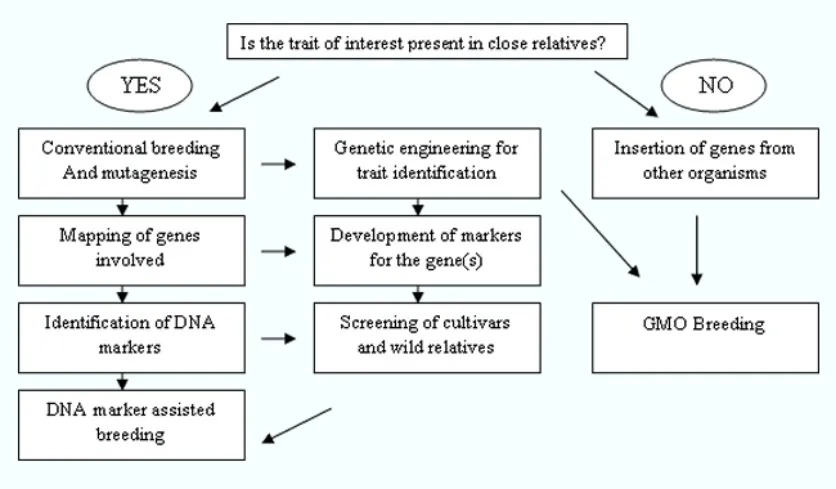
Genetic engineering techniques are used only when all other techniques have been
exhausted, i.e. when the trait to be introduced is not present in the germplasm of the crop;
the trait is very difficult to improve by conventional breeding methods; and when it will take a
very long time to introduce and/or improve such trait in the crop by conventional breeding
methods (see Figure 2). Crops developed through genetic engineering are commonly known
as transgenic crops or genetically modified (GM) crops.
Modern plant breeding is a multi-disciplinary and coordinated process where a large number
of tools and elements of conventional breeding techniques, bioinformatics, molecular
genetics, molecular biology, and genetic engineering are utilized and integrated.
Figure 2: Modern Plant Breeding
Source: DANIDA, 2002.
Development of transgenic crops
Although there are many diverse and complex techniques involved in genetic engineering,
its basic principles are reasonably simple. There are five major steps in the development of
a genetically engineered crop. But for every step, it is very important to know the
biochemical and physiological mechanisms of action, regulation of gene expression, and
- 6
 safety of the gene and the gene product to be utilized. Even before a genetically engineered
crop is made available for commercial use, it has to pass through rigorous safety and risk
assessment procedures.
The first step is the extraction of DNA from the organism known to have the trait of interest.
The second step is gene cloning, which will isolate the gene of interest from the entire
extracted DNA, followed by mass-production of the cloned gene in a host cell. Once it is
cloned, the gene of interest is designed and packaged so that it can be controlled and
properly expressed once inside the host plant. The modified gene will then be mass
produced in a host cell in order to make thousands of copies. When the gene package is
ready, it can then be introduced into the cells of the plant being modified through a process
called transformation. The most common methods used to introduce the gene package into
plant cells include biolistic transformation (using a gene gun) or Agrobacterium-mediated
transformation. Once the inserted gene inserted stable, inherited, and expressed in
subsequent generations, then the plant is considered a transgenic. Backcross breeding is
the final step in the genetic engineering process, where the transgenic crop is bred and
selected in order to obtain high quality plants that express the inserted gene in a desired
manner.
The length of time in developing transgenic plant depends upon the gene, crop species,
available resources, and regulatory approval. It may take 6-15 years before a new
transgenic hybrid is ready for commercial release.
Commercially available crops improved through genetic engineering
There has been a consistent increase in the global area planted to transgenic crops from
1996 to 2005. About 90 M ha was planted in 2005 to transgenic crops with high market
value, such as herbicide tolerant soybean, maize, cotton, and canola; insect resistant maize,
cotton, potato, and rice; and virus resistant squash and papaya. With genetic engineering,
more than one trait can be incorporated into a plant. Transgenic crops with combined traits
are also available commercially. These include herbicide tolerant and insect resistant maize
and cotton.
New and future initiatives in crop genetic engineering
To date, commercial GM crops have delivered benefits in crop production, but there are also
a number of products in the pipeline which will make more direct contributions to food
- 7
quality, environmental benefits, pharmaceutical production, and non-food crops. Examples
of these products include: rice with higher levels of iron and b-carotene (an important
micronutrient which is converted to vitamin A in the body); long life banana that ripens faster
on the tree and can therefore be harvested earlier; maize with improved feed value;
tomatoes with high levels of flavonols, which are powerful antioxidants; drought tolerant
maize; maize with improved phosphorus availability; arsenic-tolerant plants; edible vaccines
from fruit and vegetables; and low lignin trees for paper making.
Genetically Modified Crops
Global agriculture finds itself engrossed in a heated debate
over genetically modified (GM) crops. This debate, which
features science, economics, politics, and even religion, is
taking place almost everywhere. It is going on in research labs,
corporate boardrooms, legislative chambers, newspaper
editorial offices, religious institutions, schools, supermarkets,
coffee shops, and even in private homes. What is all the fuss
about and why do people feel so strongly about this issue? This Pocket “K” attempts to shed
light on the controversy by addressing several basic questions about GM crops.
Why make GM crops?
Traditionally, a plant breeder tries to exchange genes between two plants to produce
offspring that have desired traits. This is done by transferring the male (pollen) of one plant
to the female organ of another.
This cross breeding, however, is limited to exchanges between the same or very closely
related species. It can also take a long time to achieve desired results and frequently,
characteristics of interest do not exist in any related species.
GM technology enables plant breeders to bring together in one plant useful genes from a
wide range of living sources, not just from within the crop species or from closely related
plants. This powerful tool allows plant breeders to do faster what they have been doing for
years–generate superior plant varieties–although it expands the possibilities beyond the
limits imposed by conventional plant breeding.
- 8

Who produces GM crops?
Most of the research on GM crops has been carried out in developed countries, mainly in
North America and Western Europe.
Recently, however, many developing countries have also established the capacity for
genetic engineering.
In developed countries, the new life sciences companies have dominated the application of
GM technology to agriculture. These include Bayer CropScience, Dow AgroSciences,
DuPont/Pioneer, Monsanto, and Syngenta.
What is a GM crop?
A GM or transgenic crop is a plant that has a novel combination of
genetic material obtained through the use of modern biotechnology.
For example, a GM crop can contain a gene(s) that has been
artificially inserted instead of the plant acquiring it through
pollination.
The resulting plant is said to be “genetically modified” although in
reality all crops have been “genetically modified” from their original
wild state by domestication, selection, and controlled breeding over long periods of time.
Where are GM crops currently grown?
In 1994, Calgene‟s delayed-ripening tomato (Flavr-Savr™) became the
first genetically modified food crop to be produced and consumed in an
industrialized country. Since then several countries have contributed to
more than a 47-fold increase in the global area of transgenic crops.
The area planted to GM crops shot up from 1.7 million hectares in 1996 to 90 million
hectares in 2005, with an increasing proportion grown by developing countries. In 2005,
there were 14 biotech mega-countries, growing 50,000 hectares or more, 10 developing
countries and four industrial countries; they were, in order of hectarage, USA, Argentina,
- 9

 Brazil, Canada, China, Paraguay, India, South Africa, Uruguay, Australia, Mexico, Romania,
Philippines, and Spain (James, 2005).
What are the potential benefits of GM plants?
In the developed world, there is clear evidence that the use of GM crops has resulted in
significant benefits. These include:
-
Higher crop yields
-
Reduced farm costs
-
Increased farm profit
-
Improvement in health and the environment
These “first generation” crops have proven their ability to lower farm-level production costs.
Now, research is focused on “second-generation” GM crops that will feature increased
nutritional and/or industrial traits. These crops will have more direct benefits to consumers.
Examples include:
-
Rice enriched with iron and vitamin A
-
Potatoes with higher starch content
-
Edible vaccines in maize and potatoes
-
Maize varieties able to grow in poor conditions
-
Healthier oils from soybean and canola
How are GM crops made?
GM crops are made through a process known as genetic engineering. Genes of commercial
interest are transferred from one organism to another. Two primary methods currently exist
for introducing transgenes into plant genomes.
The first involves a device called a „gene gun.‟ The DNA to be introduced into the plant cells
is coated onto tiny particles. These particles are then physically shot onto plant cells. Some
of the DNA comes off and is incorporated into the DNA of the recipient plant. The second
method uses a bacterium to introduce the gene(s) of interest into the plant DNA.
Are GM crops appropriate for developing countries?
- 10
While most of the debate over transgenic crops has taken
place mainly in the developed nations in the North, the
South stands to benefit from any technology that can
increase food production, lower food prices, and improve
food quality.
In countries where there is often not enough food to go
around and where food prices directly affect the incomes of majority of the population, the
potential benefits of GM crops cannot be ignored. It is true that nutritionally enhanced foods
may not be a necessity in developed countries but they could play a key role in helping to
alleviate malnutrition in developing countries.
Although the potential benefits of GM crops are large in developing countries, they would
require some investments. Most developing countries lack the scientific capacity to assess
the biosafety of GM crops, the economic expertise to evaluate their worth, the regulatory
capacity to implement guidelines for safe deployment, and the legal systems to enforce and
punish transgressions in law. Fortunately, several organizations are working to build local
capacity to manage the acquisition, deployment, and monitoring of GM crops.
What are the potential risks of GM plants?
With every new emerging technology, there are potential risks. These include:
- The danger of unintentionally introducing allergens and other antinutrition factors in
foods
-
The likelihood of transgenes escaping from cultivated crops into wild relatives
-
The potential for pests to evolve resistance to the toxins produced by GM crops
-
The risk of these toxins affecting nontarget organisms.
Where legislation and regulatory institutions are in place, there are elaborate steps to
precisely avoid or mitigate these risks. It is the obligation of the technology innovators (i.e.,
scientists), producers, and the government to assure the public of the safety of the novel
foods that they offer as well as their benign effect on the environment.
There are also those risks that are neither caused nor preventable by the technology itself.
An example of this type of risk is the further widening of the economic gap between
developed countries (technology users) versus developing countries (nonusers). These
- 11
 risks, however, can be managed by developing technologies tailor made for the needs of the
poor and by instituting measures so that the poor will have access to the new technologies.
Plant products of biotechnology
Plant products of biotechnology have been available in the market for some time now.
These modified crops look like their traditional counterparts, but they possess special
characteristics that make them better.
These crops benefit both farmers and consumers. Farmers gain higher crop yields and have
increased flexibility in management practices, while consumers have “healthier crops” (i.e.,
crops grown with fewer pesticides and/or with healthier nutritional characteristics).
Plant products of biotechnology approved for food use have been modified to contain traits
such as:
-
Disease resistance
-
Herbicide tolerance
-
Altered nutritional profile
-
Enhanced storage life
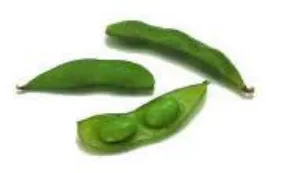
Biotech Soybean
Soybean is the oil crop of greatest economic relevance in the
world. Its beans contain proportionally more essential amino acids
than meat, thus making it one of the most important food crops
today.
Herbicide-tolerant soybean
Herbicide-tolerant soybean varieties contain a gene that provides resistance to one of two
broad-spectrum, environmentally benign herbicides.
This modified soybean provides better weed control and reduces crop injury. It also
improves farm efficiency by optimizing yield, using arable land more efficiently, saving time
for the farmer, and increasing the flexibility of crop rotation. It also encourages the adoption
of no-till farming-an important part of soil conservation practice.
- 12
 These varieties are the same as other soybeans in nutrition, composition, and the way they
are processed into food and feed. * Argentina, Australia, Brazil, Canada, Czech Republic,
EU, Japan, Korea, Mexico, Philippines, Russia, South Africa, Switzerland, Taiwan, UK, US,
and Uruguay.
Oleic acid soybean
This modified soybean contains high levels of oleic acid, a monounsaturated fat. According
to health nutritionists, monounsaturated fats are considered “good” fats, compared with
saturated fats found in beef, pork, hard cheeses, and other dairy products.
Oil processed from these varieties is similar to that of peanut and olive oils. Conventional
soybeans have an oleic acid content of 24%. These new varieties have an oleic acid content
that exceeds 80%. * Australia, Canada, Japan, and the US.
Examples of plant products of biotechnology
- 13
| Product | Trait |
|---|---|
| Canola | Herbicide tolerance |
| Canola | Modified fatty acid content |
| Cotton | Insect resistance |
| Cotton | Herbicide tolerance |
| Flax, Linseed | Insect resistance & herbicide tolerance |
| Lentil | Herbicide tolerance |
| Maize | Herbicide tolerance |
| Maize | Insect resistance & herbicide tolerance |
| Maize | Herbicide tolerance & male sterility |
| Maize | Herbicide tolerance & fertility restored |
| Maize | Modified amino acid content |
| Melon | Delayed ripening |
| Papaya | Virus resistance |
| Potato | Insect resistance |
| Potato | Insect & virus resistance |
| Rice | Herbicide tolerance |
| Soybean | Herbicide tolerance |
| Soybean | Modified fatty acid content |
|---|---|
| Squash | Virus resistance |
| Sugar Beet | Herbicide tolerance |
| Tomato | Delayed ripening |
| Tomato | Insect resistance |
| Wheat | Herbicide tolerance |
| Wheat | Herbicide tolerance |
*Source: http://www.agbios.com
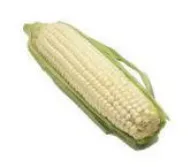
Biotech Corn
Corn is one of the three most important grains of the world.
Herbicide-tolerant corn
These corn varieties work in a similar manner to herbicide-tolerant
soybean. They allow growers better flexibility in using certain herbicides
to control weeds that can damage crops. * Argentina, Australia, Canada, China, European
Union (EU), Japan, Korea, Philippines, South Africa, Switzerland, and the US.
Insect-resistant corn
This modified corn contains a built-in insecticidal protein from a naturally occurring soil
microorganism (Bt) that gives corn plants season-long protection from corn borers. The Bt
protein has been used safely as an organic insect control agent for over 40 years. This
means most farmers do not have to spray insecticide to protect corn from harmful pests,
which can cause significant damage and yield loss in many areas. Bt corn also reduces
toxin contamination arising from fungal attack on the damaged grain. * Argentina, Australia,
Canada, China, EU, Japan, Korea, Mexico, Philippines, Russia, South Africa, Switzerland,
Taiwan, UK, US, and Uruguay.
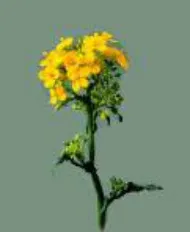
Biotech Canola
Canola is a genetic variation of rapeseed and was developed by Canadian
plant breeders specifically for its nutritional qualities, particularly its low
level of saturated fat.
- 14
 Herbicide-tolerant canola
Herbicide-tolerant canola works in a manner similarto other such crops. For benefits, see
herbicide-tolerant soybean. * Australia, Canada, EU, Japan, Philippines, and the US.
High laurate canola
These canola varieties contain high levels of laurate. Oil processed from these novel
varieties is similar to coconut and palm oils.
This new canola oil is being sold to the food industry for use in chocolate candy coatings,
coffee whiteners, icings, frostings, and whipped toppings. Benefits extend even to the
cosmetics industry. * Canada and the US.
Oleic acid canola
This new type of canola contains high levels of oleic acid. For benefits, see oleic acid
soybean. * Canada.
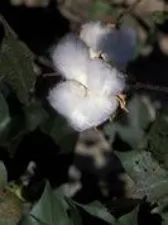
Biotech Cotton
Herbicide-tolerant cotton
This cotton works in a manner similar to other such crops. For benefits, see
herbicide-tolerant soybean. *Argentina, Australia, Canada, Japan, Mexico,
Philippines, and the US.
Insect-resistant cotton
This modified cotton works in a manner similar to insect-resistant corn. It contains a protein
that provides the plant with season-long protection from budworms and bollworms. The
need for additional insecticide applications for these pests is reduced or eliminated. *
Argentina, Australia, Brazil, Canada, China, Japan, Mexico, Philippines, South Africa, and
the US. (Approved for planting in India.)
- 15
| Dominant GM crops in the World, 2005 | Col2 |
|---|---|
| Crops | M/ha (million hectares) |
| Herbicide tolerant soybean | 54.4 |
| Bt maize | 11.3 |
| Bt/Herbicide tolerant maize | 6.5 |
| Bt cotton | 4.9 |
| Herbicide tolerant canola | 4.6 |
| Bt/Herbicide tolerant cotton | 3.6 |
| Herbicide tolerant maize | 3.4 |
| Herbicide tolerant cotton | 1.3 |
|---|---|
| Total | 90.0 |
| *Million hectares James, C. 2005. Global Status of Commercialized Biotech/GM Crops: 2005. ISAAA Briefs No. 34. ISAAA: Ithaca, NY. |
*Million hectares James, C. 2005. Global Status of Commercialized Biotech/GM Crops: 2005. ISAAA Briefs No. 34. ISAAA: Ithaca, NY. |
Biotech Potato
Insect-resistant potato
This biotech potato works like insect-resistant corn. It contains a
protein that provides the plant with built-in protection from the
Colorado potato beetle. Thus, this potato needs no additional
protection for this pest, benefiting farmers, consumers, and the
environment. *Australia, Canada, Japan, Philippines, and the US.
Virus-resistant potato
Several potato varieties have been modified to resist potato leafroll virus (PLRV) and potato
virus Y (PVY). In the same way that people get inoculations to prevent disease, these potato
varieties are protected through biotechnology from certain viruses. Furthermore, virus
resistance often results in reduced insecticide use, which is needed to control insect vectors
that transmit viruses. *Australia, Canada, Philippines, and the US.
Biotech Squash
Virus-resistant squash
A biotech yellow crookneck squash is now able to resist
watermelon mosaic virus (WMV) and zucchini yellow mosaic
virus (ZYMV). These new varieties contain the coat protein genes
of both viruses. This biotech approach bypasses aphid control,
which may reduce or eliminate the use of insecticides. *Canada
and US.
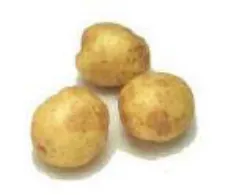
Biotech Potato
Delayed-ripening tomato
The delayed-ripening tomato became the first genetically modified
food crop to be produced in a developed country. These tomato
- 16

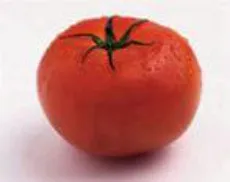 varieties have extended shelf life. They contain a gene that slows the natural softening
process that accompanies ripening.
These tomatoes spend more days on the vine than other tomatoes, thus resulting in better
flavor. Furthermore, the longer shelf life has commercial advantages in harvesting and
shipping that can reduce the costs of production, *Canada, Japan, Mexico, and the US.
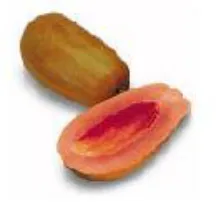
Biotech papaya
Virus-resistant papaya
This Hawaiian-developed papaya contains a viral gene that encodes
for the coat protein of papaya ringspot virus (PRSV). This protein
provides the papaya plant with built-in protection against PRSV. This
biotech papaya works in a manner similar to virus resistant potato.
- 17
Questions
- Bar gene conferring resistance to bialaphos and phosphinotricin was isolated
from...…..
a). Streptomyces hygroscopicers b). Bacillus thuringiensis c ). Bacillius subtilis d). None of the above
- Flavr-Savr™ is the GM variety of ……………
a). Tomato b). Potato c). Soyabean d). Aonla
- Flavr-Savr™, the GM variety of tomato has …………… property
a). Delayed ripening b). Resistance to fruit borer c). Resistant to leaf miner d). None of the above
- The potential benefits of GM crops are ……………
a). Higher crop yields b). Reduced farm costs
c). Increased farm profit d). All the above
- The potential hazards of GM crops are ……………
a). The danger of unintentionally introducing allergens and other antinutrition factors in foods b). The likelihood of transgenes escaping from cultivated crops into wild relatives c). The potential for pests to evolve resistance to the toxins produced by GM crops d). All the above
- 18
Summary Cheat Sheet
Quick Recall Points
- A transgenic plant carries an introduced gene or gene construct for a defined purpose.
- Major application groups include herbicide tolerance, insect resistance, virus resistance, antisense technology, and reporter genes.
- Common textbook examples include Bt crops, Flavr-Savr tomato, and virus-resistant papaya.
- Effective gene transfer still depends on successful regeneration of transformed cells into whole plants.
Exam Traps
- Do not confuse herbicide-tolerant crops with insect-resistant crops; the inserted genes and objectives differ.
- Gene transfer success alone is not enough; stable expression and field usefulness also matter.
- Benefits and hazards of GM crops should both be remembered for exam answers.
References
1 source • [1]
References
Standard BSc Agriculture Plant Biotechnology notes
BookLesson Doubts
Ask questions, get expert answers