🔄 Systemic Fungicides
Systemic fungicide groups, their internal movement in plants, and practical crop protection use.
Systemic fungicides protect crops by entering plant tissues and suppressing fungal pathogens from within. This lesson introduces major systemic fungicide groups, their characteristics, and field use.
Metalaxyl, Carbendazim,- characteristics and use
The idea is earlier but 1960 only commercial systemic fungicides
have come to market. A systemic fungicide is a compound that is taken
up by a plant and is then translocated with in the plant, thus protecting the
plant from attack by pathogenic fungi or limiting an established fungal
infection.
If a candidate chemical is to be an effective systemic fungicide the
following criteria must be satisfied. It must be fungicidal or to be converted
in to an active fungitoxicant with in the host plant.It must possess very low
phytotoxicity. It must be capable of being absorbed by the roots, seeds or
leaves of the plant and then translocated, at least locally, within the plant.
The earlier protectant fungicides applied as foliar sprays formed dried
deposits on the leaves of the host plant, protecting it from fungal attack.
However the deposits are of course gradually removed by the effects of
weathering and cannot protect new plant growth formed after spraying or
any part of the plant not covered by spraying. These disadvantages can
be overcome by the use of systemic fungicides which since penetrates
the plant cuticle. They also offer the possibility of controlling an
established fungal infection. There fore systemic fungicides should exhibit
both protectant and eradicant activity.
Benzimidazoles
These represent a new era in fungicide use when they were introduced in
late 1960s.

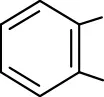 Benomyl Carbendazim
The most important members of this group are benomyl [methyl –1
(butyl carbamoyl) benzimidazole-2- carbamates] TN: Benlate and
thiobendazole . Both are wide spectrum systemic fungicides effective
against many pathogenic fungi including powdery mildews and soil borne
pathogens. These fungicides may persist in plants for several months.
Benomyl was introduced in 1967. It was synthesized from cyanide and
methylchloroformate. Benomyl and thiabendazole are both wide spectrum systemic
fungicides active against many pathogenic fingi including powdery mildews and soil
borne pathogens, Verticillium alboatrum on cotton and black spot on roses.
Du-pont; Benlate LD50: - 9590
Foliar fungicide in wine grape fruits, vegetables, citrus, cereal seed dressing.
Benomyl is the more active compound and is widely applied as a foliar spray,
seed dressing or to the soil for control of grey mould ( Botrytis cinerea ), apple scab
( Venturia inequalis ) canker and powdery mildew ( Podosphaera leucotricha ), leaf spot
( Cercospora beticola ), major fungal diseases of soft fruits and some pathogens of
tomato and cucumber.In aqueous solution benomyl is rapidly hydrolysed to
methyl benzimidazole – 2 – carbamate and this is probably the active
fungitoxicant carbendazim which is used as a wide spectrum systemic
fungicide formulated as 50 per cent WP.
Metalaxyl
Metalaxyl is included in the phenylamides group of systemic fungicides.
The compounds of this group show protective and systemic activity against
Oomyceles causing foliar, root and crown diseases in wide range of crops eg. downy
mildews and late blight. The first members of this group Metalaxyl and Furalaxyl
were introduction by Ciba-Geigy in 1977 (Metalaxyl = Ridomil). With a high activity at
low rates of foliar or soil application metalaxyl controls diseases caused by air or soil
borne comycetes in crops like potatoes, grapes, tobacco, cereals, hops and vegetables.
A wettable powder formulation with mancozeb, (a complex of Zn and Mn salts
fungicides) is widely used as a foliar spray against hlight on potatoes. Metalaxyl has the
broadest spectrum of fungicidal activity of this group of fungicides; it is good against
downy mildew on vines, lettuce, maize and Pythium diseases and can be formulated as
a seed dressing.
E) Carbendazim (Bavistin, Derosol)
Foliar fungicide in grapes, fruits, vegetables, cereals, cereal seed dressing
LD50: 15.000 Carbenda in methylbenzimidazole-2-carbamate is used as a wide
spectrum systemic fungicide and may be formulated as a 50% w.p. for control of
Botrytis, Gloeosporium rots, powdery mildews and apple scab. Carbendazim is
absorbed by the roots and foliage of plants and is quicker acting than Benomyl.
The activity of the benzimidazole fungicides (Benomyl, thiabendazole and
carbendazim) is due to the inhibition of nuclear division due to their action on the
microtubule assembly and the resistance developed in fungi is the result of mutant
strains possessing an altered microtubule assembly.
Carboxin and related compounds (Oxathiins)
Oxathiins are another group of heterocyclic compounds with interesting
systemic fungicidal properties. Carboxin and the sulphone analogue
known as oxycarboxin are primarily effective against basidomycetes
class of fungi which includes such economically important group of fungal
pathogens rusts, smuts and bunts of cereals and the soil fungus
Rhizactonia solani.
The fungitoxicity is due to inhibition of glucose and acetate oxidative
metabolism and RNA and DNA synthesis.
Carboxin and Oxycarboxin
Oxathins are another group of heterocyclic compounds with systemic fungicidal
properties. Examples are Carboxin (5, 6 dihydro-2-methyl-1, 4 oxathin-3-carboxanilisde)
(Vitavax) and the sulphone analogue known as Oxycarboxin (Plantvax).
LD50: 3820
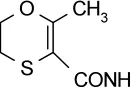
LD50: 2000
Seed dressing: cereals, cotton Sol and foliar fungicide
smuts & Rests Rusts
Carboxin is prepared by reaction of α-chloroacetoacetanilide and 2-thiothanol
followed by cyclization. Oxycarboxin is obtained by subsequent oxidation of
carboxin with hydrogen peroxide. Both are fairly water soluble and are not phytotoxic.
They are active against Basicdiomycetes class of fungi causing rusts, smuts and bunts
of cereals and soil fungi Rhizoctonia solani . Carboxin can be formulated with other
fungicides like thiram, copper oxine.
C) Oxycarboxin
Oxycarboxin has systemic action against rusts of cerals, and vegetables and
seed treatment or soil application can be done. Carboxin is absorbed and
translocated by plant roots. In water, soil and plants; the compound is oxidiseds to
sulphozide but further oxidation to sulphone was not observed. The sulphoxide is much
less fungicidal and so oxidation causes loss of activity. The primary mode of action
of carboxin and related compounds probably involves the blocking of succinate oxidation
in the mitochondria of sensitive fungi.
Antibiotics
Antibiotics are chemicals produced by living organisms that are
selectively toxic to other organisms. The first successful antibiotic against
human diseases was penicillin discovered by Fleming (1929) but it has
never achieved commercial significance as a systemic fungicide.
Glitoxin, an antifungal antibiotic produced by the soil fungus Tricoderma
viride inhibited the growth of Botrytis and Fusarium spores at 2-4 ppm
concentration but the compound was too unstable for use as a soil
fungicide.
Streptomycin and cycloheximide are antibiotics obtained from the
culture filtrates of Streptomyces griseus is used for the control of bacterial
pathogens of plants.
Griseofulvin isolated in 1939 from Penicillium griseofulvum is an
important antifungal antibiotic showing a wide spectrum of activity
especially against Botrytis in lettuce and Alternaria solani on tomato.
Blasticidin, a pyrimidine derivative isolated from Streptomyces
griseochromogenes give excellent control of rice blast and also inhibits
certain bacteria. The antibiotic polyoxin D is another pyrimidine
derivative which is toxic towards several fungi including rice blast. The
fungi toxicity is due to interference with chitin synthesis.
Melanin Biosynthesis Inhibitors (MBIs)
prevent it penetrating the plant epidermis; these compounds block
melanin synthesis in a variety of Ascomycetes and fungi imperfecti. They
provide practical control of rice blast and experimental control of some
Colleotricum species. Tricyclozole prevents the rigidity of penetration by
Pyricularia oryzae . Validamycin is an aminoglucoside antibiotic active
mainly against Rhizactonia diseases and has been widely used to control
rice sheath blight. Probenazole related to saccharin is effective by root
application against rice blast and bacterial leaf disease Xanthomonas
oryzae . It is not fungi toxic Invitro and probably acts indirectly by
enhancing the resistance response of the host plant.
Aminopyrimidines
Some 30 years ago there is a series of 2-amino-4-hydroxypyrimidines had
specific systemic activity against powdery mildews. These structure
activity studies led to development of dimethrinol and ethrinol .
Dimethrinol discovered in 1965, showed outstanding systemic activity by
root application against certain powdery mildews in vegetables and some
ornamentals.
Piperazine, pyridine, pyrimidine, imidazole and triazole fungicides
These fungicides are considered together because they all show a
common biochemical target, namely synthesis of ergosterol; they are
methylation inhibitors.
Triforine is the only piperazine derivative showing systemic activity
against powdery mildews on cereals and vegetables.
Buthiobate and pyrifenox are pyridine fungicides. Buthiobate is used
mainly in Japan against powdery mildews while pyrifenox controls a wide
range of leaf spot pathogens of fruits and vegetables.
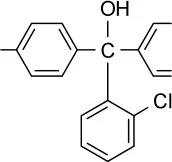
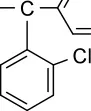
Triarimol, fenarimol and nunarimol are pyrimidine derivatives
introduced by Eli Lilly in the late 1960s. Triarimol has been withdrawn due
to its undesirable toxicological properties. Fenarimol, a systemic and
protective fungicide is used as a foliar spray to control a broad spectrum
of powdery mildews, scabs, rusts and leaf spots. Nuarimol is used against
powdery mildews in cereals.
Fenarimol Nunarimol
Imazalil, the first imidazole agricultural fungicide (1960) is now used as
seed dressing in cereals.
Prochloraz Imazalil
Prochloraz (Boots, 1973) is a broad spectrum fungicide with good activity
against ascomycetes and fungi imperfecti but rather less activity against
basidamycetes.
Triflumizole controls a wide range of pathogens Viz., powdery mildews
and scabs.
Triadimefon [(1-(4-chlorophenoxy) 3,3-dimethyl –1-(1,2-triazol –1yl)
butan-1-one)] TN: Bayleton has systemic activity against a broad range of
plant pathogens effective at rates of 0.1 – 2.0 ppm. This discovery led to
the introduction of several 1,2,4- triazole fungicides.
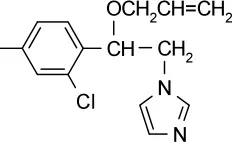
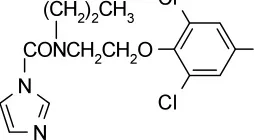 Triadimefon
These fungicides owe their fungitoxicity due to their ability to inhibit
ergosterol biosynthesis. Ergosterol is a major sterol in many fungi where it
plays a major role in membrane structure and function.
Morpholine fungicides
Dodemorph (roses) and tridemorph (cereals) are systemic foliar
fungicides effective against powdery mildews at 0.75 litres ha [-1] .
Dedemorph Tridemorph
Organo phosphorus fungicides
Today more than 100 OP compounds show fungicidal action. However
relatively few compounds are of practical use as fungicides, Many are
phytotoxic and very specific against fungal species.
One of the first Op fungicides was triamiphos claimed to be the first
systemic commercial fungicide. Since then many compounds were
derived. Pyrazophos TN: Afugan is a foliar systemic fungicide effective
against apple powdery mildew.
Triclophos – methyl is effective against Rhizactonia and other soil borne
diseases as a drench in vegetables and against black scarf and canker in
seed potatoes.
Iprofenfos TN: Kitazin P introduced in 1968, is a systemic rice fungicide
applied as granules in paddy water to control rice blast and it inhibits
mycelial growth in tissues.
Edifenphos is also very effective against rice blast.
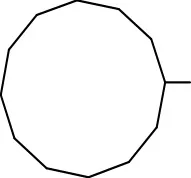
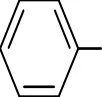
OP fungicides have shown to block the synthesis of phospholipids. The
reduction in phospholipids alters the membrane structure, increasing the
permeability and consequent loss of vital cellular components and
eventually killing the fungus.
Phenyamides and related compounds
Metaloxyl - broad spectrum
Furalaxyl - soil drenching
Benalaxyl - potato blight
Oxadixyl –with mancozeb to control potato blight
Carbamates
Prothiocarb - ornamentals
Propamocarb - Fruits and vegetables
Cymaxanil - Potatoes and vines
Miscellaneous compounds
Isoprothiolane - systemic fungicide against rice blast
Dithiolane
Formaldehyde (Formalin 40 %) is used as seed dressing and soil
sterilant
Substituted
azepenes - systemic fungicidal activity against leaf spot, powdery mildew
and rust diseases.
Recent potent fungicides for future use
Chlorooximes
Very effective broad spectrum fungicide. Substitutients in the oxime moiety plays a key
role in the biological activity.
Cyano-oximes : The most active compound in this group is Cymoxanil which controls
grape vine downy mildew disease. The analogous compound a propargyll derivative, is
equally effective. After isosteric replacement of the acetylenic triple bond by the cyanide
triple bond the resulting compound showed enhanced activity against downy mildew
Aryl sulfonylallyl trichloromethyl sulfoxides : A series of 2-aryl sulfonylallyl
trichloromethyl sulfoxides, have been found effective as broad spectrum fungicides with
residual activity against grape downy mildew
CH2 0
II
ArSO2C - CH2 - S – CCl3
β methoxyacrylates with oxime ether side chain:
Azoxystrobin, is a well known broad spectrum fungicide which facilitates the control
of a wide range of major plant pathogens. If the central pyrimidine ring is replaced with
an oxime ether moiety, it yields a highly effective fungicide.Analogous compounds
containing a heterocyclic moiety instead of phenyl ring were also prepared to ascertain
the fungicidal activity.
Pyrimidine derivatives: A series of novel 2-anilinopyrimidine compounds, based on
lead compound were synthesized and introduced to the market in 1994. The synthetic
compound mepanipyrim, exhibited excellent activity against grey mould of vine and veg
etables, scab of apple and pear and brown rot of peach.
Biofungicides
These comprise of antibiotics and a few microbes such as Pseudomonas cepacia,
Peniophora gigantea and Trichoderma viride which control a number of fungi associated
with major crops
Mode of action of fungicides
Non systemic
The toxic action of sulphur in the cell is still not clear, however, several theories have
been proposed from time to time. The theory accepted at present is that sulphur acts as
hydrogen acceptor in metabolic systems to form H2S, and in doing so disrupts the
normal hydrogenation and dehydrogenation reactions in the cell. But in case of Cu
fungicides, the Cu ions precipitate or inactivate the proteins (enzymes of sulphydryl
group) and thus kill the spores.
The mercury fungicides also act either as vapour or in ionic form and destroy
sulphydryl group of (.SH) enzymes. Organomercurials are more toxic than the inorganic
mercuric ones due to enhanced lipid solubility facilitating diffusion through the spore
membrane to the site of action.
The mode of action of quinone derivatives may be due to binding of the quinone
nucleus to .SH and -NH2 groups in the cell leading to disturbance in the electronic
transport systems. The activity of captan and related analogues may thus involve the
role of CI and S atoms of the molecule leading to inactivation of sulphydryl group of
enzymes.
b) Systemic
The general mode of action of systemic fungicides is associated with a) interference
with the electron transport chain influencing the energy budget of the cell, b)
reduction in the biosynthesis of new cell material required for growth and development of
the organism, and c) disruption of cell structure and permeability of cell membrane.
Benomyl and its related compounds interfere with mitosis in cell division in
angiosperms and fungi. Benzimidazoles, thiophanates, oxathins, phenylamides
(metalaxyl derivatives) influence DNA synthesis and are also mitosis inhibitors. The
triazole group of fungicides interfere with the biosynthesis of fungal steroids and
ergosterol which are important constitutents of the cell wall. Pyrimidine derivatives
inhibit purine biosynthesis and several pyridoxal dependent enzymes. The mode of
R4Sn - R3SnX - R2SnX2 - RSnX3 - SnX.
action of morpho lines is still not well understood but appears to be inhibition of sterol
biosynthesis. The mode of action of organ phosphorus fungicides is different from
insecticides due to the absence of cholinesterase enzyme in fungi. The widely
accepted theory is that it inhibits permeation through cytoplasmic membrane of the
substrates for chitin synthesis.
The thiono compounds appear to be inactive against fungi and this may be due to
fungus being unable to activate the thiono group to the ox on form by oxidation. The
effect of penetration into the fungal hyphae depends on the polarity of the P=O group
and needs to be balanced by a larger liphophilic group such as, the second thiophenyl
group in case of edifenphos, cyclohexyl group in case of cerezin, benzyl mercaptan in
case of kitazin or kitazin-P and the phenyl radical in the case of inezin.
Metabolism
The stability of fungicides in soil depends on chemical structure, nature of soil and
climatic conditions. In general, the fungicides are not as stable as organochlorine
insecticides. The most versatile dithiocarbamate group of compounds, decompose in
acidic soils to give non-toxic amines and carbon disulfide. Metabolism of alkyltin
compounds in liver microsomal monooxygenase system and in mammals leads to the
following sequence of detannylation (carbon-tin cleavage) reaction
The first step reaction product possessed increased toxicity and potency as inhibitors
to mitochondrial respiration whereas in the subsequent steps the reaction product
possesses less potency and has altered nature of biocidal activity.
The carboximides such as captan, folpet, captafol are hydrolysed under neutral and
alkaline conditions. Chloroneb degrades to the phenolic derivative but reconversion to
parent molecule is a microbial process and this might be the probable reason for long
term effectiveness of chloroneb in soil.
Benzimidazole systemic fungicides like benomyl, thiabendazole and thiophanate
methyl are first converted to carbendazim, an active ingredient at the site of action.
These are finally degraded to non toxic compounds such as aniline, phenyl diamine and
cyanoaniline. The breakdown of benomyl into MBC occurs by intramolecular process in
slightly acidic or neutral media. A hydrogen bond is formed between the free electron
pair of the N atom of the benzimidazole ring and hydrogen on the nitrogen of the
butylcarbamoyl side chain, forming an unstable four membered ring which opens up to
yield MBC and butylisocyanate. The cyanate rapidly forms butylcarbamic acid with water
which in turn decomposes into CO2 and butylamine. The major metabolites of
dimethirimol are ethirimol and 2-amino derivative.
Benomyl and thiophanate-methyl, in plants decomposes first to MBC which then
gives photoproducts) like carbomethoxyguanidine (i), carbomethoxyurea (ii) and
guanidine (iii)other minor compounds depending on the nature of the solvents used
Piperazine, a metabolite of the fungicide triforine in barley degraded to non toxic
products such as iminodiacetic acid, glycine, and oxalic acid on the surface of the plants
by photodecomposition Chlorthalonil, 2,4,5,6-tetrachloroisophthalonitrile, in benzene
solvent was photodegraded to amonophenyl adduct 3,5,6-trichlorobiphenyl-2, 4
dicarbonitrile, (i) as major photoproduct and disulfides. chlorophenyl methyl carbonate
and an unknown product.
R
Summary Cheat Sheet
| Topic | Key exam point |
|---|---|
| Main class | Systemic fungicides |
| Main feature | Absorbed and translocated within plant tissues |
| Common examples | Carbendazim, metalaxyl, triazoles, carboxin |
| Benzimidazole group | Includes carbendazim-type fungicides |
| Metalaxyl note | Important systemic fungicide against oomycete-related diseases |
| Oxathiin group | Includes carboxin and oxycarboxin |
| Antibiotics and MBIs | Also appear under specialized systemic or translaminar disease-control themes |
| Agronomic advantage | Curative/protective action with internal movement in plant |
| Exam distinction | Systemic fungicides differ from contact fungicides by translocation behavior |
| Trap | Do not call all fungicides systemic; copper and sulphur fungicides are classic contact types |
References
3 sources • [1] [2] [3]
References
Principles of Soil Science and Agricultural Chemistry — Standard BSc Agriculture Textbook
BookLesson Doubts
Ask questions, get expert answers