Plant Reproduction
Modes of reproduction in flowering plants — vegetative, asexual, and sexual reproduction, pollination, fertilization, and seed development.
Frequently Asked Questions
Is plant reproduction important for CUET Agriculture?
Yes. Plant reproduction is a core Unit 1 topic because it connects flowering-plant biology with pollination, fertilization, seed formation, and practical crop reproduction concepts. It is one of the chapters students frequently revise for direct concept-based questions.
What topics are covered in CUET Agriculture plant reproduction?
This page is aligned with the main syllabus areas students usually search for: vegetative propagation, asexual and sexual reproduction, pollination, fertilization, double fertilization, and seed development.
What is the difference between vegetative, asexual, and sexual reproduction in plants?
Vegetative propagation produces new plants from vegetative parts, asexual reproduction does not involve gamete fusion, and sexual reproduction involves pollen, ovules, fertilization, and seed formation. CUET questions often test these differences in simple comparison form.
Why is pollination important in flowering plants?
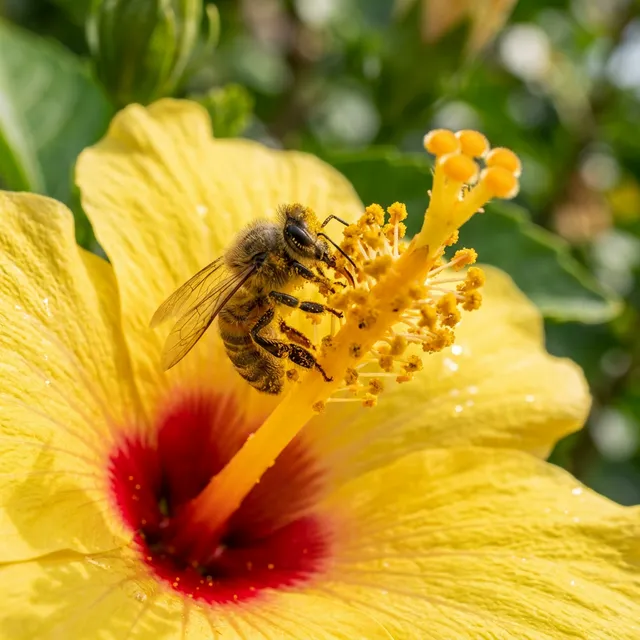
Pollination is the step that transfers pollen to the stigma and makes fertilization possible. It is one of the most repeated subtopics because it links flower structure, pollination types, and later seed and fruit formation.
What is double fertilization in flowering plants?
Double fertilization is a defining feature of angiosperms in which one male gamete fuses with the egg and the other fuses with the polar nuclei. It is one of the highest-intent questions on this topic because students often see it as the signature concept of flowering-plant reproduction.
How are seeds and fruits formed after fertilization?
After fertilization, the ovule develops into a seed and the ovary develops into a fruit. This post-fertilization sequence is important because CUET-style questions often ask students to connect structures before and after fertilization.
Should I focus more on pollination or seed formation for CUET?
Both matter, but a strong order is pollination and fertilization first, then double fertilization, and then seed and fruit formation. That sequence usually makes the chapter easier to understand and revise.
Is plant reproduction only theoretical, or is it useful in agriculture too?
It is highly useful in agriculture because crop propagation, hybrid seed production, pollination management, and seed development all depend on reproductive biology. That practical relevance makes the chapter valuable beyond the exam.