Unit 1: Agrometeorology, Genetics & Plant Breeding
CUET Agriculture Unit 1 notes covering agrometeorology, genetics, plant breeding, biotechnology, and revision planning for Agriculture 302.
Course Structure
What's Inside
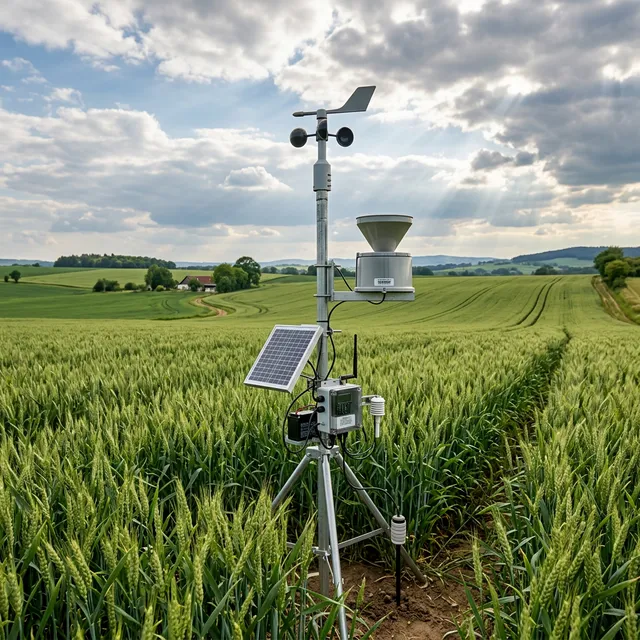

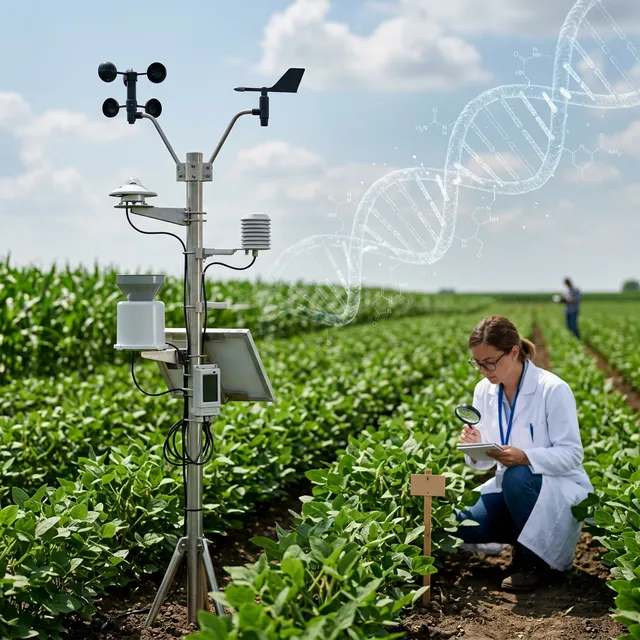
Agrometeorology
Elements of weather, agro-climatic zones, climate change, and their impact on crop production.
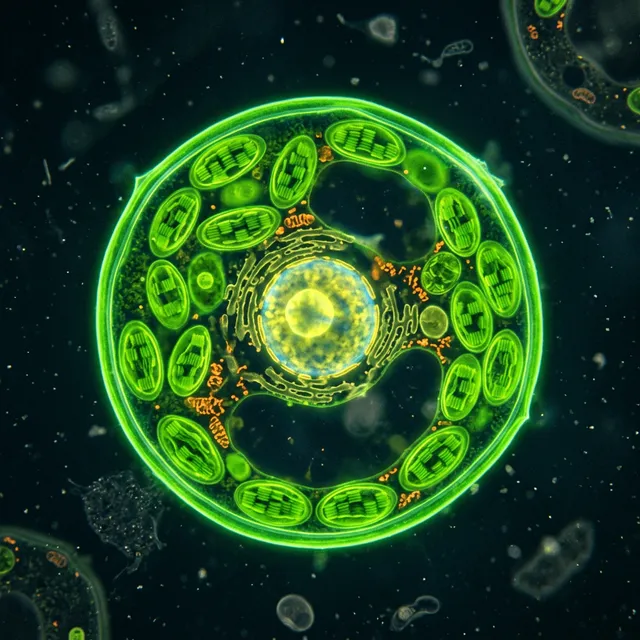
Cell Biology
Complete cell biology for CUET — cell structure, organelles, cell division (mitosis & meiosis), chromosomes, and genetic material.
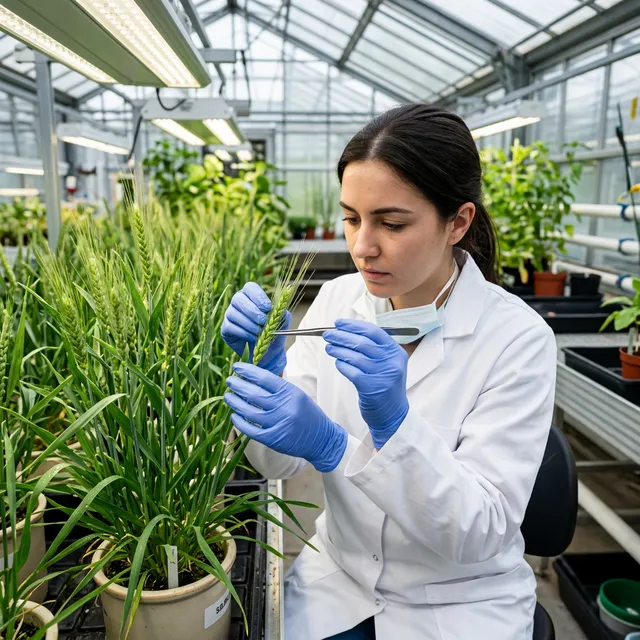
Genetics & Plant Breeding
Cell structure, mitosis, meiosis, Mendel's laws, plant breeding methods, and genetic principles for crop improvement.
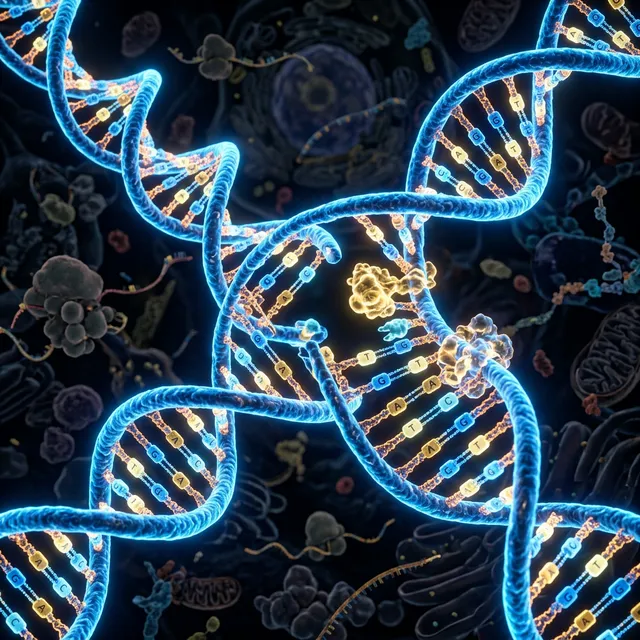
Molecular Biology
DNA structure, replication, transcription, translation, genetic code, mutations, DNA fingerprinting, and Human Genome Project for CUET.
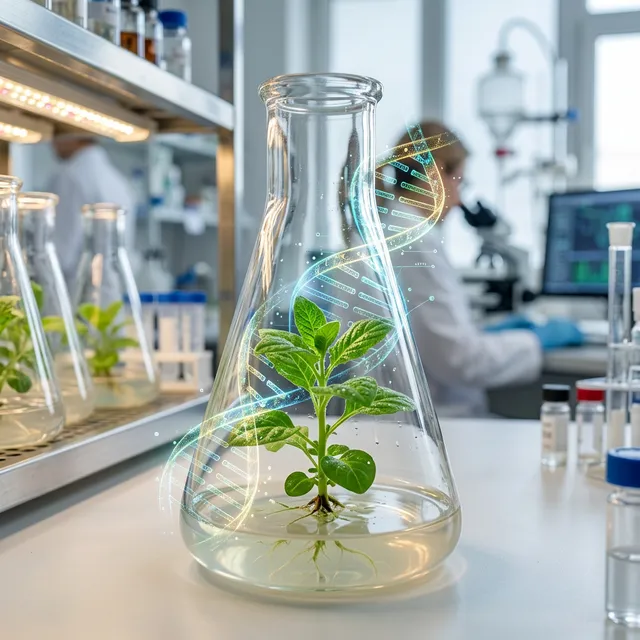
Biotechnology
DNA/RNA structure, tissue culture, genetic engineering, transgenic crops, and biotechnology in crop production.

Plant Physiology
Enzymes, water relations, plant transport, photosynthesis (C3/C4/CAM), respiration, plant hormones, and photoperiodism for CUET Agriculture.
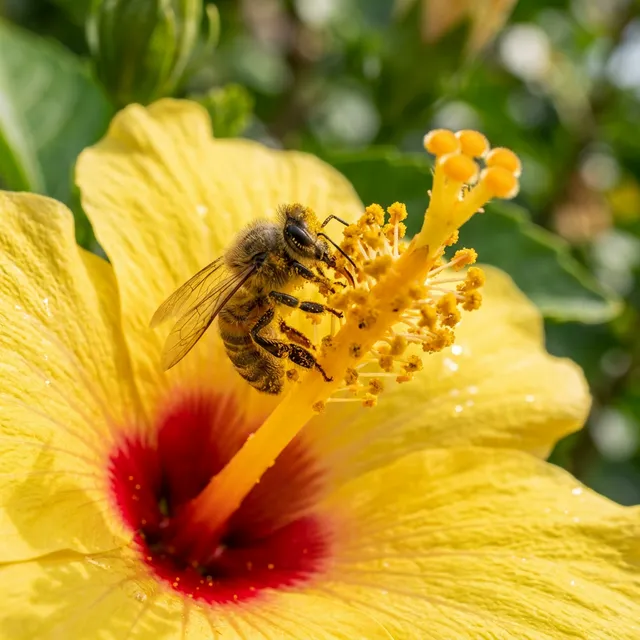
Plant Reproduction
Modes of reproduction in flowering plants — vegetative, asexual, and sexual reproduction, pollination, fertilization, and seed development.
Overview
Unit 1 of the CUET Agriculture syllabus is one of the most important sections. It spans three broad areas: agrometeorology, genetics and plant breeding, and biotechnology. A thorough understanding of this unit can significantly boost your overall score.
Agrometeorology
This section covers the relationship between weather elements and crop production. You will study rainfall patterns, temperature regimes, humidity, wind, and their direct influence on agricultural productivity. Understanding India's agro-climatic zones and the impact of climate change on farming systems is essential for this portion of the exam.
Genetics and Plant Breeding
The genetics portion begins with cell biology fundamentals including cell structure, mitosis, and meiosis. You will then study Mendel's laws of inheritance, dominance, segregation, and independent assortment. Plant breeding topics include selection methods, hybridization techniques, and the development of improved crop varieties. This is a high-weightage area with conceptually dense content.
Biotechnology
Biotechnology covers DNA and RNA structure, replication, transcription, and translation. You will also study tissue culture techniques, genetic engineering, and the role of biotechnology in modern crop improvement. Questions from this section test both factual recall and conceptual understanding.
Key Topics Covered
- Elements of weather: rainfall, temperature, humidity, wind
- Agro-climatic zones of India
- Climate change and its impact on agriculture
- Cell structure and organelles
- Mitosis and meiosis
- Mendel's laws of inheritance
- Linkage and crossing over
- DNA and RNA structure and function
- Tissue culture and micropropagation
- Genetic engineering and transgenic crops
- Role of biotechnology in crop improvement
Frequently Asked Questions
What topics are covered in CUET Agriculture Unit 1?
Unit 1 usually covers agrometeorology, genetics and plant breeding, and related biology foundations such as cell structure, mitosis, meiosis, Mendelian inheritance, nucleic acids, and biotechnology applications in crop improvement.
Is Unit 1 important in the CUET Agriculture paper?
Yes. Unit 1 is usually one of the most important foundations because it combines conceptual science with direct agriculture application. Students often improve both accuracy and confidence when this unit is revised properly.
Which part of Unit 1 is most scoring for CUET Agriculture?
Many students find genetics laws, cell division, DNA and RNA basics, biotechnology terms, and straightforward agrometeorology concepts highly scoring because they reward repeated revision and concept clarity.
Are Mendel's laws and plant breeding important for CUET Agriculture?
Yes. Mendel's laws, dominance, segregation, independent assortment, hybridization, selection, and basic breeding logic are some of the most repeatedly revised concepts because they appear in both direct and application-style questions.
What should I study first in Unit 1 Agrometeorology and Genetics?
A strong order is weather elements first, then cell biology and cell division, then Mendelian genetics, then plant breeding concepts, and finally DNA, RNA, tissue culture, and biotechnology applications.
Is biotechnology difficult in CUET Agriculture Unit 1?
Biotechnology feels difficult mainly when students jump into advanced terms too early. If you first understand cell structure, DNA, RNA, replication, transcription, and translation, the biotechnology part becomes much easier to revise.
Do agro-climatic zones and climate change matter for CUET Agriculture?
Yes. Agro-climatic zones, weather elements, crop-weather relationships, and climate-change impacts are important because they connect basic meteorology with real agricultural outcomes.
What is the best way to revise Unit 1 just before the CUET exam?
In the final revision phase, most students do best with laws and definitions first, then crop-weather concepts, then diagrams or process-based biology topics like mitosis, meiosis, DNA, RNA, and tissue culture.