Unit 2: Livestock Production
CUET Agriculture Unit 2 Livestock Production notes covering breeds, housing, feeding, breeding, livestock products, and disease-management revision.
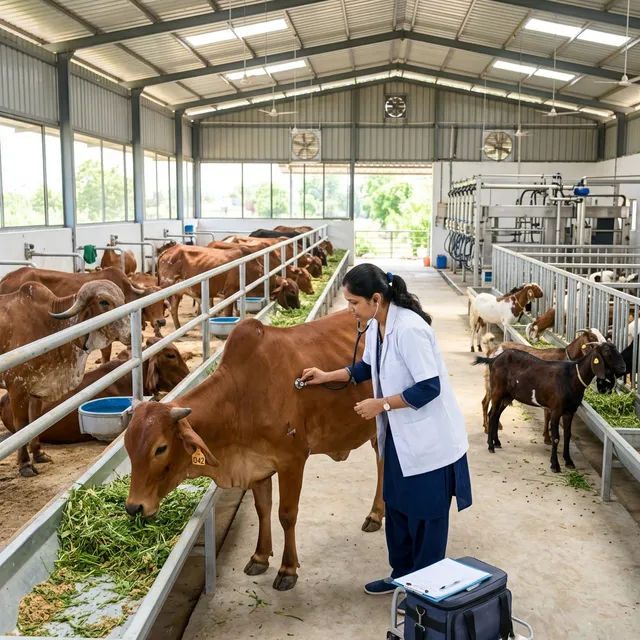
Course Structure
What's Inside
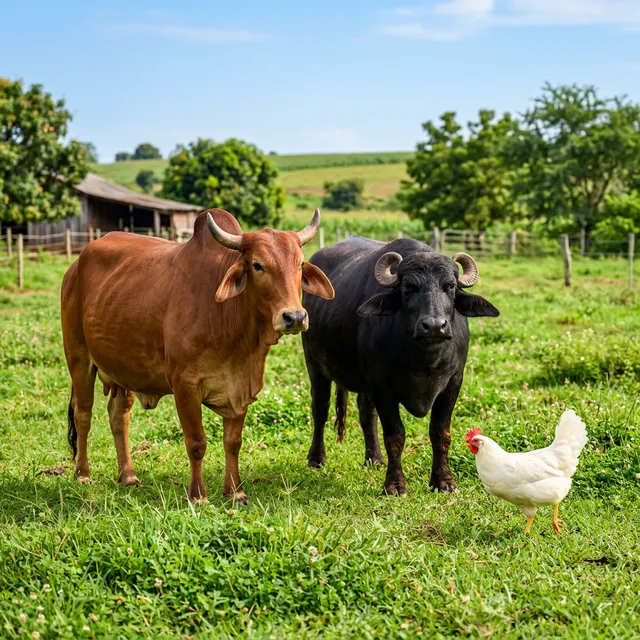

Breeds of Livestock & Poultry
Indian and exotic cattle, buffalo, goat, sheep, camel, and poultry breeds with key exam-oriented characteristics and revision points.
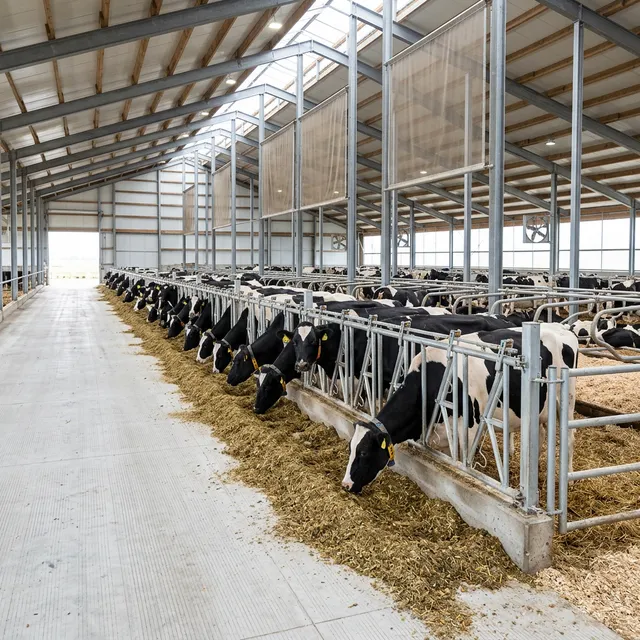
Livestock Management
Housing systems, balanced ration, feed classification, heat detection, and artificial insemination basics for CUET Agriculture.
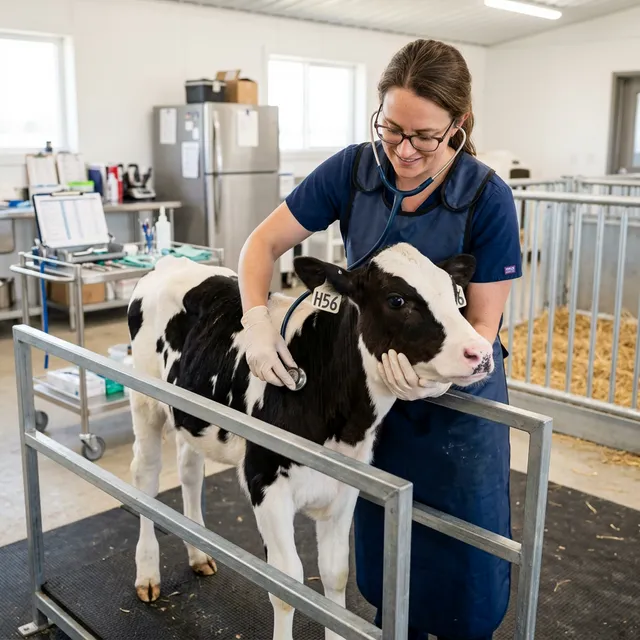
Animal Health & Diseases
Common livestock and poultry diseases, causative agents, prevention, vaccination, and biosecurity basics for CUET Agriculture.
Overview
Unit 2 focuses on livestock production and animal husbandry. While it is usually more factual than some other units, it can be highly scoring for students who revise breeds, management practices, products, and diseases in a structured way.
Breeds of Livestock and Poultry
This section requires you to know the important Indian and exotic breeds of cattle, buffalo, goat, sheep, camel, horse, and poultry. For each breed, you should be familiar with key characteristics such as origin, milk yield, physical features, and economic importance. Breed identification is a frequently tested area in CUET.
Livestock Management
Management practices form the practical backbone of this unit. You will study housing systems for different livestock, principles of balanced ration formulation, and animal nutrition. Reproductive management topics include artificial insemination, pregnancy diagnosis, and care of young stock. Understanding these practices is critical for both the exam and real-world application.
Animal Health and Diseases
Disease management covers the common diseases of cattle, buffalo, goat, sheep, and poultry along with their causative agents, symptoms, prevention, and treatment. Vaccination schedules and the role of veterinary medicines are also important. Questions from this section are straightforward and reward direct factual knowledge.
Key Topics Covered
- Indian breeds: Sahiwal, Gir, Red Sindhi, Tharparkar, Murrah, Surti, Jamunapari
- Exotic breeds: Jersey, Holstein Friesian, Brown Swiss
- Poultry breeds: White Leghorn, Rhode Island Red, Plymouth Rock
- Housing systems and space requirements
- Balanced rations and feed formulation
- Artificial insemination and breeding management
- Common diseases: FMD, Rinderpest, Mastitis, Ranikhet, Coccidiosis
- Vaccination schedules and preventive measures
Frequently Asked Questions
What topics are covered in CUET Agriculture Unit 2 Livestock Production?
Unit 2 usually covers livestock importance, Indian and exotic breeds, housing, feeding and ration basics, breeding and artificial insemination, milk and egg products, common animal diseases, and selected fisheries concepts.
Is Livestock Production an easy scoring unit in CUET Agriculture?
Many students find it relatively scoring because a large part of the unit is factual and classification-based. It becomes easier when you revise breeds, products, disease names, and basic management concepts repeatedly.
Which breeds are most important in CUET Agriculture Livestock Production?
Students usually prioritize repeatedly taught breeds such as Sahiwal, Gir, Red Sindhi, Tharparkar, Murrah, Surti, Jamunapari, White Leghorn, Rhode Island Red, and Plymouth Rock along with a few key exotic breeds like Jersey and Holstein Friesian.
Are animal diseases important in Unit 2 of CUET Agriculture?
Yes. Common cattle and poultry diseases such as FMD, mastitis, brucellosis, Ranikhet disease, fowl pox, and coccidiosis are important because students are often tested on disease recognition, prevention, vaccination, or animal-group association.
Do feeding and balanced ration topics matter in CUET Livestock Production?
Yes. Feeding principles, ration components, maintenance versus production needs, and the basics of animal nutrition are core management topics and help students answer both direct and applied questions.
Is artificial insemination important for CUET Agriculture?
Yes. Artificial insemination is one of the repeated animal-husbandry concepts because it connects breeding management, genetic improvement, and practical livestock production.
What should I study first in Unit 2 Livestock Production?
A strong order is livestock importance and breed classification first, then housing and feeding, then breeding and artificial insemination, and finally diseases, vaccination, milk and egg products, and fisheries-related basics.
What is the best way to revise Livestock Production before the exam?
Most students revise fastest by using breed tables, animal-product lists, disease-to-animal matching, and short management summaries rather than reading long paragraphs repeatedly.