Livestock Management
Housing systems, balanced ration, feed classification, heat detection, and artificial insemination basics for CUET Agriculture.
Frequently Asked Questions
What topics are covered in Livestock Management for CUET Agriculture?
This section usually covers housing systems, ventilation and drainage basics, roughages and concentrates, balanced ration, deficiency-related concepts, estrous cycle, heat signs, artificial insemination, and young-stock care.
What is a balanced ration in animal nutrition?
A balanced ration is a feed plan that supplies required nutrients in proper proportion for maintenance, growth, reproduction, and production according to the animal's age, body condition, and output.
What is the difference between roughages and concentrates?
Roughages are bulky, fibre-rich feeds such as fodder and hay, while concentrates are denser feeds that usually supply more energy or protein in smaller quantity. This comparison is asked very often in livestock MCQs.
Which housing systems are most important to remember for CUET Agriculture?
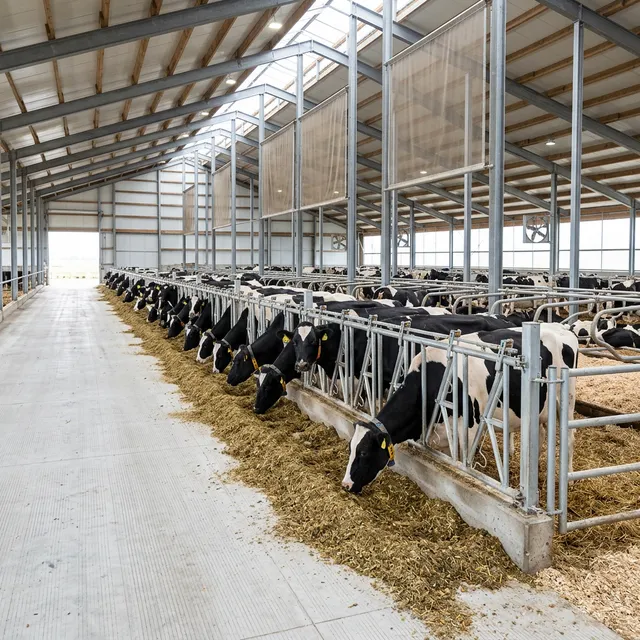
Students usually focus on loose housing and conventional housing for large animals, and deep-litter systems for poultry, along with basic ideas like floor space, ventilation, drainage, and cleanliness.
Why is artificial insemination important in livestock management?
Artificial insemination is important because it supports controlled breeding, better use of superior germplasm, and practical herd improvement. It is one of the most repeatedly tested reproduction topics in animal husbandry.
Do I need to study signs of heat and estrous cycle for CUET Agriculture?
Yes. Questions from reproductive management often depend on identifying estrus, understanding the breeding window, and connecting heat signs with proper livestock management.
Is Pearson's square method important for this section?
Yes. Even when full calculations are not asked, students are expected to understand why Pearson's square is used in simple ration balancing and feed-mixture planning.
What should I study first in Livestock Management?
A strong order is housing and hygiene first, then feed classification and balanced ration, and finally reproduction topics such as heat detection, artificial insemination, and pregnancy-related management.
How can I revise Livestock Management quickly before the exam?
Most students revise this section fastest with comparison tables for housing systems, roughages versus concentrates, and natural mating versus artificial insemination, plus short notes on balanced ration and heat signs.