Unit 3: Crop Production
CUET Agriculture Unit 3 Crop Production notes covering soil science, irrigation, weed and pest control, major crops, and revision planning.
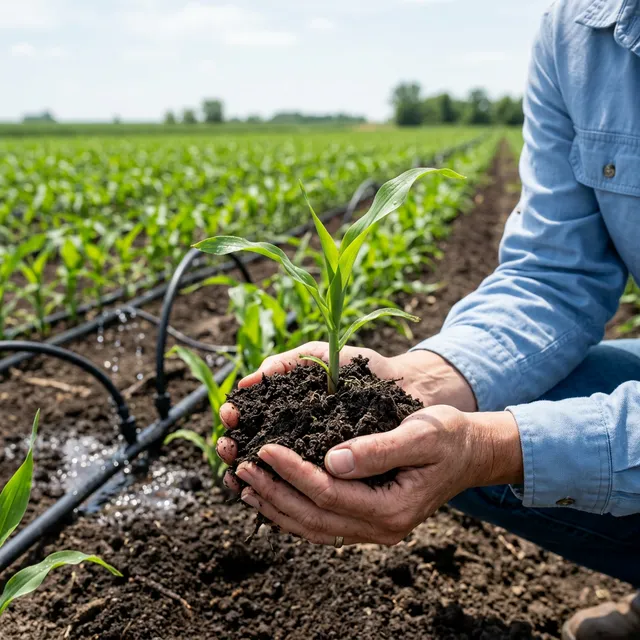
Course Structure
What's Inside
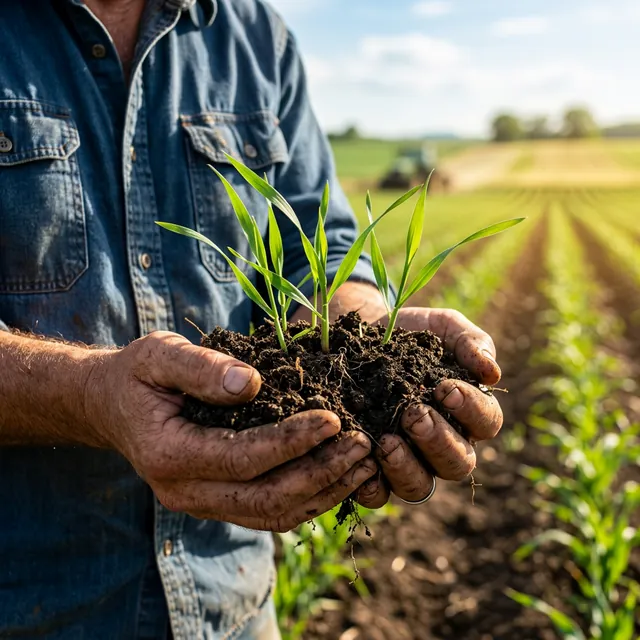

Soil Science
Soil profile, fertility, pH, essential nutrients, deficiency symptoms, and soil management for crop production.
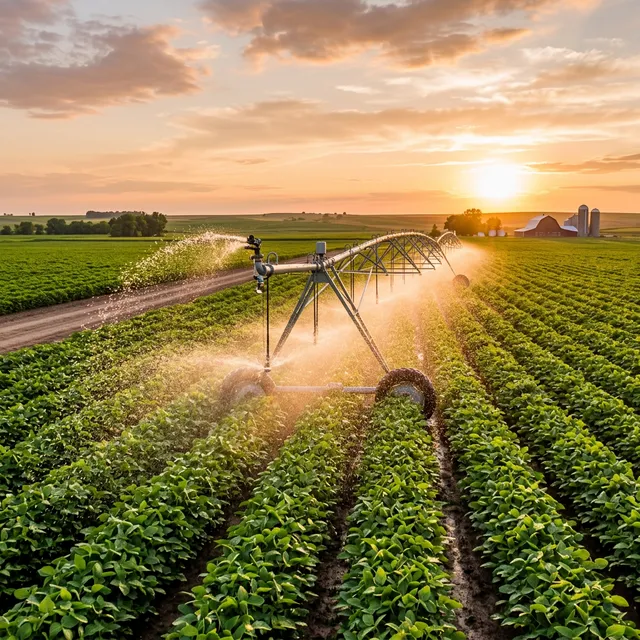
Irrigation & Water Management
Methods of irrigation, water management techniques, duty, delta, base period, and watershed management.
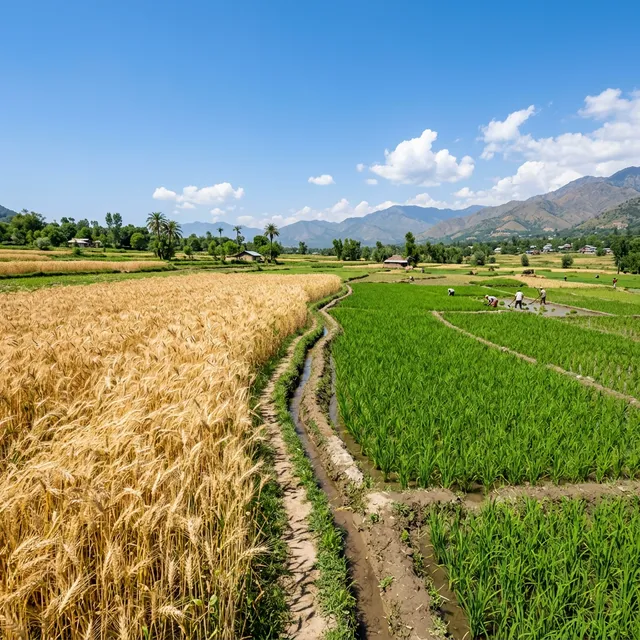
Major Crops of India
Detailed study of rice, wheat, maize, pulses, oilseeds, cotton, sugarcane, and crop-wise cultivation practices.
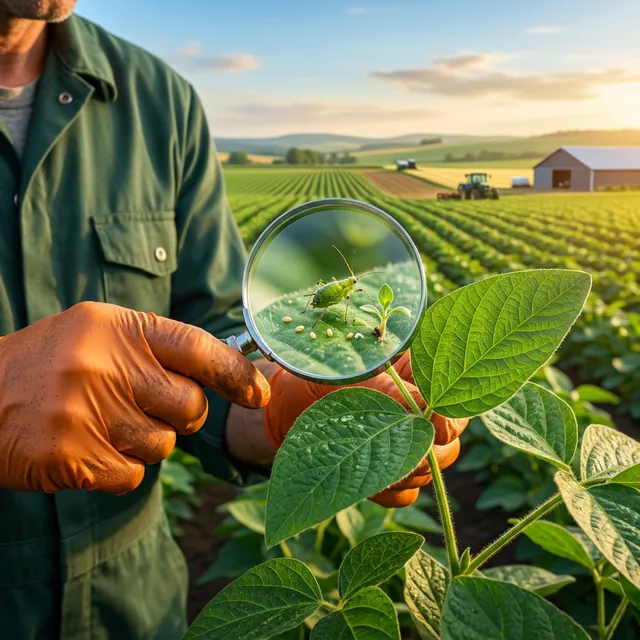
Weed & Pest Control
Integrated Pest Management, weed control principles, herbicides, ETL, and plant protection.
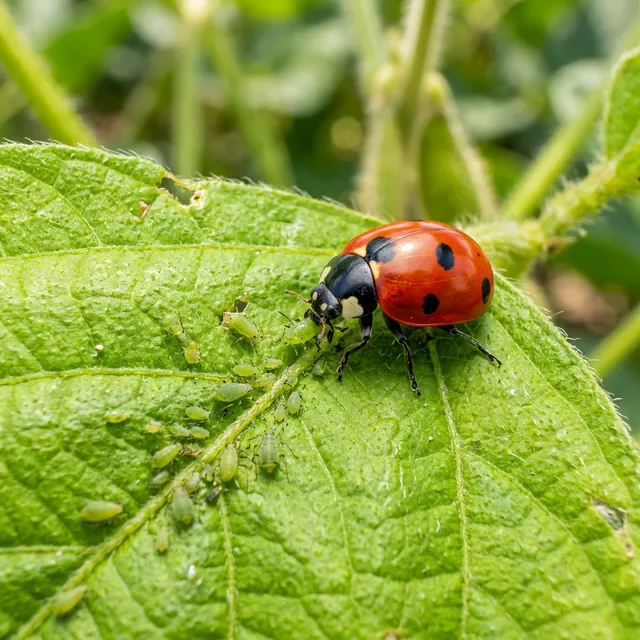
Entomology & Pest Management
Insect classification, major crop pests, integrated pest management (IPM), insecticide classification, and beneficial insects for CUET.
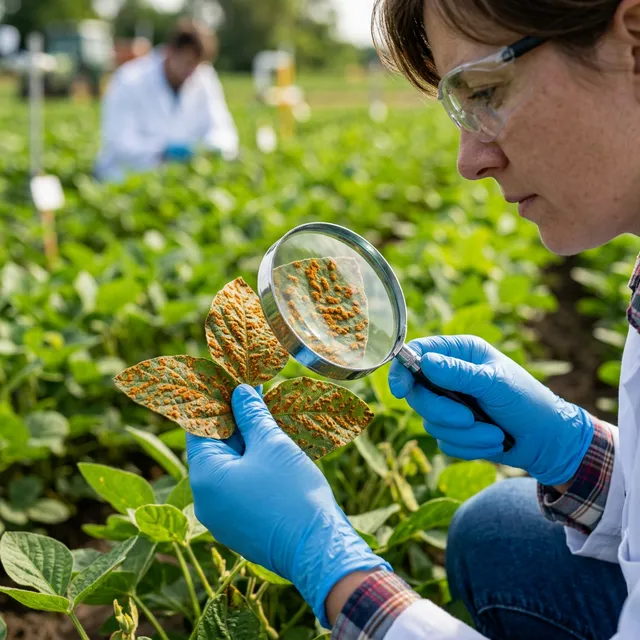
Plant Pathology & Nematology
Plant diseases, causal organisms, disease management, and plant parasitic nematodes for CUET Agriculture.
Overview
Unit 3 is one of the most extensive and important units in the CUET Agriculture syllabus. It covers the entire spectrum of crop production from soil fundamentals to the cultivation practices of major Indian crops. Mastering this unit is essential for a strong performance in the domain paper.
Soil Science
The soil science section covers soil composition, soil pH, essential plant nutrients (macro and micro), and their deficiency symptoms. You will study soil fertility management, the role of organic matter, and principles of sustainable soil health. This foundational knowledge underpins all crop production topics.
Irrigation and Water Management
Irrigation is a critical input for Indian agriculture. This section covers different methods of irrigation including surface, sprinkler, and drip irrigation. You will also study water requirement of crops, irrigation scheduling, and watershed management principles. Questions often test your understanding of water use efficiency and modern irrigation techniques.
Weed and Pest Control
Integrated Pest Management (IPM) and weed control form an important part of this unit. You will study classification of weeds, methods of weed control (mechanical, chemical, biological), and commonly used herbicides. Pest management covers identification of major crop pests, their life cycles, and control measures including biological control agents.
Major Crops of India
This is the most question-rich section within Unit 3. You will study the cultivation practices of major cereals (Rice, Wheat, Maize), pulses (Gram, Lentil, Pigeonpea), oilseeds (Mustard, Groundnut, Soybean), and commercial crops (Sugarcane, Cotton). For each crop, focus on climate requirements, varieties, sowing practices, nutrient management, and harvesting.
Key Topics Covered
- Soil composition, texture, and structure
- Soil pH and nutrient availability
- Essential plant nutrients and deficiency symptoms
- Methods of irrigation: surface, sprinkler, drip
- Water requirement and irrigation scheduling
- Watershed management
- Weed classification and control methods
- Integrated Pest Management (IPM)
- Herbicides and their classification
- Cultivation of Rice, Wheat, Maize, Pulses, Oilseeds
- Commercial crops: Sugarcane, Cotton, Jute
Frequently Asked Questions
What topics are covered in CUET Agriculture Unit 3 Crop Production?
Unit 3 usually covers soil and soil fertility, manures and fertilizers, irrigation and drainage, weed management, pest and disease basics, cropping practices, and the cultivation of major cereals, pulses, oilseeds, and commercial crops.
Is Crop Production the most important unit in CUET Agriculture?
It is usually one of the biggest and most important units because it covers a large share of the practical agriculture syllabus. Students often spend extra revision time here because the unit touches soil, water, weeds, pests, and crop-wise cultivation in one place.
Which topics are most scoring in Unit 3 Crop Production?
Many students find soil basics, nutrient-deficiency symptoms, irrigation methods, weed-control principles, IPM concepts, and crop-wise climate or sowing facts highly scoring because they combine concept recall with short factual revision.
Which crops are most important in CUET Agriculture Crop Production?
Students usually prioritize rice, wheat, maize, gram, lentil, pigeonpea, mustard, groundnut, soybean, sugarcane, cotton, and jute because these repeatedly appear in crop-wise preparation and revision lists.
Do soil pH and nutrient deficiency symptoms matter in CUET Agriculture?
Yes. Soil pH, macro and micronutrients, nutrient functions, and deficiency symptoms are core areas because they connect soil science with visible crop response and are often tested through direct concept questions.
Are irrigation methods and water management important for Unit 3?
Yes. Surface irrigation, sprinkler irrigation, drip irrigation, scheduling, water-use efficiency, and watershed or drainage basics are important because they are easy to compare and revise.
Is weed control and IPM important in Crop Production?
Yes. Weed classification, mechanical and chemical control, herbicide basics, and integrated pest management are important because they connect theory with field-level crop protection decisions.
What is the best order to prepare Unit 3 Crop Production?
A strong order is soil science first, then fertilizers and manures, then irrigation and water management, then weeds and pests, and finally major crops with their climate, sowing, nutrient, and harvesting points.
What is the fastest way to revise Crop Production before the exam?
Most students revise fastest with crop-wise summary tables, soil and nutrient charts, irrigation-method comparisons, and weed or IPM one-line notes rather than re-reading the whole unit from scratch.