Entomology & Pest Management
Insect classification, major crop pests, integrated pest management (IPM), insecticide classification, and beneficial insects for CUET.
Frequently Asked Questions
Is entomology important for CUET Agriculture?
Yes. Entomology is important because insect pests directly affect crop health, yield, and protection practices. In CUET Agriculture it usually matters through insect basics, major crop pests, beneficial insects, and pest-management concepts.
What topics are covered in CUET Agriculture entomology?
This page is aligned with the main topics students usually search for: insect classification, important insect orders, identification of major crop pests, integrated pest management, insecticide classification, and beneficial insects.
What is IPM in entomology?
IPM stands for Integrated Pest Management. It means managing pest populations through a planned combination of cultural, mechanical, biological, and chemical methods instead of relying only on insecticides.
Why are beneficial insects important in agriculture?
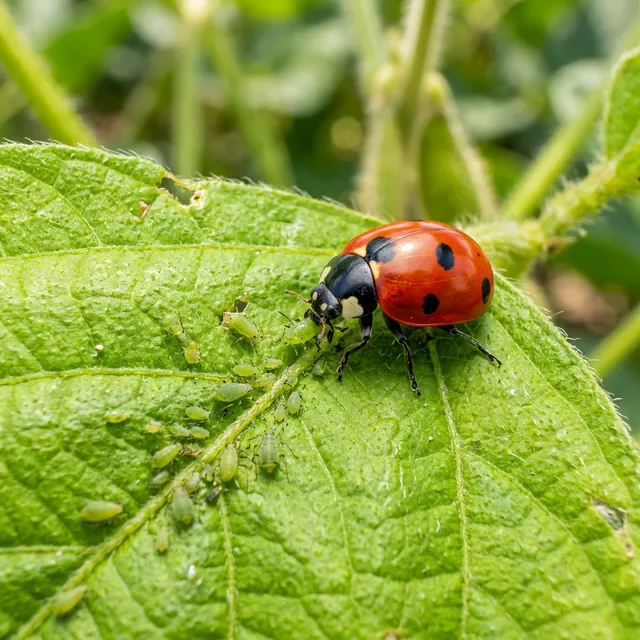
Beneficial insects matter because not all insects are crop pests. Some help through pollination, predation, or parasitism and are an important part of biological control and sustainable pest management.
Which insect orders are most important to revise for CUET Agriculture?
Students usually focus on the insect orders most often connected with crop pests and useful insects, because those are easier to test through examples, mouthparts, damage type, or economic importance.
Should I focus more on pest names or pest-management concepts?
Both are useful, but a strong revision order is insect basics first, then major crop pests and their identification, and then management concepts like IPM and beneficial insects. That keeps the topic easier to remember.
Are insecticides and pest control methods asked in CUET Agriculture?
Yes. Introductory questions around insecticide groups, control methods, and safe pest-management thinking are common because they connect entomology with practical crop protection.
Is entomology useful only for exams or also for real agriculture?
It is very useful in real agriculture because farmers and students need to identify harmful pests, protect natural enemies, and choose better control strategies. That practical relevance is one reason this topic remains important.