Unit 4: Horticulture
CUET Agriculture Unit 4 Horticulture notes covering fruits, vegetables, post-harvest technology, preservation, floriculture, landscaping, and revision planning.
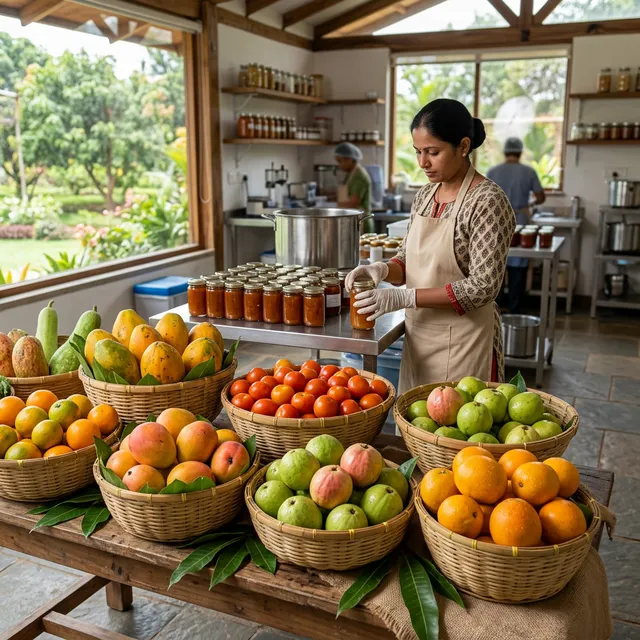
Course Structure
What's Inside
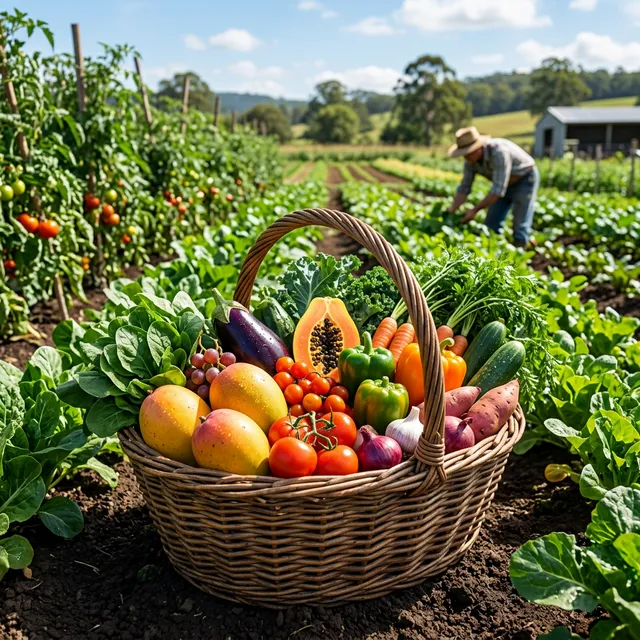

Fruit & Vegetable Cultivation
Major fruit and vegetable crops, propagation methods, nursery basics, and high-yield horticulture revision topics for CUET Agriculture.
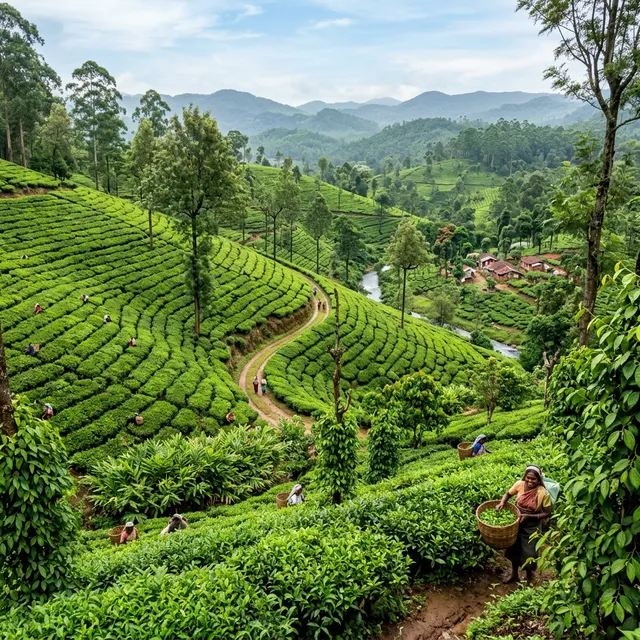
Plantation Crops & Spices
Coconut, arecanut, rubber, tea, coffee, cocoa, and key spice-crop concepts for CUET Agriculture.
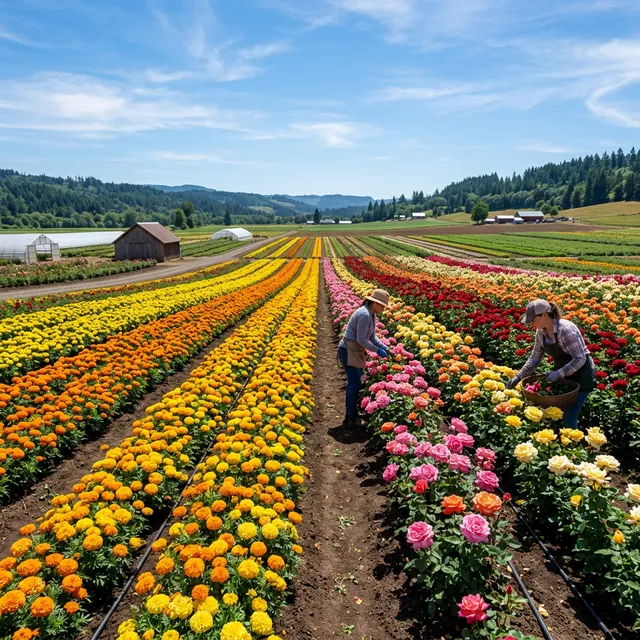
Floriculture
Commercial flowers like rose, marigold, chrysanthemum, jasmine, gladiolus, and tuberose with key propagation and management topics for CUET Agriculture.

Landscaping & Ornamental Gardening
Ornamental gardening, formal and informal garden styles, kitchen gardening, and landscape design principles for CUET Agriculture.
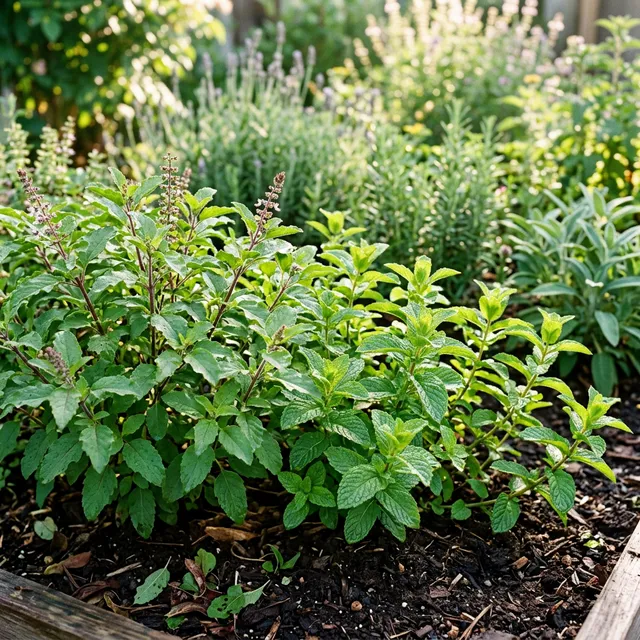
Medicinal & Aromatic Plants
Important medicinal and aromatic crops, active principles, essential oils, uses, and basic cultivation concepts for CUET Agriculture.
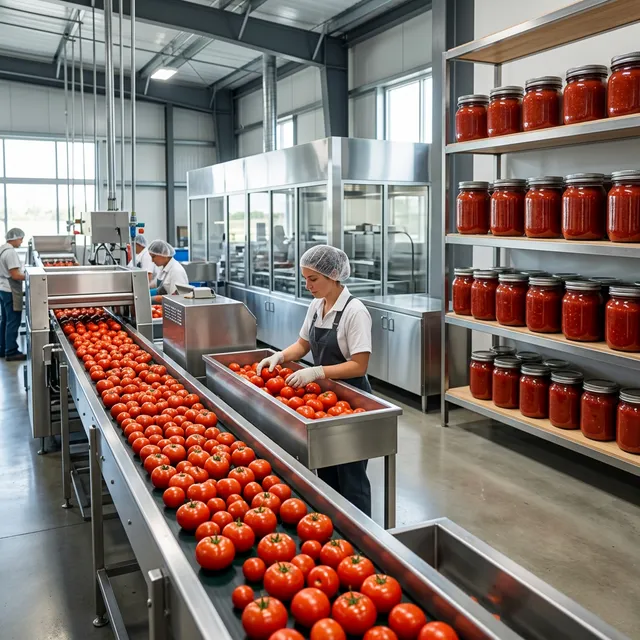
Post-Harvest Technology
Preservation methods, jam and jelly basics, TSS and pectin, cold storage, and packaging concepts for CUET Agriculture.
Overview
Unit 4 covers horticulture and regularly contributes multiple questions to the CUET Agriculture paper. This unit is diverse, spanning fruit and vegetable cultivation, post-harvest technology, floriculture, plantation and medicinal crops, and ornamental gardening. The questions are often application-based, testing your understanding of cultivation practices, propagation, and preservation techniques.
Fruit and Vegetable Cultivation
This section covers the production technology of major Indian fruits such as Mango, Banana, Papaya, Guava, and Citrus. For vegetables, you will study the cultivation of Tomato, Potato, Onion, Cauliflower, and other important crops. Key topics include climate requirements, varieties, planting methods, nutrient management, and common disorders.
Post-Harvest Technology
Post-harvest losses are a major challenge in Indian horticulture. This section covers the principles and methods of preserving fruits and vegetables. You will study preparation of value-added products including jams, jellies, ketchup, pickles, and squashes. Understanding the role of temperature, packaging, and chemical preservatives in extending shelf life is important for the exam.
Landscaping and Ornamental Gardening
The landscaping section introduces you to principles of garden design, types of gardens (formal, informal, Japanese), and ornamental plant selection. Kitchen gardening, terrace gardening, and the importance of indoor plants are also covered. While this section carries fewer questions, the concepts are straightforward and scoring.
Key Topics Covered
- Cultivation of Mango, Banana, Papaya, Guava, Citrus
- Cultivation of Tomato, Potato, Onion, Cauliflower
- Varieties and planting techniques for major horticultural crops
- Principles of post-harvest management
- Preservation methods: canning, dehydration, freezing
- Preparation of jams, jellies, ketchup, pickles
- Role of preservatives and packaging
- Garden styles: formal, informal, Japanese
- Ornamental plants and their classification
- Kitchen gardening and terrace gardening
- Landscape design principles
Frequently Asked Questions
What topics are included in CUET Agriculture Unit 4 Horticulture?
Unit 4 usually includes fruit and vegetable cultivation, important flowers and ornamental crops, medicinal and plantation crops, post-harvest management, value addition, preservation methods, and basic landscaping or kitchen-garden concepts.
How important is Horticulture in the CUET Agriculture paper?
Horticulture is one of the core units in Agriculture 302, so it regularly contributes multiple questions. Students usually benefit most when they revise crops, propagation methods, post-harvest concepts, and common examples instead of reading the unit only once.
Which crops are most important in the Horticulture unit for CUET Agriculture?
Students usually prioritize repeated syllabus crops such as mango, banana, papaya, guava, citrus, grapes, tomato, potato, onion, cauliflower, brinjal, spinach, cabbage, and selected flowers such as rose, marigold, chrysanthemum, gladiolus, and canna.
Are post-harvest technology and preservation important for CUET Agriculture?
Yes. Post-harvest losses, storage, packaging, preservation principles, and value-added products like jam, jelly, squash, ketchup, pickle, and chips are common high-yield revision areas because they are concept-heavy but still scoring.
Do propagation methods matter in Unit 4 Horticulture?
Yes. Seed propagation, cutting, layering, budding, and grafting are foundational horticulture topics and students are often asked to match crops with the correct propagation method or identify the best technique for a given plant.
Is landscaping and ornamental gardening a scoring part of the syllabus?
Usually yes. Landscaping is often lighter than cultivation and post-harvest sections, so students can convert it into a scoring area by memorizing garden types, ornamental plant categories, and simple design principles.
What is the best order to prepare Unit 4 Horticulture?
A strong order is fruits and vegetables first, then propagation and crop management, then post-harvest and preservation, and finally floriculture, medicinal plants, plantation crops, and landscaping. That order helps you lock the broadest question base early.
Which part of Horticulture is easiest to revise just before the exam?
Most students find landscaping, flower examples, propagation methods, and value-added product lists faster to revise in the final days, while crop-wise cultivation details usually need repeated earlier revision.