Landscaping & Ornamental Gardening
Ornamental gardening, formal and informal garden styles, kitchen gardening, and landscape design principles for CUET Agriculture.
Frequently Asked Questions
What topics are covered in Landscaping and Ornamental Gardening for CUET Agriculture?
This section usually covers formal, informal, and Japanese garden styles, principles of landscape design, ornamental plant groups, famous gardens of India, and kitchen or terrace gardening basics.
What is the difference between formal and informal gardens?
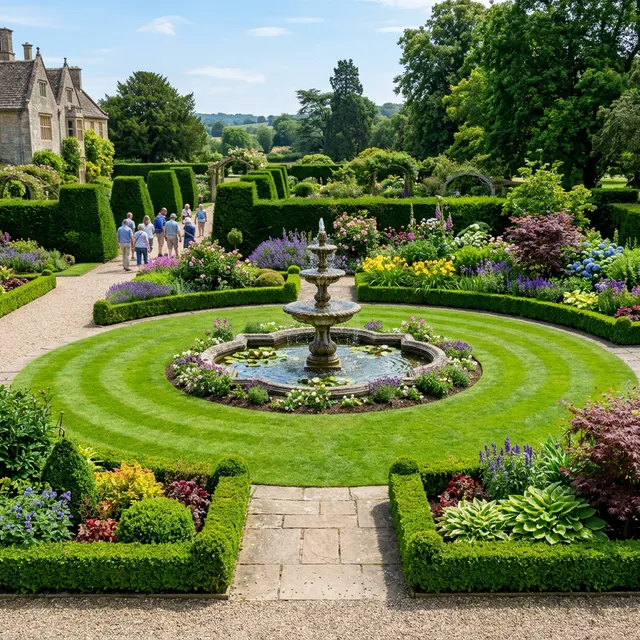
Formal gardens follow symmetry, geometry, and planned alignment, while informal gardens look more natural, irregular, and free flowing. This is one of the most common comparison questions in landscaping.
Why are Japanese gardens important in horticulture revision?
Japanese gardens are important because they represent a distinctive landscape style built around simplicity, symbolism, harmony, and careful placement of natural elements. They are often asked as a style-identification topic.
What are the main principles of landscape design?
Students usually revise unity, balance, proportion, rhythm, sequence, simplicity, and focalization as the core principles used to create visually pleasing garden layouts.
What is kitchen gardening?
Kitchen gardening means growing vegetables, herbs, and sometimes fruits near the home for regular household use. In Indian horticulture notes it is also described as home gardening or nutrition gardening.
Is terrace or container gardening important for CUET Agriculture?
Yes. Terrace and container gardening are useful extension topics because they connect ornamental and vegetable production with urban space use, pot selection, watering, and home-scale management.
How are ornamental plants commonly classified in this section?
They are commonly grouped as trees, shrubs, climbers, creepers, hedges, ground covers, seasonal flowers, and indoor plants based on their growth habit and landscape use.
Which ornamental plants should I remember first?
A practical starting list includes rose, marigold, chrysanthemum, jasmine, bougainvillea, and a few common hedge or climber examples because these appear repeatedly in horticulture revision.
How can I revise Landscaping and Ornamental Gardening quickly before the exam?
Most students revise this section fastest by making short tables for garden styles, design principles, ornamental plant categories, and famous examples instead of reading the whole chapter repeatedly.