Entomology
Complete agricultural entomology notes covering insect morphology, anatomy, physiology & systematics, important crop pests (rice, wheat, cotton, vegetables), stored grain pests, IPM, toxicology, apiculture, sericulture, lac culture & nematology. Prepared for IBPS AFO, NABARD Grade A, ICAR, FCI, and state agriculture officer exams.
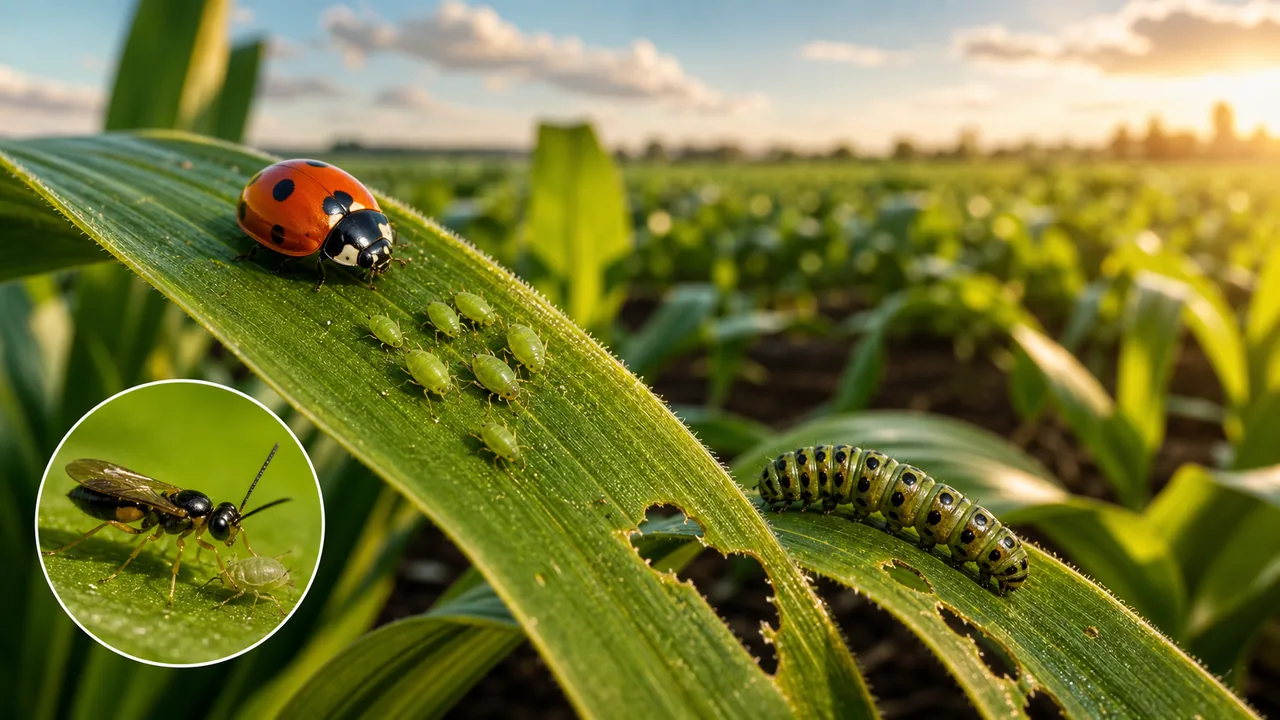
Course Structure
What's Inside
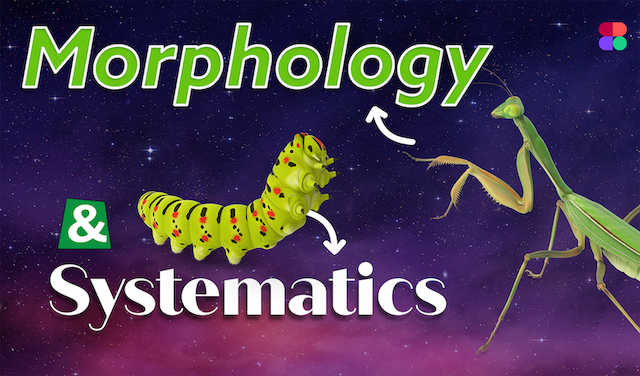

Insect Morphology & Systematics
Insect external and internal morphology, body segments and appendages, classification by orders (Lepidoptera, Coleoptera, Diptera, Hemiptera), metamorphosis types, insect taxonomy — for exams.
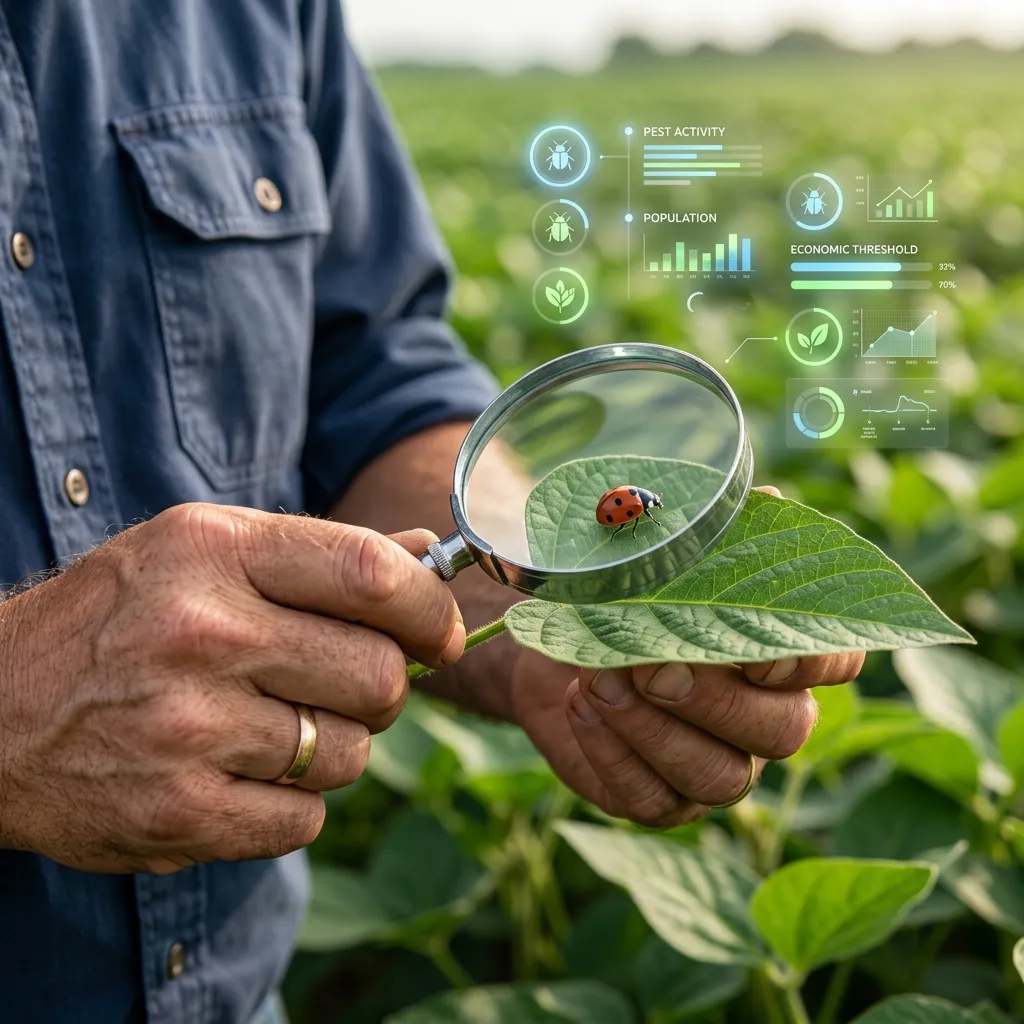
Pest Management & IPM
Pest classification, Economic Threshold Levels, Integrated Pest Management, toxicology, insecticide formulations, biological control, and trapping methods
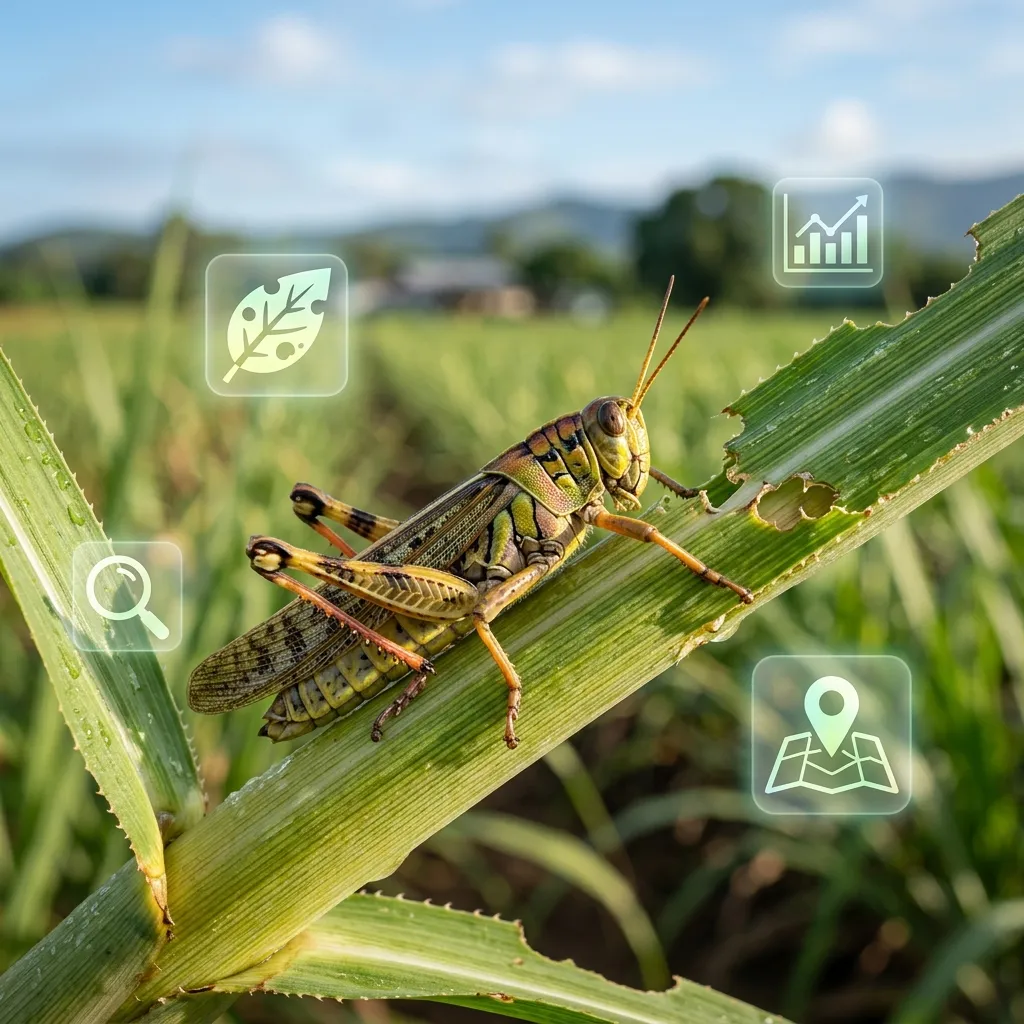
Important Pests
Comprehensive guide to major pests of cereals, commercial crops, pulses & oilseeds, sugarcane, vegetables, and stored grains — identification, damage symptoms, ETL, and IPM strategies
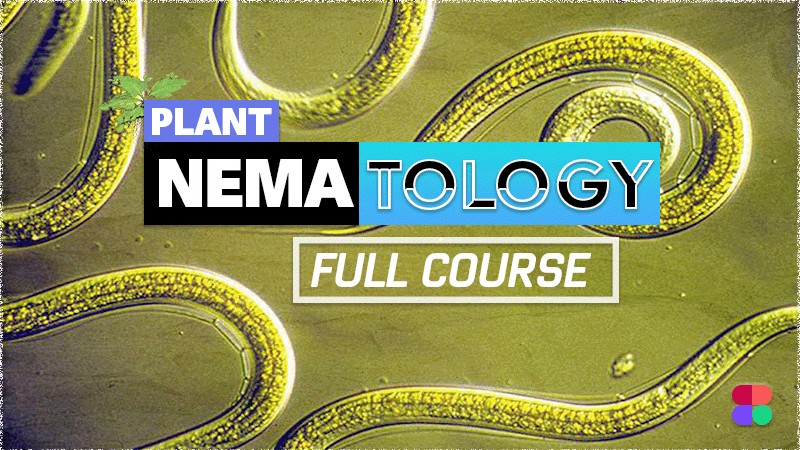
Nematology
Plant parasitic nematodes — root-knot, cyst, reniform and burrowing nematodes. Symptoms, lifecycle, host range, damage thresholds, chemical and biological management strategies for agriculture exams.
Beneficial Insects
Economic insects — honey bees (Apis species), silkworm sericulture, lac insects, pollinators and natural enemies. Biology, rearing practices, products and economic importance for exams.
Entomology
This comprehensive course covers all the important concepts of Entomology essential for competitive agricultural exams. The course is divided into the following sections:
- Insect Morphology & Systematics — Insect body structure, physiology, metamorphosis, and classification up to orders and families
- Beneficial Insects — Apiculture, sericulture, lac culture, and other economically important insects
- Nematology — Plant parasitic nematodes, biology, identification, and management
- Pest Management & IPM — Pest classification, ETL/EIL concepts, integrated pest management, biological control, chemical control, toxicology
- Cereal Crop Pests — Pests of rice, wheat, sorghum, pearl millet, and maize with ETL values and management
- Sugarcane Pests — Borers, root feeders, and sap feeders of sugarcane
- Commercial Crop Pests — Cotton bollworms, sucking pests, Bt cotton, and groundnut pests
- Pulse & Oilseed Crop Pests — Pests of pulses, chickpea, mustard, finger millet, and polyphagous pests
- Fruit Crop Pests — Pests of mango, citrus, banana, coconut, guava, and pomegranate
- Vegetable & Plantation Crop Pests — Pests of tomato, brinjal, chilli, okra, onion, cole crops, potato, tea, and tobacco
- Stored Grain Pests — Primary and secondary storage pests, fumigation, and management
- Entomology Important Facts — 200+ one-liners and quick revision facts for exam preparation
What students say about this course
Real experiences from learners preparing for agriculture and government exams.
Frequently Asked Questions
What does Agricultural Entomology cover?
Agricultural Entomology covers insect morphology, anatomy, physiology, classification, economically important crop pests, stored grain pests, integrated pest management, insecticides, beneficial insects, apiculture, sericulture, lac culture, and nematology basics.
Why is Entomology important for IBPS AFO and NABARD?
Entomology is a high-yield agriculture subject because many questions are direct and fact-based, such as mouthparts, metamorphosis, pest symptoms, natural enemies, honeybee races, and major pests of rice, cotton, sugarcane, pulses, and vegetables.
What is the difference between pest management and plant disease management?
Pest management mainly deals with insects, mites, nematodes, and their control, while plant disease management focuses on fungi, bacteria, viruses, and other pathogens. In competitive exams, both subjects overlap through integrated crop protection.
How should I start Entomology as a beginner?
Begin with insect body parts, metamorphosis, and classification. Then study crop-wise major pests and their damage symptoms, followed by biological control, insecticides, and integrated pest management so facts become easier to retain.