🌱 Pests of Pulses: Red Gram, Chickpea & Beyond
Complete guide to all major and minor pests of pulses — gram pod borer (Helicoverpa armigera), plume moth, pod fly, cut worm, stem fly, sterility mite, spotted pod borer, tur pod bug with scientific names, ETL, damage, management, and exam mnemonics
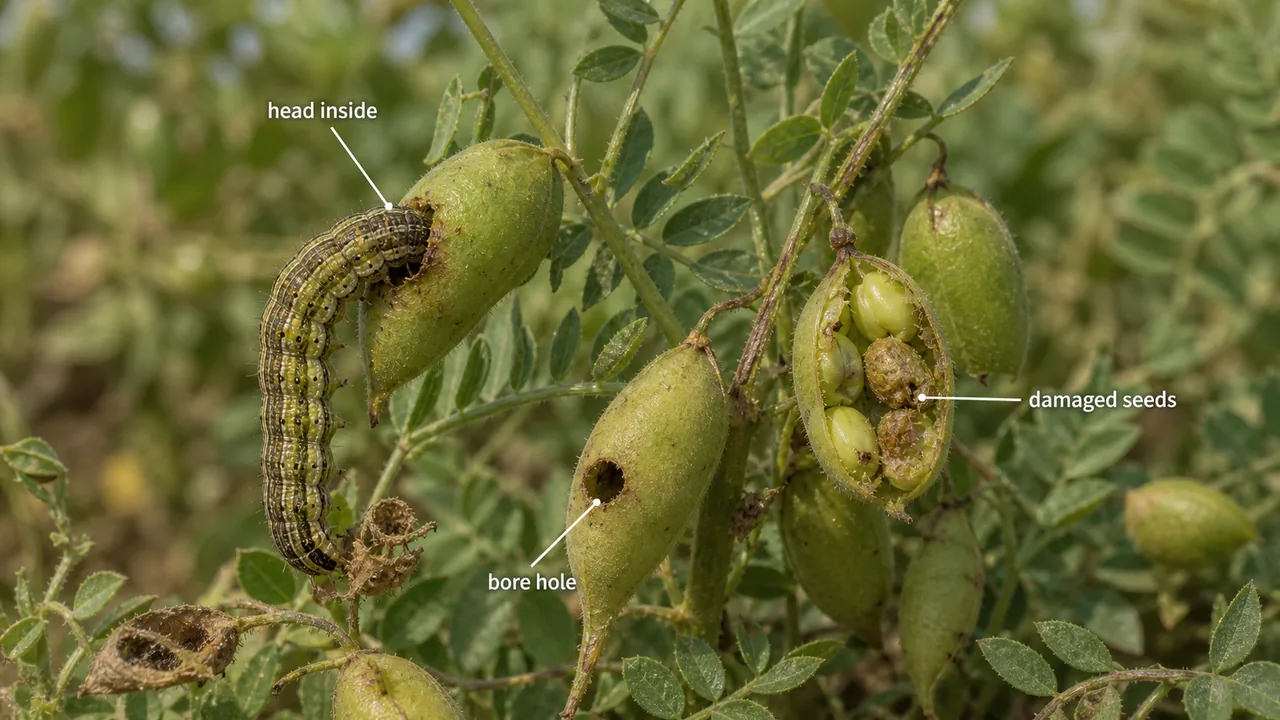
A chickpea farmer in Maharashtra's Latur district inspects his flowering crop and notices something troubling: plump green caterpillars are hanging from the pods, each with its head thrust inside the pod while the rest of the body dangles outside. These are larvae of Helicoverpa armigera — the gram pod borer — arguably the single most destructive and most frequently examined insect pest in Indian agriculture. Pulses (red gram, chickpea, green gram, black gram) are attacked by a diverse range of pests from seedling to harvest, but the pod borer stands far above the rest in terms of economic impact. Understanding this pest complex thoroughly is essential for competitive exams.
Why Pulses Are Vulnerable
Pulses face a unique challenge: most pulse pests are pod borers or pod feeders that attack the reproductive parts — the flowers, pods, and developing seeds. This means:
- Damage directly reduces the harvestable grain yield
- Infested seeds are unfit for both consumption and germination
- Many pests bore into pods, making them difficult to reach with contact insecticides
Pest Summary Table — Red Gram & Chickpea
| S.No | Common Name | Scientific Name | Family | Order | Key Feature |
|---|---|---|---|---|---|
| 1 | Gram pod borer | Helicoverpa armigera | Noctuidae | Lepidoptera | Most destructive; polyphagous |
| 2 | Plume moth | Exelastis atomosa | Pterophoridae | Lepidoptera | Bores into buds and flowers |
| 3 | Pod fly | Melanagromyza obtusa | Agromyzidae | Diptera | Only Dipteran; 60-70% damage |
| 4 | Gram cut worm | Agrotis ipsilon | Noctuidae | Lepidoptera | Nocturnal; cuts stems |
| 5 | Stem fly | Ophiomyia phaseoli | Agromyzidae | Diptera | Swelling at maggot site |
| 6 | Sterility mite | Aceria cajani | Eriophyidae | Acari | Mite (not insect); causes sterility |
| 7 | Spotted pod borer | Maruca testulalis | Pyraustidae | Lepidoptera | Webs leaves, flowers, pods |
| 8 | Spiny pod borer | Etiella zinckenella | Phycitidae | Lepidoptera | Bores into pods |
| 9 | Field bean pod borer | Adisura atkinsoni | Noctuidae | Lepidoptera | Similar to gram pod borer |
| 10 | Blue butterfly | Lampides boeticus | Lycaenidae | Lepidoptera | Bores into buds and pods |
| 11 | Grass blue butterfly | Euchrysops cnejus | Lycaenidae | Lepidoptera | Feeds on flowers and pods |
| Minor | Blister beetle | Mylabris pustulata | Meloidae | Coleoptera | Feeds on flowers |
| Minor | Pod wasp | Tanaostigmodes cajaninae | Tanaostigmatidae | Hymenoptera | Larvae inside pods |
| Minor | Flower webber | Eublemma hemirrhoda | Noctuidae | Lepidoptera | Webs flowers together |
Pest Damage by Crop Stage
| Crop Stage | Pests Active | Primary Damage |
|---|---|---|
| Seedling/Vegetative | Cut worm, Stem fly | Seedlings cut; stem swelling |
| Flowering | Plume moth, Blister beetle, Flower webber, Blue butterfly | Bud/flower destruction |
| Pod formation | Gram pod borer, Pod fly, Spotted/Spiny pod borer, Pod wasp | Pod boring; seed feeding |
| Throughout | Sterility mite, Tur pod bug | Sap sucking; sterility |
1. Gram Pod Borer — Helicoverpa armigera
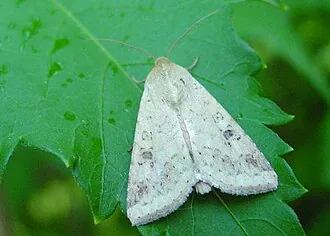
Family: Noctuidae | Order: Lepidoptera
Pro Content Locked
Upgrade to Pro to access this lesson and all other premium content.
Charged once for one year · ₹1188 total
Save ₹100/month vs ₹2388/year launch price
- All Agriculture & Banking Courses
- AI Lesson Questions (100/day)
- AI Doubt Solver (50/day)
- Glows & Grows Feedback (30/day)
- AI Section Quiz (20/day)
- 22-Language Translation (100/day)
- Recall Questions (20/day)
- AI Quiz (15/day)
- AI Quiz Paper Analysis (100/day)
- AI Step-by-Step Explanations (100/day)
- Spaced Repetition Recall (FSRS)
- AI Tutor
- Immersive Text Questions
- Audio Lessons — Hindi & English
- Mock Tests & Previous Year Papers
- Summary & Mind Maps
- XP, Levels, Leaderboard & Badges
- Generate New Classrooms
- Voice AI Teacher (AgriDots Live)
- AI Revision Assistant
- Knowledge Gap Analysis
- Interactive Revision (LangGraph)
🔒 Secure one-time yearly payment via Razorpay · No hidden fees
A chickpea farmer in Maharashtra's Latur district inspects his flowering crop and notices something troubling: plump green caterpillars are hanging from the pods, each with its head thrust inside the pod while the rest of the body dangles outside. These are larvae of Helicoverpa armigera — the gram pod borer — arguably the single most destructive and most frequently examined insect pest in Indian agriculture. Pulses (red gram, chickpea, green gram, black gram) are attacked by a diverse range of pests from seedling to harvest, but the pod borer stands far above the rest in terms of economic impact. Understanding this pest complex thoroughly is essential for competitive exams.
Why Pulses Are Vulnerable
Pulses face a unique challenge: most pulse pests are pod borers or pod feeders that attack the reproductive parts — the flowers, pods, and developing seeds. This means:
- Damage directly reduces the harvestable grain yield
- Infested seeds are unfit for both consumption and germination
- Many pests bore into pods, making them difficult to reach with contact insecticides
Pest Summary Table — Red Gram & Chickpea
| S.No | Common Name | Scientific Name | Family | Order | Key Feature |
|---|---|---|---|---|---|
| 1 | Gram pod borer | Helicoverpa armigera | Noctuidae | Lepidoptera | Most destructive; polyphagous |
| 2 | Plume moth | Exelastis atomosa | Pterophoridae | Lepidoptera | Bores into buds and flowers |
| 3 | Pod fly | Melanagromyza obtusa | Agromyzidae | Diptera | Only Dipteran; 60-70% damage |
| 4 | Gram cut worm | Agrotis ipsilon | Noctuidae | Lepidoptera | Nocturnal; cuts stems |
| 5 | Stem fly | Ophiomyia phaseoli | Agromyzidae | Diptera | Swelling at maggot site |
| 6 | Sterility mite | Aceria cajani | Eriophyidae | Acari | Mite (not insect); causes sterility |
| 7 | Spotted pod borer | Maruca testulalis | Pyraustidae | Lepidoptera | Webs leaves, flowers, pods |
| 8 | Spiny pod borer | Etiella zinckenella | Phycitidae | Lepidoptera | Bores into pods |
| 9 | Field bean pod borer | Adisura atkinsoni | Noctuidae | Lepidoptera | Similar to gram pod borer |
| 10 | Blue butterfly | Lampides boeticus | Lycaenidae | Lepidoptera | Bores into buds and pods |
| 11 | Grass blue butterfly | Euchrysops cnejus | Lycaenidae | Lepidoptera | Feeds on flowers and pods |
| Minor | Blister beetle | Mylabris pustulata | Meloidae | Coleoptera | Feeds on flowers |
| Minor | Pod wasp | Tanaostigmodes cajaninae | Tanaostigmatidae | Hymenoptera | Larvae inside pods |
| Minor | Flower webber | Eublemma hemirrhoda | Noctuidae | Lepidoptera | Webs flowers together |
Pest Damage by Crop Stage
| Crop Stage | Pests Active | Primary Damage |
|---|---|---|
| Seedling/Vegetative | Cut worm, Stem fly | Seedlings cut; stem swelling |
| Flowering | Plume moth, Blister beetle, Flower webber, Blue butterfly | Bud/flower destruction |
| Pod formation | Gram pod borer, Pod fly, Spotted/Spiny pod borer, Pod wasp | Pod boring; seed feeding |
| Throughout | Sterility mite, Tur pod bug | Sap sucking; sterility |
1. Gram Pod Borer — Helicoverpa armigera
Family: Noctuidae | Order: Lepidoptera
IMPORTANT
Helicoverpa armigera is the most destructive pest of pulses and one of the most polyphagous insects in the world. It is also called the American bollworm in cotton. This is the single most frequently asked pest in competitive exams.
Helicoverpa armigera is the noctuid common to both pigeonpea and chickpea — arguably the most polyphagous pest in Indian agriculture (100+ hosts including tomato, cotton, groundnut). Crop rotation alone cannot manage it due to its enormous host range.
Distribution: Worldwide — cosmopolitan
Host range: Cotton, sorghum, lablab, pea, chillies, groundnut, tobacco, okra, maize, tomato, soybean, safflower, gram, pigeonpea, sunflower — Polyphagous & Cosmopolitan.
Damage Symptoms
- The caterpillar first feeds on foliage in early instars
- Later, it bores into pods and feeds on developing seeds
- The characteristic feeding posture: larva seen with head alone thrust inside the pod and the rest of the body hanging out
- Diagnostic signs: Bore holes on pods, absence of seeds inside pods, defoliation in early stages
- Females classically lay eggs singly on tender plant parts, which is one reason early scouting of buds, flowers, and young pods is so important.
ETL
One larva per five plants in the pod initiation stage — a very low threshold, reflecting how destructive even a few larvae can be.
Management
| Method | Details |
|---|---|
| Egg parasitoid | Trichogramma chilonis |
| Larval parasitoid | Campoletis chloridae |
| Microbial | NPV (Nuclear Polyhedrosis Virus) @ 250-500 LE/ha |
| Monitoring | Light traps and pheromone traps |
| Cultural | Avoid wheat after cotton (reduces carry-over population) |
TIP
The many names of Helicoverpa armigera:
| Crop | Common Name |
|---|---|
| Pulses (gram, red gram) | Gram pod borer |
| Cotton | American bollworm |
| Tomato | Tomato fruit borer |
| Maize | Corn earworm / cob borer |
All the same species. This is the most polyphagous and most asked pest in exams. Mnemonic: "Helicoverpa is Hungry for everything."
Agricultural context: In the chickpea belt of Madhya Pradesh and Maharashtra, Helicoverpa management determines the success or failure of the crop. Farmers who install pheromone traps for early detection and apply NPV at the first sign of larvae consistently get better yields than those who rely solely on chemical sprays.
2. Plume Moth — Exelastis atomosa
Family: Pterophoridae | Order: Lepidoptera
Host range: Red gram, lablab, niger, and horse gram
Damage Symptoms
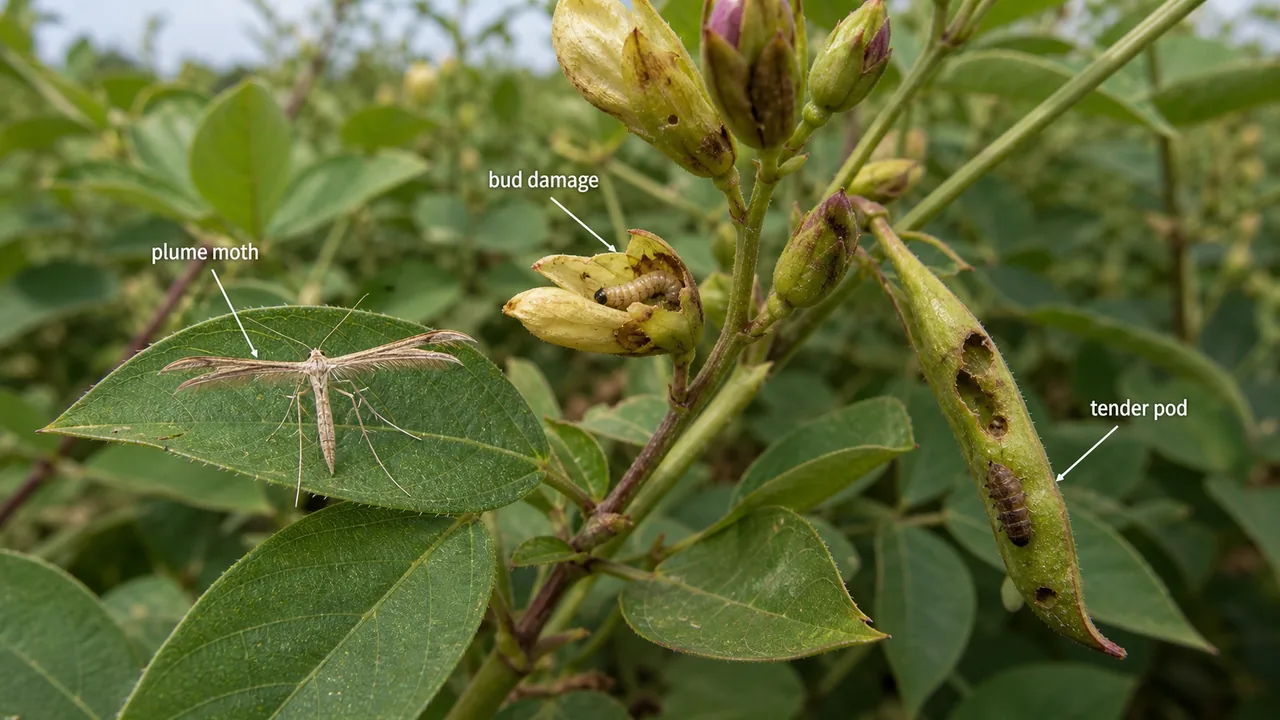
- The tiny larva bores into unopened buds, flowers, and tender pods
- 5-20% of pods may be damaged
- A secondary but consistent pest of red gram
Management
- Conserve larval parasitoids: Apanteles paludicolae, Diadegma sp.
- Chemical control same as for gram pod borer
NOTE
Plume moths (family Pterophoridae) have distinctively T-shaped wings when at rest — the hind wings are deeply divided into plume-like feathers. This unique wing morphology can help identify them in the field.
3. Pod Fly — Melanagromyza obtusa
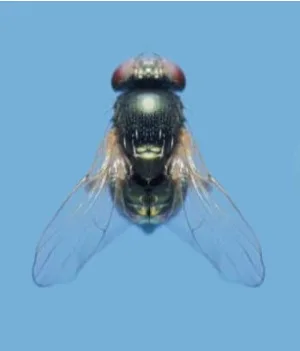
Family: Agromyzidae | Order: Diptera
Host range: Red gram, okra (bhendi), and safflower
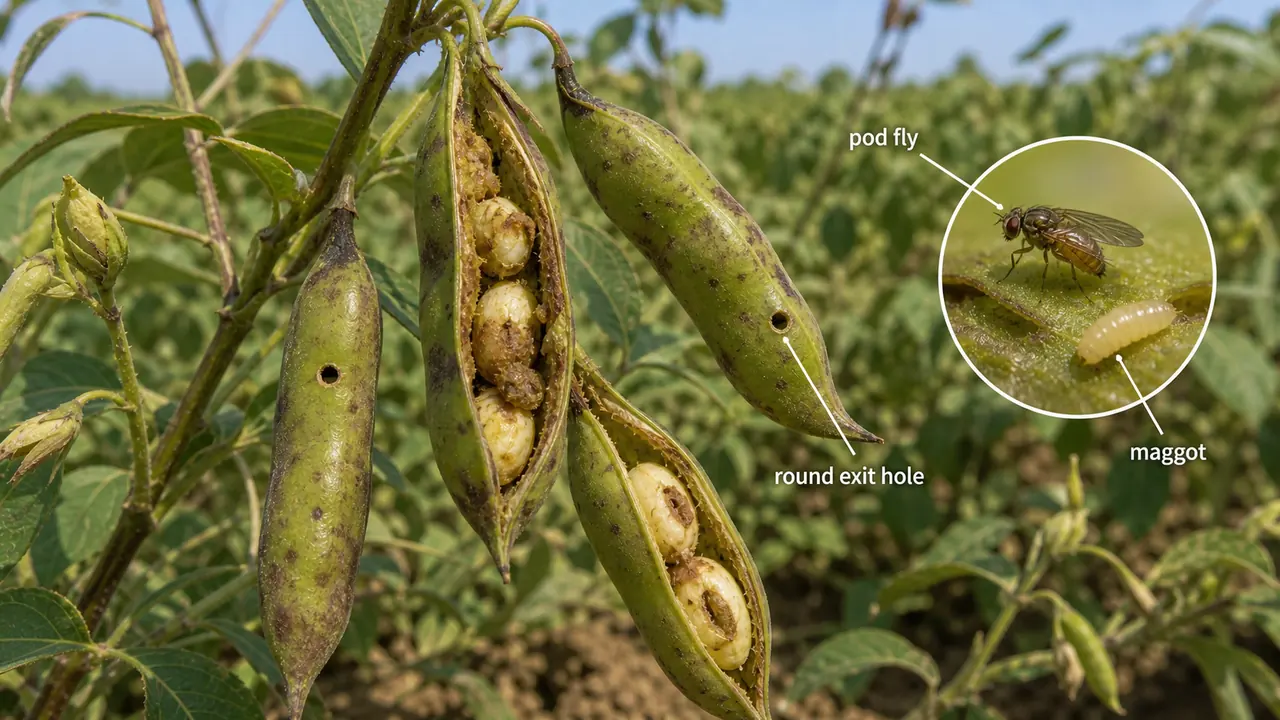
Pod fly is unique among pulse pests because it is a Dipteran (true fly), while most others are Lepidopterans.
Damage Symptoms
- Maggots bore into soft seeds and feed on the developing grains
- Damaged seeds are unfit for both consumption and germination
- The extent of damage can reach 60-70% during severe infestation
- Exit holes on pods are smaller and rounder than those of pod borers
- A classic field clue is a pin-head-sized bore hole near the pod septum, often with only part of the seed eaten rather than complete seed destruction.
IMPORTANT
Pod fly (Melanagromyza obtusa) is the only major Dipteran pest of pulses. This taxonomic distinction is frequently tested. Remember: pod borer = Lepidoptera; pod fly = Diptera. Damage can reach 60-70%.
Agricultural context: In Uttar Pradesh's red gram (arhar) growing areas, pod fly is often the second most damaging pest after Helicoverpa. Because the maggot feeds inside the pod, it is difficult to reach with contact insecticides — systemic insecticides or early-stage management is necessary.
4. Gram Cut Worm — Agrotis ipsilon
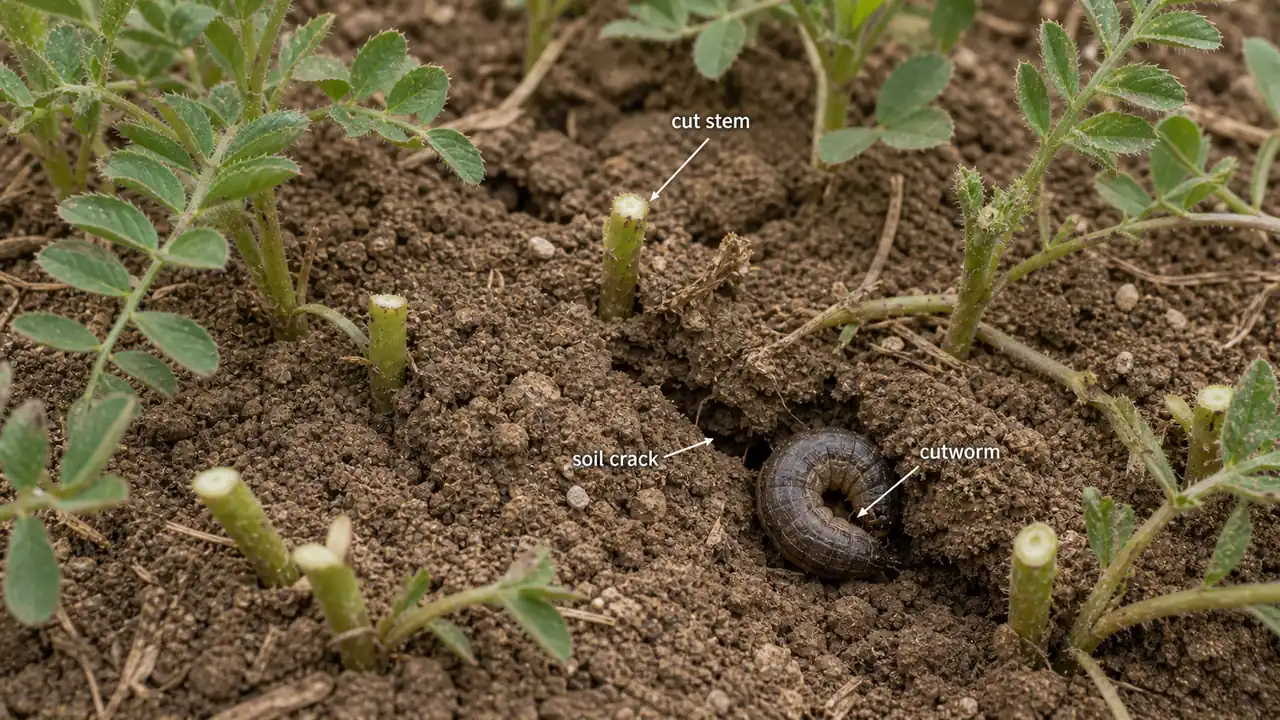
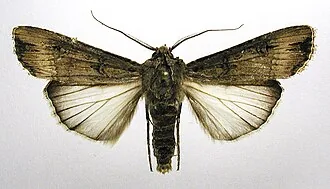
Family: Noctuidae | Order: Lepidoptera
Damage Symptoms
- Polyphagous pest but causes severe damage to gram
- Cannibalistic habit present in larvae — when crowded, they eat each other
- Young larvae feed on the epidermis of leaves
- During daytime, larvae hide in cracks and holes in the ground
- At night, they emerge and fell plants by cutting stems either below the surface or at ground level
- In field-language recall, gram cut worm is also described as a surface feeder.
- Outbreaks are especially associated with the winter season, matching the cool-season habit noted in pulse entomology keys.
IMPORTANT
Cut worms are nocturnal feeders — they hide in soil during the day and cut plants at the base at night. The characteristic damage is plants found fallen in the morning with stems cleanly cut at the base. This is a frequently tested fact.
TIP
Mnemonic: "Agrotis = After dark (nocturnal); Aggressive (cannibalistic); At the base (cuts at ground level)."
5. Stem Fly — Ophiomyia phaseoli
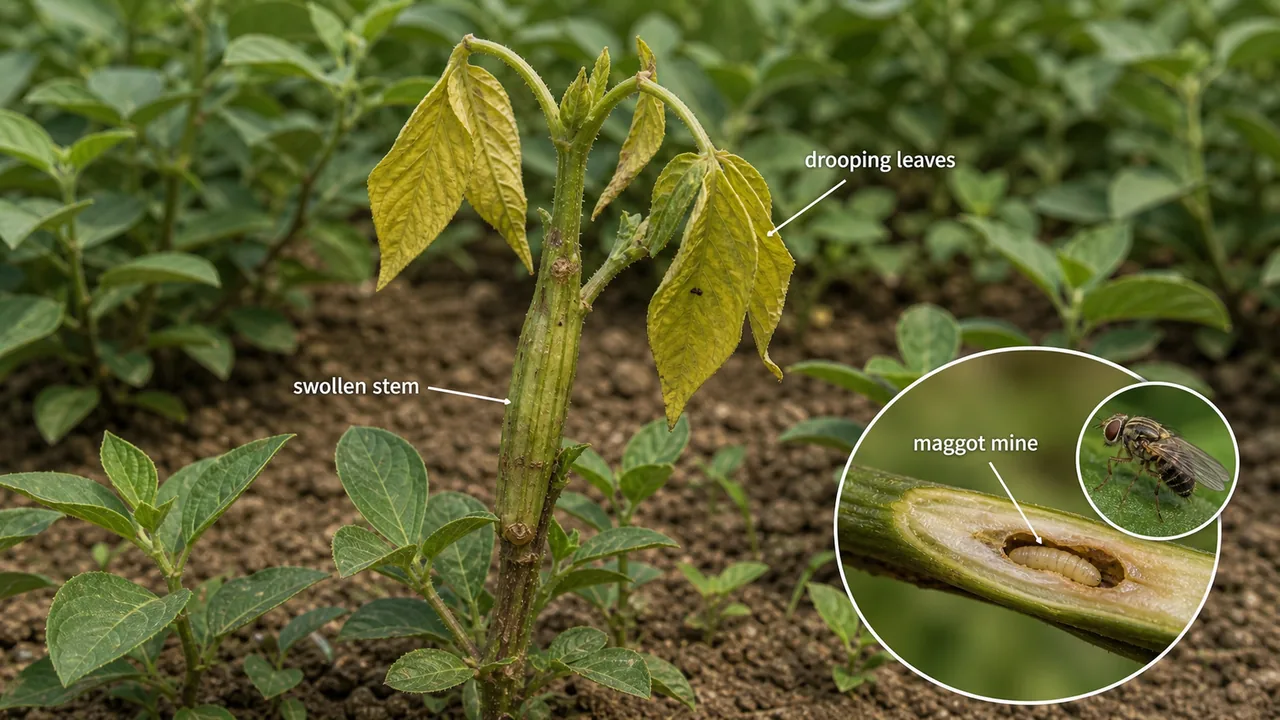
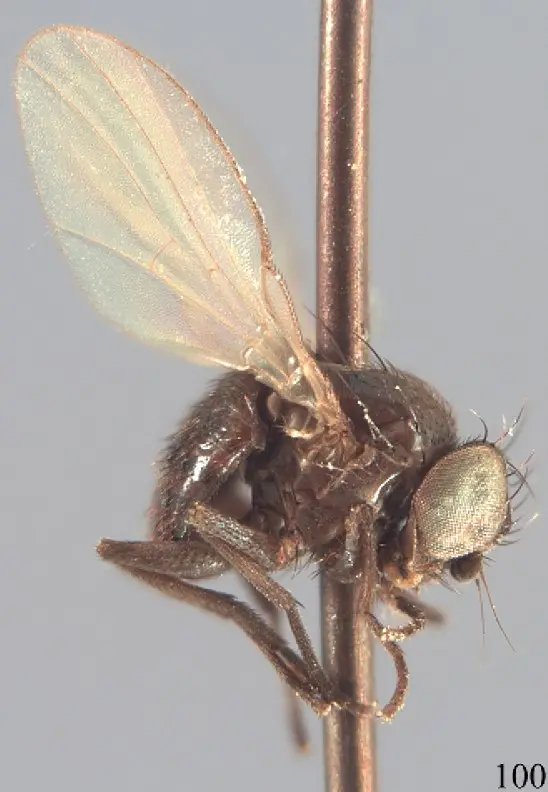
Family: Agromyzidae | Order: Diptera
Host range: Red gram, bean, cowpea, soybean, and lima bean
Damage Symptoms
- Drooping of tender leaves and yellowing characterise serious damage in young plants
- The sites where maggot and pupae are present become swollen and start ribbing — visible as bumps on the stem
- Older plants show stunting but are not usually killed
Management
- Conserve natural enemies: Euderus lividus, Eurytoma sp., Euderus agromyzae
- Seed pelleting with chlorpyriphos @ 4 ml/kg of seed may reduce stem fly
6. Red Gram Sterility Mite — Aceria cajani
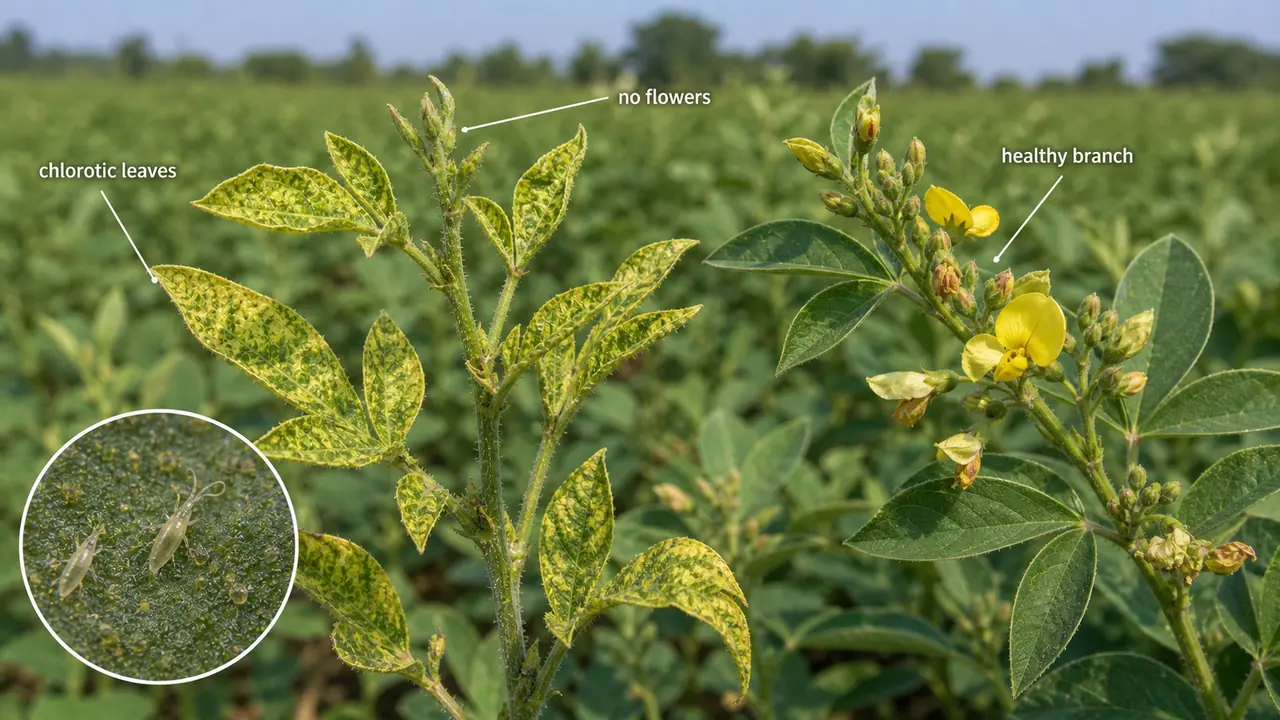
Family: Eriophyidae | Order: Acari
Damage Symptoms
- Infected plants develop light green or chlorotic leaves with mosaic patterns
- Most infected plants do not bear flowers — hence "sterility" mite
- The mite is microscopic and cannot be seen with the naked eye
IMPORTANT
Aceria cajani is a mite (class Arachnida, not Insecta). It causes sterility in red gram — infected plants produce leaves but no flowers or pods. The classification distinction (mite vs. insect) is a frequent exam question.
7. Spotted Pod Borer — Maruca testulalis
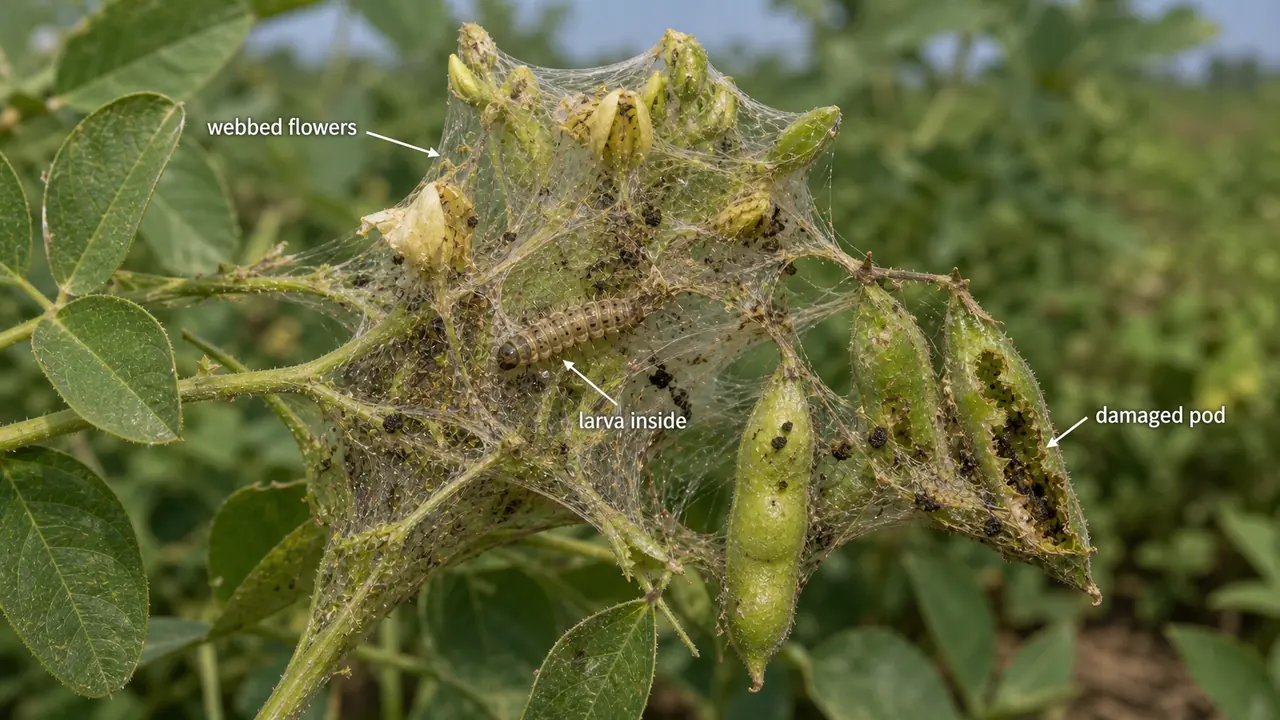
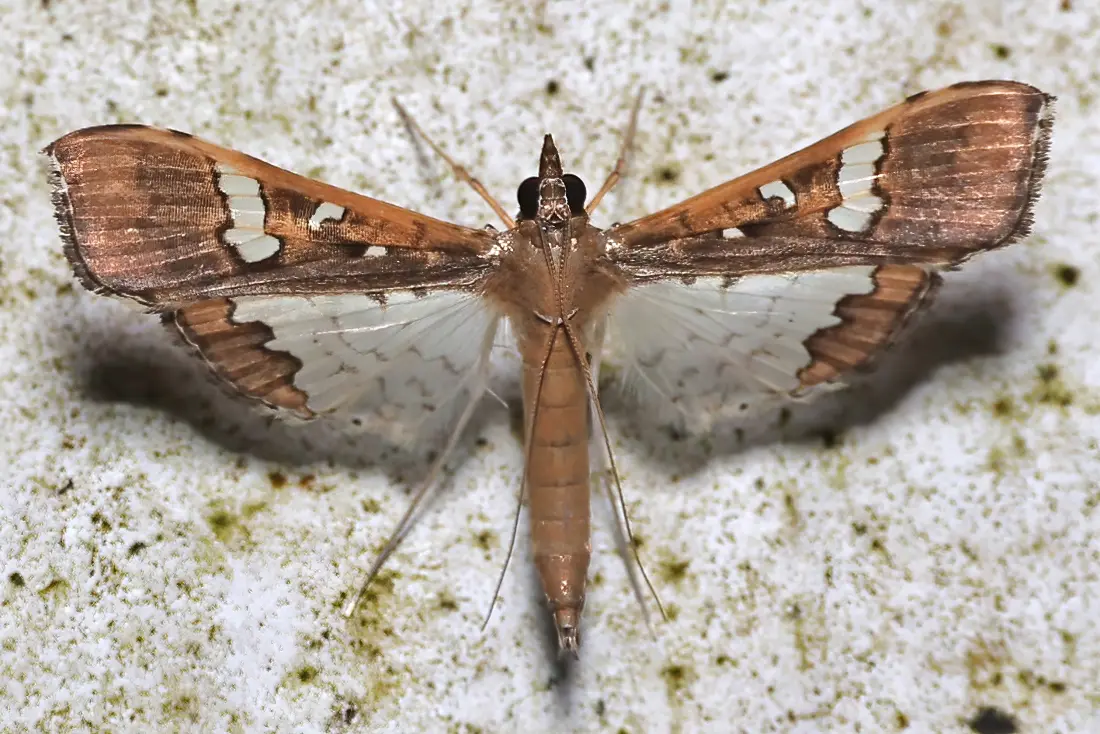
Family: Pyraustidae | Order: Lepidoptera
- Larvae web together leaves, flowers, and pods and feed inside the webbed mass
- Larvae may also bore into pods after webbing the reproductive parts together, so damage often combines both webbing and direct pod injury
- The webbing behaviour distinguishes it from the gram pod borer
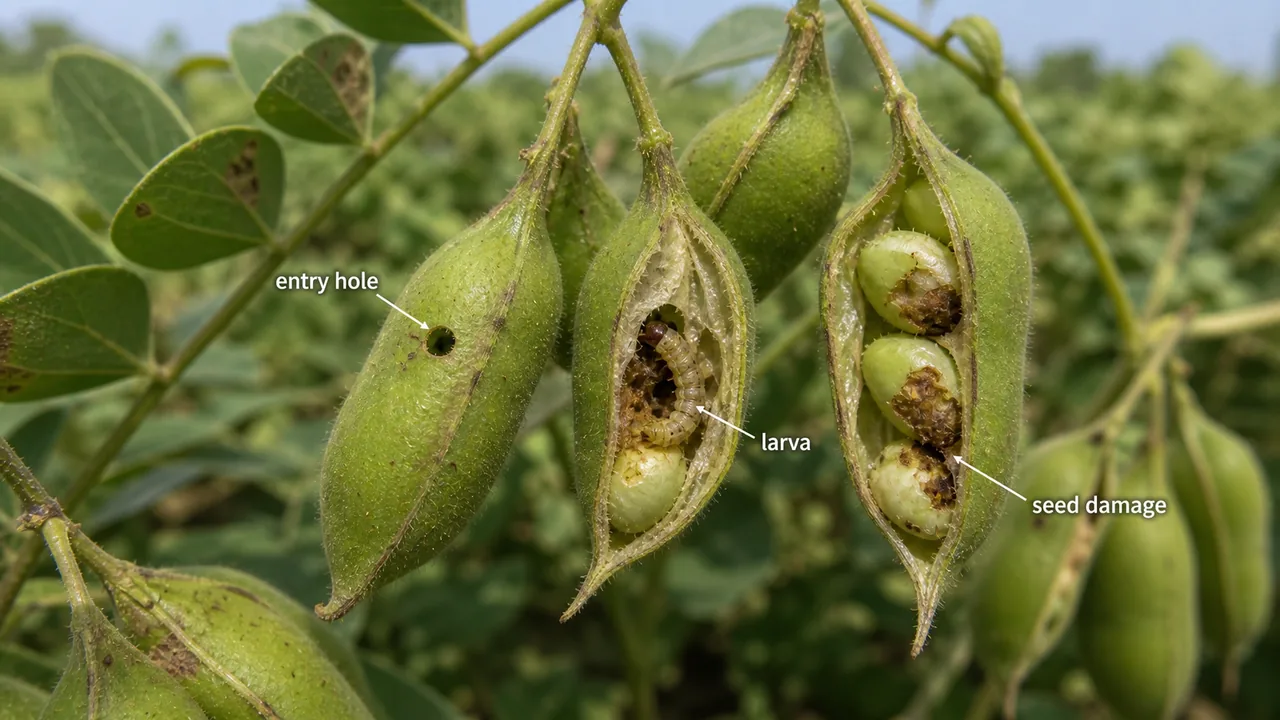
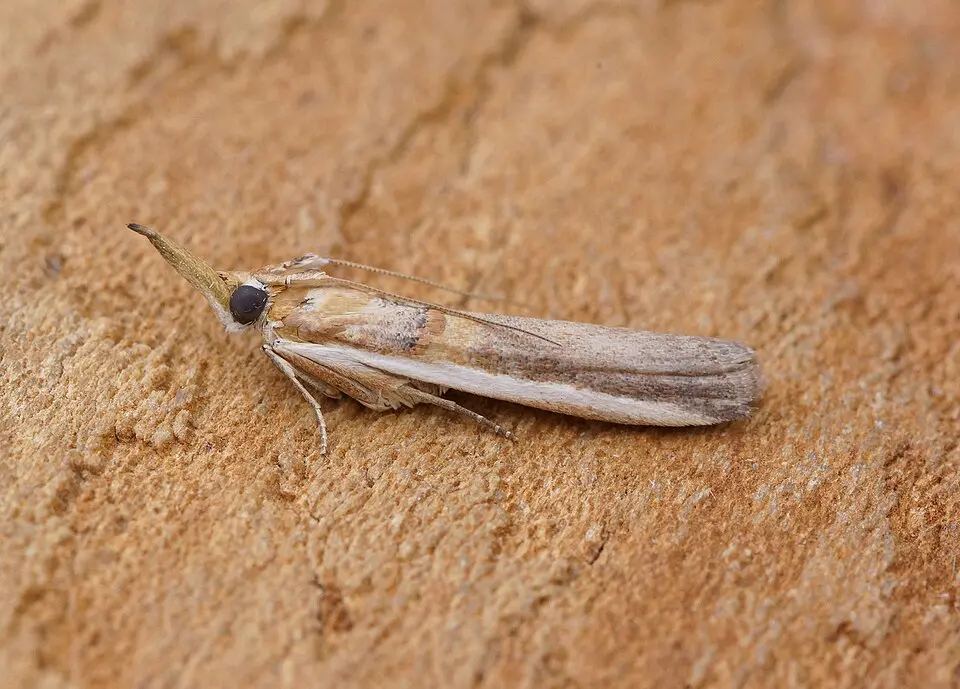
8. Spiny Pod Borer — Etiella zinckenella
Family: Phycitidae | Order: Lepidoptera
- Larvae bore into pods and feed on developing seeds
- Pod injury is commonly recognized by a distinct entry hole on the pod wall before internal seed feeding becomes obvious
- Causes considerable damage in both field and storage conditions
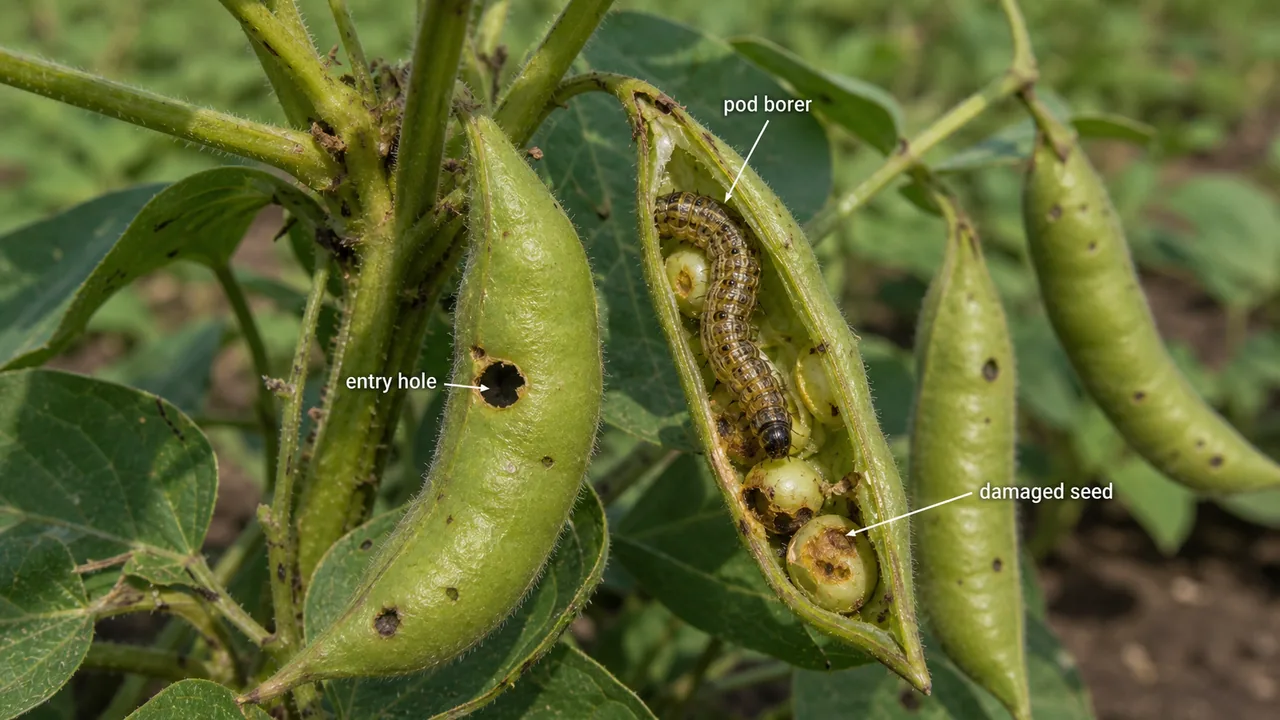
9. Field Bean Pod Borer — Adisura atkinsoni
Family: Noctuidae | Order: Lepidoptera
- Important pod borer on field bean and related pulse hosts
- Larvae bore into pods and feed on developing seeds
- Damage pattern resembles other pod borers, so pod opening is needed for confirmation
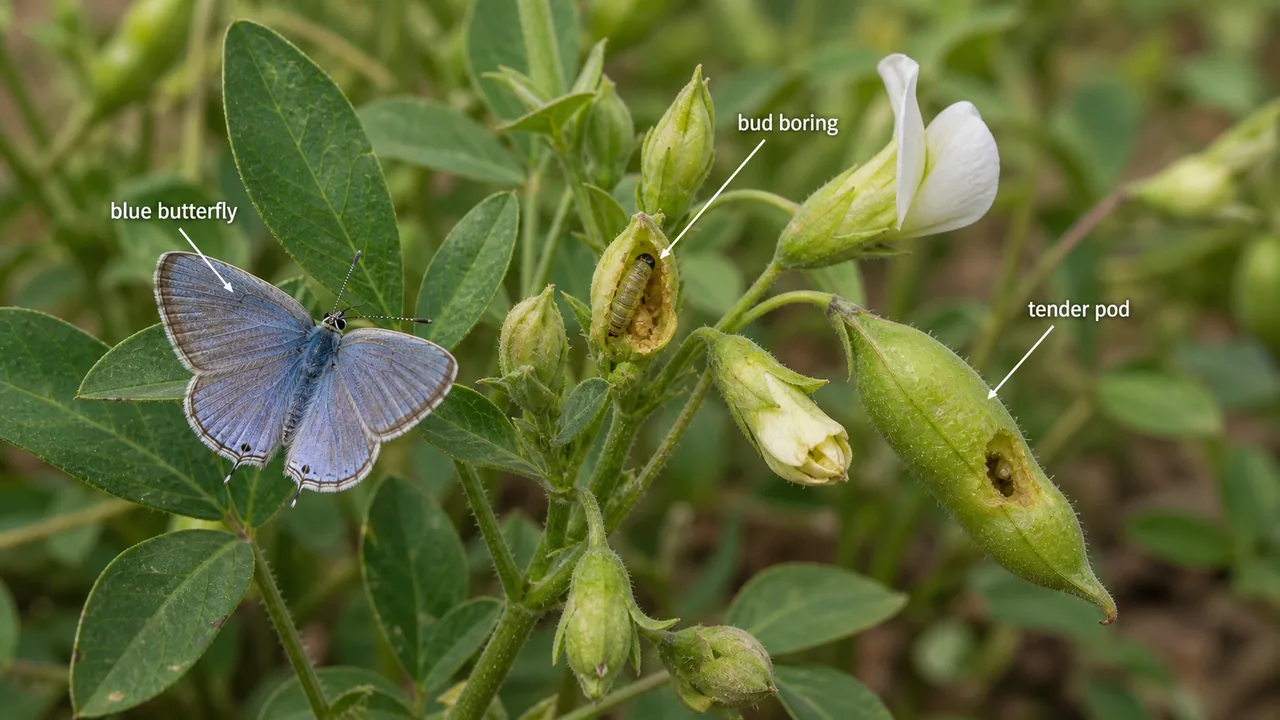
10. Blue Butterfly — Lampides boeticus
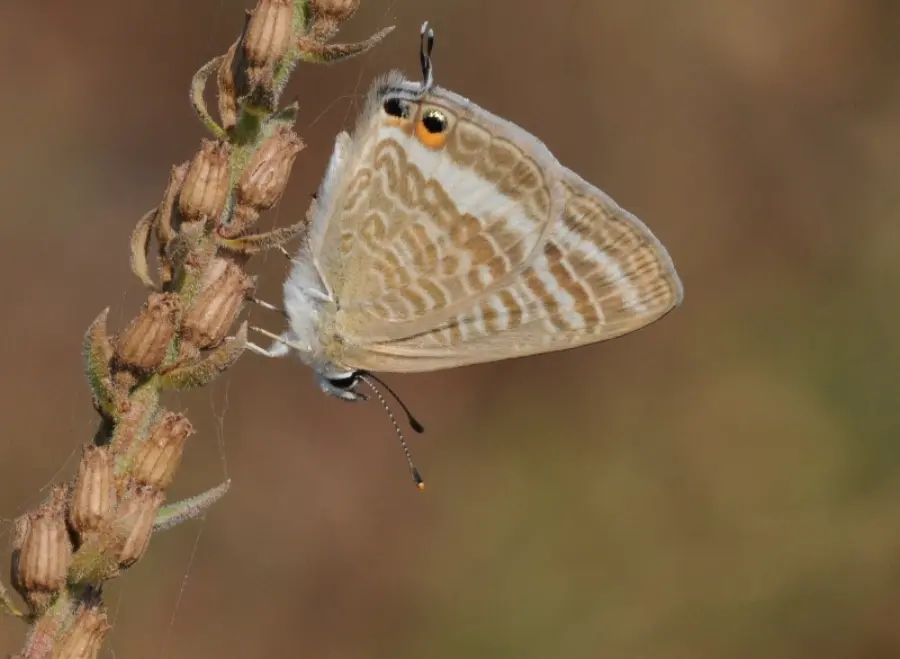
Family: Lycaenidae | Order: Lepidoptera
- Larvae bore into flower buds and tender pods, especially in pea and related pulses
- In compact crop-protection recall, the larva may also feed on developing seeds after entering tender pods
- Adult is a small blue lycaenid butterfly; the larva causes the economic loss
11. Grass Blue Butterfly — Euchrysops cnejus
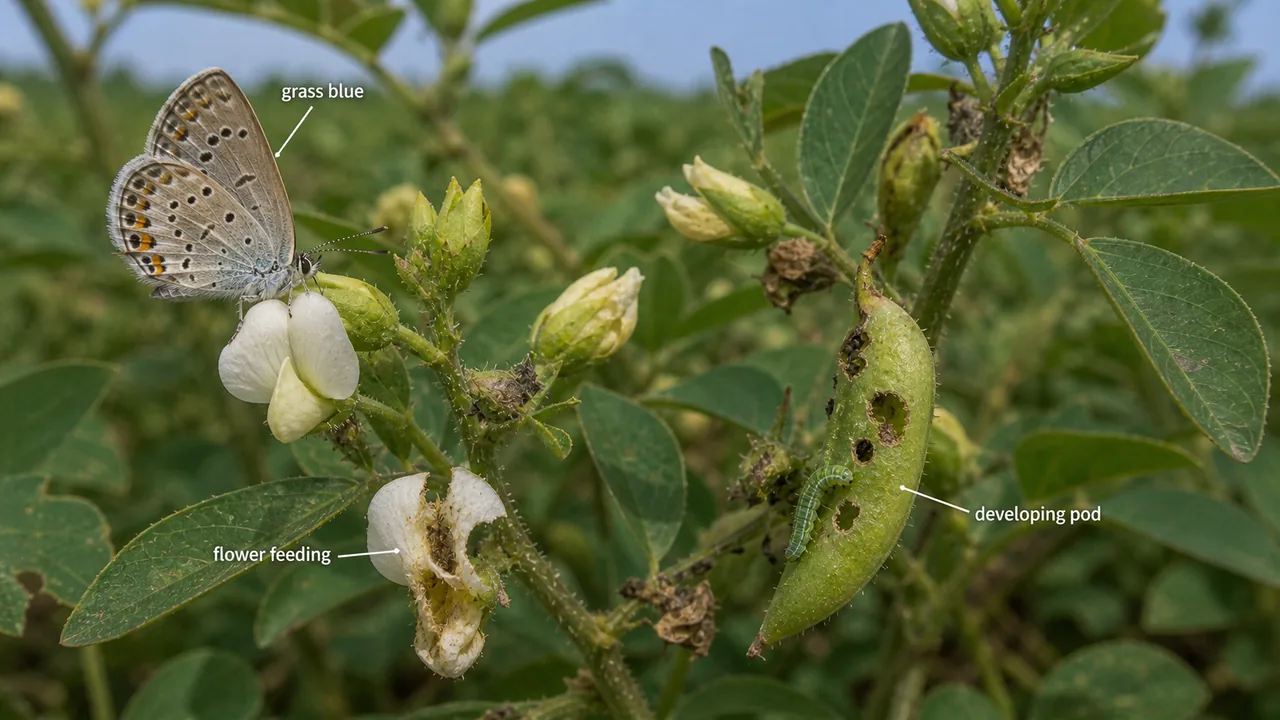
Family: Lycaenidae | Order: Lepidoptera
- Larvae feed on flowers and developing pods
- Economic damage comes from reduced pod set and direct feeding on young reproductive parts
Other Important Pests
Tur Pod Bug — Clavigralla gibbosa
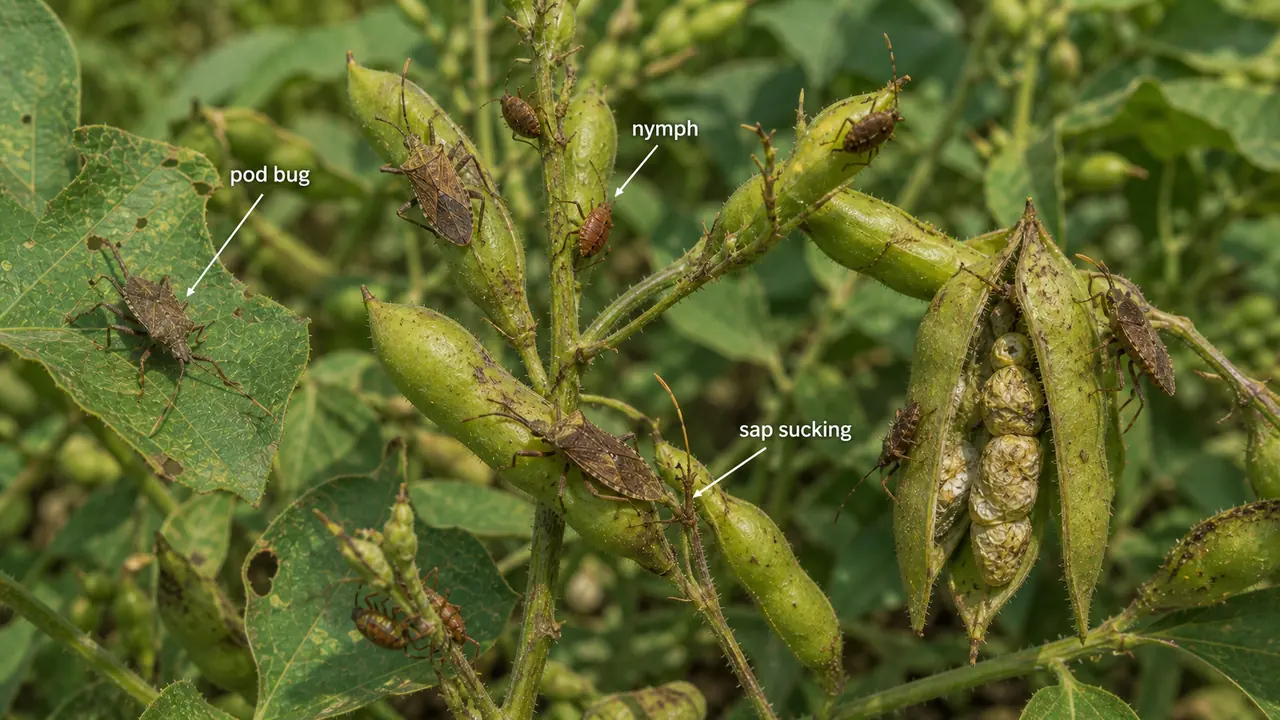
Family: Coreidae | Order: Hemiptera
- Both nymphs and adults suck cell sap from stems, flowers, and pods of arhar (pigeon pea), cowpea, and gram
- The attacked seeds inside pods become shrivelled because developing grain filling is interrupted by sap loss
- A Hemipteran pod pest — it sucks rather than bores
Blister Beetle — Mylabris pustulata
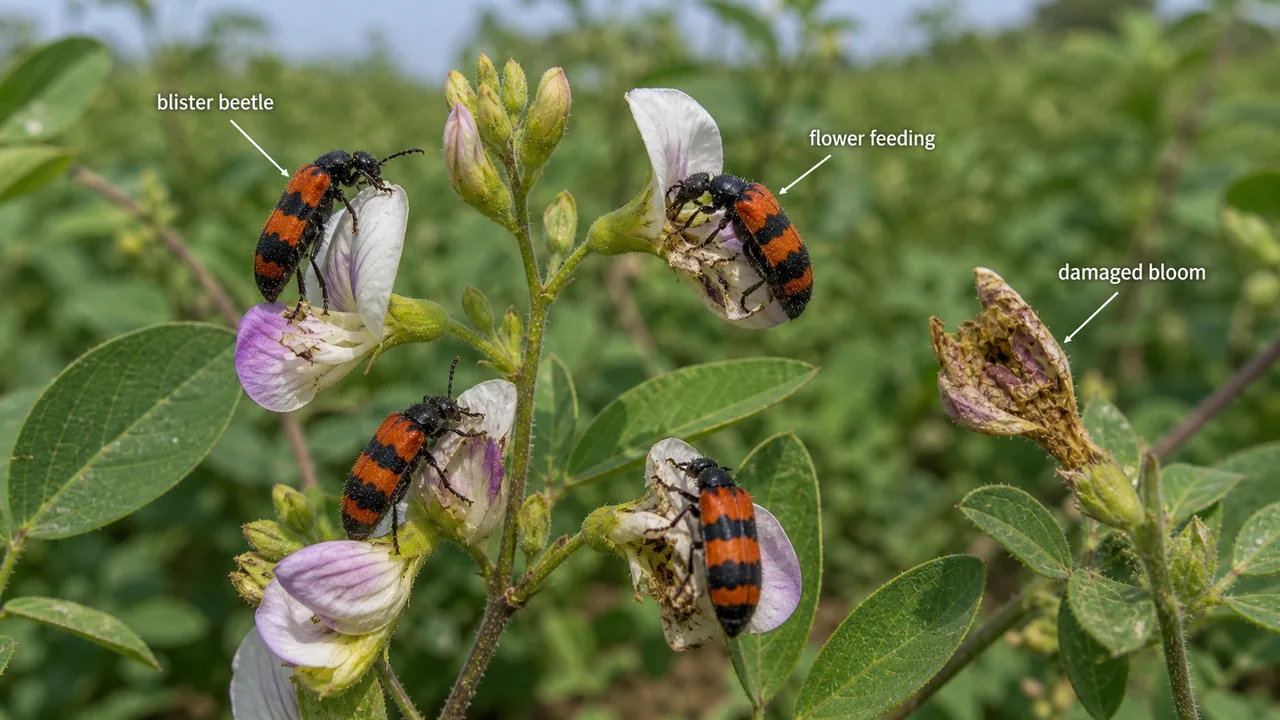
Family: Meloidae | Order: Coleoptera
- Adults feed on flowers, reducing pod setting
- Minor but regular pest across pulse-growing regions
- Named for the blistering chemical (cantharidin) they produce
Pod Wasp — Tanaostigmodes cajaninae
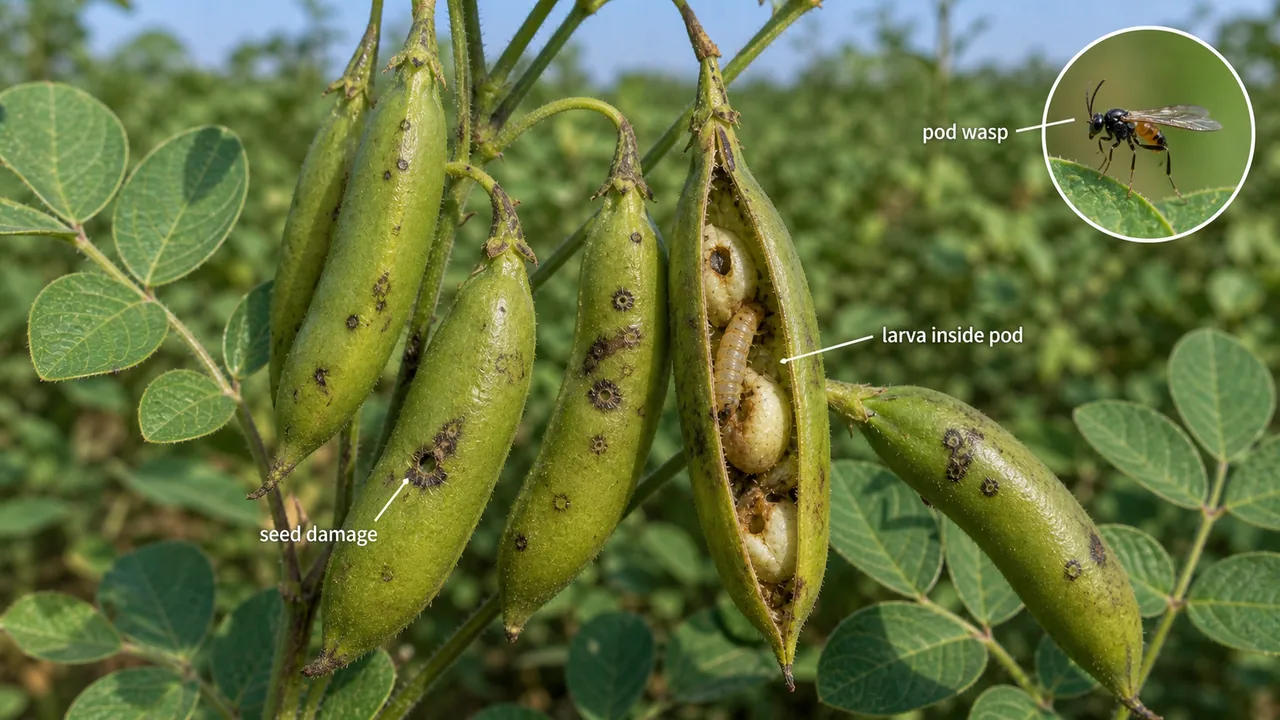
Family: Tanaostigmatidae | Order: Hymenoptera
- Larvae develop inside the pods, causing seed damage
- A Hymenopteran pest — unusual because most Hymenopterans are parasitoids, not pests
Flower Webber — Eublemma hemirrhoda
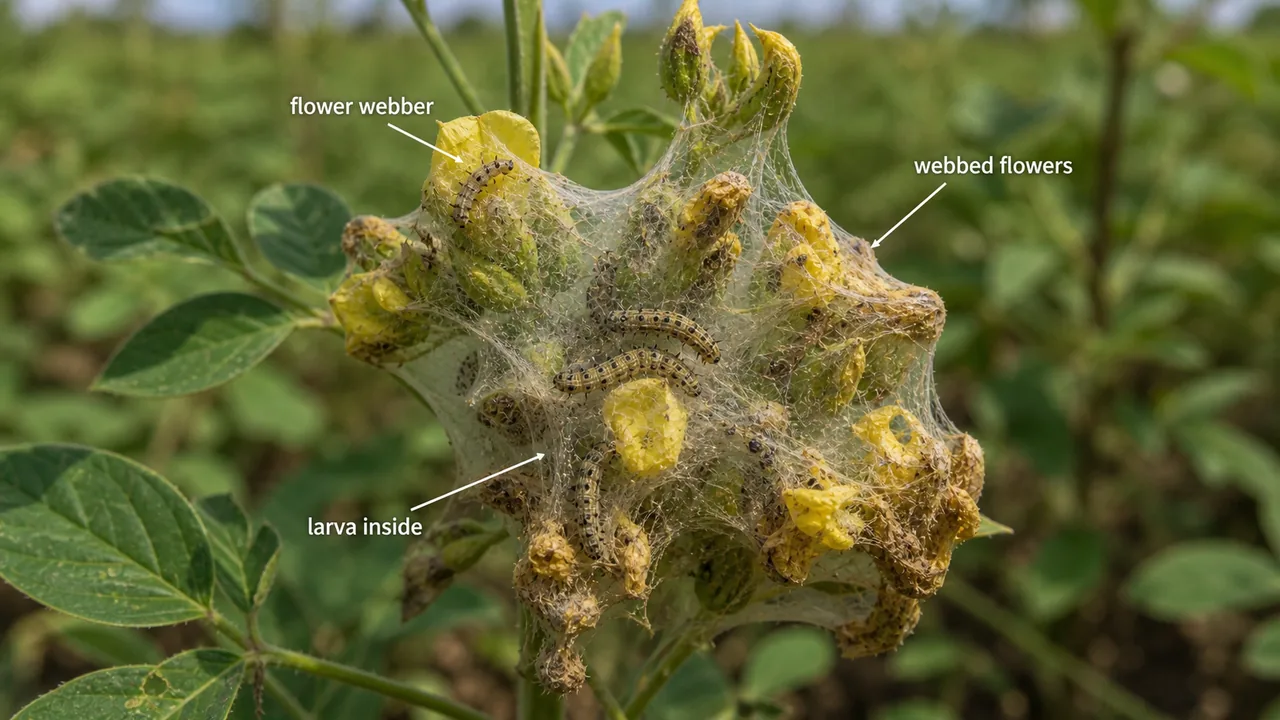
Family: Noctuidae | Order: Lepidoptera
- Larvae web flowers together and feed within the webbed mass
Pulse Pest Classification by Feeding Type
| Feeding Type | Pests | Order |
|---|---|---|
| Pod borers (larvae inside pods) | Helicoverpa, Exelastis, Etiella, Maruca, Adisura, Lampides | Mostly Lepidoptera |
| Pod feeders (maggots in seeds) | Melanagromyza obtusa | Diptera |
| Sap suckers (on pods/leaves) | Clavigralla gibbosa, Aceria cajani | Hemiptera / Acari |
| Stem/root feeders | Ophiomyia phaseoli, Agrotis ipsilon | Diptera / Lepidoptera |
| Flower feeders | Mylabris pustulata, Eublemma hemirrhoda | Coleoptera / Lepidoptera |
TIP
Most pulse pests are Lepidopterans (moths/butterflies). The key exceptions to remember:
- Diptera: Pod fly (M. obtusa) and Stem fly (O. phaseoli)
- Acari (mite): Sterility mite (A. cajani)
- Hemiptera: Tur pod bug (C. gibbosa)
- Coleoptera: Blister beetle (M. pustulata)
- Hymenoptera: Pod wasp (T. cajaninae)
Field Diagnosis: Pulses — What's Eating the Pods?
Step 1: Check pod damage type
- Bore hole in pod, head of larva thrust inside, seeds eaten? → Gram Pod Borer (H. armigera) — most destructive; greenish larva with dark stripes. ETL: 1 larva/5 plants
- Pod surface with entry hole but no exit hole, maggot tunnels inside? → Pod Fly (M. obtusa) — only Dipteran; 60-70% damage possible
- Pods/flowers webbed together, caterpillar inside web? → Spotted Pod Borer (M. testulalis) — also damages flowers
- Pods with thin, clean-edged holes, small moth? → Plume Moth (E. atomosa) — feathery wings, distinctive appearance
Step 2: Not pod damage?
- Seedlings cut at ground level at night? → Cutworm (A. ipsilon) — nocturnal; larva hides in soil during day
- Plant wilting, stem has mines/tunnels? → Stem Fly (O. phaseoli) — maggot mines stem
- Flowers dropping without setting pods, distorted buds? → Sterility Mite (A. cajani) — Acari, not insect; pigeon pea specific
- Large blister beetles eating flowers? → Blister Beetle (M. pustulata) — Coleoptera; also beneficial as larva eats grasshopper eggs
Exam Tips and Mnemonics
TIP
Top 5 pulse pests for exams (in order of importance):
- Gram pod borer (H. armigera) — Most destructive; ETL: 1 larva/5 plants; NPV 250-500 LE/ha
- Pod fly (M. obtusa) — Only Dipteran; 60-70% damage possible
- Gram cut worm (A. ipsilon) — Nocturnal; cannibalistic; cuts at base
- Sterility mite (A. cajani) — Mite (not insect); no flowering
- Tur pod bug (C. gibbosa) — Hemipteran; sucks pod sap
Numbers to remember:
- ETL for Helicoverpa: 1 larva / 5 plants
- NPV dose: 250-500 LE/ha
- Pod fly maximum damage: 60-70%
- Plume moth damage: 5-20%
- Seed pelleting for stem fly: Chlorpyriphos @ 4 ml/kg
Summary Cheat Sheet
| Concept / Topic | Key Details |
|---|---|
| Most destructive pest of pulses | Helicoverpa armigera (Gram pod borer) — Noctuidae; polyphagous & cosmopolitan |
| Gram pod borer ETL | 1 larva per 5 plants at pod initiation stage |
| Gram pod borer damage | Head thrust inside pod, rest of body hanging out |
| Biocontrol for Helicoverpa | NPV @ 250-500 LE/ha; egg parasitoid Trichogramma chilonis |
| Larval parasitoid of Helicoverpa | Campoletis chloridae |
| Only Dipteran pulse pest | Melanagromyza obtusa (Pod fly) — Agromyzidae |
| Pod fly maximum damage | 60-70% during severe infestation |
| Nocturnal pest; cuts plants at base | Agrotis ipsilon (Gram cut worm) — hides in soil by day |
| Cannibalistic larvae | Agrotis ipsilon — eat each other when crowded |
| Mite causing sterility in red gram | Aceria cajani — Eriophyidae; plants do not bear flowers |
| Sterility mite class | Arachnida (not Insecta) |
| Hemipteran pod bug | Clavigralla gibbosa (Tur pod bug) — sucks sap from pods |
| Bores into unopened buds | Exelastis atomosa (Plume moth) — Pterophoridae; T-shaped wings |
| Stem fly seed treatment | Chlorpyriphos @ 4 ml/kg seed |
| Spotted pod borer | Maruca testulalis — webs leaves, flowers, and pods together |