⏳ International & National Years in Agriculture
UN-declared International Years related to agriculture, food security, and sustainability — from 2026 to 2026 with exam-relevant facts and mnemonics
When the UN General Assembly declared 2023 as the International Year of Millets, it was India's proposal that led the way. India — the world's largest producer of millets — championed these drought-resistant, nutrient-rich cereals on the global stage. International Years like this bring focused attention and policy action to critical agricultural issues worldwide.
An International Year is a cooperation mechanism that raises awareness about a topic of global interest, mobilizing governments and organizations for coordinated action. For competitive exams, remember the year, the theme/commodity, and the declaring body (usually the UN General Assembly, with FAO as the lead implementing agency).
Quick Reference — All International Years (2004 to 2025)
The master table below lists every agriculture-related international year declared by the UN General Assembly. Scan this table first for the big picture, then read the detailed notes on the most exam-critical years below.
| Year | Related To | Key Association |
|---|---|---|
| 2004 | International Year of Rice | FAO lead |
| 2005 | International Year of Parthenium (awareness) | Weed management |
| 2006 | International Year of Desert and Desertification | UNCCD |
| 2007 | International Year of Water | Freshwater resources |
| 2008 | International Year of Potato | CIP (Peru) |
| 2009 | International Year of Natural Fibres | Jute, Cotton, Silk |
| 2010 | International Year of Biodiversity | CBD |
| 2011 | International Year of Forest | Silviculture focus |
| 2012 | International Year of Cooperatives | Also National Year of Horticulture in India |
| 2013 | International Year of Water Cooperation | Transboundary water |
| 2014 | International Year of Family Farming | IFAD led; smallholder empowerment |
| 2015 | International Year of Soils | 68th UNGA; soil is non-renewable |
| 2016 | International Year of Pulses | 68th UNGA; FAO led; nitrogen fixation |
| 2017 | International Year of Sustainable Tourism | UNWTO; agro-tourism benefits farmers |
| 2018 | National Year of Millets (India) | India's initiative; millets = nutri-cereals |
| 2019 | International Year of Indigenous Languages | UNESCO; 40% of 6,700 languages at risk |
| 2020 | International Year of Plant Health | FAO; 40% of food crops lost to pests annually |
| 2021 | International Year of Fruits and Vegetables | India = 2nd largest producer of both |
| 2022 | International Year of Artisanal Fisheries & Aquaculture | Small-scale fishers' livelihoods |
| 2023 | International Year of Millets (International) | India's proposal accepted by UN/FAO |
| 2024 | International Year of Camelids | Camels, llamas, alpacas in harsh environments |
| 2025 | International Year of Cooperatives | Sustainable development, poverty reduction |
Detailed Notes on Key Years
The years below are expanded with context because they appear most frequently in competitive exams. Each section explains why the year was declared and its relevance to Indian agriculture.
Pro Content Locked
Upgrade to Pro to access this lesson and all other premium content.
₹99 charged monthly · Cancel anytime
- All Agriculture & Banking Courses
- AI Lesson Questions (100/day)
- AI Doubt Solver (50/day)
- Glows & Grows Feedback (30/day)
- AI Section Quiz (20/day)
- 22-Language Translation (100/day)
- Recall Questions (20/day)
- AI Quiz (15/day)
- AI Quiz Paper Analysis (100/day)
- AI Step-by-Step Explanations (100/day)
- Spaced Repetition Recall (FSRS)
- AI Tutor
- Immersive Text Questions
- Audio Lessons — Hindi & English
- Mock Tests & Previous Year Papers
- Summary & Mind Maps
- XP, Levels, Leaderboard & Badges
- Generate New Classrooms
- Voice AI Teacher (AgriDots Live)
- AI Revision Assistant
- Knowledge Gap Analysis
- Interactive Revision (LangGraph)
🔒 Secure via Razorpay · Cancel anytime · No hidden fees
When the UN General Assembly declared 2023 as the International Year of Millets, it was India's proposal that led the way. India — the world's largest producer of millets — championed these drought-resistant, nutrient-rich cereals on the global stage. International Years like this bring focused attention and policy action to critical agricultural issues worldwide.
An International Year is a cooperation mechanism that raises awareness about a topic of global interest, mobilizing governments and organizations for coordinated action. For competitive exams, remember the year, the theme/commodity, and the declaring body (usually the UN General Assembly, with FAO as the lead implementing agency).
Quick Reference — All International Years (2004 to 2025)
The master table below lists every agriculture-related international year declared by the UN General Assembly. Scan this table first for the big picture, then read the detailed notes on the most exam-critical years below.
| Year | Related To | Key Association |
|---|---|---|
| 2004 | International Year of Rice | FAO lead |
| 2005 | International Year of Parthenium (awareness) | Weed management |
| 2006 | International Year of Desert and Desertification | UNCCD |
| 2007 | International Year of Water | Freshwater resources |
| 2008 | International Year of Potato | CIP (Peru) |
| 2009 | International Year of Natural Fibres | Jute, Cotton, Silk |
| 2010 | International Year of Biodiversity | CBD |
| 2011 | International Year of Forest | Silviculture focus |
| 2012 | International Year of Cooperatives | Also National Year of Horticulture in India |
| 2013 | International Year of Water Cooperation | Transboundary water |
| 2014 | International Year of Family Farming | IFAD led; smallholder empowerment |
| 2015 | International Year of Soils | 68th UNGA; soil is non-renewable |
| 2016 | International Year of Pulses | 68th UNGA; FAO led; nitrogen fixation |
| 2017 | International Year of Sustainable Tourism | UNWTO; agro-tourism benefits farmers |
| 2018 | National Year of Millets (India) | India's initiative; millets = nutri-cereals |
| 2019 | International Year of Indigenous Languages | UNESCO; 40% of 6,700 languages at risk |
| 2020 | International Year of Plant Health | FAO; 40% of food crops lost to pests annually |
| 2021 | International Year of Fruits and Vegetables | India = 2nd largest producer of both |
| 2022 | International Year of Artisanal Fisheries & Aquaculture | Small-scale fishers' livelihoods |
| 2023 | International Year of Millets (International) | India's proposal accepted by UN/FAO |
| 2024 | International Year of Camelids | Camels, llamas, alpacas in harsh environments |
| 2025 | International Year of Cooperatives | Sustainable development, poverty reduction |
Detailed Notes on Key Years
The years below are expanded with context because they appear most frequently in competitive exams. Each section explains why the year was declared and its relevance to Indian agriculture.
2014 — International Year of Family Farming
- Declared by the UN to recognize the importance of family farming in reducing poverty and improving global food security.
- Implemented by International Fund for Agricultural Development (IFAD).
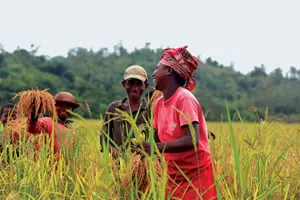
- Family farms manage the majority of the world's agricultural land and produce most of the world's food.
Agricultural relevance: In India, 86% of holdings are small and marginal (< 2 ha), making family farming the backbone of Indian agriculture.
2015 — International Year of Soils

- Declared by the 68th UN General Assembly.
- Soil is a non-renewable resource — it takes hundreds to thousands of years to form just a few centimetres of topsoil.
- Implemented by FAO within the Global Soil Partnership framework.
Agricultural relevance: Soil health determines crop productivity. Degraded soils lead to lower yields, requiring more fertilizer input. Soil testing and conservation are fundamental to sustainable farming.
2016 — International Year of Pulses

- Declared by the 68th UN General Assembly; FAO led the implementation.
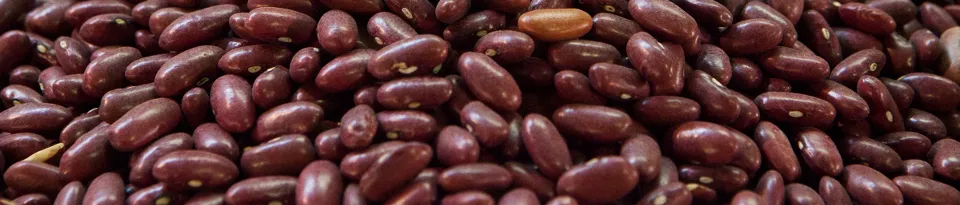
- Pulses include lentils, chickpeas, beans, and peas.
- Pulses fix atmospheric nitrogen in the soil, improving soil fertility naturally — making them ideal in crop rotations.
- In 2019, 10th February was proclaimed as World Pulses Day.
Agricultural relevance: India is the largest producer and consumer of pulses globally. Chickpea (gram) has the highest production and area among pulses in India.
2018 — National Year of Millets (India)
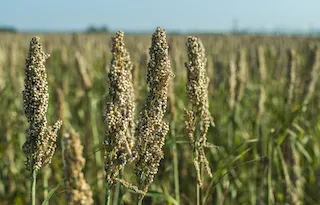
- The Government of India declared 2018 as the National Year of Millets.
- India also proposed 2018 as the "International Year of Millets" to the UN — the proposal was accepted later for 2023.
- Millets include jowar (sorghum), bajra (pearl millet), ragi (finger millet), and several minor millets.
- Millets are called "nutri-cereals" because they are rich in protein, fibre, iron, and calcium compared to rice and wheat.
Agricultural relevance: Millets require significantly less water than rice and wheat, making them ideal crops for climate-resilient agriculture and dryland farming.
2020 — International Year of Plant Health
- FAO estimates that up to 40% of food crops are lost due to plant pests and diseases annually.
- Climate change has altered ecosystems, creating new niches where pests can thrive.
- Prevention is far more cost-effective than dealing with full-blown plant health emergencies.
Agricultural relevance: The Bengal Famine of 1943 was caused by Helminthosporium oryzae (brown spot disease) in rice — a stark reminder of why plant health matters.
2023 — International Year of Millets (International)
- India's proposal endorsed by FAO and accepted by UN.
- India is the largest producer of millets in the world.
- Millets' drought-resistant quality makes them attractive as many parts of the world face water shortages.
Agricultural relevance: Millets are gaining global popularity for their ability to thrive in harsh and arid environments, making them crucial for food security under climate change.
Exam Tips and Mnemonics
Memorizing 20+ year-theme pairs requires grouping. The mnemonics below organize the years into manageable chunks — focus on the most frequently asked years first (2008, 2015, 2016, 2023).
TIP
"R-P-D-W-P-F-B-W-C" — Mnemonic for years 2004 to 2012: Rice (2004), Parthenium (2005), Desert (2006), Water (2007), Potato (2008), Fibres (2009), Biodiversity (2010), Forest (2011), Cooperatives (2012)
"F-S-P-T-M" — Mnemonic for years 2014–2018: Family Farming (2014), Soils (2015), Pulses (2016), Tourism (2017), Millets (2018-India)
IMPORTANT
Frequently asked exam facts:
- 2008 = Potato, 2015 = Soils, 2016 = Pulses, 2023 = Millets (International)
- World Pulses Day = 10th February
- 40% of food crops lost to pests and diseases annually (FAO, 2020)
- India = largest producer of millets; 2nd largest producer of fruits and vegetables
Summary Table
This table distills the most exam-relevant years with the single fact most likely to appear in MCQs.
| Year | Theme | Exam-Critical Fact |
|---|---|---|
| 2004 | Rice | FAO lead agency |
| 2008 | Potato | CIP, Peru |
| 2015 | Soils | Non-renewable resource; Global Soil Partnership |
| 2016 | Pulses | N-fixation; World Pulses Day = 10 Feb |
| 2018 | Millets (India) | Nutri-cereals; drought-resistant |
| 2020 | Plant Health | 40% crop loss to pests (FAO) |
| 2021 | Fruits & Vegetables | India = 2nd largest producer |
| 2023 | Millets (International) | India's proposal to UN |
| 2024 | Camelids | Harsh environment adaptation |
| 2025 | Cooperatives | Sustainable development |
Summary Cheat Sheet
This table covers every international year and its exam-critical association for final revision.
| Concept / Topic | Key Details |
|---|---|
| 2004 | International Year of Rice |
| 2008 | International Year of Potato (CIP, Peru) |
| 2009 | International Year of Natural Fibres |
| 2015 | International Year of Soils — 68th UNGA; soil is non-renewable |
| 2016 | International Year of Pulses — N-fixation; World Pulses Day = 10 Feb |
| 2018 | National Year of Millets (India) — nutri-cereals |
| 2020 | International Year of Plant Health — 40% crop loss to pests (FAO) |
| 2021 | International Year of Fruits & Vegetables — India 2nd largest producer |
| 2023 | International Year of Millets (International) — India's proposal |
| 2024 | International Year of Camelids |
| 2025 | International Year of Cooperatives |
| Declaring body | Usually UN General Assembly; FAO = lead implementing agency |
| India — largest millet producer | Championed the 2023 International Year of Millets |
| Millets = nutri-cereals | Rich in protein, fibre, iron, calcium; drought-resistant |
| Family Farming (2014) | Led by IFAD; 86% of Indian holdings are small & marginal |
| Forest (2011) | Silviculture focus |
| Biodiversity (2010) | Convention on Biological Diversity |
| Cooperatives (2012) | Also National Year of Horticulture in India |
TIP
Next: The next lesson covers Awards and Honours in Agriculture — including the World Food Prize, Rafi Ahmed Kidwai Award, and SSSE Award with all Indian laureates.
Lesson Doubts
Ask questions, get expert answers