Horticulture 🍇
Horticulture notes for IBPS AFO and NABARD Grade A and exams — fruit science (pomology), vegetable production (olericulture), floriculture, plantation crops, spices and medicinal plants, post-harvest technology and protected cultivation in greenhouse structures.
Course Structure
What's Inside

Pomology 🍎
Fruit science — orchard management, propagation, mango, banana, citrus, grapes, tropical, subtropical and temperate fruits for competitive exams.
Olericulture
Vegetable production — tomato, potato, onion, cabbage, cauliflower, brinjal, cucurbits. Covers nursery management, hybrid vegetable seeds, crop protection, vegetable preservation and export quality standards.
Flouriculture
Commercial flower crops (rose, marigold, jasmine, chrysanthemum, gladiolus), cut flower production, protected cultivation in polyhouse, post-harvest handling, export floriculture and landscaping basics.
Plantation Crops
Plantation crops and high-value crop diversification — coconut, cashew, cocoa, sandalwood, agarwood, walnut, almond, chilgoza, rubber and tea. Covers cultivation, exports, schemes, pests, value addition and plantation economics.

Spices & Medicinal Plants
Spice crops (cardamom, pepper, ginger, turmeric, chilli, coriander) and medicinal plants (aloe vera, neem, tulsi, ashwagandha). Covers cultivation, essential oil extraction and post-harvest processing.
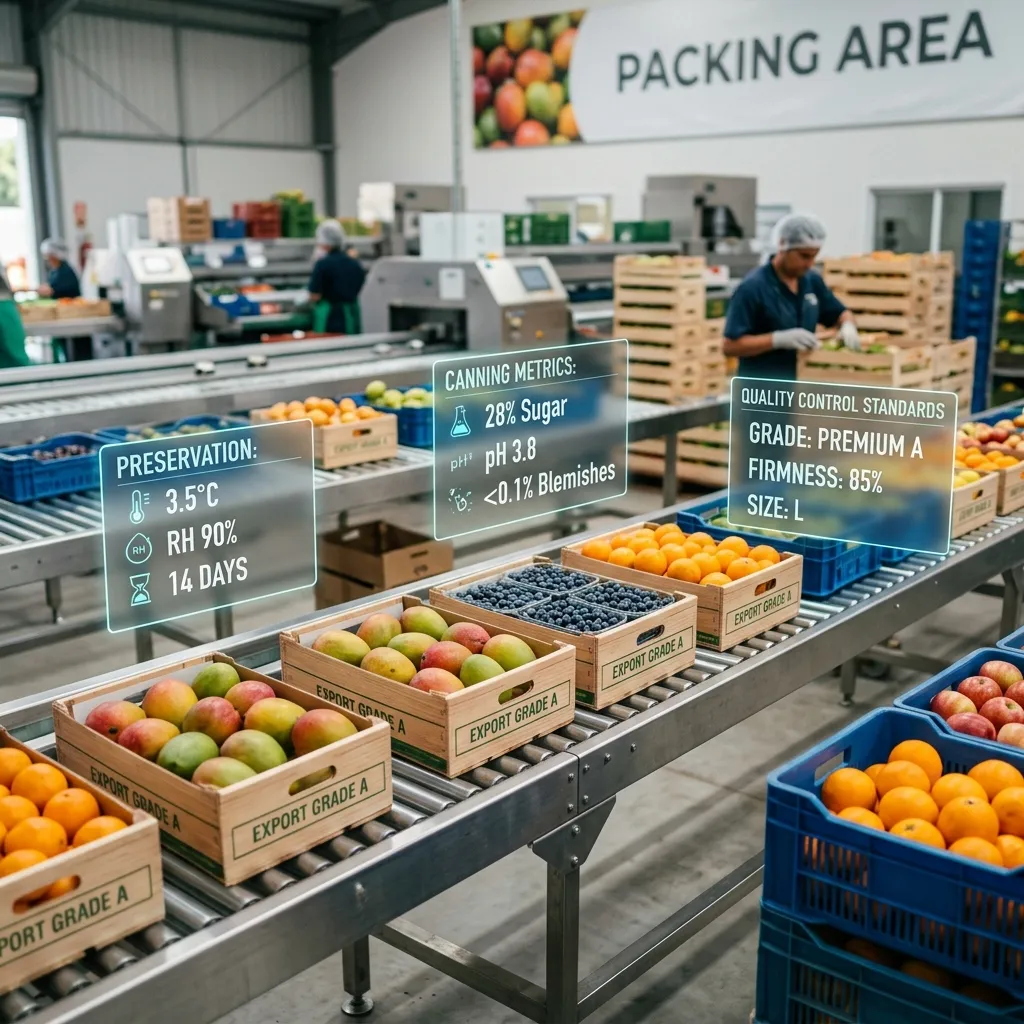
Post-Harvest Technologies 🍶
Preservation methods, canning, processed products, FPO standards, and post-harvest management for competitive exams.
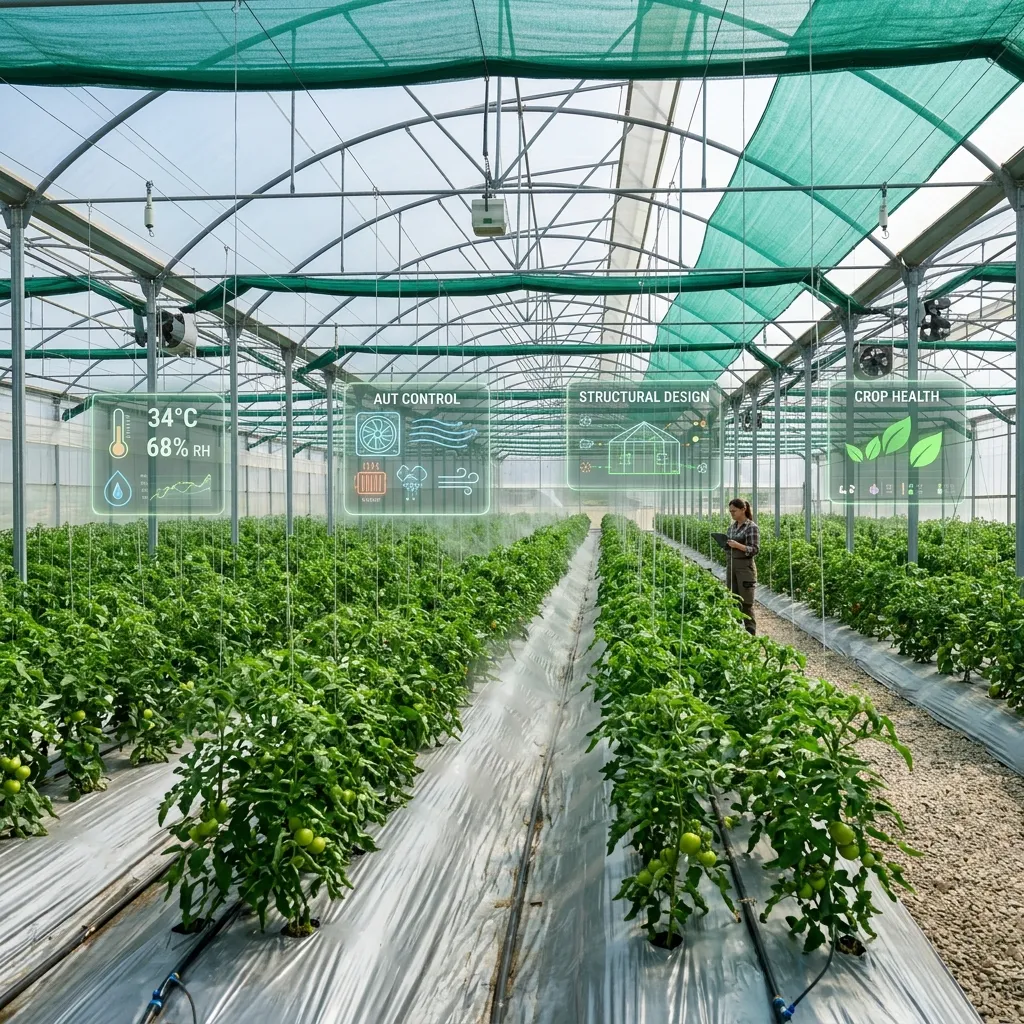
Protected Cultivation 🏠
Greenhouse types, polyhouse, shade net house, mulching, and protected cultivation techniques for competitive exams.
Core Lessons
Direct Chapters In This Course
Frequently Asked Questions
What does the Horticulture course include?
This Horticulture course covers fruit science, vegetable science, floriculture, plantation crops, spices, medicinal and aromatic plants, post-harvest technology, and protected cultivation topics relevant to competitive agriculture exams.
Why is Horticulture important for IBPS AFO and NABARD?
Horticulture is important because it combines high-value crop production with propagation methods, varieties, orchard management, nursery techniques, post-harvest handling, and protected cultivation, all of which are regularly asked in agriculture exams.
What is the difference between horticulture and agronomy?
Agronomy mainly focuses on field crops and production systems, while horticulture focuses on fruits, vegetables, flowers, plantation crops, and intensive crop management with higher value and more specialised handling.
How should I begin Horticulture preparation?
Start with crop groups and propagation methods, then study orchard and nursery management, major fruits and vegetables, floriculture terms, plantation crops, and post-harvest concepts. Variety-based revision is especially useful near the exam.
What are the main branches of horticulture?
The major branches usually discussed are pomology for fruits, olericulture for vegetables, floriculture for flowers, plantation crops, spices, medicinal and aromatic plants, and post-harvest or protected-cultivation related areas.
Why is propagation important in horticulture exams?
Propagation is important because it connects directly to crop establishment, nursery management, clonal uniformity, rootstock use, and crop-wise management. Many horticulture questions become easy once the correct propagation method is linked to the crop.
Which horticulture topics are asked most often in competitive exams?
Major fruits, vegetables, propagation methods, orchard systems, pruning and training, floriculture basics, plantation crops, and post-harvest handling are among the most frequently repeated horticulture areas.
How should I revise fruit and vegetable crops in horticulture?
A crop-table method works well: crop, climate, propagation, spacing, important varieties, special cultural practice, and one key fact. This makes variety-based and crop-comparison questions much easier to recall quickly.
Is horticulture more factual or conceptual?
It is both, but many exam questions feel factual because they ask about varieties, propagation, crop groups, and management practices. The facts become easier to remember when students first understand the crop logic and not just isolated names.
Why is protected cultivation linked with horticulture so often?
Because many high-value horticultural crops benefit strongly from controlled conditions, nursery care, off-season production, and better quality management. That makes protected cultivation one of the natural extension topics inside horticulture preparation.