Microbiology 🔬
Study of microorganisms — bacteria, fungi, algae, viruses, mycoplasma, enzymes, and nitrogen fixation for competitive exams.
Frequently Asked Questions
What is Agricultural Microbiology?
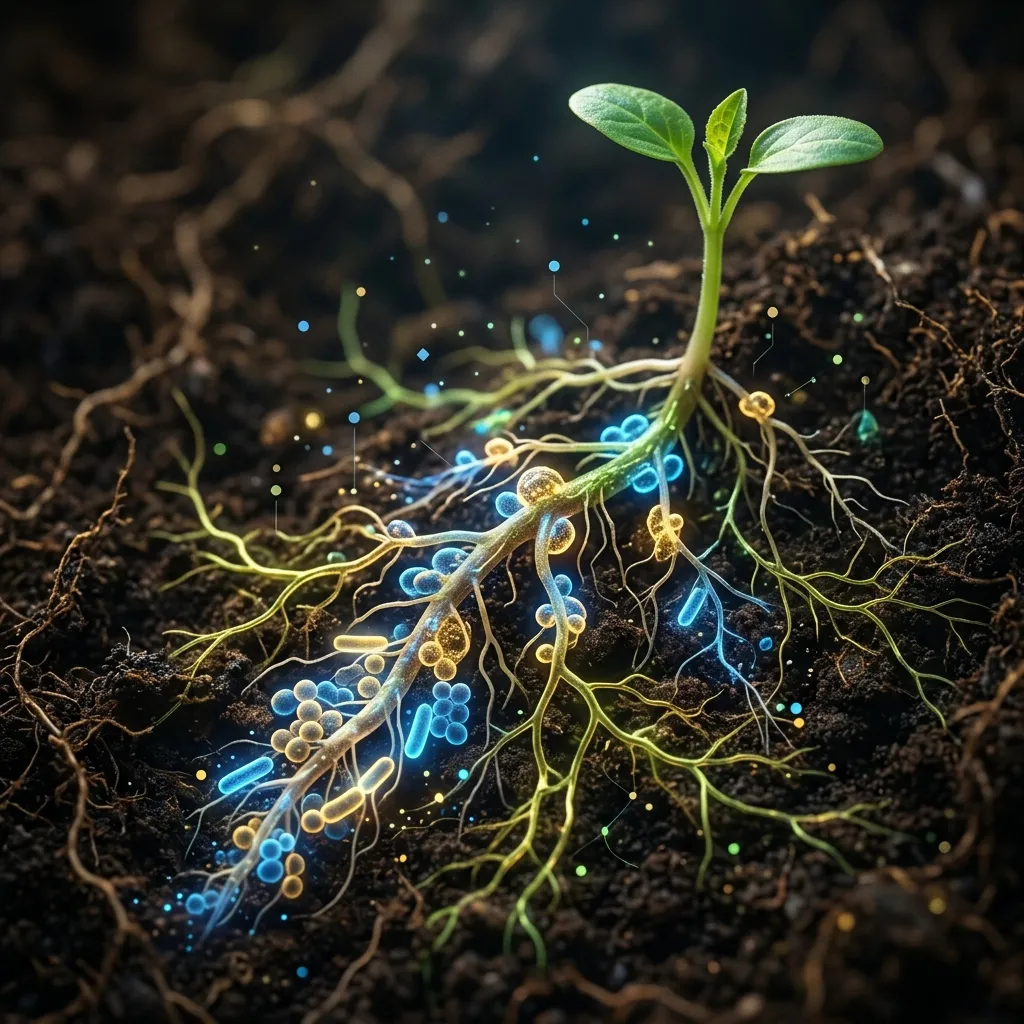
Agricultural Microbiology studies microorganisms such as bacteria, fungi, algae, viruses, actinomycetes, and related microbial processes that affect soil fertility, plant health, nutrient cycling, and agricultural productivity.
Why is Microbiology important in agriculture exams?
It is important because it supports plant pathology, soil science, and biotechnology. Questions often come from nitrogen fixation, biofertilizers, microbial groups, enzymes, and the role of beneficial as well as harmful microorganisms.
What is the difference between microbiology and plant pathology?
Microbiology studies microorganisms in a broader sense, including beneficial and neutral microbes, while plant pathology focuses specifically on disease-causing organisms and plant disease development and management.
Which topics should I prioritise in Microbiology?
Prioritise classification of microorganisms, beneficial microbes, biological nitrogen fixation, common microbial terms, viruses and mycoplasma basics, and the relationship between microbes, soil fertility, and plant health.