Soil Science 🏖️
Soil formation, classification (USDA, FAO), physical and chemical properties, fertility management and amendments. Covers Soil Properties, Soil Fertility & Soil Amendments — high-weightage for all agriculture exams.
Course Structure
What's Inside


Soil Properties
Physical properties (texture, structure, bulk density, porosity), chemical properties (pH, CEC, organic matter, soil reaction), soil water constants (field capacity, PWP), soil colour and horizon development.
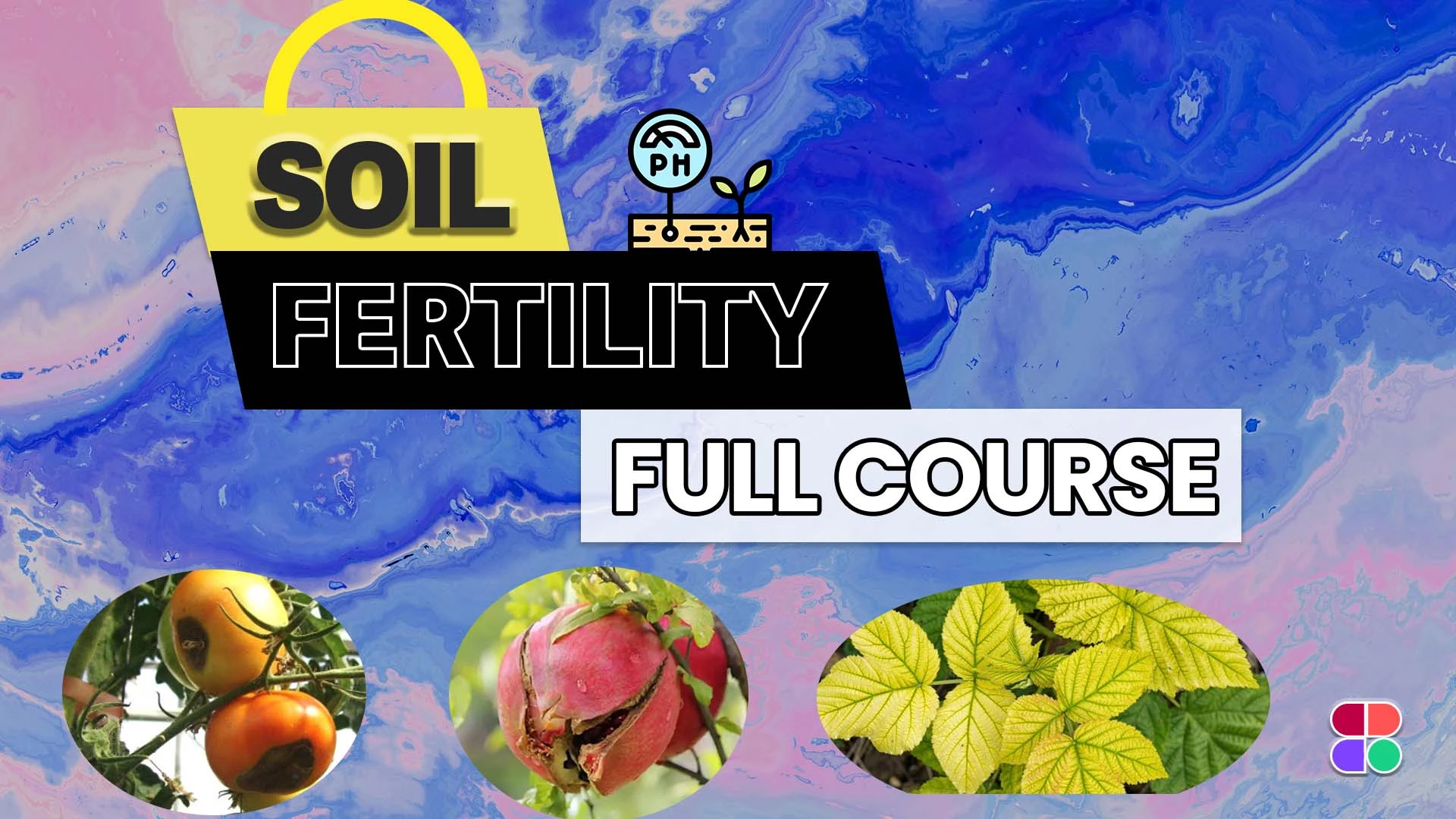
Soil Fertility
Essential plant nutrients, deficiency and toxicity symptoms, NPK fertilizers, secondary and micronutrient management, soil testing and fertilizer recommendations, integrated nutrient management practices.
Soil Amendments
Soil amendments — organic matter, lime, gypsum, compost, vermicompost, biofertilizers, green manure crops, micronutrient correctives. Integrated nutrient management for sustainable and productive agriculture.
Frequently Asked Questions
What does Soil Science include?
Soil Science includes soil formation, classification, texture, structure, water relations, pH, EC, CEC, soil fertility, nutrient management, problematic soils, and amendments that are central to agriculture exam preparation.
Why is Soil Science important for agriculture exams?
Soil Science is one of the most important agriculture subjects because it directly connects to crop productivity, irrigation, fertilizer use, reclamation, and environmental management. Many questions are numerical, definitional, or concept-based.
What is the difference between soil fertility and soil productivity?
Soil fertility refers to the soil's ability to supply essential nutrients, while soil productivity is the broader ability of soil to produce crops under a given system, influenced by fertility as well as water, climate, and management.
Which Soil Science topics should beginners start with?
Start with soil formation, profile, texture, structure, and colloids. Then study pH, EC, CEC, organic matter, nutrient availability, soil testing, fertilizers, and finally saline, sodic, acidic, and other problematic soils.
Why are pH, EC, and CEC so important in Soil Science?
They are important because they influence nutrient availability, salinity understanding, exchange capacity, and crop response. Many soil-science questions revolve around these three ideas because they connect basic theory with practical field management.
What is the difference between saline, sodic, and acidic soils?
Students ask this constantly because the names sound similar but management differs. Saline soils are mainly salt-affected, sodic soils are dominated by exchangeable sodium problems, and acidic soils are low-pH soils with their own nutrient and toxicity issues.
How is Soil Science linked to crop production?
Soil Science underpins crop production because it shapes root environment, water movement, nutrient supply, amendment needs, and fertilizer efficiency. Strong crop management decisions usually begin with understanding the soil first.
What is the easiest way to revise Soil Science before an exam?
Revise by concept clusters: soil formation and profile, physical properties, chemical properties, fertility and nutrient management, and problematic soils. Tables for pH, EC, CEC, texture, and amendment logic make fast revision easier.
Are soil-testing questions important in agriculture exams?
Yes. Soil testing is a practical bridge between theory and recommendation, so it often appears in questions about fertility diagnosis, nutrient management, reclamation, and rational fertilizer use.
What is the biggest mistake students make in Soil Science preparation?
A common mistake is memorising terms like pH, EC, CEC, and texture classes without understanding what they actually do in the field. Students usually improve much faster once they connect soil properties with real crop and nutrient outcomes.