Protected Cultivation 🏠
Greenhouse types, polyhouse, shade net house, mulching, and protected cultivation techniques for competitive exams.
Frequently Asked Questions
What is protected cultivation in horticulture?
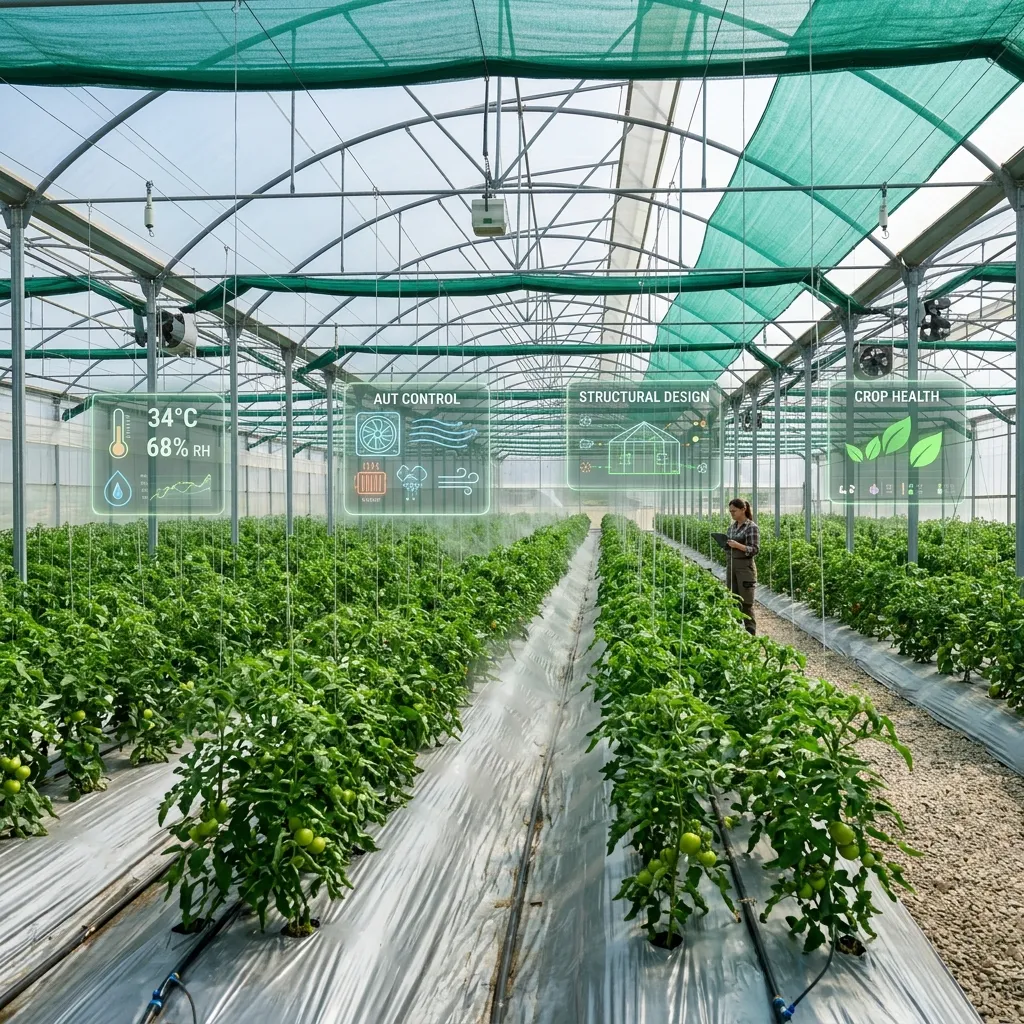
Protected cultivation in horticulture means raising fruits, vegetables, flowers, and nursery plants under structures like polyhouses, greenhouses, tunnels, or shade-net houses to control growing conditions and improve quality.
Why is protected cultivation a major horticulture topic?
It is a major topic because it supports off-season production, better input-use efficiency, reduced weather risk, improved nursery management, and higher returns from high-value horticultural crops.
What is commonly asked from protected cultivation in exams?
Exams usually ask about structure types, covering materials, environmental control, fertigation, mulching, drip irrigation, crop suitability, and the practical difference between open cultivation and protected cultivation.
Which crops perform well under protected cultivation?
Common examples include capsicum, cucumber, tomato, leafy vegetables, strawberry, carnation, gerbera, rose, and nursery seedlings because these crops benefit from stable temperature, humidity, and disease management.