🐛 Types of Larvae and Pupae
Major larval and pupal forms used in insect identification and classification.
Insect identification often becomes much easier when we can recognize the egg, larval, or pupal form before the adult emerges. This lesson organizes the major egg patterns, larval types, pupal forms, and protective coverings that are repeatedly asked in entomology exams.
Eggs
The egg is the first developmental stage in all insects, and most insects are oviparous. The egg stage is usually inactive, inconspicuous, and nutritionally supported by yolk during embryonic development. Eggs are laid where future larvae will find food, either singly or in groups.
The outer shell of the egg is called the chorion. Near the anterior end, a small opening called the micropyle allows sperm entry for fertilization. Insect eggs differ widely in size, shape, and chorionic surface texture.
Types of Eggs
Singly laid eggs
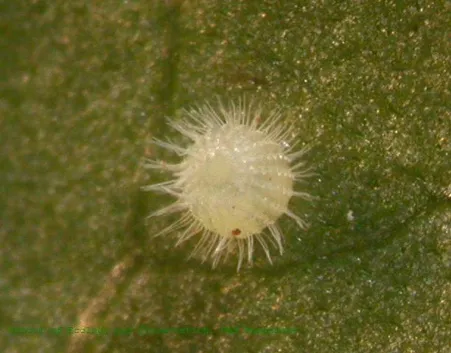
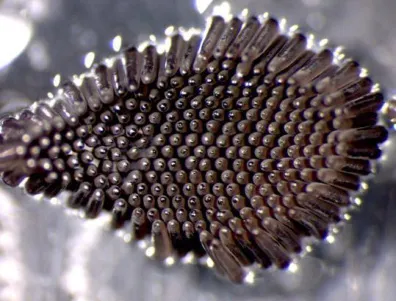
1. Sculptured egg Chorion has reticulate markings and ridges. Example: castor butterfly.
2. Elongate egg Eggs are cigar-shaped. Example: sorghum shoot fly.
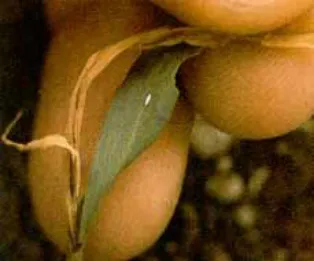
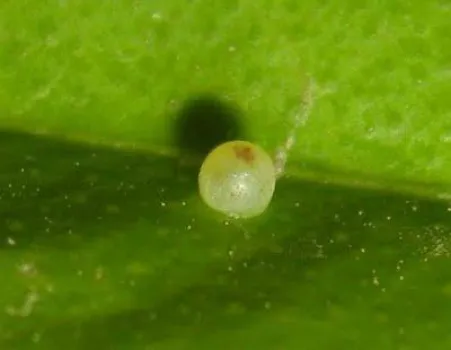
3. Rounded egg Eggs are spherical or globular. Example: citrus butterfly.
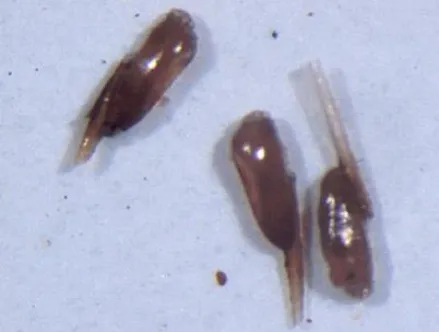
4. Nit The egg of head louse is called a nit. It is cemented to the base of the hair. An egg stigma at the posterior end helps attachment, while an oval lid at the anterior end opens during hatching.
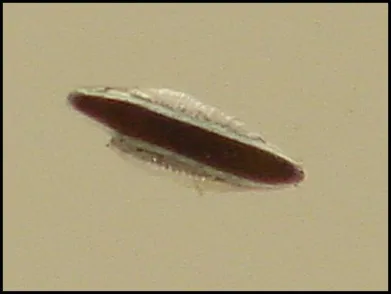
5. Egg with float The egg is boat-shaped with conspicuous lateral floats. These expansions help the egg remain afloat. Example: Anopheles mosquito.
Eggs laid in groups
1. Pedicellate eggs Eggs are laid on slender silken stalks, usually in groups on plants. Example: green lacewing.
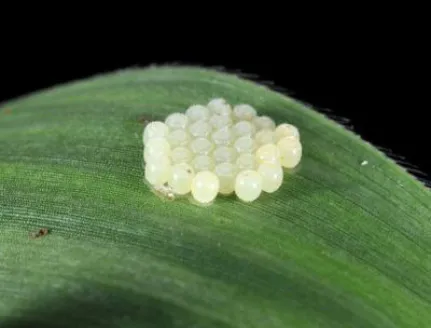
2. Barrel-shaped eggs Eggs resemble miniature barrels or batteries and are deposited in compact masses. Example: stink bug.
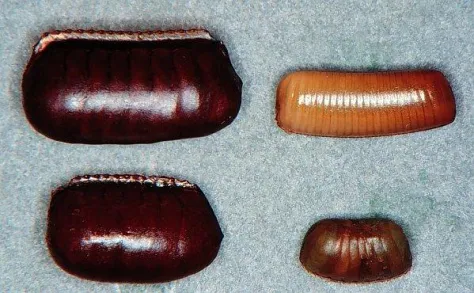
3. Ootheca Cockroach eggs are enclosed in a brown, bean-like chitinous capsule. Each ootheca contains two parallel rows of eggs enclosed within a double-layered protective wrapper. A crest along the top allows gaseous exchange with minimal water loss.

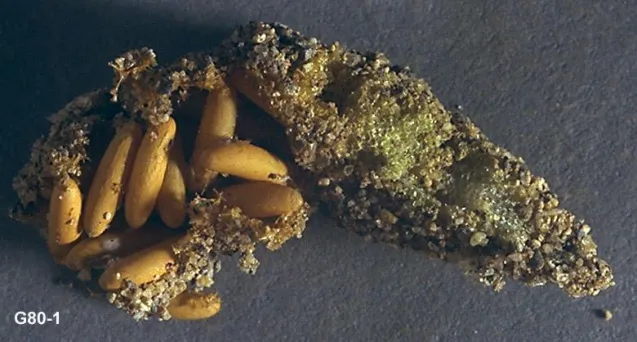
4. Egg pod Grasshoppers deposit egg masses in soil within a frothy secretion. This later hardens into a plug that protects the eggs from drying.
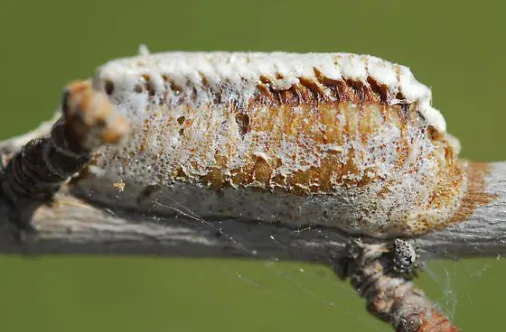
5. Egg case Mantids lay eggs in a foamy secretion called spumaline, which later hardens into an egg case or ootheca. Eggs are arranged in rows within egg chambers.
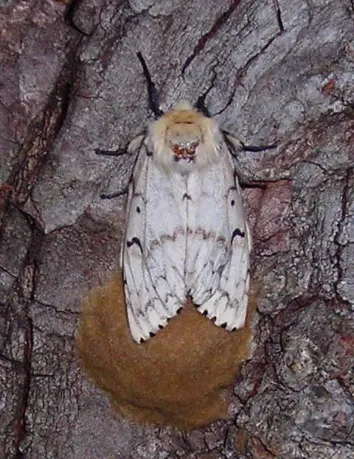
6. Egg mass Some moths lay eggs in masses covered with body hairs. The anal tuft of hairs is commonly used for this purpose. Example: rice stem borer. In sericulture, the egg mass of silkworm is called a disease-free laying (DFL).
7. Egg raft In Culex mosquitoes, 200 to 300 eggs may be laid together in a floating mass called an egg raft.
Larvae
Larvae are commonly classified into three major groups: oligopod, polypod (eruciform), and apodous.
Oligopod larvae
Oligopod larvae have well-developed thoracic legs but no abdominal legs.
1. Campodeiform Body is elongated, dorsoventrally flattened, and well sclerotized. The head is prognathous, thoracic legs are long, and abdominal cerci or caudal processes are often present. These larvae are very active and usually predatory. Examples: antlion grub, ladybird beetle grub.
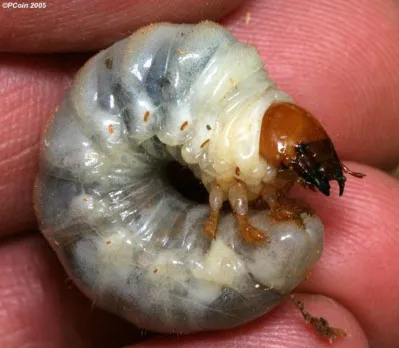
2. Scarabaeiform Body is stout, subcylindrical, and typically C-shaped. The head is well developed, thoracic legs are short, and caudal processes are absent. These larvae are sluggish and usually burrow in soil or wood. Example: rhinoceros beetle grub.
Polypod or eruciform larvae
These larvae have a long trunk, a well-sclerotized head capsule, three pairs of thoracic legs, and up to five pairs of unjointed abdominal prolegs. Prolegs often bear hooks called crochets, which help in clinging to vegetation.
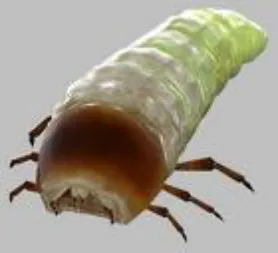
The usual example is the caterpillar, the larva of moths and butterflies.
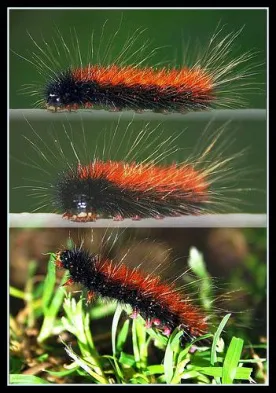
1. Hairy caterpillar The body bears dense, sparse, or tufted hairs that may cause irritation on contact. Example: red hairy caterpillar.
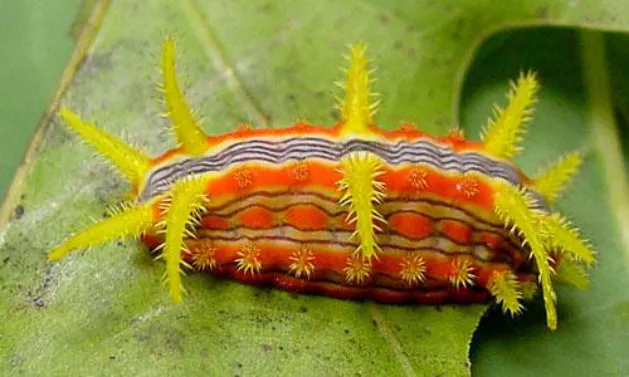
2. Slug caterpillar The larva is short, thick, stout, and fleshy. The head is small and retractile, thoracic legs are minute, abdominal legs are absent, and the body bears poisonous spines called scoli. It is also called a platyform larva.
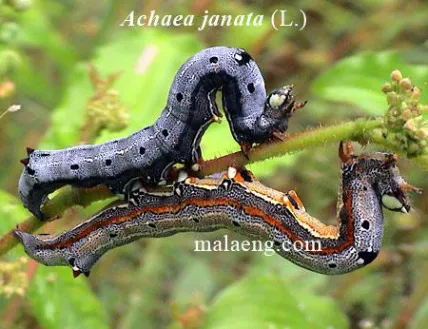
3. Semilooper Three or four pairs of prolegs are present. Prolegs may be absent or rudimentary on the third, or on the third and fourth, abdominal segments. Example: castor semilooper.
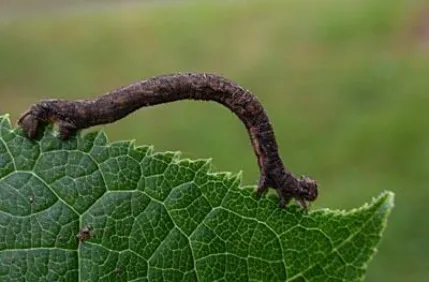
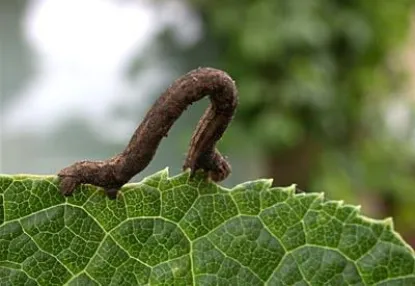
4. Looper Also called measuring worm, earth measurer, or inchworm. Only two pairs of prolegs are present, usually on the sixth and tenth abdominal segments. Example: daincha looper.
Apodous larvae
Apodous larvae lack appendages for locomotion. They are classified according to development and sclerotization of the head capsule.
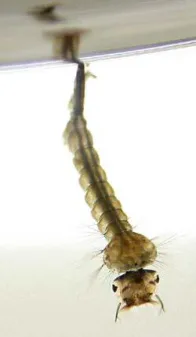
1. Eucephalous Head capsule is well developed, with functional mandibles, maxillae, stemmata, and antennae. Mandibles act transversely. Examples: mosquito wriggler, red palm weevil grub.
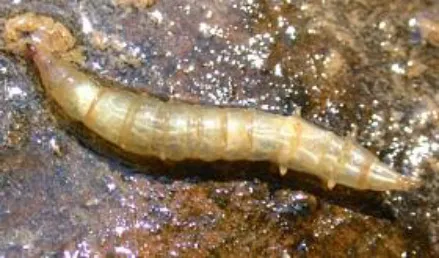
2. Hemicephalous Head capsule is reduced and may be withdrawn into the thorax. Mandibles act vertically. Examples: horse fly larva, robber fly larva.
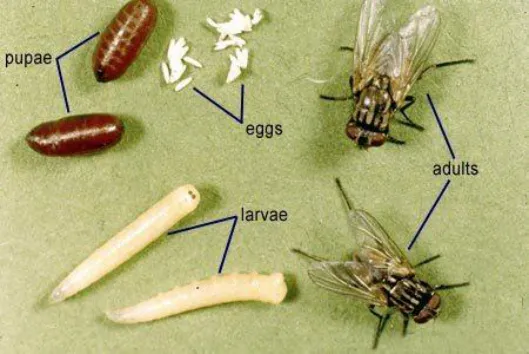
3. Acephalous Head capsule is absent. Mouthparts consist of protrusible curved mouth hooks with associated internal sclerites. These are also called vermiform larvae. Example: housefly maggot.
Pupae
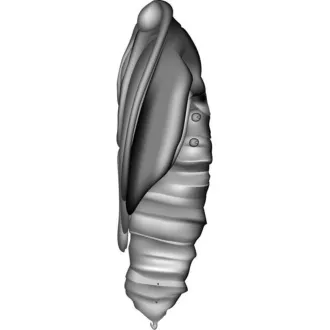
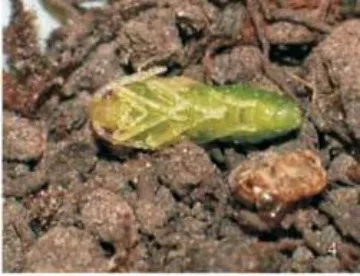
The pupa is the resting and inactive stage of holometabolous insects. During this transitional period, larval characters are broken down and adult characters are formed. Pupae are broadly of three types.
1. Obtect pupa
In obtect pupae, appendages such as antennae, legs, and wing pads are glued to the body by secretions produced during the final larval molt. The exposed surfaces are generally more heavily sclerotized. Example: moth pupa.
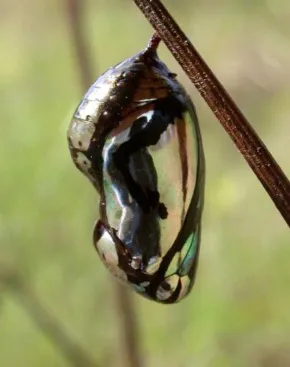
Chrysalis This is the naked obtect pupa of butterflies. It is angular, often attractively colored, and attached to the substratum by hooks at the abdominal end called the cremaster. The middle part may be supported by silken threads called the girdle.
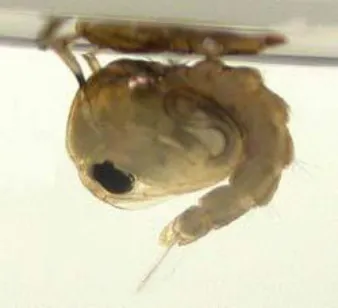
Tumbler The pupa of mosquito is called a tumbler. It is comma-shaped and has breathing trumpets at the cephalic end and anal paddles at the tip of the abdomen. The abdomen shows jerky movements, making this pupa comparatively active.
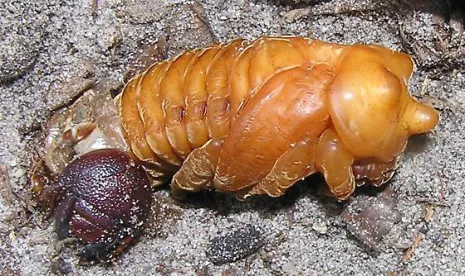
2. Exarate pupa
In exarate pupae, appendages are free and not glued to the body. They are usually soft and pale. Example: rhinoceros beetle pupa.
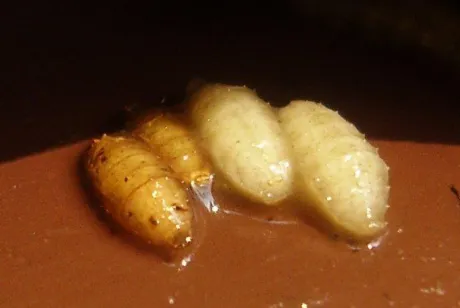
3. Coarctate pupa
The pupa is enclosed within the hardened last larval skin, forming a barrel-shaped case called the puparium. External appendages are not visible. Example: fly pupa.
Pupal Protection
Because the pupal stage is usually immobile, it is highly vulnerable to adverse conditions and natural enemies. For protection, many insects enclose the pupa in a protective covering called a cocoon or a related structure.
| S.No | Type of cocoon | Material used | Example |
|---|---|---|---|
| 1 | Silken cocoon | Silk | Silkworm |
| 2 | Earthen cocoon | Soil + saliva | Gram pod borer |
| 3 | Hairy cocoon | Body hairs | Woolly bear |
| 4 | Frassy cocoon | Frass + saliva | Coconut black-headed caterpillar |
| 5 | Fibrous cocoon | Fibres | Red palm weevil |
| 6 | Puparium | Hardened last larval skin | Housefly |
Summary Cheat Sheet
- Egg shell terms: Chorion is the outer shell; micropyle is the opening for sperm entry.
- Singly laid eggs: Sculptured, elongate, rounded, nit, and egg with float.
- Grouped eggs: Pedicellate, barrel-shaped, ootheca, egg pod, egg case, egg mass, and egg raft.
- Larval groups: Oligopod, polypod, and apodous.
- Oligopod examples: Campodeiform and scarabaeiform.
- Polypod examples: Hairy caterpillar, slug caterpillar, semilooper, and looper.
- Apodous types: Eucephalous, hemicephalous, and acephalous.
- Pupal types: Obtect, exarate, and coarctate.
- Special terms: Chrysalis is butterfly pupa, tumbler is mosquito pupa, and puparium is the hardened larval skin enclosing a coarctate pupa.
- Exam tip: Questions often ask for distinguishing characters plus one example for each egg, larval, and pupal type.
References
2 sources • [1] [2]
References
Fundamentals of Entomology
Insect Morphology and Systematics
Lesson Doubts
Ask questions, get expert answers