🪲 Order Hemiptera and Pentatomidae
Systematic features of true bugs with emphasis on family Pentatomidae.
Hemiptera includes many of the most familiar sap-feeding and pestiferous insects in agriculture, from stink bugs and seed bugs to leaf hoppers, aphids, whiteflies, and scales. The order is especially recognized by its piercing-sucking mouthparts and its large number of economically important crop pests and disease vectors.
Meaning and General Characters of Hemiptera
Hemiptera has also been called Rhynchota in older classification.
- hemi means half
- ptera means wings
- common name: true bugs
Important characters:
- head usually opisthognathous
- mouthparts piercing-sucking
- mandibles and maxillae modified into stylets resting inside a grooved labium or rostrum
- labial and maxillary palps absent or highly reduced
- mesothorax dorsally represented by a scutellum
- forewings may be uniformly textured or partly coriaceous and partly membranous
- cerci absent
- metamorphosis usually gradual
- alimentary canal often modified for liquid food, sometimes with filter chamber
- salivary glands well developed
- extra-oral digestion common
- abdominal ganglia often fused with thoracic ganglia
Heteroptera and Homoptera Compared
The lesson divides Hemiptera into two major groups:
- Heteroptera
- Homoptera
| Character | Heteroptera | Homoptera |
|---|---|---|
| Head position | Porrect or horizontal | Deflexed |
| Foreleg base | Does not touch head | Touches head |
| Beak origin | From anterior part of head | From posterior part of head |
| Gular region | Well defined | Not clearly defined |
| Pronotum | Usually enlarged | Usually small and collar-like |
| Scutellum | Well developed | Not well developed |
| Forewings | Basally coriaceous and apically membranous (hemelytra) | Uniform in texture |
| Resting position of wings | Flat over back, overlapping | Roof-like, usually non-overlapping |
| Honeydew secretion | Uncommon | Common |
| Special glands | Repugnatorial or scent glands present | Wax glands common |
| Habit | Terrestrial and aquatic forms occur | Mostly terrestrial |
| Feeding habit | Herbivorous, predaceous, or blood-sucking | Mostly herbivorous |
Important Families of Heteroptera
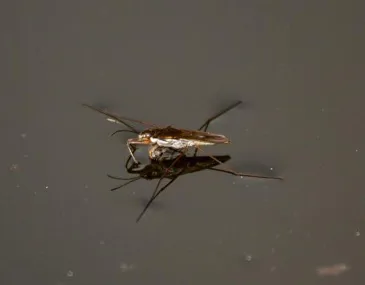
Gerridae
- water striders or pond skaters
- forelegs short and used in prey capture
- middle legs used in pushing
- hind legs used in steering
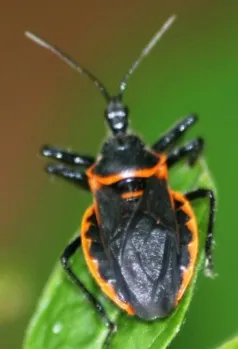
Reduviidae
- assassin bugs or kissing bugs
- head narrow and constricted behind eyes
- beak short and three-segmented
- many are predatory, some blood-feeding
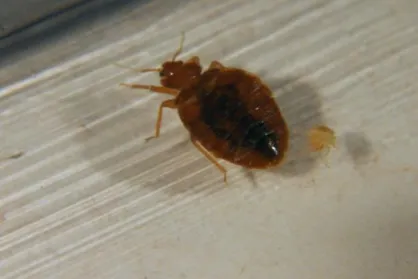
Cimicidae
- bed bugs
- body dorsoventrally flattened
- adapted for hiding in cracks and crevices
- blood-sucking habit
Tingidae
- lace bugs
- pronotum with lateral lace-like expansions
- forewings with reticulate lace-like pattern
- many species are sap-sucking leaf pests
Miridae
- plant bugs or leaf bugs
- beak and antennae four-segmented
- hemelytra with corium, clavus, and cuneus
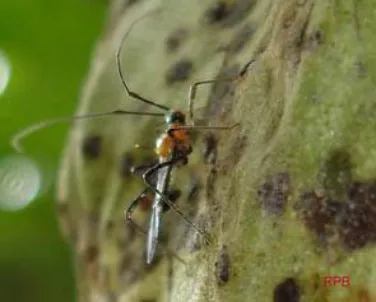
Lygaeidae
- seed bugs or chinch bugs
- cuneus absent
- membrane with a few irregular veins
- includes pests such as dusky cotton bug
Pyrrhocoridae
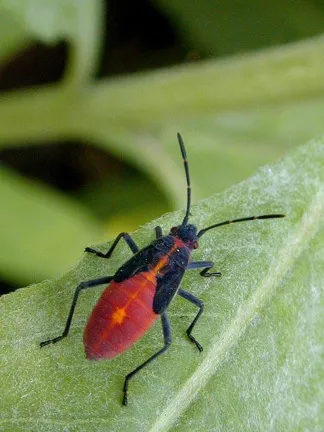
- red bugs or stainers
- conspicuous red and black warning colouration
- several are cotton pests
Coreidae
- squash bugs or leaf-footed bugs
- membrane with many branching veins
- stink glands open between middle and hind coxae
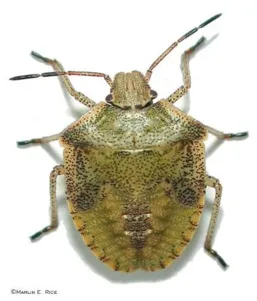
Pentatomidae
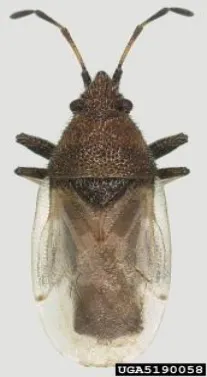
- stink bugs or shield bugs
- antennae five-segmented
- scutellum large and shield-like
- adults and nymphs produce disagreeable odour from metathoracic stink glands
- many are important crop pests
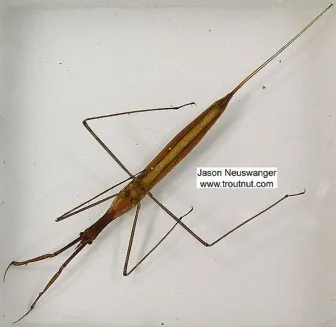
Nepidae
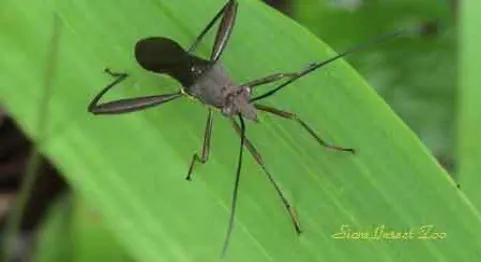
- water scorpions
- forelegs raptorial
- middle and hind legs used for walking
- long caudal breathing tube present
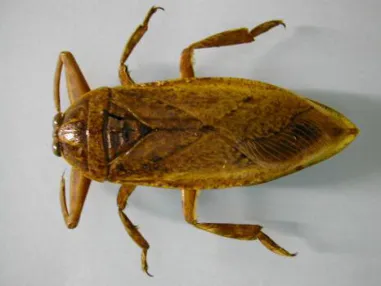
Belostomatidae
- giant water bugs or electric light bugs
- large-bodied aquatic bugs
- antennae concealed in pockets
- predatory aquatic forms
Important Families of Homoptera
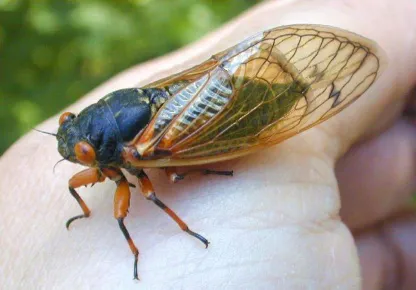
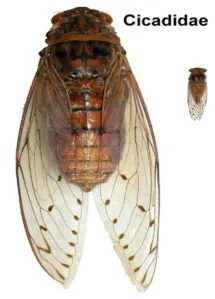
Cicadidae
- cicadas
- males possess sound-producing organs near abdominal base
Membracidae
- tree hoppers or cowbugs
- pronotum enlarged and extended backward
- body often resembles thorns or plant parts
Cicadellidae
- leaf hoppers or jassids
- elongate wedge-shaped body
- hind tibiae with double row of spines
- many suck sap and transmit plant diseases such as rice tungro
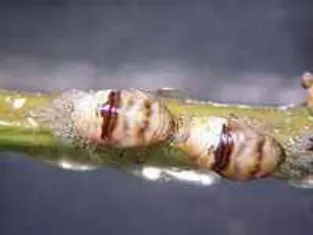
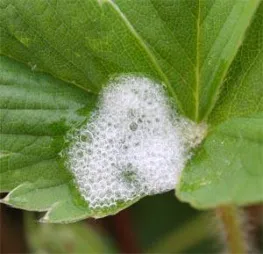
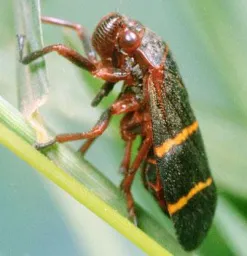
Cercopidae
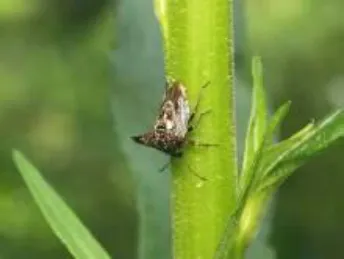
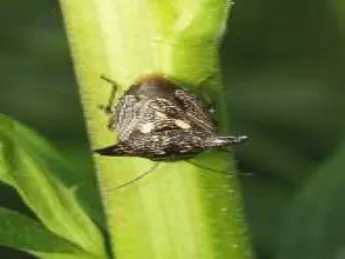
- spittle bugs or froghoppers
- adults resemble tiny frogs
- nymphs live in frothy spittle masses
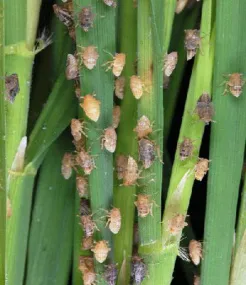
Delphacidae
- plant hoppers
- large flattened spur at apex of hind tibia
- includes brown plant hopper, a major rice pest and virus vector
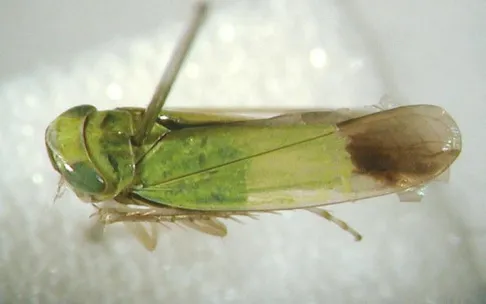
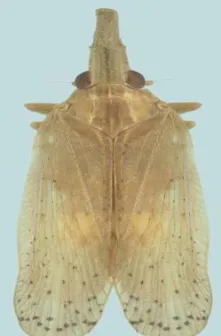
Lophopidae
- head produced into a snout
- includes sugarcane leaf hopper Pyrilla perpusilla
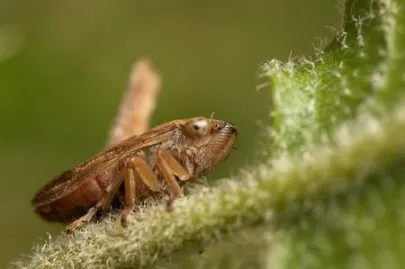
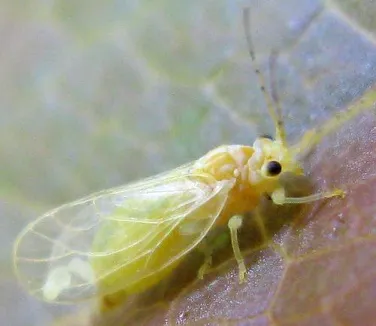
Psyllidae
- jumping plant lice
- small active insects that leap well
- hind legs suited for jumping
- forewing with prominent basal vein
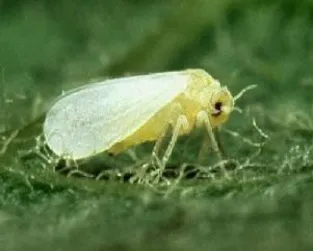
Aleyrodidae
- whiteflies
- minute moth-like insects
- wings coated with white powdery wax
- wing venation much reduced
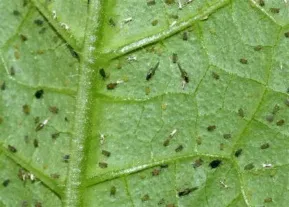
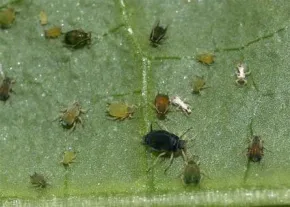
Aphididae
- aphids or plant lice
- body pear-shaped
- both winged and wingless forms occur
- cornicles or siphunculi present
- many are important sap-sucking pests and vectors
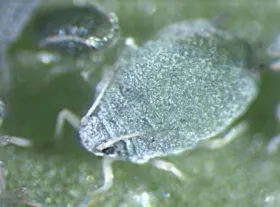
Coccidae
- soft scales
- strong sexual dimorphism
- male gnat-like; female more degenerate and wax-covered
Diaspididae
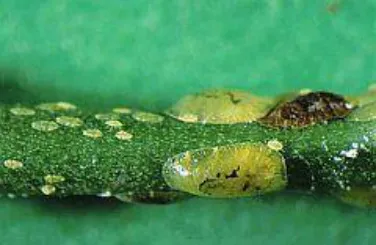
- armoured scales
- adult female lacks antennae, legs, and wings
- body protected by hard waxy cover
Kerridae
- lac insects
- females highly degenerate
- body enclosed in thick resinous cell
Pseudococcidae
- mealy bugs
- body elongate oval with distinct segmentation
- body covered with mealy wax secretion
- legs functional in all instars
Summary Cheat Sheet
- Hemiptera is characterized mainly by piercing-sucking mouthparts and includes many major sap-feeding pests.
- The lesson divides the order into Heteroptera and Homoptera.
- In Heteroptera, forewings are typically hemelytra, and many families have scent glands.
- Important heteropteran families include Gerridae, Reduviidae, Cimicidae, Tingidae, Miridae, Lygaeidae, Pyrrhocoridae, Coreidae, Pentatomidae, Nepidae, and Belostomatidae.
- Pentatomidae are shield bugs or stink bugs with large scutellum and strong odour.
- Important homopteran families include Cicadidae, Membracidae, Cicadellidae, Cercopidae, Delphacidae, Lophopidae, Psyllidae, Aleyrodidae, Aphididae, Coccidae, Diaspididae, Kerridae, and Pseudococcidae.
- Several homopterans are important because they suck plant sap, produce honeydew, and transmit plant diseases.
- Major crop-pest examples include brown plant hopper, aphids, whiteflies, mealy bugs, cotton stainers, and stink bugs.
References
2 sources • [1] [2]
References
[1]
Fundamentals of Entomology
[2]
Insect Morphology and Systematics
Lesson Doubts
Ask questions, get expert answers