📈 Diseases of Pomegranate
Diseases of Pomegranate.
This lesson reviews key diseases affecting pomegranate and related fruit crops, with structured notes on symptoms, spread, and control measures.
Pomegranate
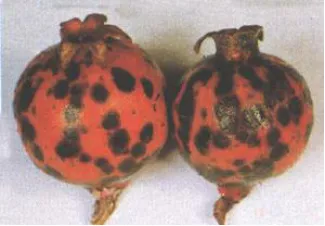
Cercospora fruit Spot : Cercospora sp .
Symptom
The affected fruits showed small irregular black spots, which later on coalesce, into big
spots.
Management
The diseased fruits should be collected and destroyed. Two to three spray at 15 days
interval with Mancozeb 0.25%.
Leaf Spot or Blight : Colletotrichum gloesporioides; Pseudocercospora punicae; Curvularia
lunata and Cercospora punicae )
Symptom
The disease is characterized by appearance of small, irregular and water-soaked spots on
leaves.Affected leaves fall off.
Pathogen
Conidiophores are olivaceous brown, short, fasciculate, sparingly septate. Conidia are
hyaline to pale olivalceous cylindric and septate.
Mode of spread and survival
The pathogen spread through wind borne conidia.
Management
Spraying Mancozeb 0.25 % at 15 days interval gives good control of the disease.
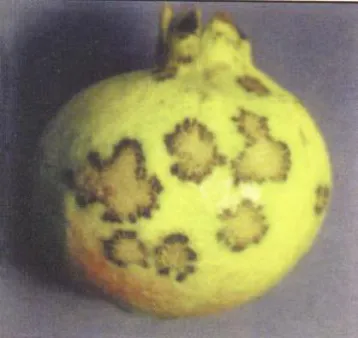
Alternaria fruit spot : Alternaria alternata
Symptom
Small reddish brown circular spots appear on the fruits. As the disease advances these
spots, coalesce to form larger patches and the fruits start rotting. The arils get affected which
become pale and become unfit for consumption.
Management
All the affected fruits should be collected and destroyed. Spraying Mancozeb 0.25 %
effectively controls the disease.
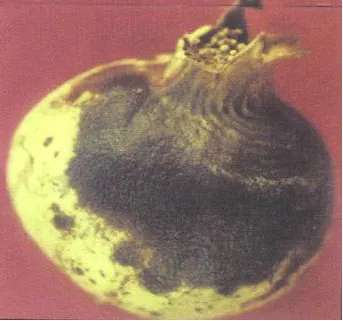
Fruit Rot ( Aspergillus foetidus):
The symptoms are in the form of round black spots on the fruit and petiole. The disease
starts from calyx end and gradually the entire fruit shows black spots. The fruit further rots
emitting a foul odour.
Management
The disease can be controlled by spraying of Bavistin (0.5%), Dithane M-45 (0.25%) or
Dithane Z-78 (0.25%) at an interval of 10-15 days from the onset of flowering.
Papaya
Stem rot / Foot rot – Pythium aphanidermatum
Symptoms
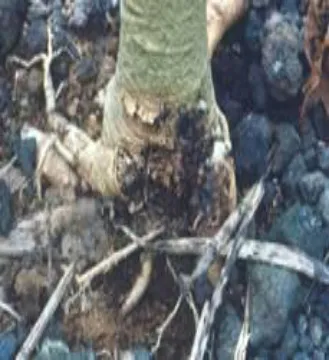 Water soaked spot in the stem at the ground level which enlarge and griddle the stem.
The diseased area turns brown or black and rot. Terminal leaves turn yellow droop off. The
entire plant topples over and dies. Forward by rain. R. solani is favoured by dry and hit weather. Common
in 2-3 year old trees.
Pathogen
Mycelium is septate, brown and much branched. The sclerotia are black, spherical to
irregular shape and produced in abundance.
Management
Seed treatment with Thiram or Captan 4 g/kg or Chlorothalonil.
Drenching with Copper oxychloride 0.25 % or Bordeaux mixture 1% or Metalaxyl 0.1%.
Powdery mildew – Oidium caricae
Symptoms
While mycelia growth appear on the upper surface of the leaf, flower stalks and fruit.
Seven attak causes yellowing and defiation of leaves.
Pathogen
It is an obligate parasite. The mycelium is hyaline, septate and haustoria develop in
epidermal cells. Conidia are hyaline.
Mode of spread and survival
The pathogen spread through wind borne conidia.
Management
Spray Wettable Sulphur 0.25% or Dinocap 0.05% or Chinomethionate 0.1% or
Tridemorph 0.1%.
Papaya ring spot – Papaya ring spot virus
Symptoms
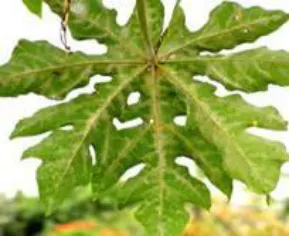
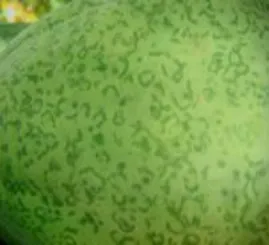 Vein clearing, puckering and chlorophyll leaf tissues lobbing in. Margin and distal parts
of leaves roll downward and inwards, mosaic mottling, dark green blisters, leaf distortion which
result in shoe string system and stunting of plants. On fruits circular concentric rings are
produced. If affected earlier no fruit formation.
Pathogen
The virus particles are rod shaped and thermal inactivation point of the virus lies between
54 and 60˚C.
Mode of spread
Vectored by aphids Aphis gossypii, A. craccivora and also spreads to cucurbits not
through seeds.
Management
Raise papaya seedlings under insect-proof conditions. Plant disease free seedlings. Raise
sorghum / maize as barrier crop before planting papaya. Rogue out affected plants immediately
on noticing symptoms. Do not raise cucurbits around the field.
Leaf curl – Papaya leaf curl virus
Symptoms
Curling, crinkling and distortion of leaves, reduction of leaf lamina, rolling of leaf
margins inward and downward, thickening of veins. Leaves become leathery, brittle and
distorted. Plants stunted. Affected plants does not produce flowers and fruits.
Mode of spread
Spread by whitefly Bemisia tabaci .
Management
Uproot affected plants. Avoid growing tomato, tobacco near papaya. Spraying with
systemic insecticides to control the vector.
Anthracnose – Colletotrichum gloeosporioides
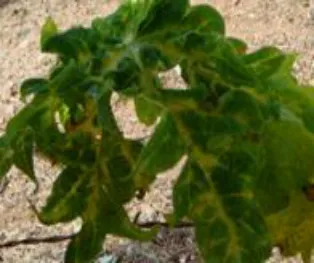
Symptom
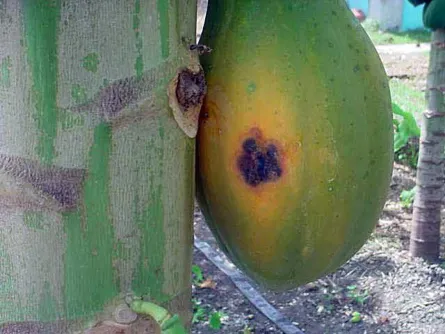
If affect leaf and stem on erotic spots are produced. On fruit initially brown superficial
discoloration of the skin develops which are circular and slightly sunken. Then they coalesce in
which sparse mycelial growth appear on the margins of a spot. Under humid condition salmon
pink spores are released. Fruits mummified and deformed.
Mode of spread
Infection is caused by fruit from field. Secondary spread by conidia by rain splashes
Management
Spray with Carbendazim 0.1% (or) Chlorothalonil 0.2% or Mancozeb 0.2%.
Summary Cheat Sheet
| Focus Area | Key Takeaway |
|---|---|
| Major diseases | Revise causal organisms, hallmark symptoms, and crop stage of attack. |
| Spread and survival | Link each disease with inoculum source, vector, and favorable conditions. |
| Management | Prioritize integrated management: sanitation, resistant varieties, and timely sprays. |
References
1 source • [1]
References
Class notes and standard plant pathology references
Lesson Doubts
Ask questions, get expert answers