Class 12th Agriculture
A full Class 12 Agriculture guide built for school learners who want clear explanations, better examples, and structured revision across the complete syllabus.

Course Structure
What's Inside
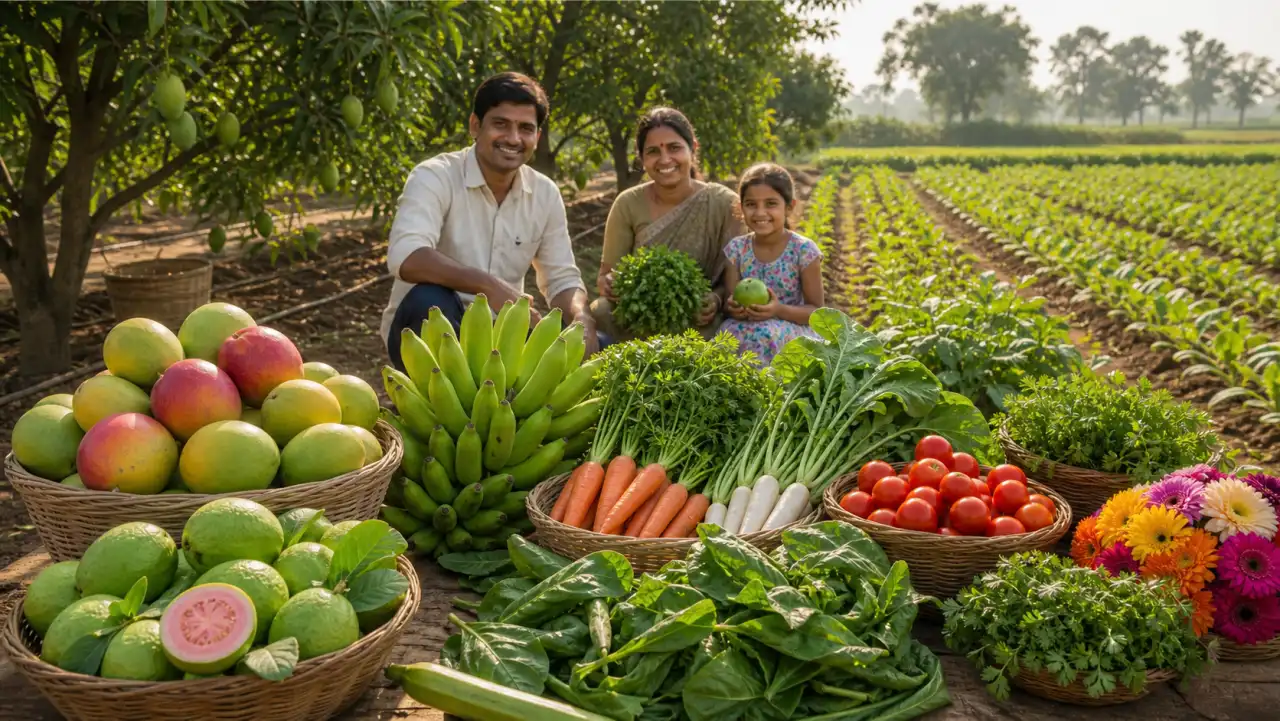

01. Advance Crop Production
The foundation unit for Class 12th Agriculture: crop production starts with soil, water, nutrients, and plant protection.
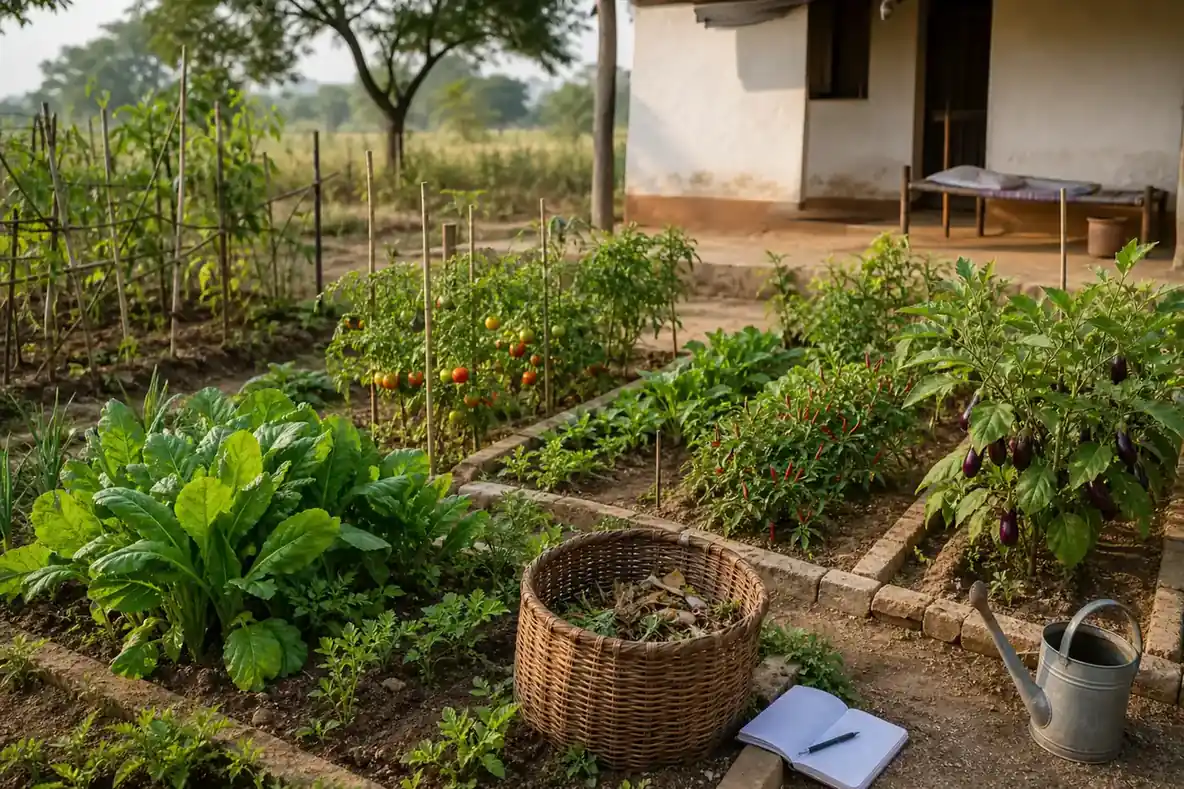
02. Organic Farming
A student-friendly section on why organic farming matters, how it works, certification, schemes, and where it stands in India.
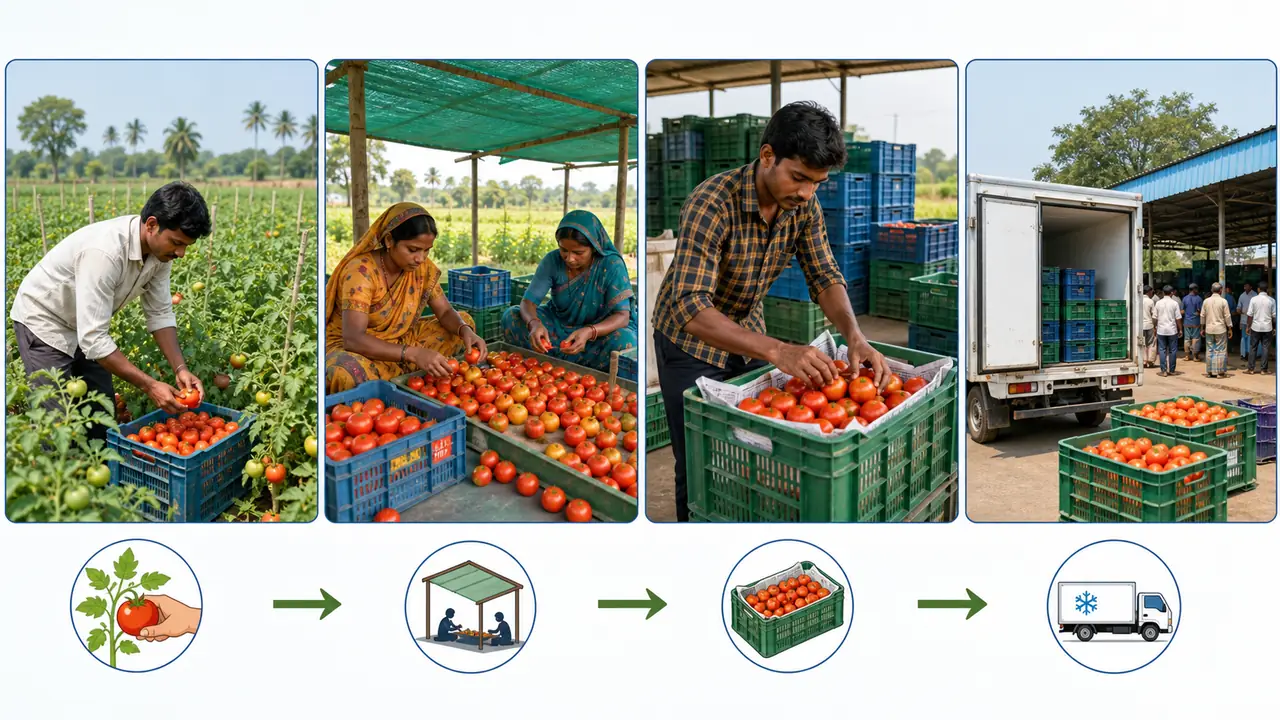
03. Post-Harvest Management
A practical section on what happens after harvest, how losses are reduced, and how produce quality is protected.
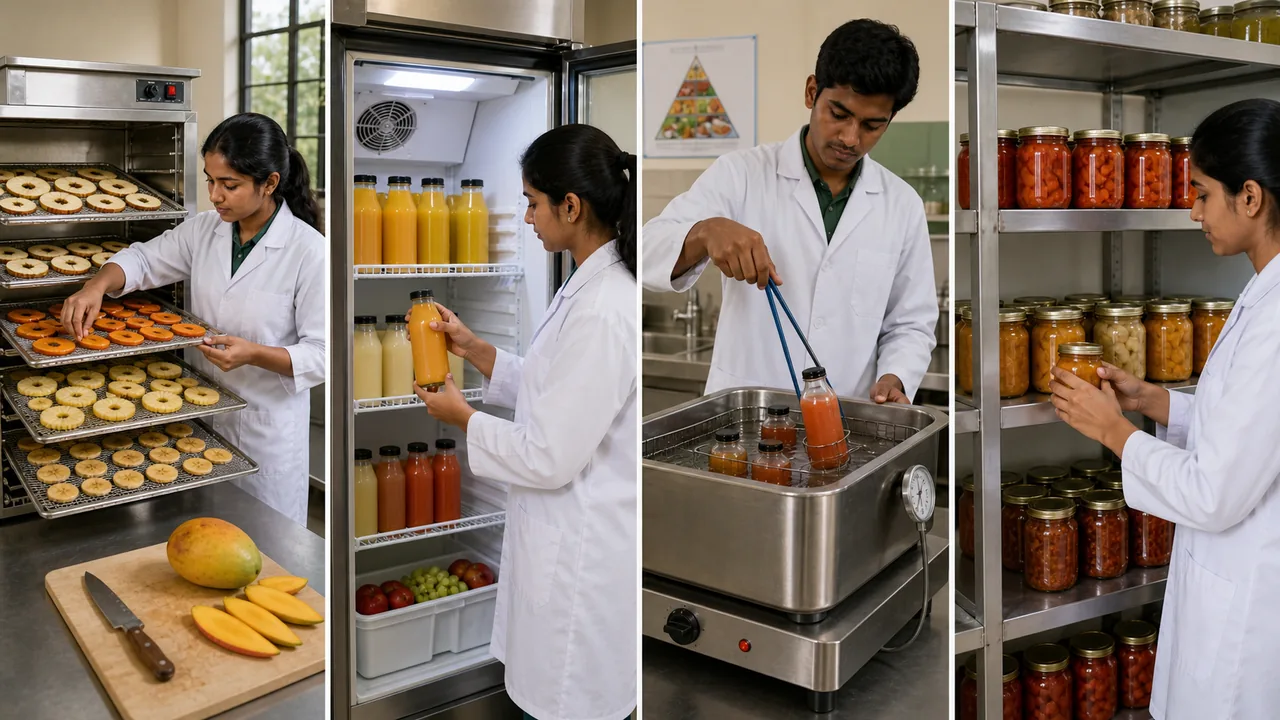
04. Food Processing and Value Addition
This section shows how raw produce becomes stable, useful, safer, and more marketable food products.
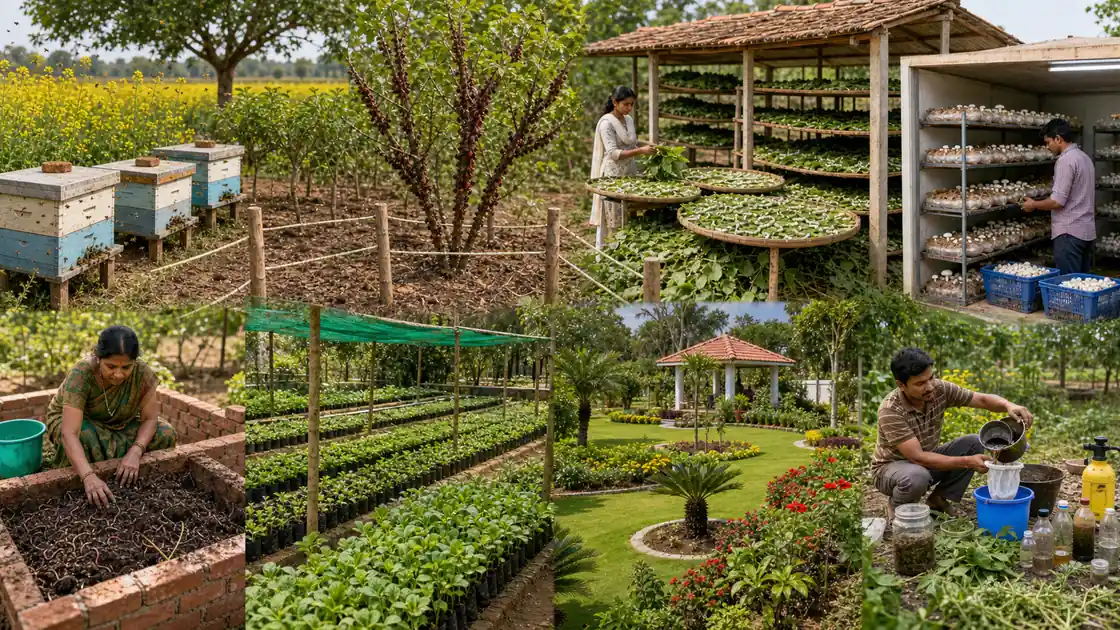
05. Subsidiary Enterprises of Agriculture
A section on agriculture-linked enterprises that add income, skills, diversification, and entrepreneurship opportunities.
Core Lessons
Direct Chapters In This Course
About This Course
Class 12th Agriculture is a dedicated school-level course for students who want the full syllabus in a cleaner, more teachable format. The course follows the syllabus chapter architecture while rebuilding it into original AgriDots lessons with clearer sequencing, practical examples, and easier revision.
What Makes This Version Better
- Every unit is broken into section-wise lessons with simple numbering for fast navigation.
- Explanations focus on understanding before memorisation.
- Long textbook-like stretches are reorganized into short concepts, tables, and examples.
- Important agricultural terms are connected to real farm practice, nutrition, markets, and rural livelihoods.
Course Sections
Section 01 — Advance Crop Production
Food production, horticulture, soil fertility, nutrients, soil testing, irrigation, and pest management.
Section 02 — Organic Farming
Concepts, principles, history, present status, schemes, certification, and practical organic gardening.
Section 03 — Post-Harvest Management
Handling, grading, storage, transport, and post-harvest care of fruits, vegetables, flowers, and cereals.
Section 04 — Food Processing and Value Addition
Preservation methods, processing, packaging, marketing, export basics, and food safety.
Section 05 — Subsidiary Enterprises of Agriculture
Apiculture, lac culture, sericulture, mushrooms, landscaping, biopesticides, vermicompost, and nursery planning.
How To Study This Course
- Start with the section overview to understand the big picture.
- Read one lesson at a time and pause after each table or list to restate the idea in your own words.
- Use the end of each lesson as a quick oral revision guide before class tests.
- Revisit Sections 03 to 05 before practicals and short-answer exams because these units are often asked in applied form.
Why This Subject Matters
Class 12 Agriculture is not just a school subject. It helps students understand food systems, soil health, sustainable production, value addition, and rural enterprise. These ideas matter for college preparation and real farm decision-making.
Frequently Asked Questions
Who is this Class 12th Agriculture course for?
It is designed for Class 12 students who study agriculture as a school subject and want chapter-wise explanations, examples, and revision support.
Does this course cover the full syllabus?
Yes. The course is organized into five sections that cover advance crop production, organic farming, post-harvest management, food processing and value addition, and subsidiary agricultural enterprises.
Is this only for memorising answers?
No. The lessons are written to build intuition first, then help with recall through tables, examples, and short revision cues.
What is the marks distribution in Class 12 Agriculture?
In the current CBSE Class 12 Agriculture curriculum, total marks are 100, split into 60 for theory and 40 for practical and project components together.
How many major sections are there in Class 12 Agriculture syllabus?
The subject-specific Class 12 Agriculture syllabus is built around three major sections: Advanced Crop Production and Organic Farming, Post-Harvest Management with Food Processing and Value Addition, and Subsidiary Enterprises of Agriculture.
Is practical important in Class 12 Agriculture?
Yes. Practical work is a serious scoring part of the subject. The CBSE curriculum includes practical examination, written practical test, viva voce, and project or field-visit record work, so students should not prepare only theory.
What comes in the Class 12 Agriculture practical and viva?
Typical practical areas include soil sampling, soil pH, compost and FYM preparation, seed treatment, fertilizer identification, sprayers and dusters, jam-jelly-ketchup preparation, drying and pickles, crop or storage visits, and viva questions based on object identification and visit reports.
Does Class 12 Agriculture include field visit or project file work?
Yes. The official curriculum expects field exposure, visit reporting, and practical file or student portfolio work. That means students should keep usable observations, not just textbook notes, because field-report quality supports internal practical performance.
Is Class 12 Agriculture useful only for board exams?
No. It also builds a foundation for BSc Agriculture, horticulture, food processing, organic farming, and many entrance-preparation topics. Students who understand this course properly usually transition more smoothly into agriculture higher education and competitive-exam basics.
Is Class 12 Agriculture easy or difficult?
It feels much easier when students understand the practical logic behind the chapters instead of treating the subject as pure memorization. The course becomes difficult mainly when students ignore practical terms, examples, and section-wise revision until the last minute.
How should I study Class 12 Agriculture for board exams?
A good method is to study section-wise, keep short revision notes, and connect theory with practical examples. Students usually perform better when they revise diagrams, object identification, and applied topics alongside written answers instead of separating them completely.
Can Class 12 Agriculture help in BSc Agriculture admission and later college study?
Yes. It gives students an early foundation in crop production, organic farming, post-harvest management, and subsidiary enterprises. That makes the shift into BSc Agriculture smoother, especially for students who later enter practical and subject-heavy university courses.
What are the most important chapters in Class 12 Agriculture?
Students usually search for this because they want smart revision before exams. In practice, crop production, organic farming, post-harvest handling, food processing, and subsidiary enterprises all matter, but practical-heavy and application-based units often give especially useful scoring opportunities.
How important are practical file, viva, and field observations in Class 12 Agriculture?
They are very important because practical marks are not a side component in this subject. Students who maintain clean files, remember object-based observations, and prepare for viva questions often gain a strong overall advantage even before theory marks are added.
Can students without farming background score well in Class 12 Agriculture?
Yes. A farming background can help with familiarity, but it is not required for good scores. Students from non-farming backgrounds usually do well when they focus on concept clarity, practical observation, and repeated revision of agricultural terms and processes.